The Productive Landscape: NatureTech for Profit and Planet
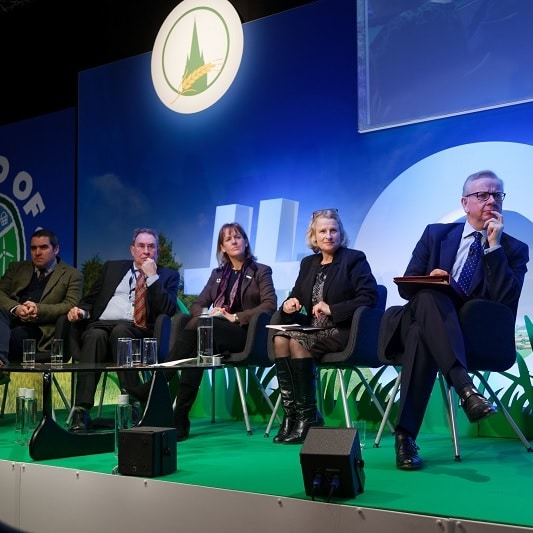
How can technology enable delivery of food, nature recovery, and climate resilience - all at once? The Head of the Environment Agency is asked: what's the national plan for dealing with land use pressures, plus you’ll hear from technologists and land managers working on nature-based and tech-enabled solutions for water, soils and climate adaptation.

Green is the New Gold: Financing a Sustainable Economy

Member News
The views expressed in this Member News article are the author's own and do not necessarily represent those of Agri-TechE.

In March 2025, the government launched new green finance standards for nature-based investing. This is a clear signal from government of how it sees the role of natural capital investing in driving future economic growth and supporting its net zero targets.

It is consulting on policy proposals and governance framework for raising the integrity of voluntary carbon and nature market credits, and the use of such credits. The use of these markets can raise additional finance and accelerate progress towards climate and nature goals, and many businesses wish to use them as part of their climate and nature strategies.

This is the first standard for collective nature markets of its kind in the UK, and one of the first in the world, reflecting the government’s ambition to position the UK as a global leader in pioneering nature markets that lead to lasting environmental change and economic growth. The British Standards Institution (BSI) is optimistic this will increase investments in nature-based solutions across the UK by building confidence among the investment community of the integrity of nature markets. The Overarching Principles Standard (BSI Flex 701) is immediately available for use by the market and will support investment in high quality nature and sustainable farming projects in the UK.

In parallel, the BSI has launched a consultation on a first version of a Natural Carbon Standard as part of its wider framework of standards. This will gather market views specifically on high integrity principles for projects selling nature-based carbon credits in UK markets. These credits will consist of habitats which store carbon, such as woodlands or peatlands. The Overarching Principles and Natural Carbon standards are part of a family of standards which will apply to nature markets.  Other standards are in development and will cover biodiversity markets, nutrients projects and schemes, and guidance on how projects should engage with local communities.

The government is in listening mode, keen to harness the potential of natural capital to drive vital economic growth and sees clear political merit in moving this forward at pace. DEFRA and the BSI are keen to hear from businesses and organisations to shape these standards and we strongly encourage all those with expertise and interest in natural capital investing to contribute to the consultation process.

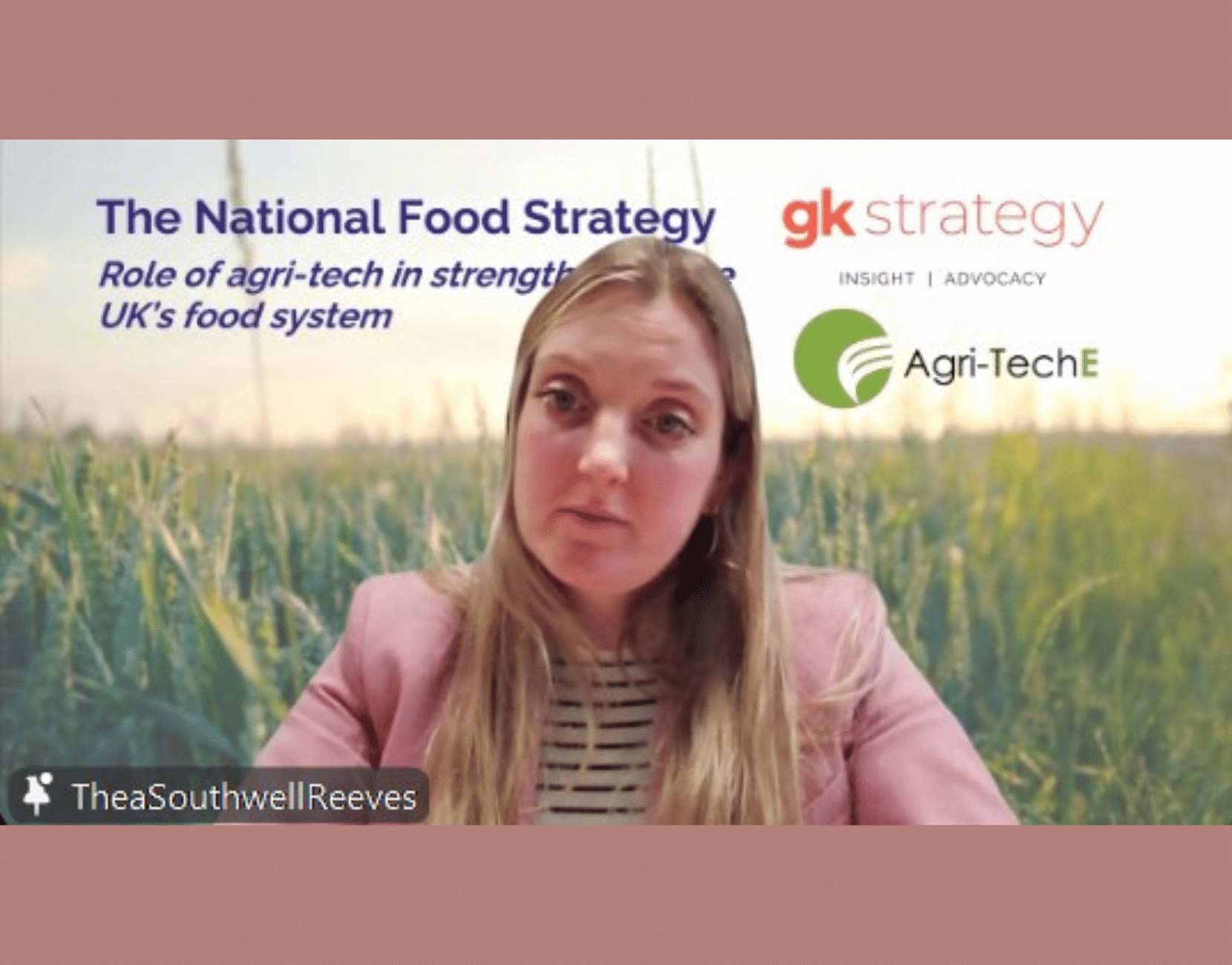
If you’d like to discuss this in more detail, including how GK Strategy can support you with government relations and communication, please contact Thea Southwell Reeves.

  • *I have permission from the copyright holder to publish this content and images.

The Politics of Precision Breeding

Member News
The views expressed in this Member News article are the author's own and do not necessarily represent those of Agri-TechE.

The development of plant precision breeding has the potential to improve public health, strengthen the UK’s food security, and improve environmental sustainability. It means farmers can grow crops that are more nutritious; pest and disease-resistant; climate-resilient; and environmentally beneficial.

The UK is set to become the first European country to allow this technology to be used to grow the food we eat, making it an attractive and interesting regulatory market for scientists, food producers and investors. The secondary legislation needed to implement the Genetic Technology (Precision Breeding) Act 2023 for plants in England completed its passage through both Houses of Parliament in May 2025. Full implementation of the regulations is expected in autumn 2025 meaning precision-bred food products could be on supermarket shelves in 2026.

This is a landmark moment for genetic innovation in agriculture, with the legislative framework designed to enable and encourage the use of new technologies. This will enable the UK to surge ahead of European counterparts, opening up global trade and investment opportunities by aligning the regulatory environment with other major economies such as the USA, Canada, Brazil, Australia, Brazil, Argentina, and Japan.

However, many in the agricultural and scientific communities are concerned that negotiations with the EU on a new trade agreement could see the UK delay the implementation of precision breeding to align with the EU’s food standards. While a trading agreement with the EU will be welcomed by the sector, important questions remain about what is within the scope of the agreement and, where differences exist, if they are any exclusions. As negotiations in this area progress, businesses in the sector should be engaging with government to push for safeguards to be included in policy areas where the UK agriculture sector has moved forward to develop innovative and resilient solutions to food production challenges.

If you’d like to discuss this in more detail, including how GK Strategy can support you with government relations and communication, please contact Thea Southwell Reeves.

  • *I have permission from the copyright holder to publish this content and images.

Why your voice matters in agri-innovation

Agri-TechE Blog
Agri-TechE

From land-use to the future of food, via farm profitability and water use, it may feel as if we are constantly being consulted by government and asked for input into the latest round of thinking about the future of our industry.

But does it make a difference and how do you get your voice heard? And critically, how can you plan your business around timelines of new guidelines, policies, strategies, standards and regulation and ultimately, legislation?

A big week for breeding

We’ve been thinking a lot about genetics this week, not least with the signing of the secondary legislation necessary to implement the Precision Breeding Act 2023 for plants in England – signed off by the Minister on Wednesday. The hope is that this will open new innovation opportunities and make the UK a more welcome location for companies to undertake R&D and commercialise their innovations.

We’ve also been mapping the many activities currently underway that are shaping the future of land and food production in the UK. And there are a lot. As there should be – these are critical issues for the future of our industry and society and need representation and input from everyone affected.

dna unsplash
DNA
houses of parliament government unsplash
Houses of Parliament

Years of conversations – drones, insects and more

Waiting for regulatory reform or new legislation is not for the impatient. The conversations about the role of precision breeding tools, for example, have been underway for literally years.

Similarly, throughout the decade in which we have been operating at Agri-TechE , discussions about drone regulation have been live across government and associated regulatory bodies. As we’ll explore at an upcoming event on July 14, some changes to the regulation of drone activities are starting to open up new commercial opportunities for agriculture.

Many businesses – especially early-stage ventures – are predicated on future regulatory change or new legislation. For example, changes in laws around insect bioconversion permitting insect protein as a feedstock could have a major impact for the livestock sector (replacing soya), however these discussions are live and enduring – for years – and still not quite over the line yet.

Informing future funding

We know the government purse isn’t exactly bulging right now, but there are commitments for funding for both R&D and farming, both of which bode well for our industry. But public spend must be informed by the potential for market need, where there are gaps not being met by the private sector, and how government can deploy its resources most effectively.

The current ADOPT programme, for example, resulted from the recognition that while the pipeline of agri-tech innovation is well supported and healthy, the rate of adoption by farmers is generally slower. These conversations have also been underway for many years, leading to the £20m fund currently open.

Opinion fatigue?

With consultations and roadmaps, strategies and reviews, there is no shortage of ways in which the future of the agri-food sector is under scrutiny, with different branches of government and its associated agencies seeking your views.

Many of the issues under discussion are challenging, multi-faceted or controversial, and most likely there will be winners and losers created from any changes, so there are no guarantees it will go your way. But you need to be part of the conversation.

Opportunities to engage range from simply offering your view, to submitting evidence, or offering a response in a formal consultation.

Industrial Strategy and a Farming Roadmap

The two big strategies most likely to impact agri-tech and the wider agriculture and horticulture sectors are the Industrial Strategy and the Farming Roadmap. The former is the plan for the growth of the economy – and while agriculture and horticulture aren’t explicitly addressed, many of the “growth-driving sectors” identified will significant benefit our industry – such as advanced manufacturing, digital technologies and clean energy industries.

The Farming Roadmap is currently in development and will be published “later this year” (according to an exchange published in Hansard on April 28th).

Both are likely to have significant impacts on UK agri-tech and the wider industry. If invited to do so, please do have your say – it’s the only way to get your voice heard.


If you are inspired to have your say, we’d be happy to chat to you more – we don’t lobby but we can help you navigate the landscape.

And to learn more, come and hear from Defra’s Head of Domestic and International Agri-tech Sector Policy at our upcoming Ag 101 event on May 22nd, where, among other things, he’ll be explaining how policies shape the sector and Defra’s role in driving enabling policies for agri-tech.

Precision Breeding regulations signed into law by UK Government

Member News
The views expressed in this Member News article are the author's own and do not necessarily represent those of Agri-TechE.
Rothamsted welcomes final step in establishing a practical and progressive framework for the regulation and commercialisation of gene edited crops

The Genetic Technology (Precision Breeding) Regulations 2025 were signed into law this week by Minister of State for the Department for Environment, Food and Rural Affairs (Defra), Daniel Zeichner MP.

Full implementation of the regulations is expected in the autumn of 2025. These regulations, which were laid before parliament in February as secondary legislation, aim to fully operationalize the Genetic Technology (Precision Breeding) Act, which was passed in March 2023.

The 2023 Act and new enabling Regulations are designed to facilitate the use of precision breeding technologies in agriculture, offering a more streamlined regulatory process for gene-edited crops in England.

UK consumers could see gene-edited (GE) products on supermarket shelves by late 2026.

The Government is backing precision breeding technology due to its potential to increase food production, reduce costs for farmers, and enable the cultivation of drought and disease-resistant crops. The technology offers the possibility of developing crops that are more nutritious, pest and disease-resistant, climate-resilient, and environmentally beneficial.

Rothamsted has pioneered the translation of gene-edited crops, carrying out the UK’s first field trials for GE wheat and camelina, and leads the way in demonstrating the power of this new technology to advance plant breeding.

‘This means that the precision bred crops that we are developing, like our enhanced camelina, now have a real chance to become commercial products.’

The Genetic Technology (Precision Breeding) Regulations 2025 were also debated in the House of Lords on May 6, 2025. The debate focused on the regulations’ impact on food security, British farming, and the environment. A “Motion of Regret” was withdrawn after a significant majority of expert Peers spoke in favour of the secondary legislation.

Secondary legislation necessary to operationalize the Act has been drafted by the Defra and the Food Standards Agency (FSA). These statutory instruments were notified to the World Trade Organisation in April 2024 and secured parliamentary debate and approval in March 2025.

While the Act covers both plants and animals, current implementation focuses on plants. The government has deferred the application of precision breeding to animals, citing the need for further evidence and stakeholder engagement to ensure animal welfare is safeguarded.

Professor Johnathan Napier, Flagship Research Leader and part of Rothamsted’s Green Engineering ISPG said “It is really positive and exciting to see these enabling regulations now set to be in place by the end of 2025. This means that the precision bred crops that we are developing, like our enhanced camelina, now have a real chance to become commercial products. For 30 years, regulation of new technologies such has gene editing has always increased the burden on the developer, so this situation, with reduced red-tape to make things easier, is a sea-change and should be celebrated.”

Dr Peter Eastmond, who has developed a gene edited barley variety with a high lipid content that could help reduce GHG emissions from cattle, said,  “This step is hugely significant as it will finally allow innovative precision breeding tools to benefit consumers, growers and the environment.”

Professor Nigel Halford, who leads research at Rothamsted on GE wheat said, “It does feel like an historic moment to me, and I expect everyone who has been working on plant biotech while the UK/EU has been marginalised will feel the same. It is tremendously exciting and I applaud everyone who has worked hard to get the legislation over the line. There are still issues with the devolved governments sitting on their hands and the EU playing catch-up, but for now we should celebrate. Most importantly it is a win for science and common sense.”

Sir Peter Kendall, chair of the Rothamsted Board and former president of the National Farmers Union said, “It is vital to enable the farming industry to meet the challenges of the future. Producing more, and at the same time enhancing our natural environment, will require all the tools at our disposal. This is an important step forward.”

Farm Fodder Flow: Silage Quality – Why Planning Ahead Matters

Member News
The views expressed in this Member News article are the author's own and do not necessarily represent those of Agri-TechE.

First silage cuts go whooshing by

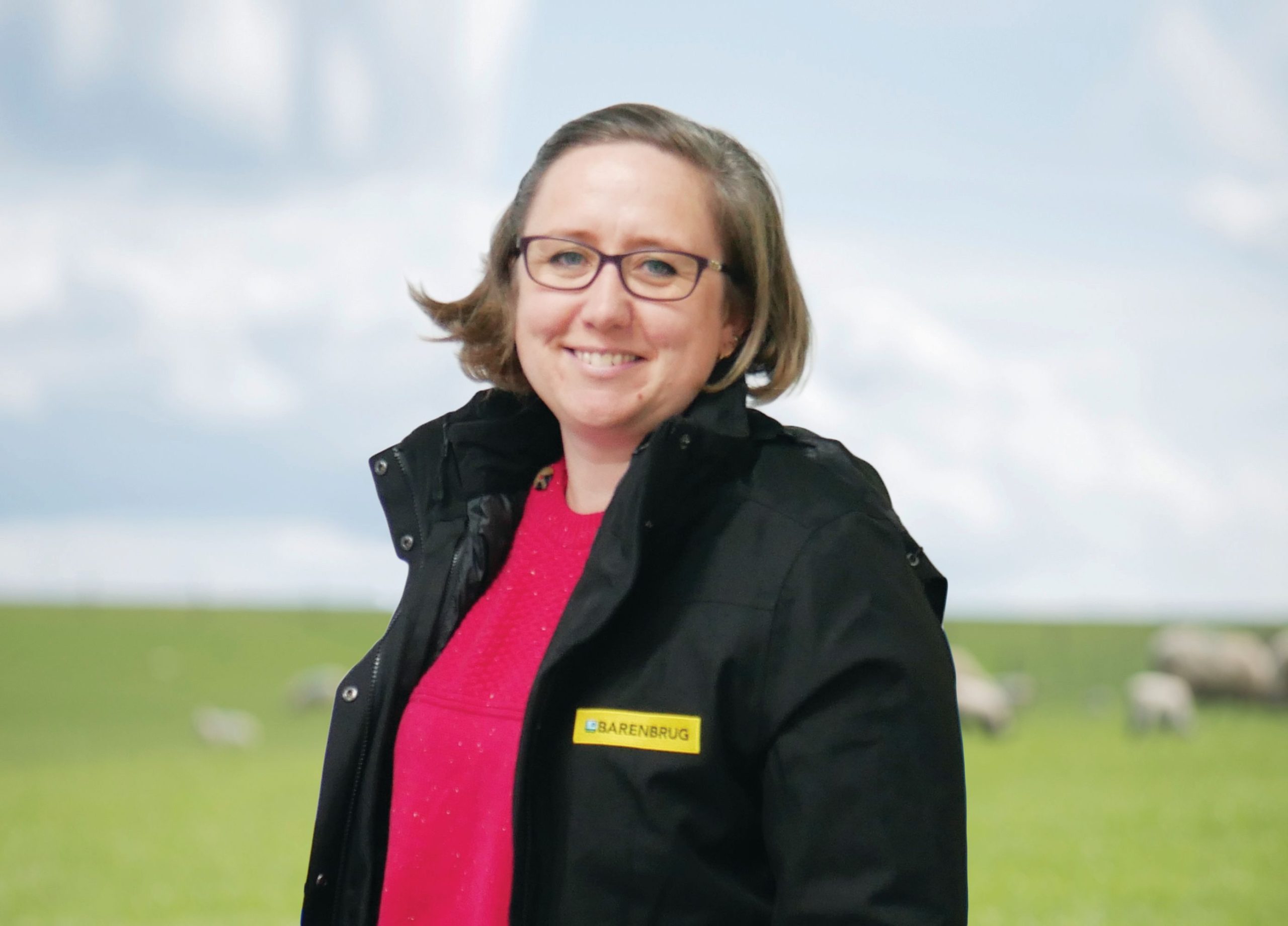
2025 has been the warmest start to spring since records began, says Barenbrug UK’s Agriculture Product Manager Janet Montgomery.

Not only warm, but dry with it. Apart from the very tip of Cornwall, the UK has had around half the amount of rainfall we would usually expect by this time in the year. Some areas – such as the north-east – have had just 7% of April’s average rainfall, recording less than 5mm of rain across the whole month.

Time to think carefully about regrowth

In our previous article “A Look at Spring Grass Growth”, I ventured that spring 2025 was, if not ‘normal’, at least looking ‘approachable’. I’m still of that opinion; however, now’s the time to think carefully about this weirdly dry spring we’re experiencing.

Farm Fodder Flow is what I’m talking about. Be sure you’re able to match your farm’s productive capacity to your requirements. If your farm revolves around grass-based feed, Farm Fodder Flow is something that needs consideration whatever the weather and irrespective of your individual farming practices.

But it’s especially important in the current conditions, where – let’s face it – grass is going to struggle to regrow after a cut.

The impact of dry conditions on grass growth

I should say, regrow sufficiently. Grass doesn’t change its growth rate much: the rate of leaf emergence stays consistent for the time of year. But without adequate soil moisture, the size of those leaves – and thus the accumulated amount of biomass, our all-important silage metric – will be much reduced.

If you’re following a ‘standard’ 2-3 leaf interval for cutting silage, this is where that Farm Fodder Flow planning comes into play. At its most basic, Farm Fodder Flow is about managing the interaction between supply and demand.

Adjusting supply and demand

At the moment, under current conditions, it’s looking likely that supply will reduce. And if that’s the case, your Farm Fodder Flow equation needs adjustment: either you find ways to increase the supply, or you must decrease your demand.

The latter – a reduction in stocking – is likely to be unpalatable for most, but being wise to the event, i.e. knowing your options and being able to move quickly on them, should nevertheless form part of your plan.

Planning ahead makes all the difference

This isn’t panic stations, by any means: we’ve still got grass. It’s simply a good time to be planning ahead. Whether you take the traditional aphorism of ‘A stitch in time saves nine’, or the more modern idiom of the 5 (or 6, for added emphasis) Ps, it’s the same concept: you can be prepared for anything, provided you have prepared.

Practical ways to increase supply

As for increasing the supply? You might be fortunate enough to be able to consider other ground for silage, whether on your own farm or in the locality. You might also consider how to make use of other feedstuffs, whether bought-in or home-grown. All this can go into the same plan.

Make the most of what you’ve got

But the most important part of your Farm Fodder Flow plan is this: make the most of what you’ve got. As we always say, your fields will thank you for managing them sympathetically. And the best thing you can do on a silage field, particularly during a dry period, is not to cut them too low.

We say this in the wet and we say it in the dry. It’s not a risk, it’s fact. When a field’s cut too low, it will take a long time to recover. In less-than-ideal circumstances – such as we’re facing now – that recovery time will be even longer. That’s not a position in which you want to find yourself.

So, promise me this. The next cut you take, look carefully at the aftermath after the first couple of passes. Post-cut fields of apple-flesh white give me the fear. Don’t do it!

  • *I have permission from the copyright holder to publish this content and images.

Farm Fodder Flow: Spring Grass Growth

Member News
The views expressed in this Member News article are the author's own and do not necessarily represent those of Agri-TechE.

Spring Grass Growth: Why Patience Pays Off Before Turn-Out

When Spring arrives, the sun shines, the temperature creeps up, and the grass is greening, writes Barenbrug’s Agricultural Product Manager Janet MontgomerySurely that means turn-out’s just days away.

But think, has spring really arrived?

Only if you’re observing the meteorological calendar, where the official winter-to-spring transition occurs on 1st March. Those of us with a more traditional view of the seasons will be holding out for the spring equinox of 20th March – when daylight hours finally exceed those of darkness – to mark the change in season.

Either way, when it comes to grass, both the astronomical and the meteorological calendars are no more than a distraction. The only thing of importance is what’s happening in the field. And much of that will be the result of what happened at the tail end of the seasonal year.

That’s because one of the biggest influences on spring grass growth is how much cover was left in the fields in the autumn, and how much rest those fields needed over winter to be in sufficient good order to provide the desired spring cover.

Spring Cover

What that spring cover looks like, or what it’s capable of, all depends on your plans for it. Your target – measured in kilograms of dry matter per hectare (DM kg/ha) – should be reached by the time you’re lambing, calving, or simply for turn-out after housing.

To achieve that, the grass must be given its best shot. And you’ll not do that by near-religious observance of a circled date on the calendar! Restock those fields before they’re ready, too early, too soon – and not only will the covers not be enough to sustain them, you’ll also find yourself facing the knock-on effects for the rest of the season…

…which is why it’s important to have the Farm Fodder Flow (FFF) principles foremost in your mind. How can you match your farm’s productive capacity to your animals’ dietary requirements? Careful planning, assessments and projection are the key.

Conserved Feed

Right now, you’ll have a good idea of how much longer your conserved feed is likely to last. My advice is to keep using it until you’ve emptied the clamp. If you’ve enough feed to keep things in the shed, do it. It’s feed that’s already paid for. Your fields will thank you, and you might even find that it gives you extra ‘breathing space’ later in the season – Farm Fodder Flow principles coming into play – to close off an extra field to take an extra cut, and thus make use of a grass excess to cover a possible later shortfall.

Final Check: Soil

The final check is in the soil: its moisture, and its temperature. Be sure both are ‘in range’ before you sign off on that turn-out decision: moisture, to avoid any possible damage to soil structure, and temperature, because unless soil temperatures have reached 5°C, then the grass isn’t growing.

To sum it all up? Good grass comes to those who wait; don’t be too quick to open the gate.

  • *I have permission from the copyright holder to publish this content and images.

First-Cut Silage Strategy: Why Patience Pays Off

Member News
The views expressed in this Member News article are the author's own and do not necessarily represent those of Agri-TechE.

Think back to the start of Spring in 2024. Water, water, everywhere – and in many cases nary a blade of grass even breaking the surface.

That was the legacy of the wettest 18-month period ever recorded in England. Didn’t we pay for it, with a year for cautious, opportunistic cuts that often fell far short of expectations, both on quality and quantity. Our message was ‘Go Softly’, striking a balance between the two necessities: conserving feed, and conserving swards.

That made 2024 something of a year best forgotten. If you didn’t yourself run short of feed, I’ll bet you know someone who did.

Yet with all that water now seeming a distant memory, coupled with the driest March for more than 60 years in 2025, it’s been very tempting to pursue not only an early turn-out to arrest the headache of low feed stocks, but to size-up an early first cut too.

Avoid the ‘Kid in a Candy Store’ Mistake

Those who follow my writings (Janet Montgomery – Barenbrug UK’s Agriculture Product Manager), might sense there’s a ‘but’ coming. You’d be right. I wouldn’t dissuade anyone from taking advantage of the current situation – in farming, we have to work with what we’re given and now is a perfect opportunity to start replenishing those lost stocks

But – and here it is – don’t act like the proverbial kid in a sweetshop, wide-eyed with wonder at the rich pickings. By all means take that early first cut, just exercise extreme caution.

High stakes

As the saying goes, the first cut is the deepest. Except in silage. Of all the cuts you’ll take this season, the stakes are the highest for the first. So don’t try to squeeze out extra yield ‘just in case’. Instead, hold back ‘just in case’.

Taking too much from the sward now could ruin the good growth for the rest of the season. By asking the sward for an extra 5% now, you could be paying a yield penalty far in excess of that by the time of the second cut, because there won’t have been sufficient time for it to recover biomass. You’re robbing the second cut of its potential.

Daughter tiller timing

We’ve talked about daughter tillers before, in our 3 Leaf Theory article. Each ryegrass plant can produce up to 3 such tillers: it’s the mechanism by which ryegrass vegetatively reproduces, and how sward density increases.

Daughter tillers are essential for sward resilience, boosting sward health and persistence, and preventing weed invasion. However, make that first cut too low and you’re putting the production of those daughter tillers at risk.

Soil Contamination

I hardly need add this, as everyone knows the risks inherent from soil contamination of silage. Nevertheless, some fields may still harbour damage – wheelings or uneven areas from poaching – from that wet weather of 2023-2024. Check out the fields and keep cutting and raking heights sufficient to avoid soil contact.

‘Just in case’

We never know what’s around the corner. That’s why this first cut is so strategically important. Because whether that ‘just in case’ is the wettest summer this century or a repeat of 2023’s dry spell, you’ll be thankful that by leaving a healthy residual, you’ve endowed your swards with the best gift of all: resilience.

  • *I have permission from the copyright holder to publish this content and images.

Organic Grass Farming – How to Build Better Swards with Strategic Seed Choices

Member News
The views expressed in this Member News article are the author's own and do not necessarily represent those of Agri-TechE.

What’s the Best Grass Variety for Organic Farming?

I’m often asked, “I’m farming organically. What’s the best grass variety for me?” – Janet Montgomery, Barenbrug UK’s Agriculture Product Manager.

OK, so it’s a good and valid question. But it’s not actually the question a grower wants to ask. What they should be asking – in making choices around any grass-growing system – is, “How do I get the best stand, the best sward, of desired species?”

The Common Goal: A High-Performing Sward

And that’s the question that’s common to both organic and non-organic systems, for the best possible grass production relies on a robust, healthy, dense population of grasses (and herbs and legumes) that together can give you the quality, resilience and exemplary biomass that will convince you (if you’re not already of that persuasion) why home-grown feeds hold the most promise for productivity and profitability.

Now, if you ARE farming grass organically, of course you have fewer options available to you. You can’t use chemicals, for a start. But that means turning to different tactics to achieve the same results – and it’s these tactics that others can adopt.

As a farmer, of course you have choices to make in the way you farm. You might choose, or even believe it’s your responsibility, to farm more effectively, more sustainably. With grass the most vital input in any dairying system, not to mention beef and sheep too, the strict regulations concerning organic production serve only to highlight the importance of home-grown feeds.

Reducing Feed Reliance and Embracing Regenerative Agriculture

Both organic and conventional farmers alike are looking to reduce their reliance on bought-in feed, and a recognition that some of the practices followed over many years by organic farmers are just as applicable in non-organic situations.

Here’s where we also consider the surge in regenerative agricultural practices. Yes, ‘regen’ can still be a little hard to tie down, but its central themes of soil health, carbon sequestration and biodiversity are now widely accepted.

What does that mean for the progressive grass farmer?

Well, let’s go back to that opening question. It’s not so much about variety per se, but the varietal characteristics necessary in an organic, or low/no-input production system. Remember, what we’re trying to do is to create an amazing plant stand. That demands a ‘Big Four’ basic elements: out-of-the-blocks emergence, rapid establishment, a high density from the get-go, and competition that knocks touchline football dads into a cocked hat.

Of course, many of our varieties exhibit all those characteristics in spades. Nevertheless, we’ve selected two in particular – Galgorm and Seagoe  – as the ‘best of the best’ to act as the base of our organic mixtures.

There’s also an element of pragmatism here: grass-seed blends must have a minimum of 70% organic seed to be described as such. Understandably, we don’t grow organic versions of every variety, and that’s why we’ve chosen these two: they really are out there in front, and capable of doing some very heavy lifting in meeting the ‘Big Four’ described above.

Herbal Leys, SFI and Biodiversity

Yet while mixtures intended for use in organic systems have always looked different from more conventional mixtures, reflecting the different objectives, in recent years those lines of distinction have blurred, as first herbal leys and then SFI mixtures, or swards for biodiversity, have become more common and more popular.

There’s quite an art to developing each grass mixture. I consider how species and varieties will perform in the circumstances, with one key question in mind for each mixture: what farming challenge am I trying to solve?

For example, am I looking for something that offers farmers a quick spring growth? Are we meant to be delivering winter tolerance? Is this mixture suitable for the summer dry?

Primary objectives for organic mixtures are weed suppression and nutrient management. We’re creating mixtures that can thrive without herbicides or synthetic fertiliser.

Yet cutting out those inputs, or at least reducing reliance on them, is where conventional farmers are beginning to show real interest too. It’s understandable: who wouldn’t want to avoid the expense and hassle of spraying for weeds, and to manage without chemical fertilisers, if a sward can make a good job of it by itself?

Swards ‘designed for organic’ typically sport a high tiller density, explains Janet, which creates a pasture that’s on the ‘offensive’ with a dense and healthy stand: weed seedlings can’t compete against grass, or grass-clover stands.

Then there’s white clover: it can reasonably provide up to around 150kg/ha of nitrogen. Red can reach as much as 200kg/ha.

The Role of Clover and Herbs in Soil & Animal Health

Clover, other legumes and herbs also have a ‘superhero power’ in the form of their roots. Diversity in root depth and structure is highly effective in improving nutrient cycling, and a varied sward brings activity in different zones, at different times through the year. This nutrient mobility has a tremendously beneficial effect on soil health and fertility.

Of course that’s great for the health of the sward. It’s also great for the health of your animals: research shows how these diverse swards offer grazing animals a more balanced – in terms of minerals and vitamins – intake, plus the different proteins available when grazing involves more than grass alone.

Deep Roots, Deep Resilience

Consider this: ryegrass roots grow to a depth of around 15cm. But tall fescue’s roots grow as deep as 1.5m, as can many herbs and legumes. That’s why mixed swards retain their productivity during dry periods.

Tall fescue’s a great example of how the organic movement has made the most of its own restrictions. They’ve simply added more tools to the toolbox. Their solutions are like a patchwork quilt. A solution here, an adaptation there, recognising that they don’t have the blanket options of agricultural chemicals and fertilisers.

Physical, cultural, temporal control. It’s these that allow for the variation in management approaches which together deliver the desired outcomes.

With that in mind, there’s no reason why you can’t be a conventional farmer who thinks like an organic farmer.

  • *I have permission from the copyright holder to publish this content and images.

The new government, a year on: what are Defra’s priorities?

Member News
The views expressed in this Member News article are the author's own and do not necessarily represent those of Agri-TechE.

This is a government for whom the honeymoon period ended swiftly. Desperate to demonstrate economic credibility, abiding by her fiscal rules has become an obsession for Chancellor Rachel Reeves. The commitment to balance day-to-day spending by 2029 is the driving force behind the policy decisions outlined in last autumn’s budget, many of which have had a significant impact on the cost of doing business in the UK.

For the farming community, the most significant of her decisions was changing inheritance tax rules for family farms. Sluggish economic growth and challenging geopolitical headwinds since then have worsened the government’s economic woes. Unprotected government departments, including the Department for Environment, Food & Rural Affairs (Defra), are bracing themselves for further cuts in June’s spending review and the autumn budget.

Against this backdrop, Defra ministers are struggling to communicate their policymaking priorities effectively. The government’s first year of policymaking has served up some unpalatable reforms for the industry, ranging from the changes to agricultural property relief to the abrupt closure of the Sustainable Farming Incentive. Whether these decisions should be attributed to government inexperience or political apathy depends largely on your own political perspective. Nevertheless, the government says it has big ambitions for the sector. For those watching eagerly from the sidelines, big questions remain for how they intend to achieve them.

Events may soon accelerate the political imperative for the government to bring some cohesion and clarity to the sector. Less than twelve months since the general election that delivered the Labour landslide and Keir Starmer to No.10, the world is already a very different place. Escalating global conflicts and increasing geopolitical instability are forcing governments to consider their own resilience and sustainability. The war in Ukraine and the Covid pandemic shone a light on the UK’s vulnerability to fluctuations in the cost of energy and fertilizer, which has a direct impact on the food supply chain in this country.  The government recognises that ‘food security is national security’ and solving the challenges of food security are set to climb to the top of the national political agenda in the coming years.

The resilience and sustainability of the sector will continue to dominate thinking at Defra, both through an environmental lens and regarding long-term profitability. Former NFU President Baroness Minette Batters has been appointed to lead a review of farm profitability, which will make a series of recommendations to the newly formed profitability unit within Defra. However, with acute pressures on public spending, there is firm recognition from ministers that increasing the profitability of the sector will be difficult without securing investment from the private sector. The government is keen to harness the power of private investment in nature restoration and natural capital investments. It has announced new green finance standards designed to drive economic growth and support investment in projects to restore rich habitats. It is also consulting on ways to increase the integrity of, and raise confidence in, voluntary carbon and nature markets.

This parliament will see greater collaboration between Defra ministers and the Department of Health and Social Care and the Department for Education, particularly on national food policy. Driven by concerns around food security and the soaring cost of obesity to the NHS, the departments are keen to shift how the nation thinks about and consumes food. Work to produce the new national food strategy is currently underway, due to deliver initial proposals later this year. To date, the government has sent strong signals that it is not afraid to adopt an interventionist approach when it comes to matters of public health. Its revisions to the sugar tax to decrease the thresholds and expand the scope of products is a sign of its willingness to use policy to achieve its objectives.

Seeing the complex policy challenges of food, health and farming as intrinsically linked seems obvious to most observers but for a government that tends to work in siloes it would be a huge shift in behaviour. There is a real opportunity for greater collaboration across government and the sector to put these key issues at the heart of policymaking. The challenge for government is getting it right when inexperience and acute pressure on public spending is high, so there is a clear role for businesses to share expertise, experience and excellence to inform high quality policymaking.

If you’d like to discuss this in more detail, including how GK Strategy can support you with government relations and communication, please contact Thea Southwell Reeves.

  • *I have permission from the copyright holder to publish this content and images.

Farm Fodder Flow: Go With The Flow

Member News
The views expressed in this Member News article are the author's own and do not necessarily represent those of Agri-TechE.

Encouraging farmers to adopt a more holistic approach to on-farm feed management, recognising that home-produced feed will always be more beneficial to the bottom line, this concept is known as Farm Fodder Flow.

Janet Montgomery, Agriculture Product Manager at Barenbrug, explains the concept of Farm Fodder Flow. Farmers have always had to juggle numerous tasks while mitigating the effects of external factors beyond their control.

Grass has been the cornerstone of many farming systems, supporting livestock enterprises ranging from beef and sheep to dairy to diversified operations. Farming today demands a strategic, data-driven approach to optimise returns and sustainability.

Rethinking Grass Management

Farmers must move beyond the ‘one size fits all’ grass strategies of the past. Modern farming, shaped by economic and environmental pressures, calls for bespoke solutions tailored to the unique needs of each enterprise. This is where the concept of Farm Fodder Flow comes into play.

Put simply, Farm Fodder Flow is about matching the farm’s productive capacity to the nutritional requirements of livestock through planning, assessment, and projections. It ensures the efficient use of home-produced feed, reducing reliance on purchased concentrates, while improving productivity.

Done well, it can also optimise labour requirements and provide higher-quality feed throughout the year, benefiting both the animals and the farm’s bottom line.

First Steps

Consider it a return to basics: what are your production goals? Are they sufficient? Where or how do you need to make changes? For livestock farmers, these goals might pertain to litres of milk, kilos of beef, lambs sold, or other measures relevant to the enterprise.

For example:

  • In a dairy system, how many days a year produce milk? What is the average production per cow?
  • Beef farmers may aim for specific weight gains or finishing times.
  • Sheep farmers might focus on lambing percentages or faster turnaround times for market-ready lambs.
  • Mixed enterprises should account for goals across all activities.

By assessing these goals, farmers can gain a clear understanding of their annual production targets and the feed demands of their livestock throughout the year.

These graph curves are an example specific to an all-year round calving dairy system.

Supply and Demand

The next step is evaluating whether the available grass and forages meet the farm’s feed demand. Do your peaks in supply align with the nutritional needs of your livestock?

Most farms will identify a mismatch between the supply curve and the demand curve. Common strategies to address this include making silage or hay to bridge the feed gap during low-growth periods. However, Farm Fodder Flow takes this a step further by exploring ways to optimise both the quantity and quality of feed.

Improving the Flow

Adjusting the way silage is produced can make a significant difference. For instance, moving from a two-cut system to a four-cut system can improve the nutritional quality of silage, resulting in better feed conversion rates. Livestock fed on higher-quality silage often exhibit improved weight gain, milk yield, or overall performance.

Even without major changes to cutting schedules, practices such as grass indexing can help identify fields that need reseeding or maintenance, maximising the efficiency of the most productive areas.

Explore Alternatives

Don’t hesitate to consider alternatives to traditional silage. Short rotation crops like winter brassicas, Italian ryegrass, or forage rape can provide flexibility and a different nutritional profile. These crops are especially valuable as break crops in grass rotations, helping to manage weeds, improve soil health, and support long-term productivity goals.

A New Mindset

Farm Fodder Flow represents a shift in mindset. It’s not about wholesale changes but rather about refining and optimising current practices. By prioritising home-grown feed and recognising its superior nutritional and economic value, farmers can build more resilient and profitable systems.

This holistic approach empowers farmers to balance the demands of their enterprises with the resources available, ensuring sustainability and success in an ever-changing agricultural landscape.

  • *I have permission from the copyright holder to publish this content and images.

PES Technologies Secures £1.3M pre-Series A Funding following award-winning Product Launch

Member News
The views expressed in this Member News article are the author's own and do not necessarily represent those of Agri-TechE.

Success On and Off the Awards Podium

Following an outstanding awards season last year after our official launch—where PES Technologies proudly took home both the British Farming Awards Agri-TechE Innovator of the Year and the Fresh Produce Consortium Innovation Excellence Award—we’re excited to share that we’ve now secured £1.3 million in pre-Series A funding. This milestone reflects the strong confidence our investors, stakeholders, and the wider industry have in our product. With this momentum, we’re looking forward to making 2025 just as impactful!

Welcoming New Global Partners

We’re excited to welcome two new investors to the PES Technologies journey—both making their very first investment in a UK-based company!

Artesian, a leading global alternative investment management firm headquartered in Australia, has invested in PES through their GrainInnovate fund. Joining them is Agnition Ventures, the investment arm of Ravensdown, one of New Zealand’s largest and most respected fertiliser cooperatives.

Some words from our CEO, and Lead Investor TSP Ventures

Andrej Porovic, CEO and co-Founder of PES Technologies, said,
This funding round is a big show of confidence from our shareholders in both the product and the team. We are particularly delighted to be the first UK-based investments for both Artesian’s GrainInnovate Fund and Agnition Ventures – this is further validation that our product has global potential, and I look forward to their input as we build on our successful product launch last year by increasing market share and influence.”

Chris Smith, CEO of TSP Ventures, said “PES Technologies undoubtedly has a strong technology that provides substantial benefits for farmers, growers and agronomists as well as the overall environment. The company is now strongly post-revenue with a growing and impressive client list. Their product, in-field soil testing for 14 measures of physical, chemical and biological soil health done more cheaply, more quickly and more conveniently than current methods, results in cost savings, higher yields and long-term improved soil quality. We are delighted to lead the round and continue to be part of this impressive company.

160 year old research opens gateway to more nutritious and sustainable pea crops

Member News
The views expressed in this Member News article are the author's own and do not necessarily represent those of Agri-TechE.

Researchers at the John Innes Centre at Norwich Research Park have helped to solve a historical puzzle that could revolutionise the breeding of the humble pea and other legumes leading to improvements in their nutritional value and lessening the reliance on pesticides.

This landmark work, published in the journal Nature, comes at a time when peas and other legumes are being called upon both as sources of plant protein and as sustainable crops which can fix their own nitrogen. It could result in pea and other legume crops, needing less chemical fertiliser to grow, becoming more economically viable for future growers and potentially lowering land and river pollution.

The groundwork for this latest study was laid 160 years ago by Gregor Mendel, a citizen scientist. He famously performed a series of experiments in the mid-nineteenth century where he cross-bred 28,000 pea plants to understand how their traits were inherited by future generations. Although at that stage the concept of genes didn’t exist, Mendel concluded that plants were passing on hereditary ‘factors’ to their offspring that determined whether they inherited what turned out to be ‘dominant’ or ‘recessive’ versions of genes known as alleles.

Mendel’s work on peas was described by the science historian Allan Franklin as “the best experiments ever done.” He focused on seven pea traits: seed shape (round or wrinkled), seed colour (green or yellow), pod shape (constricted or inflated), pod colour (green or yellow), flower colour (purple or white), plant size (tall or dwarf) and position of flowers (axial or terminal).

Over many years of experiments, involving thousands of plants, he established fundamental rules of inheritance, how characteristics are passed down through the generations, and single-handedly laid the groundwork for the science of genetics.

Three of Mendel’s original seven pea traits had not been linked to a particular gene. That is until now. An international research collaboration between the John Innes Centre, the Chinese Academy of Agricultural Sciences (CAAS) and other contributors in China, France and the UK, has used genomics, bioinformatics and genetics to map the diversity  of a global pea collection and revealed the genes associated with the remaining three Mendel pea traits.

This new set of gene bank and genomic resources which will now be available to researchers and breeders worldwide could revolutionise pea breeding and research into this environmentally important crop.

Dr Noam Chayut, one of the study’s leading authors, at the John Innes Centre, said, “Our collaboration has created a genomic resource of extraordinary depth and breadth that includes the whole genome sequence data for the 700 pea types representing the global species diversity. We already have researchers and multi-national companies ordering seeds corresponding to the novel genomic resources which will revolutionise how companies breed peas and how scientists study them, right across the world.”

“In Mendel’s time, pea was an important crop that he wanted to improve by solving problems that were facing gardeners and growers at the time. This study not only shines a light on Mendel’s fundamental discoveries, but it also opens the route to growing pea in many parts of the world, including the UK. Pea is a crop which can deliver a sustainable source of plant-based protein and has a major role to play in the future of farming.

“The six-year study was only successful because of the interdisciplinary nature of the team, with each member bringing a necessary skill to the partnership. The most important and beautiful part of this research is the collaboration”.

The study’s researchers selected a genetically representative sample of around 700 pea accessions from the collection of 3,500 held at the John Innes Centre’s Germplasm Resource Unit, a national capability, funded by BBSRC. This generated 62 terabytes of raw data, comprising 25.6 trillion pieces of information which, if printed out, would cover 3.6 billion sheets of A4 paper.

From this data, amassed from the 700 pea genomes the team created a global genomic map of pea, from the highly bred and cultivated pea, through to locally adapted varieties from all around the world; called landraces, and wild relatives.

Using this map and a technique called Genome Wide Association Studies, they identified regions of the genomes that corresponded to valuable trait variation. The research has connected more than 70 agronomic traits to corresponding genomic locations. The many different genetic markers at each of these locations can be used to accelerate pea improvement.

Looking forward, the new resource, coupled with other modern technologies such as gene editing, long-read DNA and RNA sequencing, will open up unprecedented opportunities for novel gene discovery. It will also pave the way for more predictive breeding such as using AI models which can select combinations of genes to deliver better yielding, disease-resistant, agronomically viable pea plants.

Prof Shifeng Cheng of the CAAS Agricultural Genomics Institute at Shenzhen, said, “Mendel discovered what we now call the laws of inheritance without knowing what a gene was. Today, using modern tools, we can see the exact genes and the precise mutations that he unknowingly tracked.”

The market for pea protein is among the fastest-growing of those for all alternative protein sources and researchers want to learn more about creating productive pea plants specially studying genes associated with pod size, plant yield, seed protein content and resistance to disease.

  • *I have permission from the copyright holder to publish this content and images.