LED lighting boosts strawberry propagation
 Agri-TechE
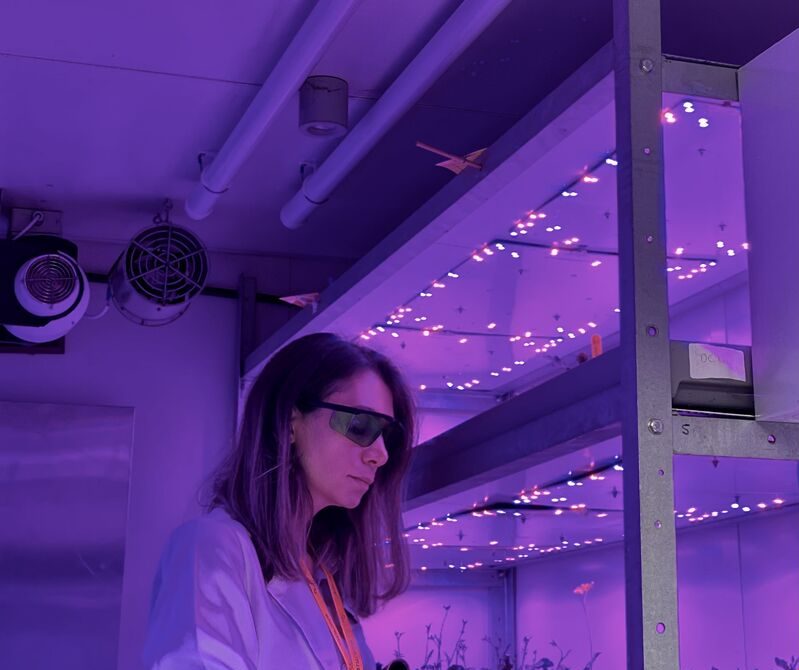
 As the extended strawberry season continues, ARU Writtle’s recent research offers new insights into the propagation of strawberry plants within vertical farming (VF) systems.
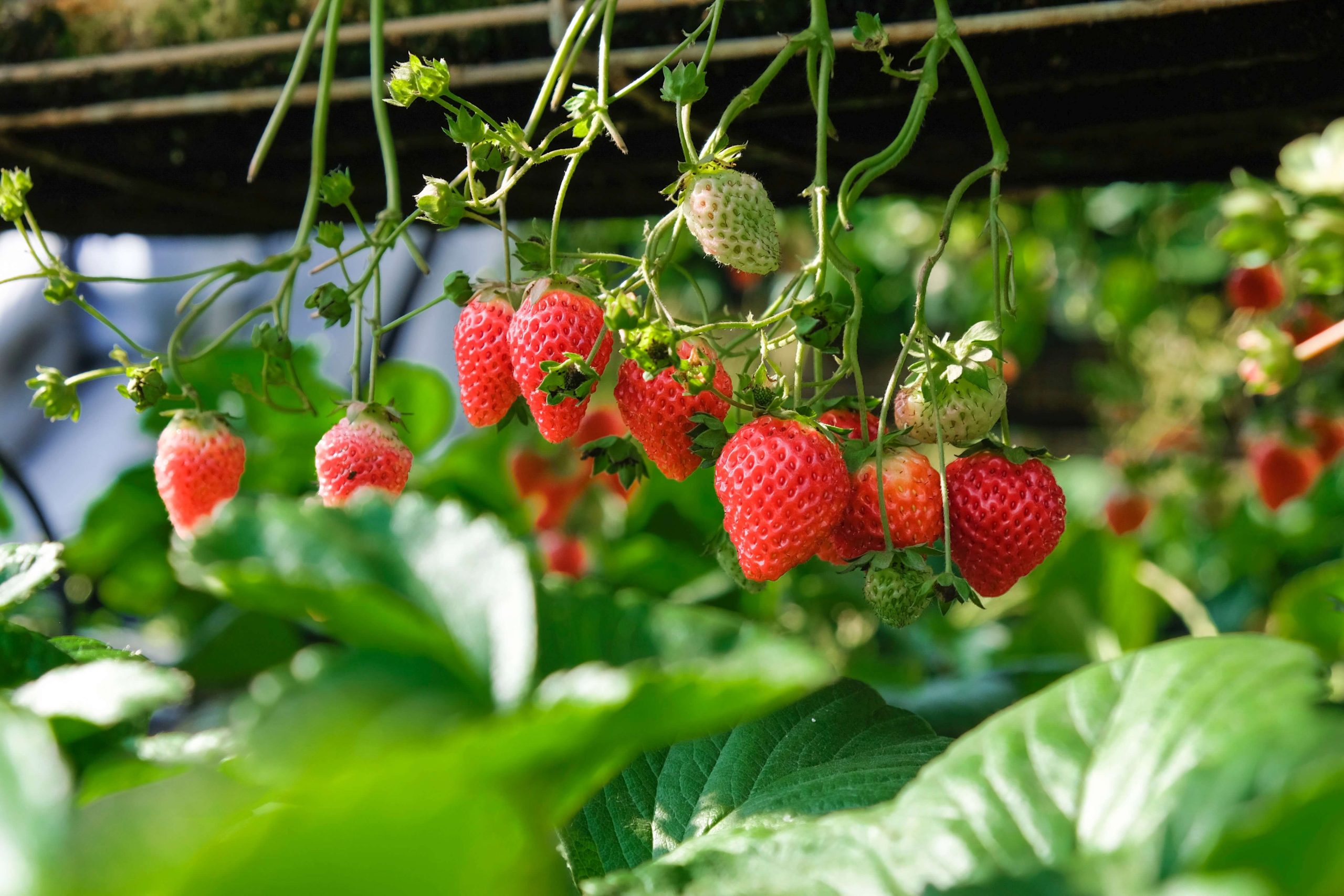
The study focuses on the everbearing Fragaria × ananassa ‘Malling Ace,’ a leading variety introduced in 2020 that has quickly become important in extending the strawberry growing season in the UK.
However, as a relatively new variety, optimal propagation methods for ‘Malling Ace’ are still being refined, particularly within controlled environments like vertical farms.
Why strawberries and why now?
Strawberries are among the UK’s most consumed fruits, with consumption ranking among the highest in Europe. This high demand has driven the adoption of everbearing varieties like ‘Malling Ace,’ which extend the growing season well beyond the traditional summer months.
Propagators often need to coordinate the reproduction of strawberry stock plants years in advance to ensure an adequate supply of planting material, creating a need for more efficient and reliable propagation methods.
However, everbearing varieties like ‘Malling Ace’ present unique challenges in propagation as they typically produce fewer runners compared to June-bearing plants, limiting the availability of planting material. This limitation has made it difficult for growers to meet the high demand for ‘Malling Ace’ plants, highlighting the need for optimised propagation techniques.
Vertical farming, with its precisely controlled environments, offers a promising solution for addressing these challenges and ensuring consistent quality and supply.
ARU Writtle’s study provides new insights into how different tipping dates and LED lighting conditions can influence the growth and quality of this relatively understudied cultivar.
Enhancing strawberry propagation through vertical farming
The study experimented with different tipping dates – key moments when young plants are transferred to stimulate root development – to determine the optimal timing for robust plant growth.
The findings show that tipping dates significantly influence shoot biomass, total crown diameter, and leaf chlorophyll content, while their impact on root systems was less pronounced.
This leeway in tipping timing suggests that growers have some flexibility in scheduling tipping dates, allowing commercial growers to align plant propagation schedules with other operational timelines without compromising root development.
Light matters: LED impact
The study also explored how different LED lighting conditions interacted with tipping dates. Various lighting regimes were tested to evaluate their effects on plant growth.
One specific light treatment that provided a balanced spectrum tailored for photosynthesis, referred to as L1, proved particularly effective. Results showed that plants tipped early and exposed to the L1 light regime showed superior fresh and dry root growth compared to those under other light conditions.
Energy efficiency in vertical farming
The research also evaluated the energy efficiency of vertical farming systems by comparing a Direct Current (DC) microgrid powered by solar panels and batteries, with a conventional Alternate Current (AC) unit connected to the national grid.
The findings revealed that the DC microgrid system offered a 23% reduction in energy demand compared to the AC unit, demonstrating notable advantages in terms of lower energy intensity and reduced electricity consumption.
This results in significant cost savings and improved sustainability opportunities for commercial growers.
ARU Writtle’s study provided valuable insights into effective strawberry propagation and highlighted the importance of integrating energy-efficient technologies in vertical farming.
As the industry continues to seek sustainable and efficient methods to meet consumer demand, these findings could play a key role in shaping the future of strawberry propagation.
To read the full publication: Using vertical farming systems for propagating everbearing strawberry: Physiological and technological feasibility assessment Lorch-Schierning, Elizabeth; Perera, Anya; Baghalian, Kambiz
Post Overview
Agri-TechE Related Posts
Consumer Acceptance of Navel Oranges Significantly Improved

Netvion: Greenhouse automation for OEMs, integrators, and growers

EU Regulation on gene-edited plants enters into force
Patenting microbial crop products in Europe
Breeding value for every stage of the supply chain