The benefits of farmer-led regenerative agriculture research
 Agri-TechE
 The transition from a conventional farming system to a more regenerative approach involves an element of risk for the farmer as there are so many unknowns.
Progressive farmers are therefore keen to encourage more research and sharing of learning points to help them create best practice and avoid the pitfalls.
Tom Pearson is one of those pioneering farmers taking an active part in a large research programme called H3 (‘Healthy Soil, Healthy Food, Healthy People’), and he is a keen believer that an evidence-based approach is a key component in supporting this transition.
He will be chairing the Emerging Agriculture session at REAP 2024 and has provided his learning points from on-farm trials.

Five principles of regenerative agriculture
There is currently no agreed definition of regenerative agriculture, but an evolving consensus suggests that it involves, to a greater or lesser degree, the adoption of five key principles which aim to improve soil health and the wider environment.
- Avoiding disturbance to the soil – through minimum or zero tillage and reducing damage to the soil structure by heavy machinery.
- Keeping the soil covered throughout the year.
- Growing a diverse range of crops in a rotation that includes those that fix nitrogen and have deeper roots.
- Retaining living roots in the soil to maintain the soil microbiome.
- Integrating livestock where possible or using organic manures.
Three of the larger regenerative agriculture projects currently underway include AgZero+, Fix Our Food, and H3.
The H3 project aims to understand the potential farm-scale beneficial effects of regenerative agriculture in two distinct UK farming landscapes through in-field and laboratory-based measurements of soil and wider environmental outcomes.
There is also a significant social science component of the research, which seeks to understand the diversity of views on ‘regenerative agriculture’ and the drivers and barriers to farmers changing their farming practices.
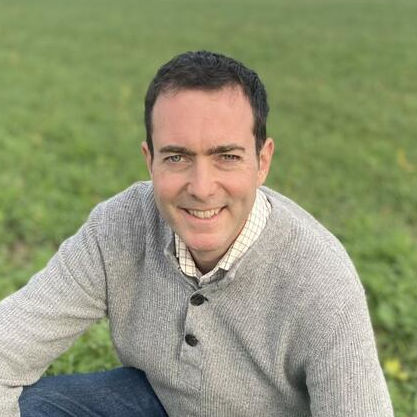
Tom gives his perspective as a farmer
Tom runs an arable family farm in Cambridgeshire which has been transitioning to regenerative practices over the last eight years. Originally a medical doctor, he has first-hand experience of working with people struggling with diet related chronic disease, so the H3 project, with a scope that includes social sciences and nutrition, was of both personal and professional interest.
The project will conclude next year (2025), and Tom shares his learning points from a farmer’s perspective.
Tom’s learning points
1: Work with farm clusters – the H3 research focusses on two farm clusters in different geographies. The advantage of working with an established cluster is that we already know and trust each other and so are happy to collaborate and share resources and data.
2: Get a farmer on the steering committee – having a representative farmer on board from the outset provides vital input into the research design. The original concepts proposed by the scientists in H3 would not have worked on a commercial farm.
3: Timescales for research projects are an issue for all – academic research projects are typically only about 3-5 years. H3 is a five-year project ending in December 2025. However, agriculture needs longer time frames, so we are making contingencies for when it finishes. One of these actions was to use some of the research budget to pay for subscriptions to the Vidacycle Soilmentor Regen Platform. Farmer participants have time and support to make it an established part of their practices and once the research is completed, the annual subscription fee will be an affordable cost going forward.
4: Bi-annual review valuable to farmers – for the farmers, bi-annual meetings to review the findings and learning points are very useful. It doesn’t need to be all the logistics of the research, but deep dives with guest experts and group discussions on subjects such as cover cropping, and reducing inputs in a sensible way, are valuable.
5: Include a social science perspective – the H3 project is part of the government funded “Transforming UK Food Systems” programme and so will feed into future policy. If there are going to be policy decisions around the support of regenerative farming, it is important to make sure the farmers’ story is included and to understand the potential bottlenecks and problems. I think the social science element of H3 is a fantastic addition.
6: Allow a budget for the farmer – if the project is to be farmer-led it is important to allow a budget for the farmer’s time in the proposal.
In the H3 project there was no payment for the farmers. We were very transparent with this and made it clear that although they are not being paid, they are getting a lot of great stuff. Katherine Berthon did an excellent mid-term bespoke report for each farm with their data which was well received. However, if you want a farmer on the advisory board then you need to pay for their time.
7: Research as a farm diversification – you can’t have a researcher on the farm all the time, but if we had a small budget for sampling then I could write that into the job description when someone new is hired. Being part of a research project makes it exciting for the team and the research could be kept going beyond the lifetime of the academic project.
There is a model for this. BOFIN (British on Farm Innovation Network) has managed to find a way of finding those grants and remunerating farmers for hosting research and gain additional payments for sampling. This opens the opportunity for that to be a new source of revenue.
BOFIN have proven that self-selected farmers are more than capable of delivering quality sampling at good value. What’s more, surveying that needs to be done at multiple geographical sites in small weather windows would be logistically and financially challenging if undertaken by in-house academic staff. So, academics benefit from being able to conduct research that might otherwise never see the light of day.
8: Support transformation – the benefits of H3 will go on beyond the lifetime of the project. Our group is growing as farmers are ‘looking over the hedge’ and seeing the benefits. There are currently 36 farmers benefiting from the H3 research, of which seven are currently practicing regenerative agriculture. Research is a brilliant way of sharing and facilitating learning.
Tom Pearson will be chairing a ‘fireside chat’ with research scientists during the Emerging Agri-TechE session at REAP 2024. Research scientists will each bring a household object that captures the concept of their research and Tom will be asking ‘what does this mean for farmers?’
Researchers will include:
Louise McNicol, Researcher at SRUC’s Beef and Sheep Research Centre
Robert Jackson, Senior Data Scientist at Niab
Marcello Calisti, Associate Professor of Agri-Robotics at University of Lincoln
Ashleigh Lister, Senior Research Assistant at Earlham Institute
Marcelo Precoppe, Reader in Agricultural Engineering at Harper Adams University
Louise McNicol, Research Associate at SRUC
Find out more and book your ticket at reapconference.co.uk
Post Overview
Agri-TechE 
Related Posts
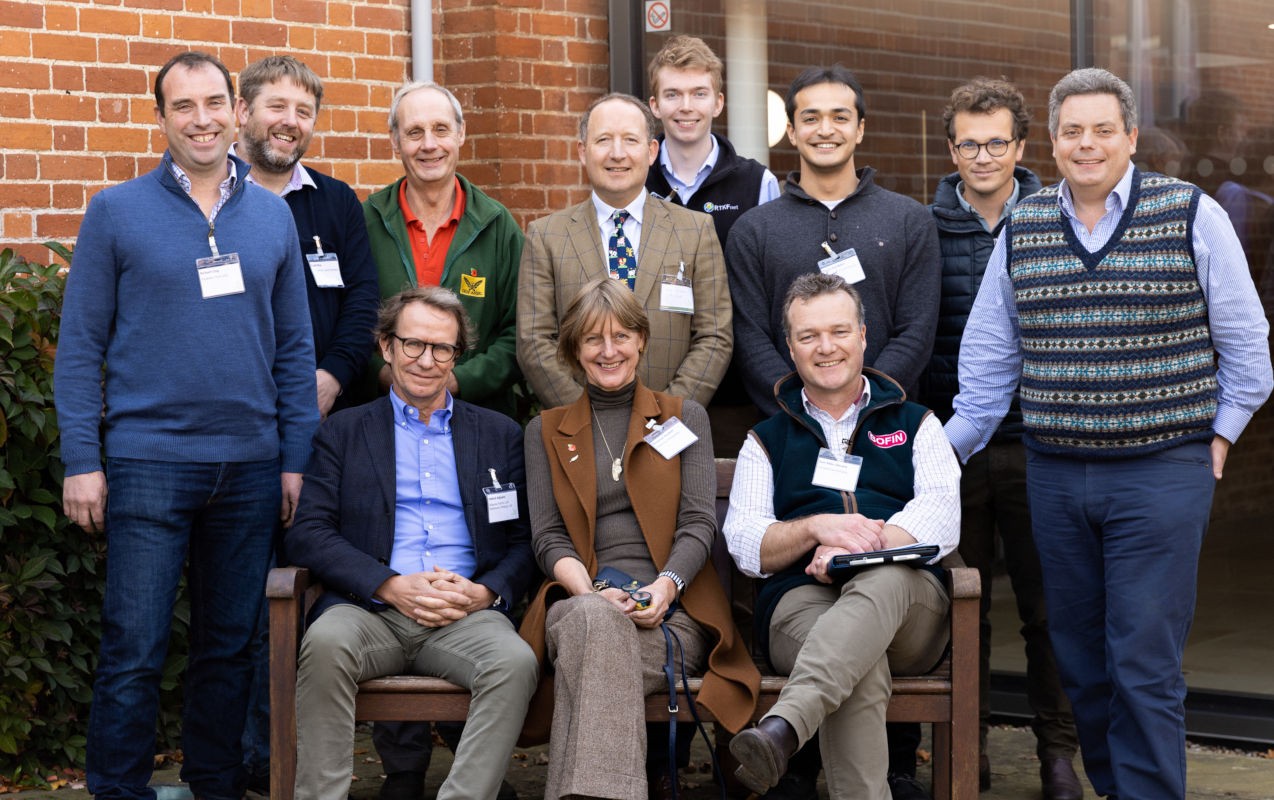
The REAP 2022 Bursary recipients
Looking forward to Agri-TechE Week 2023

Harper Adams is supporting farmers monetarise natural capital
‘From Farmer to Pharma – and Beyond – with Medicinal Cannabis and Industrial Hemp ‘ Event Report
Innovate UK engineering biology Contracts for Innovation engagement webinar