The Six Secret Start-Ups Revealed at REAP 2026
 Agri-TechE
From insect eavesdropping to methane minimising, Agri-TechE’s REAP conference featured six entrepreneurs pitching solutions to some of agriculture’s biggest challenges.
Sponsored by Rothamsted Enterprises and chaired by their CEO, Nicole Sadd, each start-up had a five-minute pitch to wow the audience before fielding questions on their technology and plans for commercialisation.
Plus, we welcomed three previous ‘showcasers’ to the stage to explain their growth and scale journeys and share their tips for surviving as a start-up, in the ‘Where are they now?’ segment. Which of the 2026 cohort will we be inviting back in years to come?!
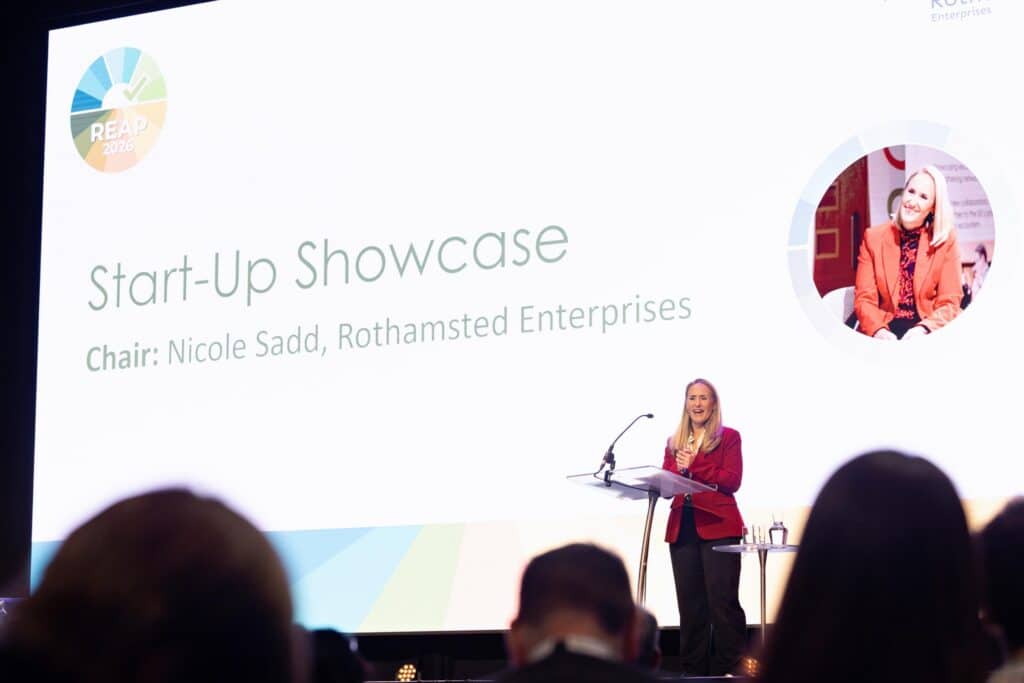
Agribot: Weathering the storm with prediction tools
Farmers cannot control the weather, but what if they could predict the impact weeks in advance?
That is the opportunity Agribot is pursuing. The company has developed an AI-based model that forecasts how individual fields will respond to weather, weeks in advance, with up to 90% accuracy.
“We can generate predictions four to six weeks in advance of weather events, allowing us to predict how fields will behave and grow,” says Emma Chapelhow, COO of Agribot.
Agribot is currently applying its technology to grassland and has been awarded an Innovate UK ADOPT project.
“We can provide a 22-day warning on extreme weather events. Therefore, farmers can make decisions in advance on grazing, when to bring cows in, pre-ordering feed before price hikes, targets to expect, when to cut, fertiliser applications and so on,” adds Emma.
They are also developing applications in cereals and oilseeds. Working with AHDB, Agribot is validating models to predict wheat yields, crop growth stages and harvest dates, while the same predictive insights could help insurers, banks and commodity traders understand production risks and market conditions earlier.
BugBug: Shazam for bugs
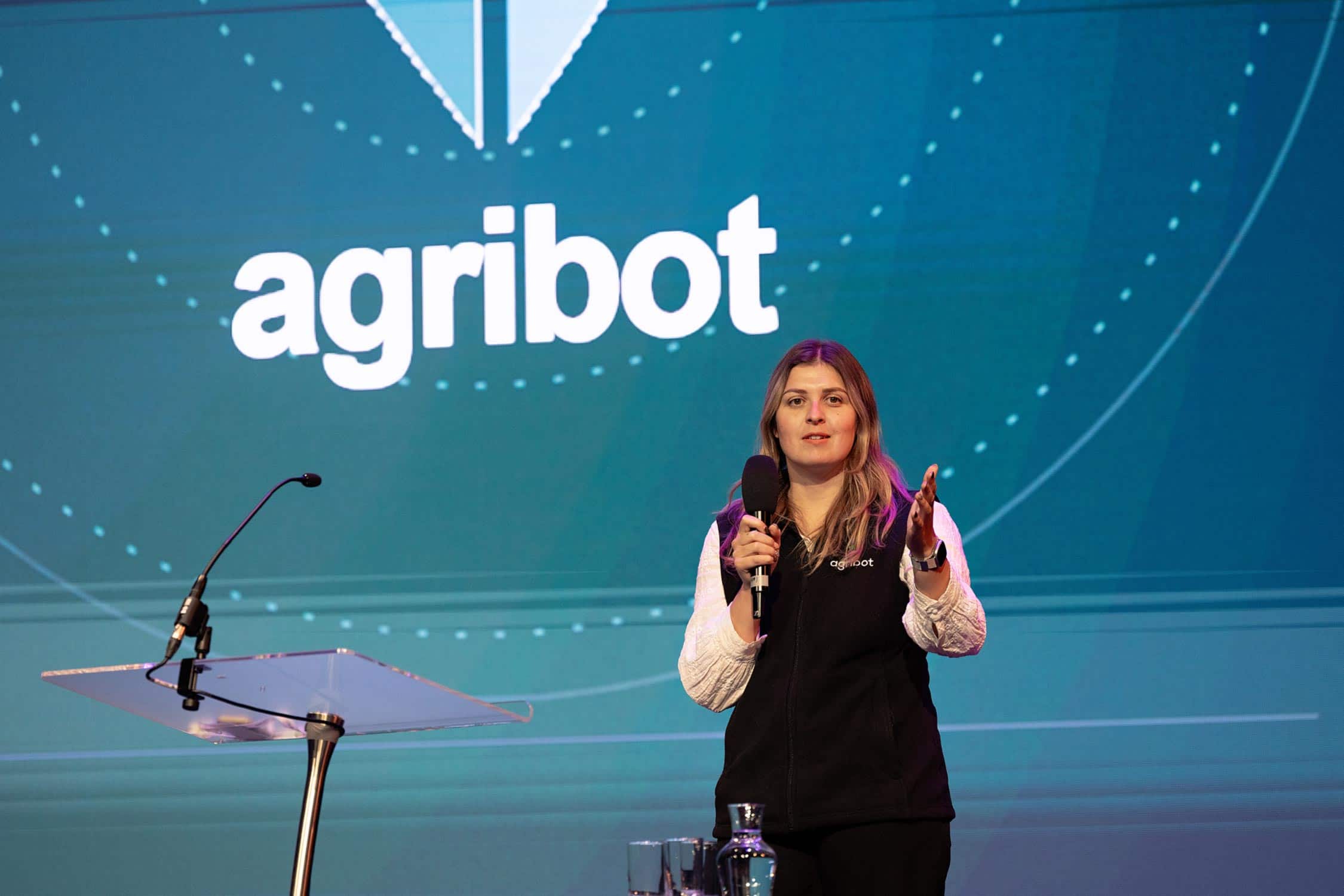
Just as music-recognition technology identifies a song from its sound, BugBug aims to identify insects through the noises they make. By turning these sounds into useful information about pest identity and behaviour, the company hopes to give farmers another tool to protect their crops.
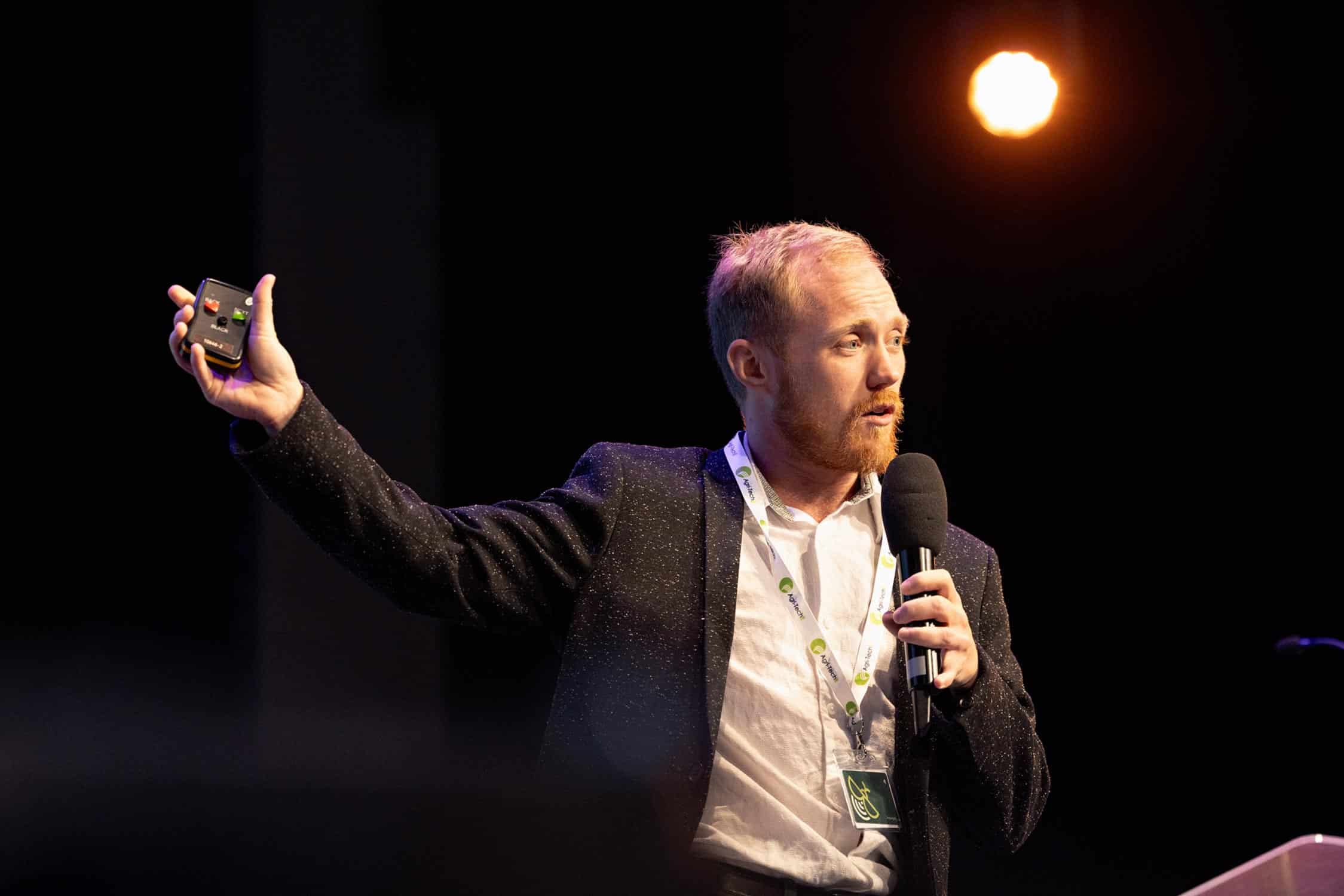
They call it ‘insect eavesdropping’. Using the unique sounds insects make, BugBug’s Insect Eavesdropper™ combines AI and machine learning to distinguish insect activity from background noise. By monitoring insect sounds over time, it aims to give farmers a more detailed picture of pest activity without disturbing crops.
The company’s co-founder and CEO, Jadey Huray, was inspired to find a solution after seeing her family’s sugar cane crops repeatedly damaged by pests. She brought together co-founders with expertise spanning entomology, technology and business, and the team has now completed trials involving more than 25 insect species across 17 crop types.
“We can provide farmers with long-term longitudinal data, as the Insect Eavesdropper™ is solar-powered and designed to stay in the field for long periods,” explains Jadey.
As pesticide regulations tighten, BugBug believes its monitoring capabilities could help growers generate evidence of pest activity and treatment efficacy.
BugBiome: Monitoring insects to find crop protection microbes
As you might guess from its name, BugBiome is dedicated to controlling agricultural pests, but its approach makes it unique. They use the insects themselves to help identify promising crop protection products from naturally occurring microbes.
BugBiome searches for potential insecticides among bacteria and fungi collected from nature. These microbes are grown individually in the laboratory before being exposed to insects in controlled tests.
The insects are then monitored for changes in behaviour, a process known as phenotyping. Responses such as mortality or reduced feeding help the team identify microbes with potential for crop protection.
For Alicia Showering, CEO and co-founder of BugBiome, the need for new approaches is driven by the challenges facing farmers.
“We’re seeing farmers have less and less access to synthetic insecticides. The sheer expense of bringing a new chemical to market and tightening regulations around re-registration are only shortening the list of products available to farmers. As that list shortens, resistance in the insects is only developing,” says Alicia.
With insecticide resistance growing and the range of available management options under pressure, BugBiome’s goal is to identify new biological solutions that can help expand farmers’ pest management toolkit.
While the company initially focused on aphids, it is now working on other agricultural pests, including cabbage stem flea beetle and pea weevil, the latter in partnership with fellow Agri-TechE company PheroSyn.
Number8 Bio: The first bolus to reduce methane emissions
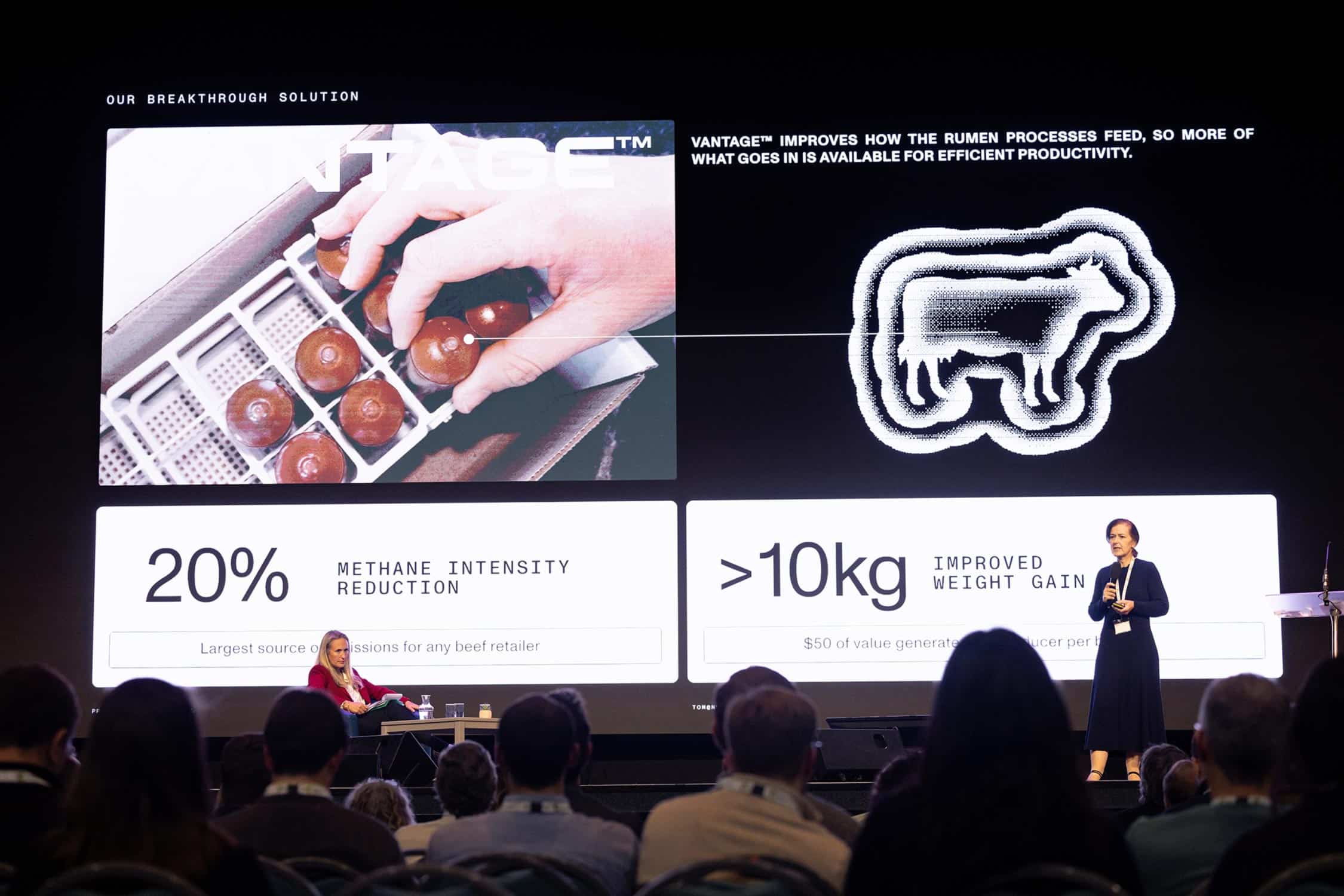
Livestock production has long faced scrutiny over its contribution to methane emissions. However, methane loss is not just an environmental concern. Ruminants can lose around 10-12% of their gross energy intake through methane production, energy that could otherwise contribute to growth.
Australian agricultural biotechnology company Number8bio is developing a solution to improve how the rumen processes feed, helping livestock use their intake more efficiently while reducing methane emissions.
It began by screening thousands of molecules to identify potential solutions and has since developed BetterFeed, a long-acting, sustained-release bolus.
Dr Trish Bromley, global director of regulatory affairs at Number8bio, explains: “BetterFeed alters the metabolism of bugs living in the rumen, so that they produce more of the volatile fatty acids that cows need to grow muscle, produce milk and generally be more efficient”.
Rather than being lost as methane, more carbon is captured in these fatty acids, improving digestive efficiency and feed conversion.
The technology uses a molecule with an established history in other industries, applied in a novel way to animal health.
“We have secured pivotal safety data and pilot efficacy; BetterFeed is safe and affordable, and we think it will change the face of production of ruminants across the world, simply because its efficacy pays for itself,” adds Trish.
HazEL: Decoding the risk
The industry assesses the environmental and human risks associated with pesticides on a product-by-product basis. But what if growers could compare all the products available for a particular crop?
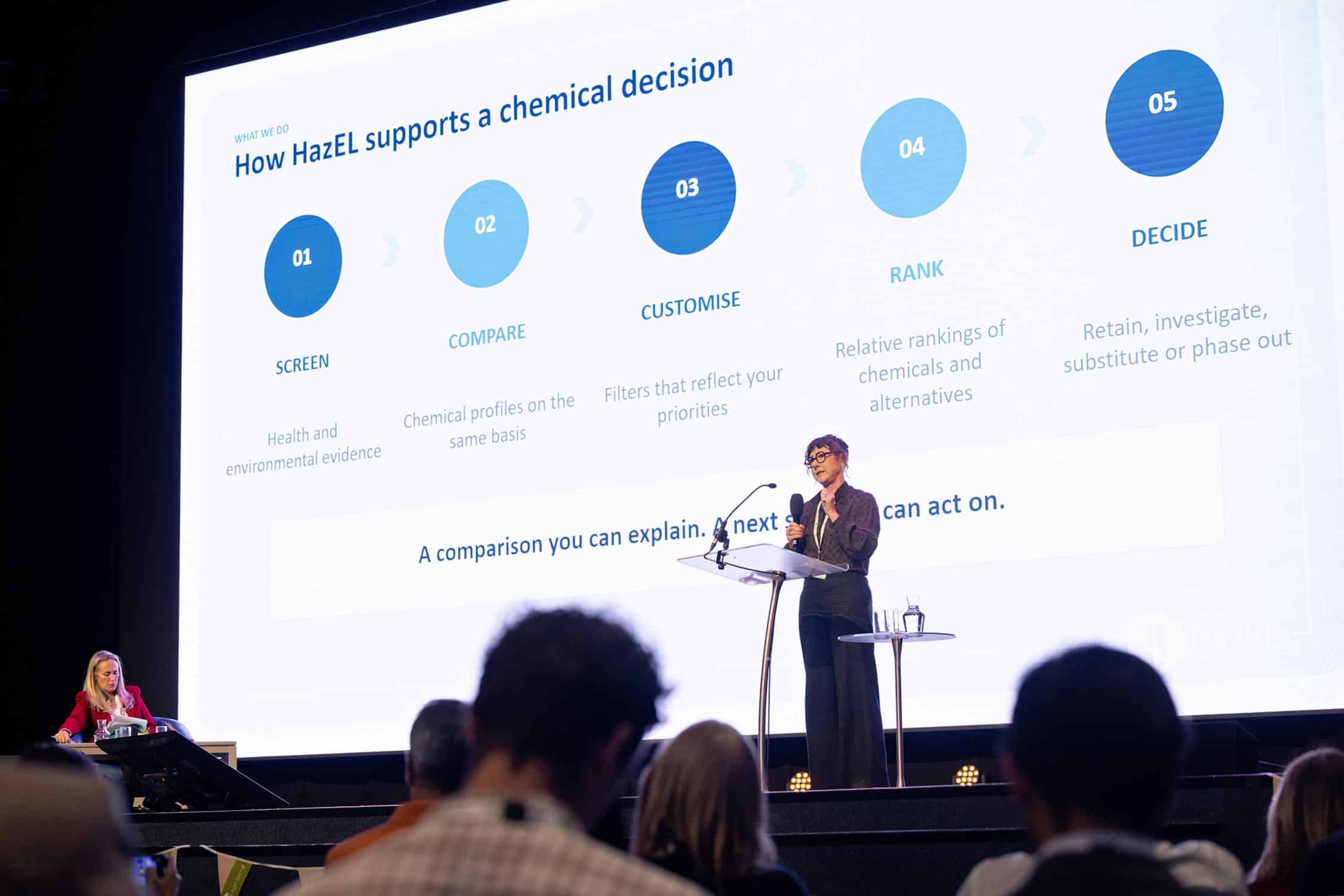
Hazard Evaluation (HazEL) is an SaaS start-up that does just that. It was developed by Kate Bromfield following a career with chemical regulatory authorities in New Zealand and Australia, where she managed a team responsible for reviewing pesticides and other potentially harmful chemicals.
“We looked at new emerging information to decide which chemicals were more harmful than we previously thought they were,” she says.
As authorities assessed hundreds of chemicals, Kate saw first-hand how difficult it was to prioritise products by risk or identify those likely to come under greater scrutiny. The system she developed to address that challenge became HazEL.
The software allows users to upload pesticide product data, which is then prioritised and ranked by human and environmental toxicity risk. It can also use AI to identify chemicals of emerging concern.
Although initially developed with regulators in mind, Kate believes the technology can add value across the supply chain. Crop protection companies can compare molecules in development against existing products, while agronomists, distributors and food businesses can use the data to support more sustainable decisions.
“Farmers can use the data to demonstrate that they are making decisions that reduce their impact on the environment.
Bindbridge: Leveraging the plant’s natural control system
Inspired by developments in the pharmaceutical industry, Bindbridge is taking a novel approach to crop protection by applying AI-based targeted protein degradation (TPD) technology to agriculture.
Co-founder and CEO, Dr George Crane, noticed that some of the most successful ag-tech startups were adapting technologies developed for pharmaceuticals. That observation became the foundation for Bindbridge.
“By applying this technology to agriculture, the goal is to develop safer, more efficacious crop protection and enhancement products,” says George.
The company is initially focused on herbicide and insecticide discovery. Using so-called molecular glues, its approach aims to trigger the degradation and removal of target proteins, potentially opening up new target spaces and modes of action for crop protection.
According to George, this could reduce effective doses while helping address resistance concerns. Bindbridge operates primarily on a B2B model, licensing its technology and products to larger agrochemical companies through both collaborative and internally led programmes.
For George, REAP holds particular significance. He attended the event in 2017 on a student bursary, making this year’s appearance something of a full-circle moment: ” I really want to fly the flag for UK ag tech.”

Post Overview
Agri-TechE Related Posts
The ‘future of farming’ shouldn’t be discussed without farmers in the room

A trip to the Tees Valley HQ
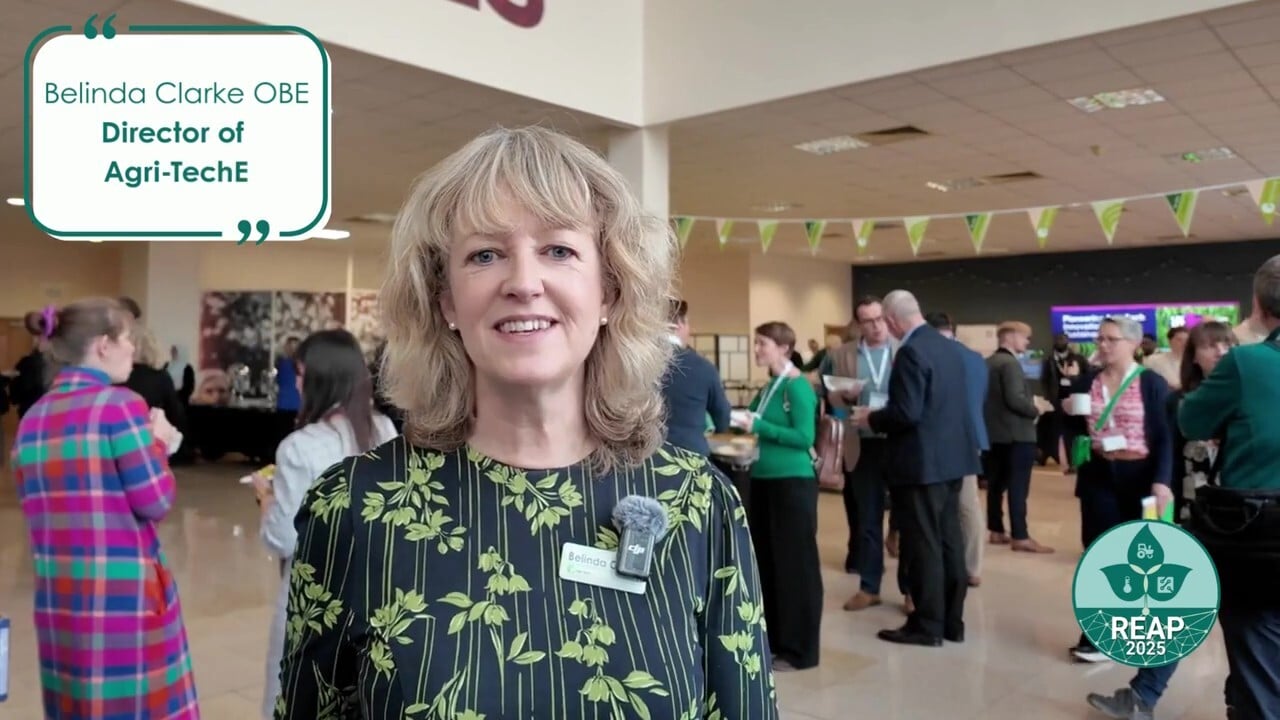
Belinda Clarke on most-seen start-up snafus, delivering the ‘Goldilocks’ of tech, and her Trend-Watch for 2027
Man vs machine: determining agri tech’s potential for agronomic decision making
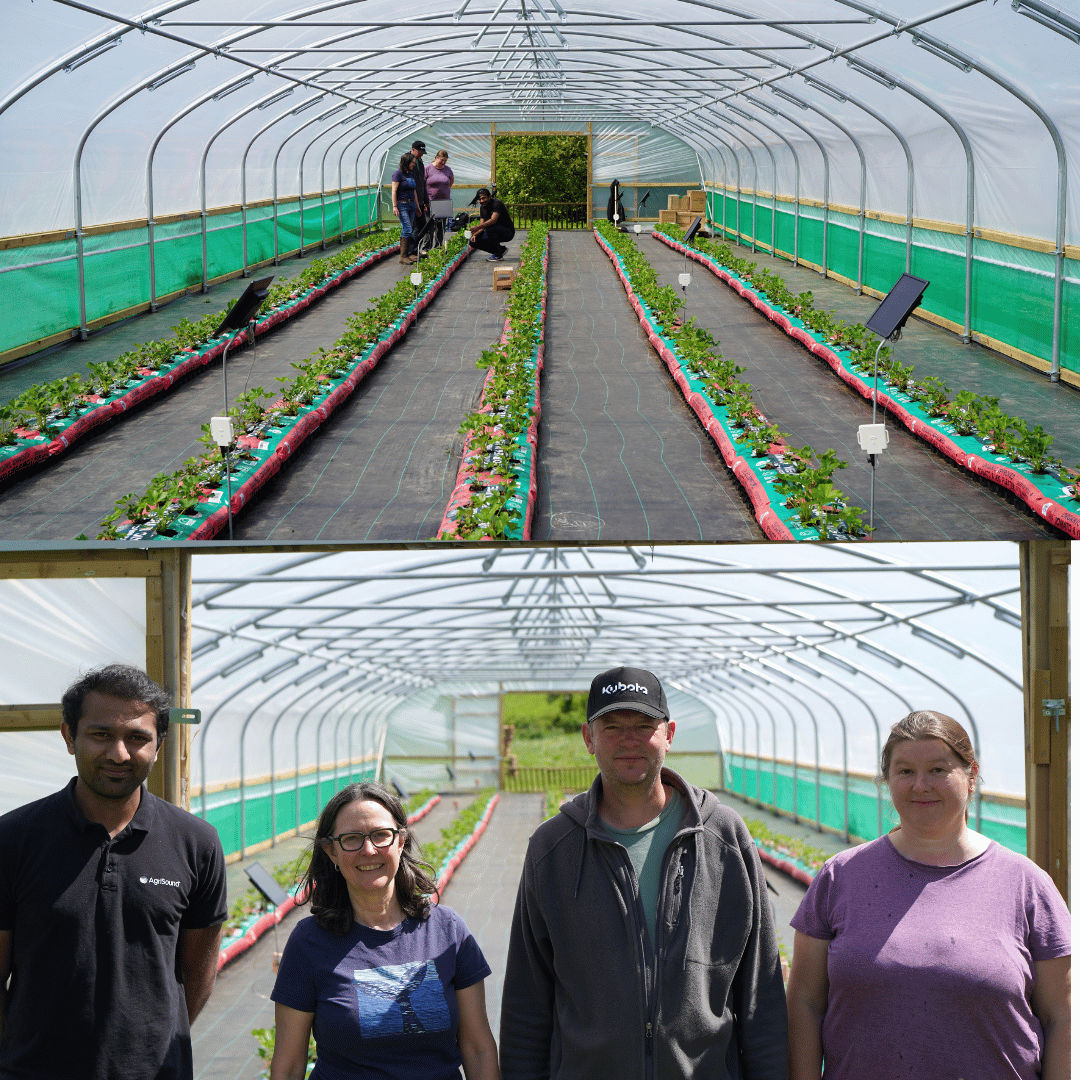
AgriSound Secures Funding for Groundbreaking Pollination Project in Strawberries