
Pivot into Agriculture
Technologies such as earth observation, data analytics, sensor tools, and the Internet of Things are driving the 4th global agricultural revolution.
To accelerate progress, agriculture needs to adopt and adapt technologies and tools from outside the sector – bringing fresh, new-to-agriculture innovation into the field.



Why look at the agriculture market?
- Agriculture could offer solutions to global challenges – such as providing sustainable and biodegradable materials, generating clean energy, capturing carbon, and providing nutrition as preventative medicine.
- Agriculture is one of the few industries that can go beyond even net zero – by sequestering carbon.
- The UK is in a revolutionary period of change as we transition away from land-size-based subsidies to ones supporting ecosystem services and positive environmental impact. We need new solutions for farming both productively and regeneratively.
- As of early 2025, The UK government has allocated at least £140million in funding, through bodies such as Innovate UK, to support innovation and development in agriculture-related technologies. £200million has been commited to the Farming Innovation Programme (this includes the ADOPT programme for testing new ideas on farm) to 2030 as part of the Sector Plan launched in summer 2025.
- In 2025, agriculture has been recognised as a Frontier Sector in the Modern Industrial Strategy, under Advanced Manufacturing; we wrote a story on what this means for agri-tech in practical terms
- Making an impact in UK agriculture can open doors to global markets, as many of the challenges faced here – such as climate change and labour shortages – are shared around the world.
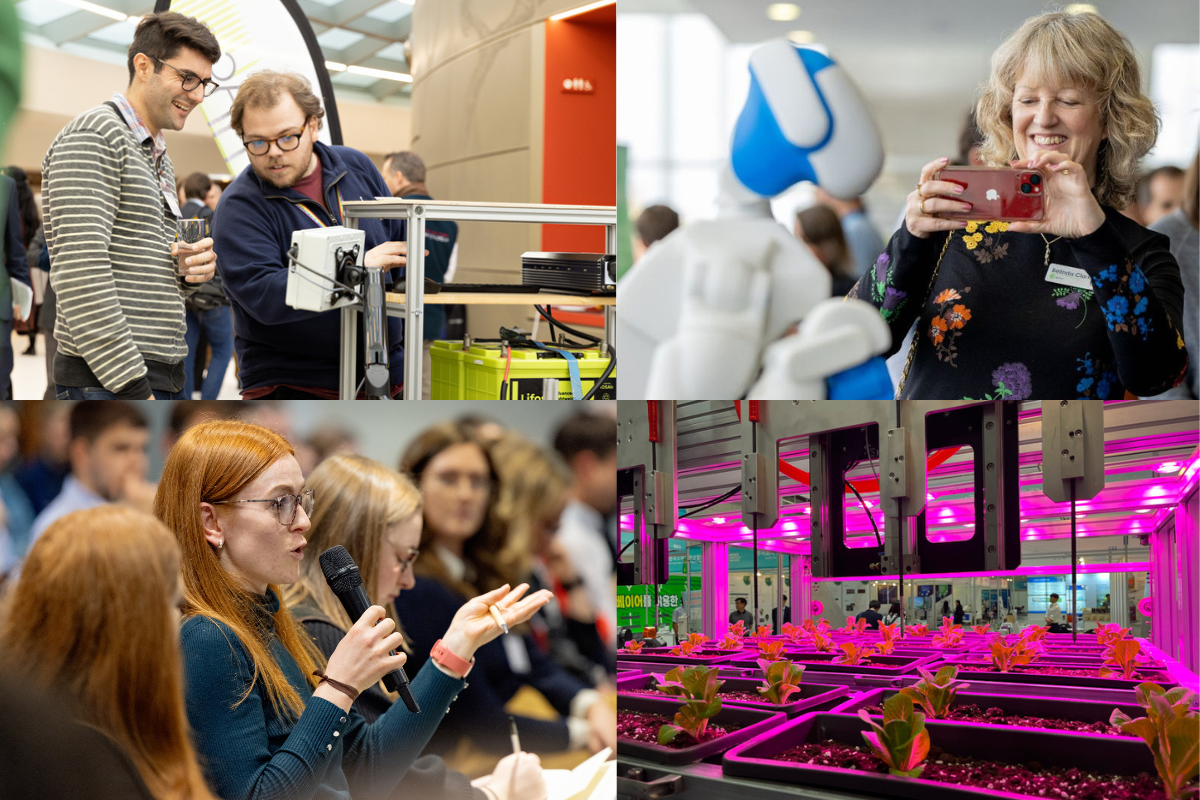
Enabling technologies for agriculture
Robotics
In industries such as manufacturing, robotics have significantly increased efficiency. Can these same technologies help tackle agriculture’s labour shortage? Farm work is highly seasonal, with many farms relying on just a handful of full-time employees to manage vast areas.
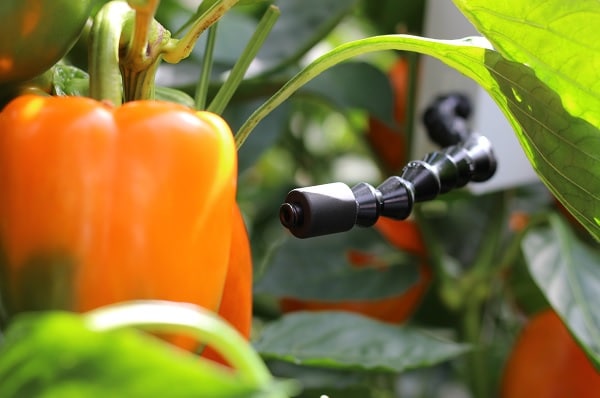
Can we use automation to grow more while reducing waste and energy use? This could be as simple as sensors for environmental monitoring to robotic systems for efficient harvesting and packing processes.
Read the report: Robotics and Automation in Horticulture, published by Defra.
Earth Observation
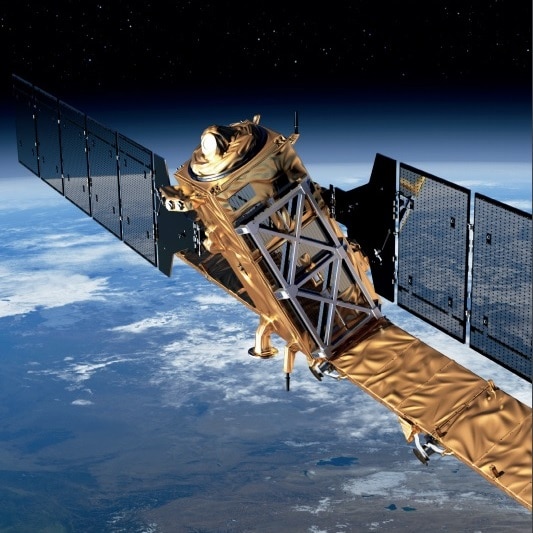
In sectors such as forestry and environmental monitoring, technologies like RTK (real-time kinematic positioning), UAVs and satellite imagery are already helping predict risks and optimise resources, with technologies beginning to appear in agriculture on farm machinery and for disease predictions. How can we integrate these technologies into agriculture for increased benefit?
Could new tools help us benchmark and measure improvements in environmental impact and carbon footprint over time, offering more reliable data and outcomes?
Read more about the impact of precision agriculture.
Biobased Materials
In industries such as construction and packaging, there’s increasing demand for sustainable, biobased materials. Can agriculture play a role here, both as supplier and consumer?
There’s a need to reduce single-use plastics in agriculture (for example those used to wrap hay bales or pest-protective covers) – could these be replaced with biobased alternatives? Agriculture could also be a source for providing these materials – such as hempcrete for buildings and tomato waste as packaging. Agriculture needs to collaborate with materials science to develop these products.
Clean Energy
Fuel and energy usage account for 13% of agriculture’s greenhouse gas emissions. In agriculture, tractors are still largely diesel-powered because electric alternatives currently lack the power to operate machinery for extended periods. Additionally, grain storage and drying demand significant energy.
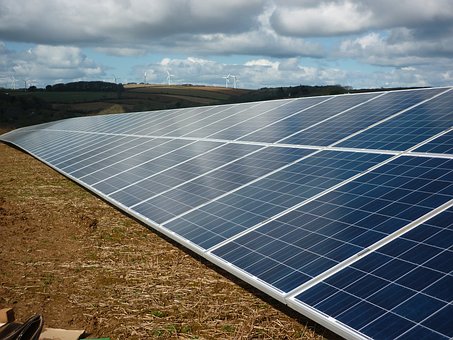
Many industries have already transitioned to more energy-efficient technologies. How can we optimise fuel and energy use by learning from other industries? What alternatives exist for diesel tractors? Could agriculture generate its own renewable energy on farm, or feed into the grid? What can we learn from sectors that have successfully reduced energy consumption?
Healthcare and Pharmaceuticals
With personalised medicine on the healthcare horizon, can we apply this to agriculture? Just as medicine is tailored to individual needs, could plant nutrition be optimised for each crop?
AI-driven drug discovery in the pharmaceutical industry is helping find new treatments for humans. Could AI help create new, more effective ways to manage pests and diseases in crops?
And just as food is increasingly recognised a a key factor in affecting human health, could we improve the nutritional content of soil and food to support better health outcomes?
Industry reports
The National Farmers’ Union (NFU) produced a vision for the 2040 Future of Food featuring technologies that could support that vision.
We took a look at the Innovate UK Welcome to the future: technologies that will shape the UK economy in 2040 and beyond report, through an agri-tech lens, featuring insights from Sagentia Innovation.
In 2024 we celebrated our 10th birthday; we spoke to our members to find out what changed in the past 10 years, and look at what we expect to see in the coming 10 years. You can watch videos on specific topics, or read the summary report.
This year GK Strategy have released a Policy Spotlight on the future of the UK food system, which also covers the opportunities (including those for technology) going forward.
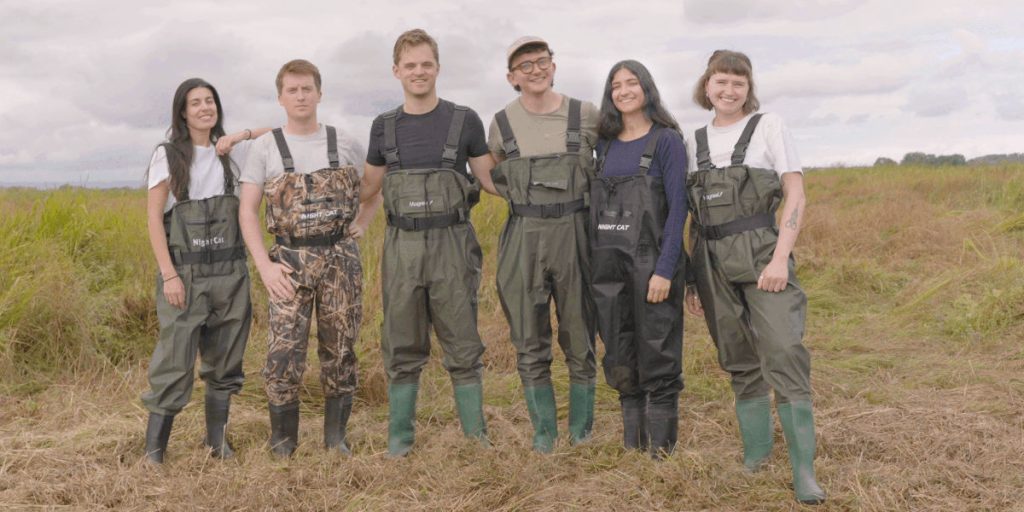
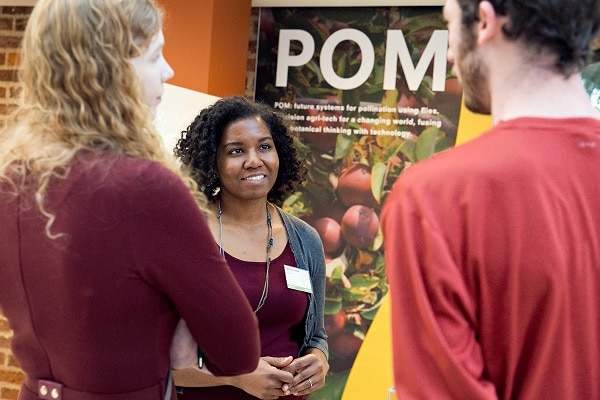
See below some of the companies providing agricultural-technology from other sectors – from the automotive industry to the Royal College of Art!

Engage with us
Sign up for notifications about Introduction to Agri-Tech, our annual one-day event designed to explore the agricultural market potential and drivers.
We’ll also give you dates for our Agri-TechE Meets series, inspired by agriculture’s inclusion in the Modern Industrial Strategy. These events will explore the exciting innovation opportunities at the interface between different sectors.
Book a 30 minute call with us, so we can talk you through our current initiatives for those new to agriculture and where to start.
With a broad membership base, we have diverse knowledge of different techologies and how they might be applied in agriculture.