Welcome to the future – are we nearly there?
 Agri-TechE
 As innovation management is risky and expensive, only technologies with significant commercial potential reach the market. Reviewing university research can provide an indication of what is in the pipeline, but it may be ten or even more years before deeptech reaches beyond proof-of-concept stage.
We asked Alun James, Chief Technology Officer at Sagentia Innovation, to review some of the current blue-sky research to see if it has applications for agriculture.
Sagentia Innovation agriculture and agri-tech consulting helps businesses navigate the “fourth agricultural revolution”, fundamental changes powered by digitalisation, data, and biotechnologies so Alun is well placed to provide an industry perspective.
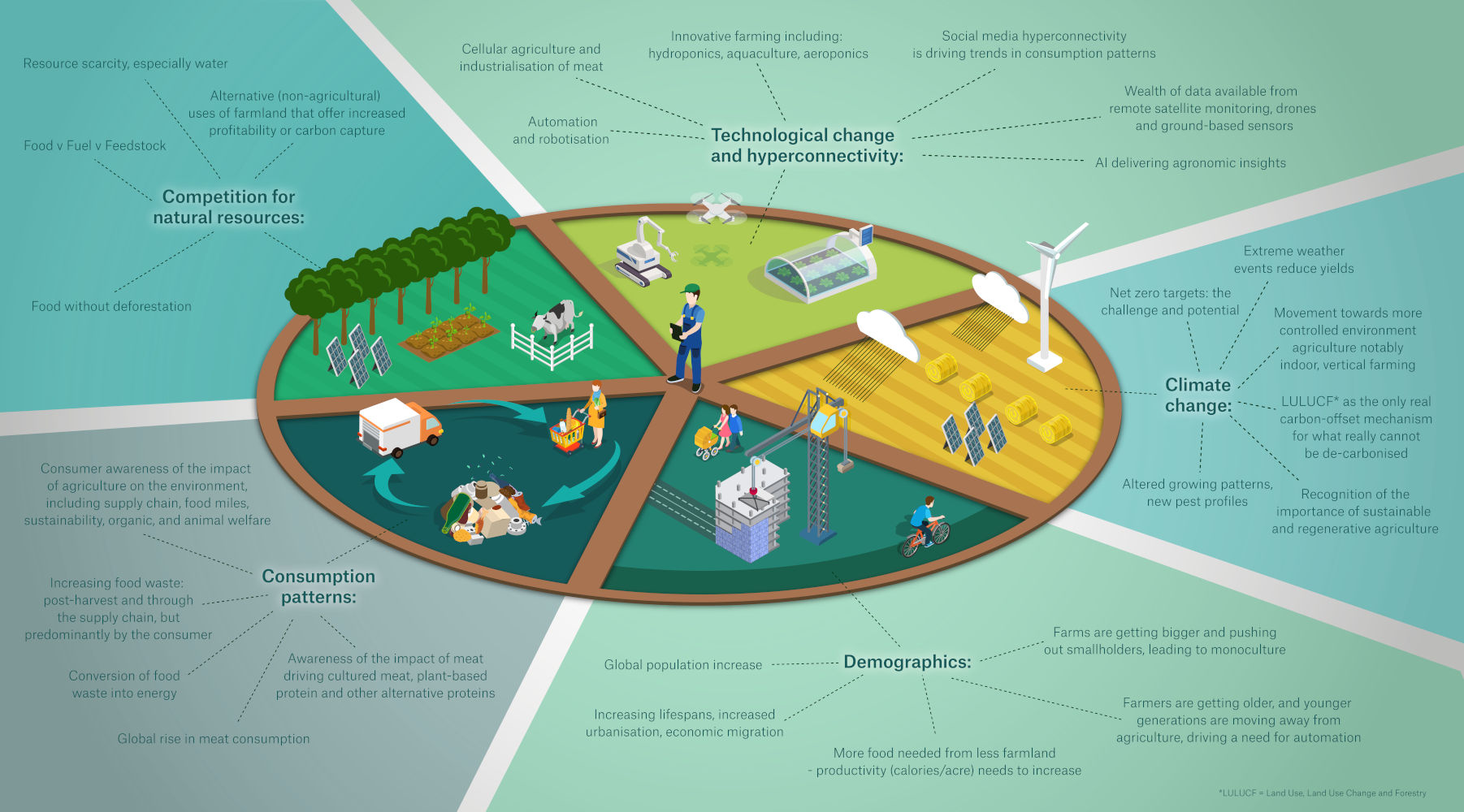
[from sagentiainnovation.com/insights/agri-tech-trends-challenges-and-considerations/]
Future solutions to current challenges?
Blue sky research is to explore new technologies and gain learning points – it is not intended to be commercially viable.
Innovate UK reviewed its research portfolio to produce a report ‘Welcome to the future: technologies that will shape the UK economy in 2040 and beyond’. although not specifically about technologies for the agrifood industry, we thought that some of the research projects mentioned in the report sounded exciting and might potentially provide future solutions to current challenges in the industry.
We selected four technology areas and discussed their potential applications with Alun James of Sagentia Innovation.
- gridscale wireless energy transmission;
- DNA data storage;
- Novel immersive surfaces;
- Biocatalytic membranes;

Alun is familiar with many of the technologies in the report, and as he is part of a team with cross-industry experience with experts across a range of skills and disciplines, from applied science to advanced engineering.
We asked him about the potential future applications of the research topics mentioned in the report to agrifood.
Game-changers in agrifood
First, he made a couple of observations: “Reviewing the technologies in this report, there are few that are real game changers for agriculture, beyond those that we are seeing already such as advanced breeding.
“Technologies do take time to mature, so if you wound the clock back five or even ten years many of these technologies would still have been in this report. The question is: why haven’t they matured? Is it because there is limited commercial value? Or perhaps a socioeconomic change is needed to enable the technology?
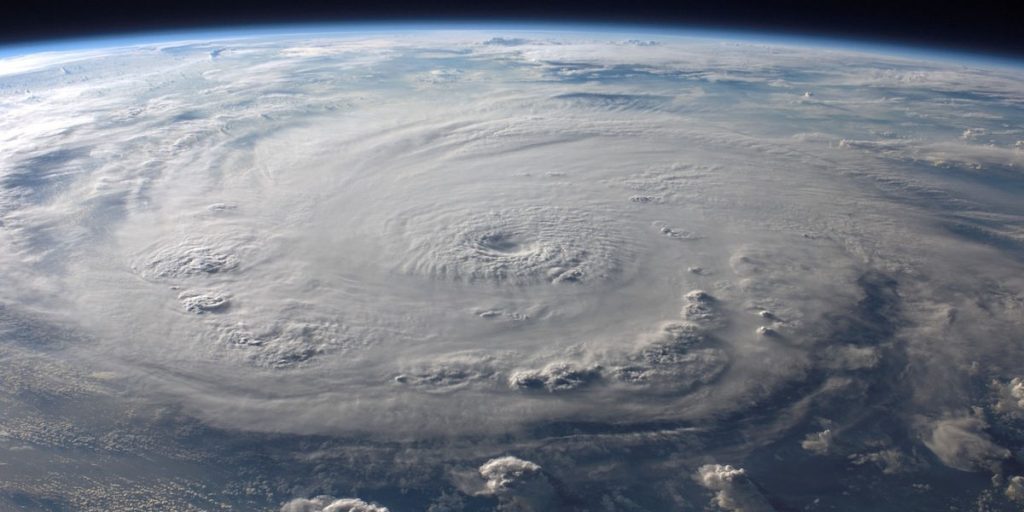
“Looking to the future, arguably the technological development that would make the greatest impact on farm productivity is greater accuracy in the long-range weather prediction; we have already seen the benefits of hyper-local weather reporting to support decision-making, and being able to plan crop selection according to the weather would be revolutionary. Sadly, this is probably unachievable as weather is a chaotic system that is impossible to predict.”
Reviewing the technologies in the report
We asked Alun to lower his aspirations and consider potential agri-tech applications for some of technologies in the report. However, in many cases, Alun suggested that nearer-to-market technologies could offer solutions to current challenges in agriculture.
Gridscale wireless energy transmission (p21)
Gridscale wireless energy would enable electric power to be conveyed safely without cables, potentially providing a step-change in the way electronic devices are used in the field.
A major limitation of the use of agri-robotics is their energy usage and need for recharging. We asked Alun if gridscale wireless energy transmission would offer the potential to get power anywhere on-farm, and, conversely, enable alternative energy generated on-farm to be relayed to the grid?
He explains that the technology has specific applications: “I use a wireless charger pad for my iPhone as it is convenient, but this is a short distance and wastes energy. Beaming energy across a farm would fry anything in its path. The technology is used by the British Navy to detect ships, but ‘microwave antennae’ are highly dangerous and are known to kill a few seabirds.

“It is possible that charging pads for agri-robotics might be a future application, but I think it is unlikely that microwave technology will be the first choice for this.
“Autonomous electric vehicles in general are an area with potential. We are seeing technologies proven in other areas becoming de-risked and falling in cost, and this will make them more accessible for farmers.
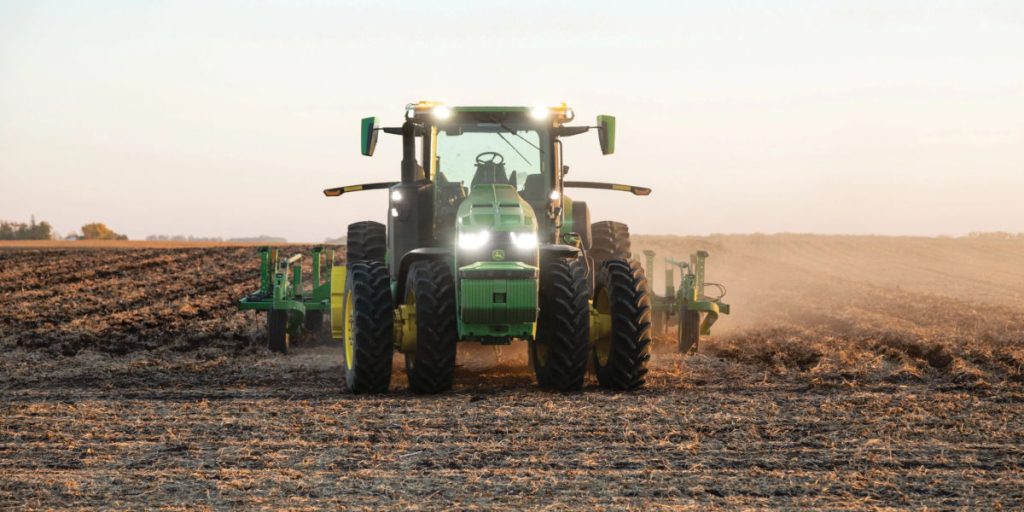
“An interesting insight into the future is the John Deere partnership with Starlink to develop electric, autonomous tractors. Assisted steering has been revolutionary, but totally autonomous vehicles? I think the jury is still out.”
Digital technologies (p10) such as DNA Storage?
One of the major issues with precision agriculture is the need to store and process massive amounts of data. The report suggests that DNA storage provides a potential solution – encoding data to synthesised strands of DNA.
Does this have the potential to overcome the physical limits of computing hardware or are there better options for storing zettabytes of data closer to market?
Alun considers the question and suggests that there are two parts.
“The technology does have the potential to store phenomenal amounts of data, but the application is more likely to be in long-term archiving in other fields, such as medical science where vast data sets are needed to gain an understanding of genes for personalised medicine.
“The agricultural challenge is local storage and processing power. The streamed data is often visual imaging coming from cameras. Other technologies available now, such as edge computing, can analyse the data near the source and just keep the results – converting gigabytes of raw data into kilobytes of useful information. These alternative approaches would be more valuable on-farm.”
Novel Immersive interfaces (p11)
Augmented reality enables real and virtual worlds to be blended. Digital twin technology is already being used in agri-tech to model different scenarios; would novel immersive interfaces have potential to make this more accessible when in the field?
“Current applications for this tech include heads-up displays in cars that project speed etc onto the windscreen,” Alun observes. “There is potential to use the tech when it falls in cost to provide the tractor operator with alerts – you are ploughing too deep, a spray nozzle is blocked – however, the challenge is still how to provide this information without making the human feel ill.”
Biocatalytic membranes (p26) – membranes that can remove pollutants
Water is a major limiting factor for agriculture – would these membranes enable brackish, saline and grey water to be used for irrigation? How far away from market is this technology?
Alun considered the question: “This technology has the potential to be very useful for removing pollutants and bacterial contaminants from water for humans in drought areas.
“There is also an opportunity to gene-edit bacteria to create byproducts of commercial value. This has been seen with the use of algae to remove nitrates from water and create proteins. “I don’t think agriculture will be the leading application for this technology, but it would benefit from its development in other spheres.”
What is the future for agri-tech – high-tech or frugal?
We put to Alun that it is possible to make precision farming ever more high-tech using increasingly sophisticated ways to use data, create synthetic versions of real-world processes, and utilise alternative methods of energy production.
An alternative would be to better understand the natural world and work with it regeneratively to feed the soil and use water smartly. This would require creating light-weight automation, and widen the diversity and resilience of crop plants.
Where do you think the balance should be?
Alun considers: “I would hate to think we had to choose between one or other camp. We will always need to ground-truth, and I think we are a long way from farming entirely from a computer, if that was ever a goal – farmer intuition and knowledge is invaluable.
“Food security is a pressing issue, and although population growth may be slowing, the land available for food production is finite and under pressure from climate change. New solutions and fresh thinking are required.
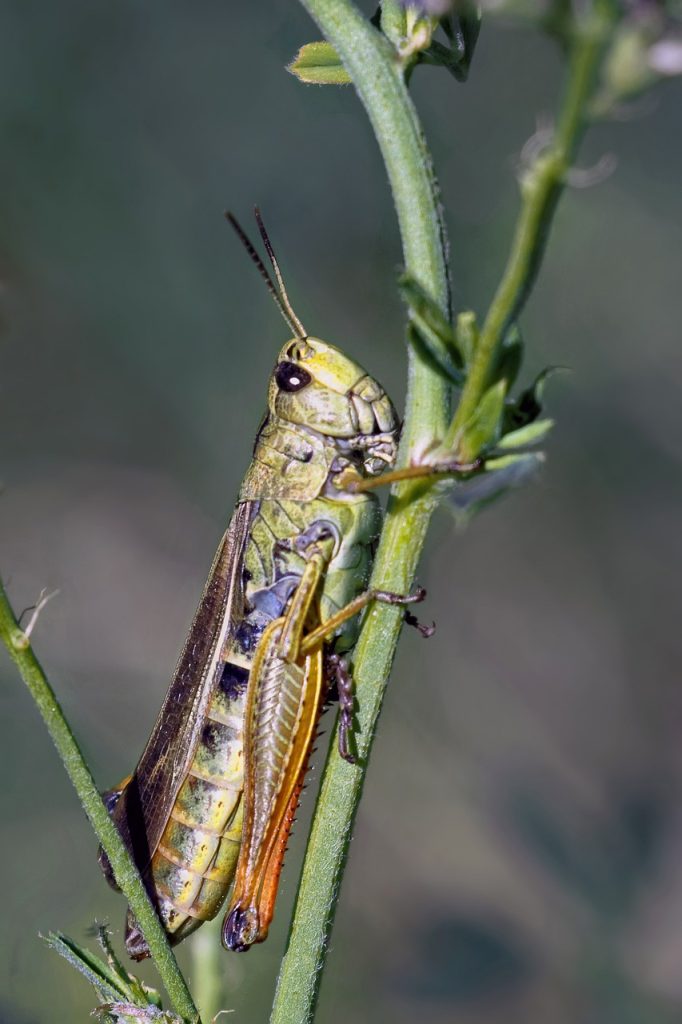
“Perhaps insects are the future! They have an ick factor, but we eat prawns, and they consume detritus on the ocean floor.
“Perhaps the answers have been here all the time – we just need to know where to look.”
Read the report: ‘Welcome to the future: technologies that will shape the UK economy in 2040 and beyond’.

Post Overview
Agri-TechE Related Posts

Looking after lone workers with world leading technology in the UK

The future of AI in agriculture: the keynote address at REAP 2024
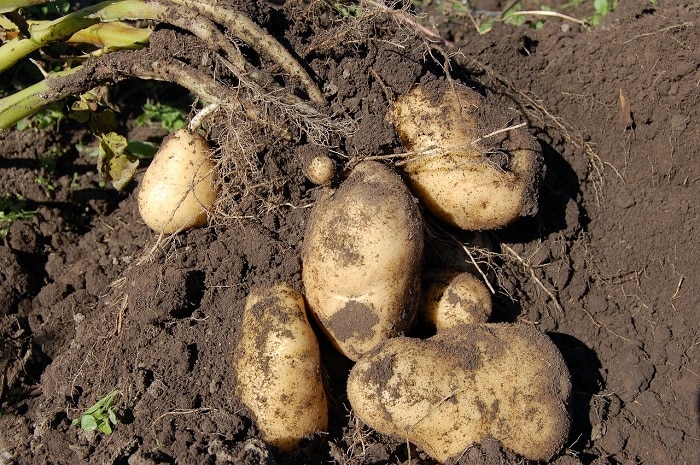
Sharing knowledge helps potato industry rise to storage challenge
#ATW21 Monday: Precision Nutrition

Digital Sprint to support greener future post-COVID