We reveal the Top Eight Innovations in the REAP 2025 Start-up Showcase
 Agri-TechE
 The annual Start-up Showcase at REAP is back to highlight innovative new technologies for the agriculture. The 2025 line-up offers a diverse selection of farming solutions, including those focused on soil health, mapping, sustainability, and AI software.
With eight early-stage ventures eagerly presenting their ideas, the audience saw innovative technology across farming sectors, each committed to addressing the challenges faced by the industry.
What advantages might the 2025 Start-up Showcase offer in the coming years?
Tune into life broadcasting below ground
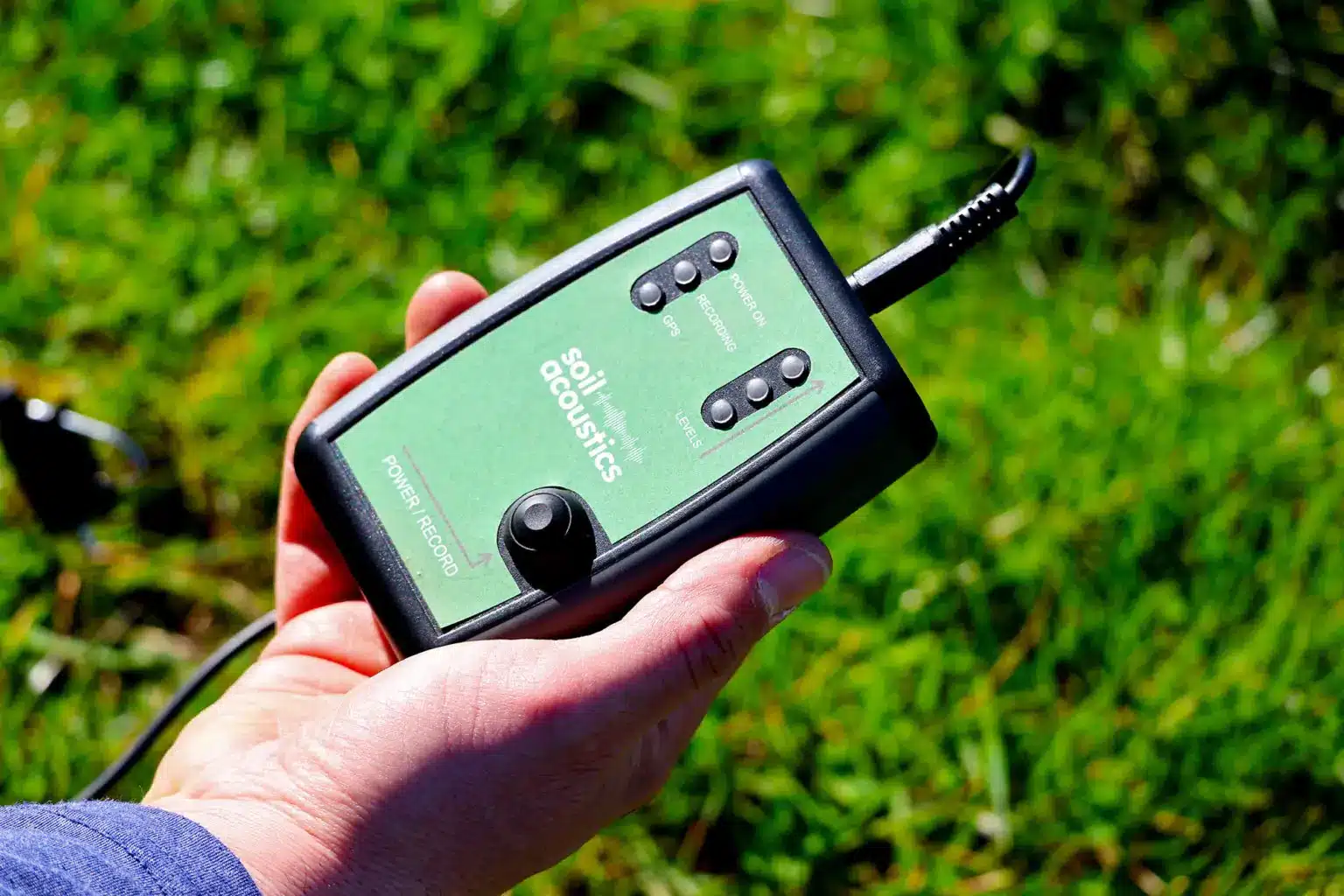
“A healthy soil is a noisy soil,” according to ecologist and Soil Acoustics founder, Andrew Baker. Soil Acoustics brings the well-established ecological monitoring principle of ecoacoustics to the world of agriculture.
Developed following DEFRA Farm Improvement Programme funded research with the University of Warwick, their device uses a probe to record underground movement and analyse the sounds made by soil-dwelling creatures. The result is a rapid, three-minute soil analysis sample – a sharp contrast to traditional worm pits take up to 20 minutes to dig and assess.
Baker says, “A healthy soil is noisy because it has lots of invertebrates moving around. We are measuring this biological diversity of activity using sound as a proxy for soil health.”
“During the research and field trials, we built a substantial database of soil sounds, now over 5000 samples world-wide,” says Baker. “Using that, we’ve created a soil acoustic quality index – an initial metric – to help farmers understand biodiversity levels at their site.”
The technology is already being used to monitor soil health and regenerative practices, with future applications in early pest detection and species-specific acoustic tracking.
Soil Acoustics

Could bacteria-powered batteries be the most practical on-farm renewable yet?
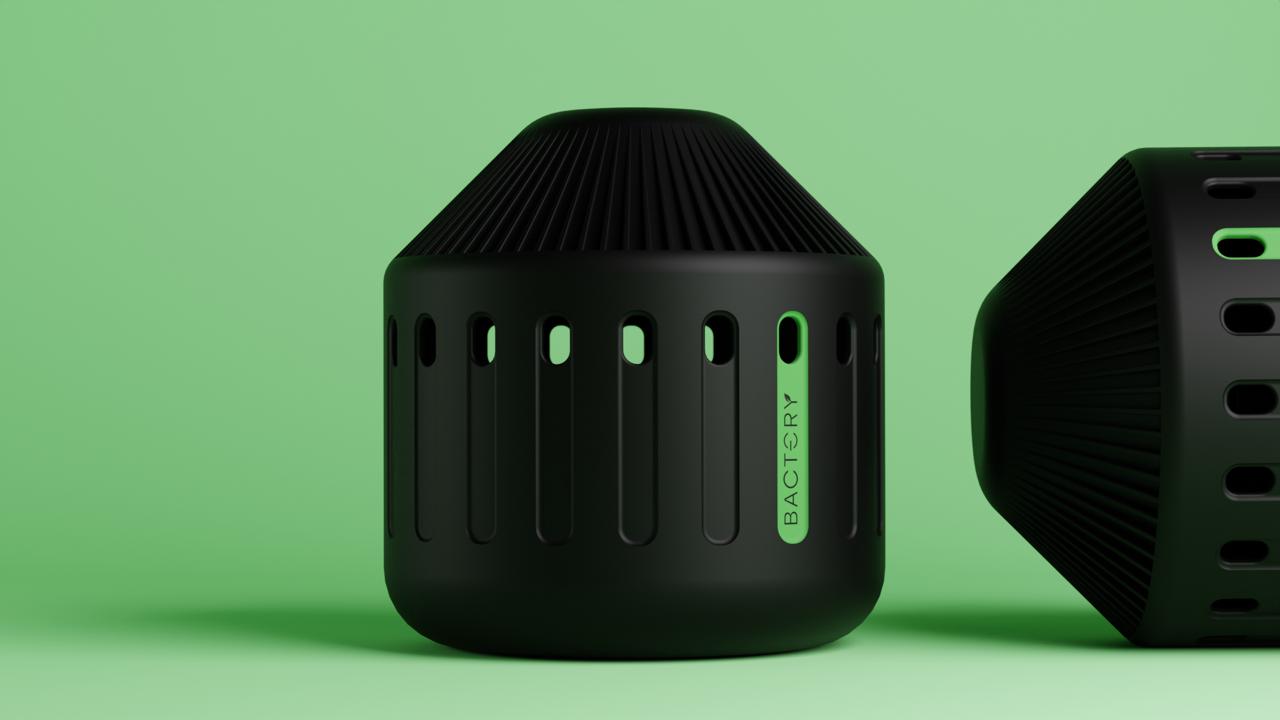
A six-inch box filled with soil might not look like the future of on-farm energy generation, but that’s exactly what Jakub Dziegielowski, founder and CEO of Bactery, is betting on.
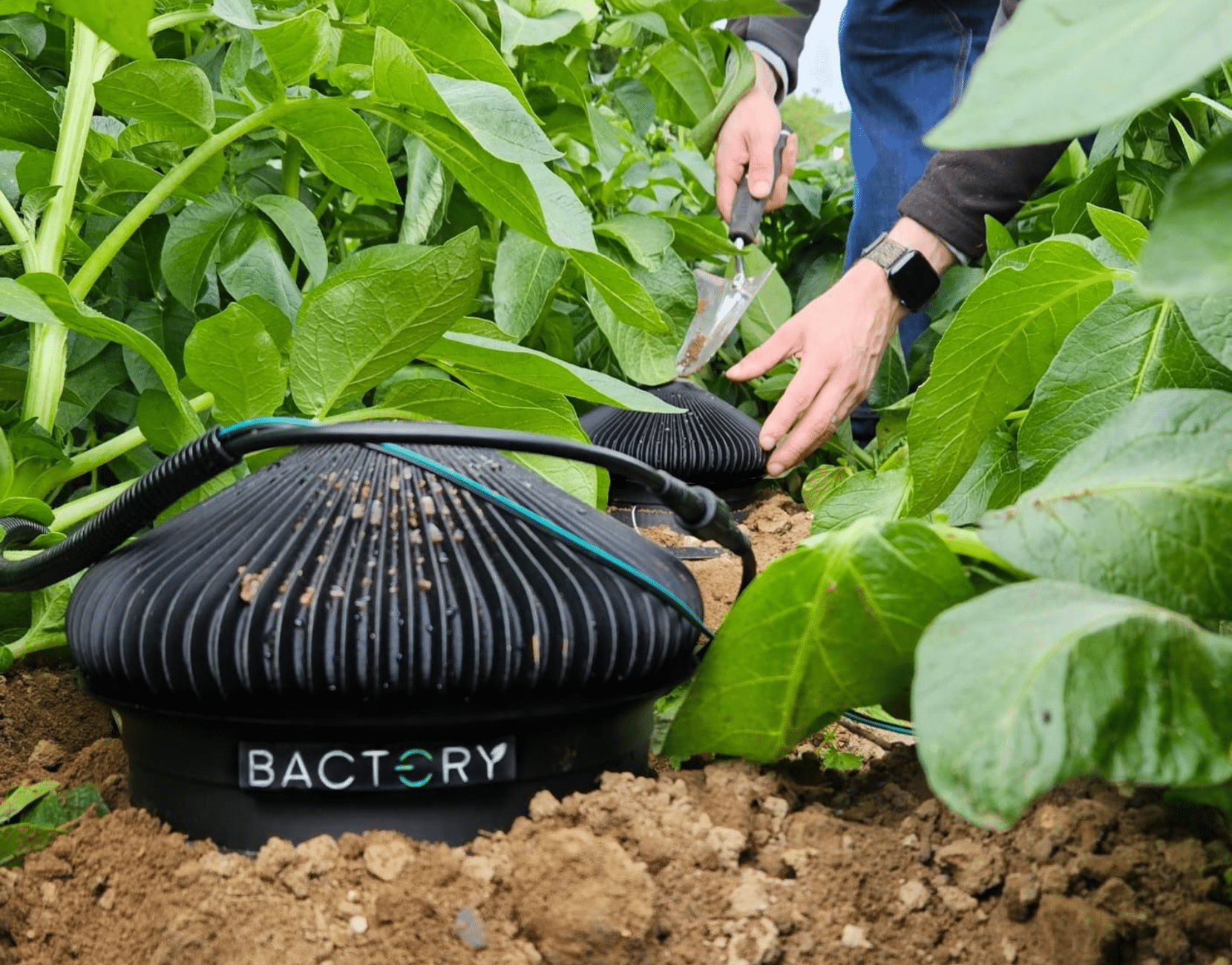
Developed after his chemical engineering PhD at the University of Bath, Dziegielowski has developed a soil-powered device that captures electrons released by naturally occurring soil bacteria to generate electricity.
With an anticipated lifespan of 30 years and measuring just six by six inches, the battery device is low-power, low-maintenance, and designed to sit quietly in the ground offering a low-profile alternative to weather-dependent renewables. It’s built for “install and forget” functionality, ideal for powering sensors, valves, and other digital infrastructure in remote or hard-to-wire locations.
“To give perspective,” says Dziegielowski, “that unit in a year generates the amount of energy stored in about 10 of your standard AA batteries. But in the lab, we’ve already built a version six times more powerful – enough to drive lights, irrigation valves, and even heavier-duty applications. In Brazil, for example, we built a soil-powered water purification system for a remote community.”
With trials underway and a hopeful commercial launch planned, Bactery offers a new route to decentralised, soil-based energy, and a fresh angle on what farm infrastructure could look like.
Bactery
Satellite tech targets nitrogen timing
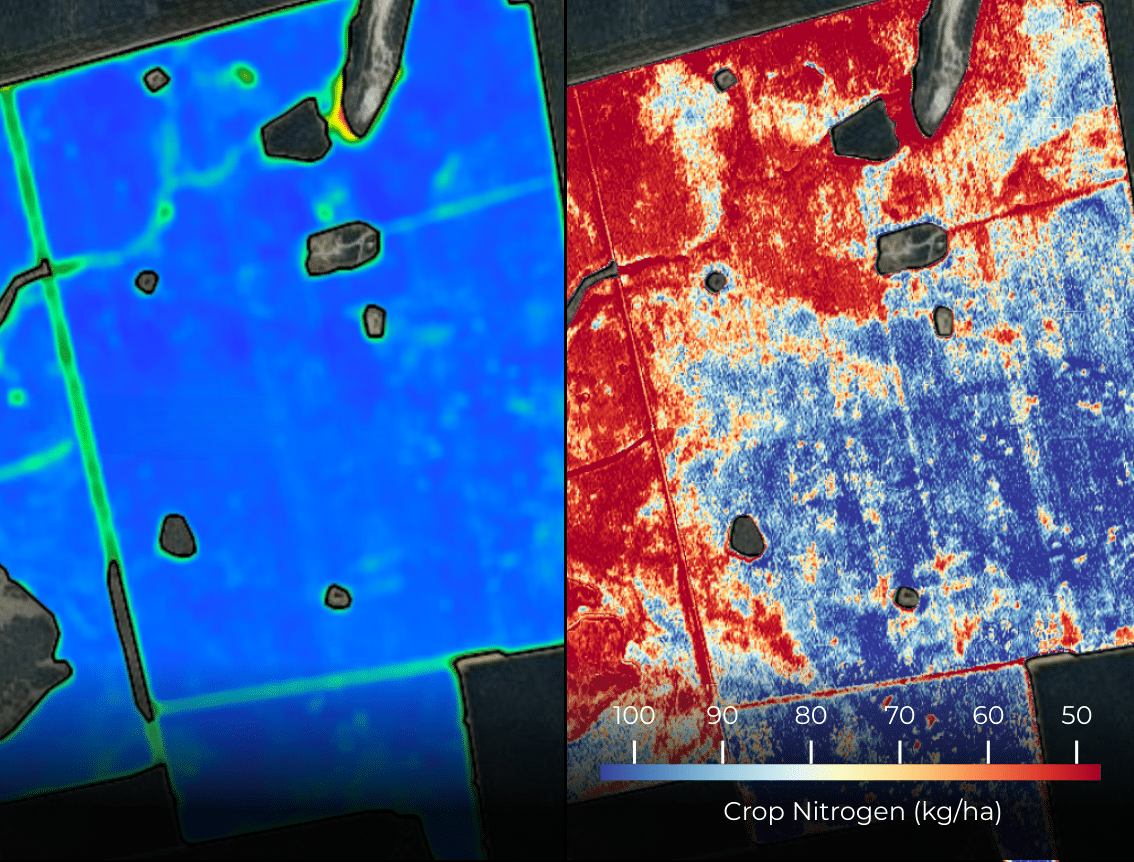
Messium, co-founded by George Marangos-Gilks and Vishal Soomaney Vijaykumar, is using a hyperspectral satellite to track nitrogen levels in crops, offering farmers a way to reduce waste, improve timing, and increase yields.
“The problem” says Marangos-Gilks, “is that a lot of the time, farmers are applying when the crop already has lots of nitrogen in it. Not when the crop is getting deficient.”
Unlike current mapping systems, Messium’s technology can assess the size of any crop to determine whether it is under- or over-fertilised. “We’re using a new type of hyperspectral satellite that understands nitrogen in crops for the first time ever,” says Marangos-Gilks.
The system helps pinpoint when nitrogen should be reapplied for optimum absorption and efficiency, avoiding the common problem of applying too early or too late, which can stunt yields and reduce profitability.
Already working with farmers across the UK, Europe, and North America, Messium is preparing for commercial rollout in partnership with Hutchinsons, Frontier, and AgroVista.
Messium

What if AI did the work, so you don’t have to?
AI is changing the landscape across many industries, and agriculture is no different. Built to help farmers navigate funding, Alexandra Simmons, co-founder of Oko Ag, has designed a tech platform which makes search processes quicker and easier.
Simmons says, “We are looking to simplify how farmers and advisors find, plan and manage ag funding. We’re doing that by building a search platform, centred around a conversational AI, to help people navigate their options and is linked with a set of digital tooling to help them design schemes and manage them”.
“Think WhatsApp meets Google for those who don’t understand ChatGPT and have not yet used the idea of conversational AI.
“But instead of having to search through pages and pages of PDF documents and various websites, you simply ask Oko what you’re looking for. So, whether you’re looking for what government funding you can use to reduce flooding on your land or if there’s any cash available to help you diversify and put solar on, Oko does the research.”
“The previous system required farmers to create their own spreadsheets, download these PDFs, and read through and highlight different options that they found interesting. We’re automating a lot of that. So, you can simply click on a field and see immediately what you can and can’t do”.
After launching a prototype in March, the team hopes to go live this winter, ahead of the anticipated release of Government incentives next summer. In 2026, the team aims to implement a subscription plan that allows farmers to browse their directory, access real-time planning tools, efficiently plan and apply for funding, and estimate their potential earnings.
Oko Ag
Magnificent men and their flying machines
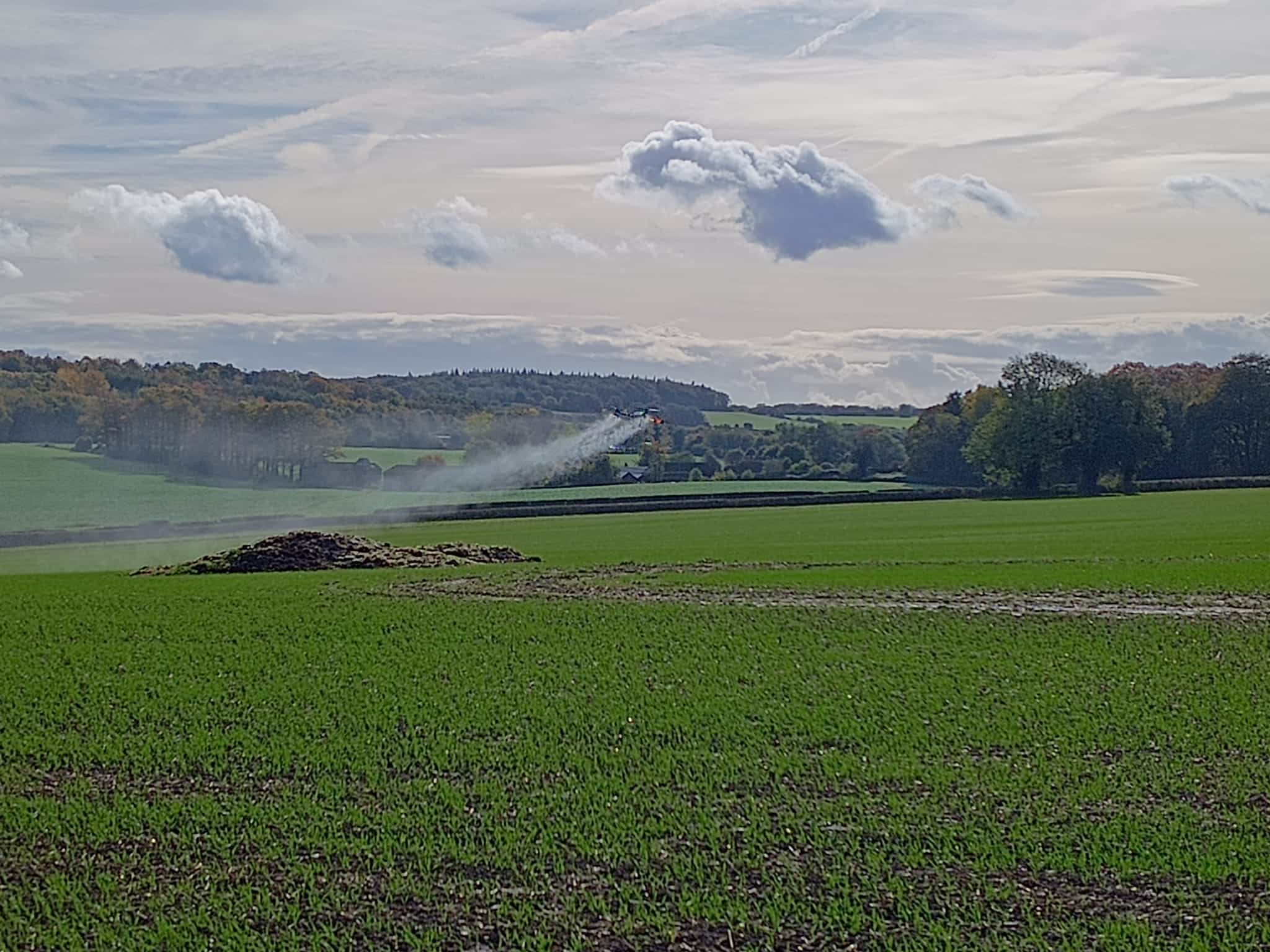
With 25 years of sugarcane farming in South Africa and nearly a decade of drone spraying experience, Kim Hein is now bringing his expertise to the UK as Drone Operations Manager at SwarmOps.
Hein explains: “Although there are major differences in the UK agricultural sector, our experience translates.”
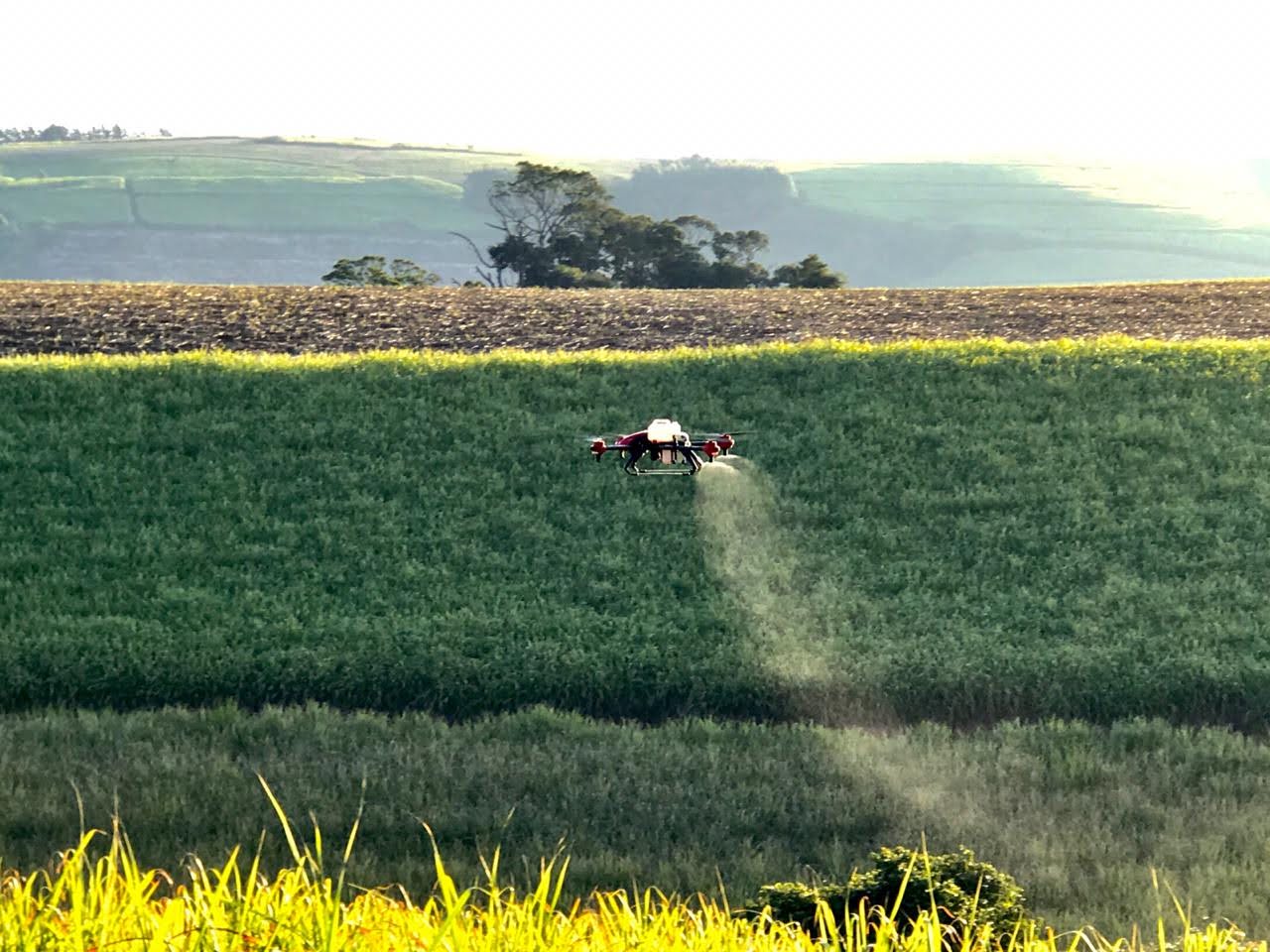
SwarmOps offers drones that do more than fly – they map, spray, spread, and seed. Each drone carries up to 60 litres of liquid per arm and is built to handle wet weather, avoid soil compaction, and deliver targeted spraying with minimal waste.
The drones also work in conjunction with a mapping system. Mr Hein says, “Once you’ve done all the mapping and you’ve set the parameters, it really is a click and go system.
“The drone looks after itself in terms of its battery capacity, marks its endpoint in the field, returns home for a change of batteries and a refill of the tank. You simply re-click the task and resume, and off it goes again. An almost completely automated process”.
SwarmOps is one of the few UK companies authorised by the Civil Aviation Authority for UAV crop spraying. Their drones are already being used for pest and disease control, fertiliser distribution, and cover crop seeding, with growing interest from regenerative farmers, land managers, and environmental stewards.
SwarmOps
Translating microbes into management advice
“Support farmers and agronomists’ decision-making with soil biological data.”
That’s the mission behind a new machine-learning model that decodes the microbial signals in soil, helping farmers and agronomists make smarter, more targeted decisions.
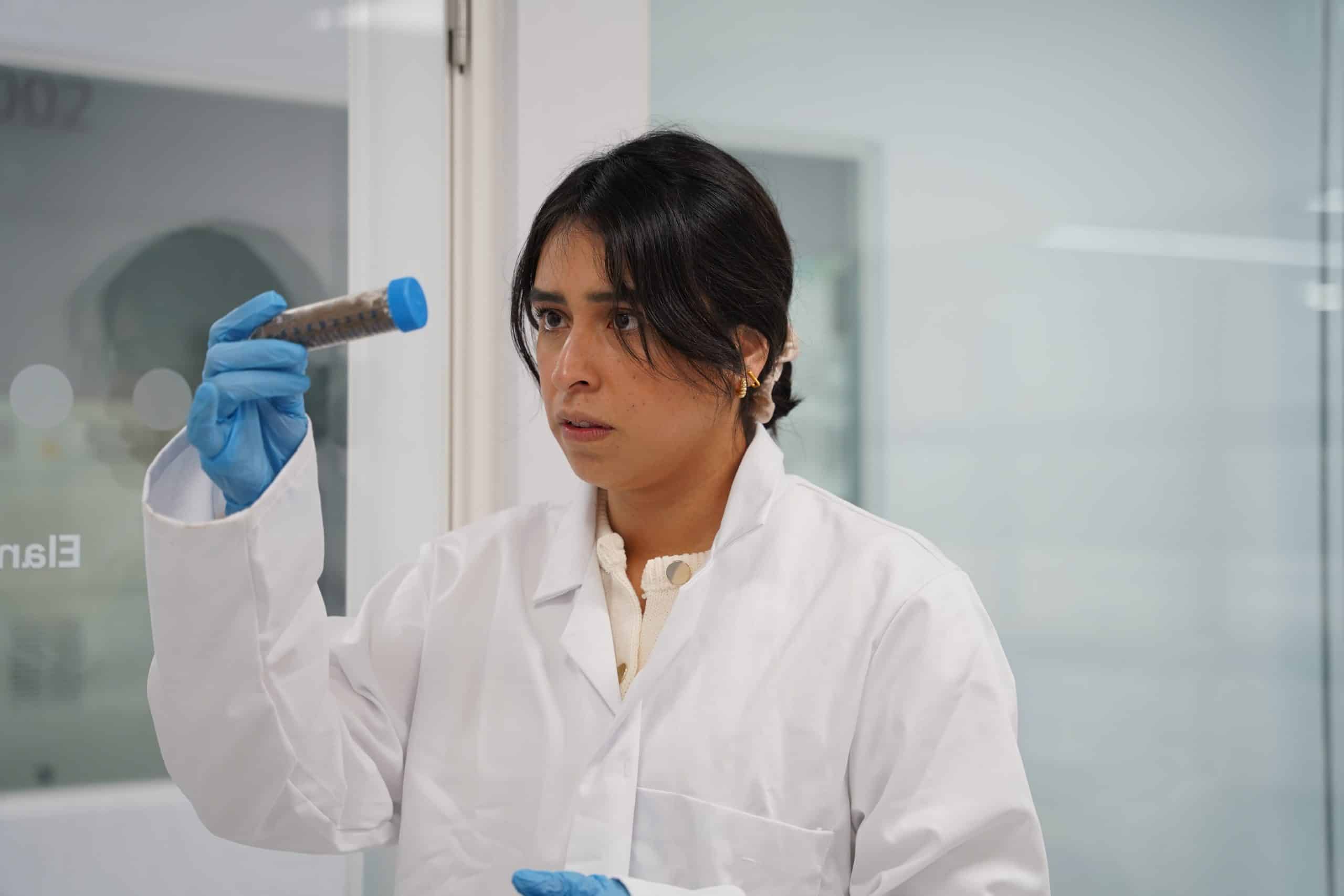
Starting just three years ago, after the Carbon 13 program in Cambridge, Scott Jarrett and his co-founder combined their agricultural, commercial, and computer science skills to find new solutions for soil biology to create Elaniti.
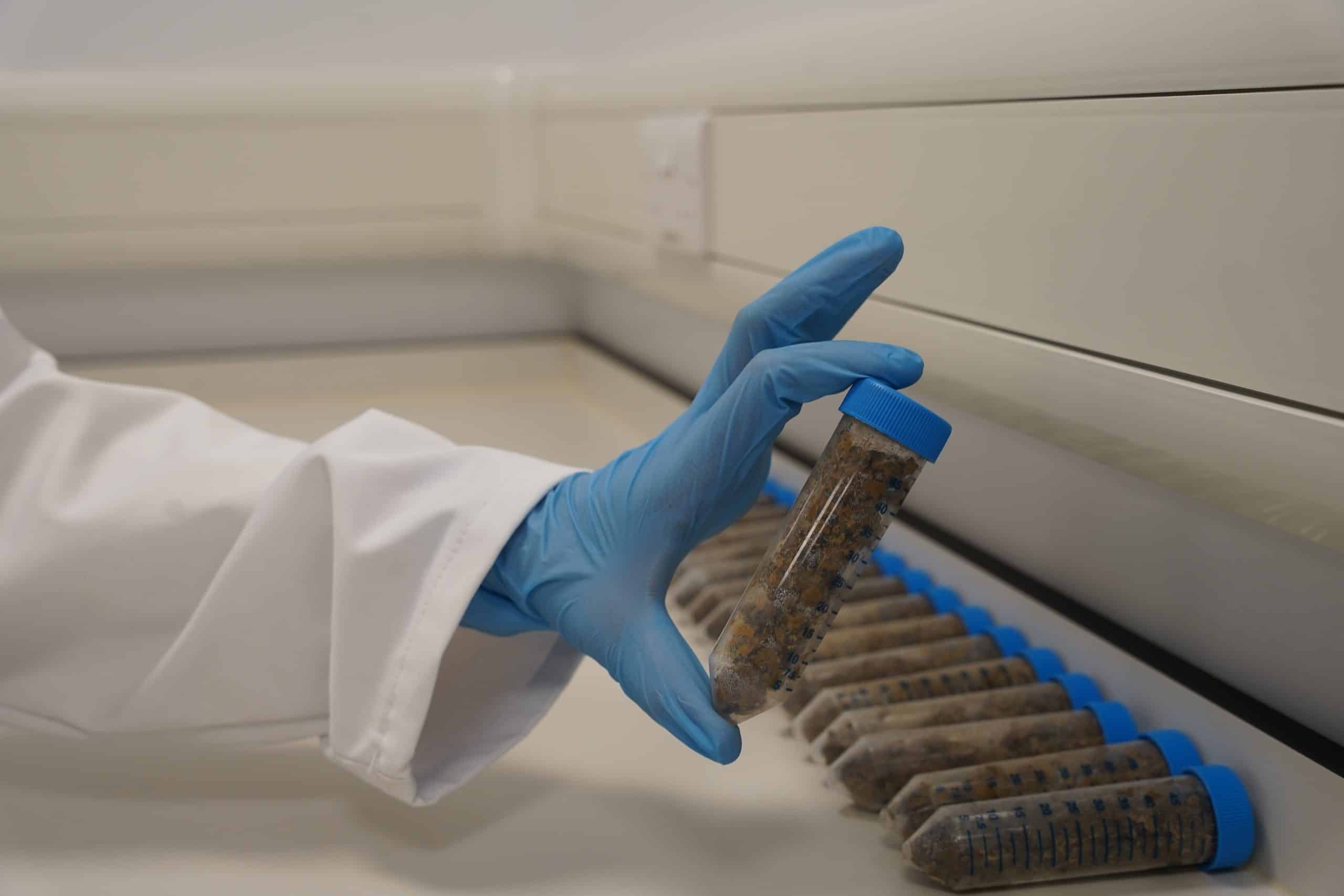
“We contextualise data,” says Jarrett. “Soil biology in and of itself isn’t necessarily that useful. But when you associate microbial data with soil nutrients, weather, input regimes, and farm management, you start to see how it drives outcomes like yield, nutrient use efficiency, and disease expression.
The technology is designed to be simple, utilising soil nutrient tests and analysing their soil biology in the lab. Once analysed, the results are shared with the farmer/agronomist as a soil functionality assessment, ‘Soil Diagnostics’, flagging disease risks, guiding variety selection, and helping agronomists fine-tune nutrient and disease management plans throughout the season.
“It’s about steering the microbiome in the right direction,” Jarrett explains. “If you know your soil’s disease risk profile, you can choose a more resistant wheat variety. If you understand nutrient dynamics, you can reduce fertiliser use and focus interventions where they’ll have the most impact.”
Elaniti is currently in partnership with Bayer across several European countries and is working with distributors to prepare for UK release.
Elaniti
Soil capsules – quite literally groundbreaking
Around 40% of the earth’s soil has been degraded, with a track to degrading 90% says engineer Lu Afolayan, who is on a mission to support farmers in regenerating the land where extreme weather and prolonged soil wetness has accelerated compaction and prevented machinery use.
Starting at Imperial College London, Lu co-founded Aeropod, climate-responsive soil aeration capsules that activate when soil reaches a critical level of compaction and moisture.
When aeropods are triggered, they aerate and enrich soil, breaking through compaction and restoring oxygen flow, and fully biodegrading to release materials that support healthy soil biology. It’s quite literally groundbreaking.
Climate-proof and time-staggered, farmers plant them once with seeds, and they work all season. The simple process ensures savings on costs, diesel, labour and machinery, Lu says.
Over the next year, the company will conduct on-farm UK trials to collect commercial data to support its ongoing efforts, and Lu is passionate about connecting with more like-minded people.
“Aeropod was created with farmers in the 1st place, and we want to keep that going.”
Aeropod


Tesco T-Jam winner to speed up pathogen testing
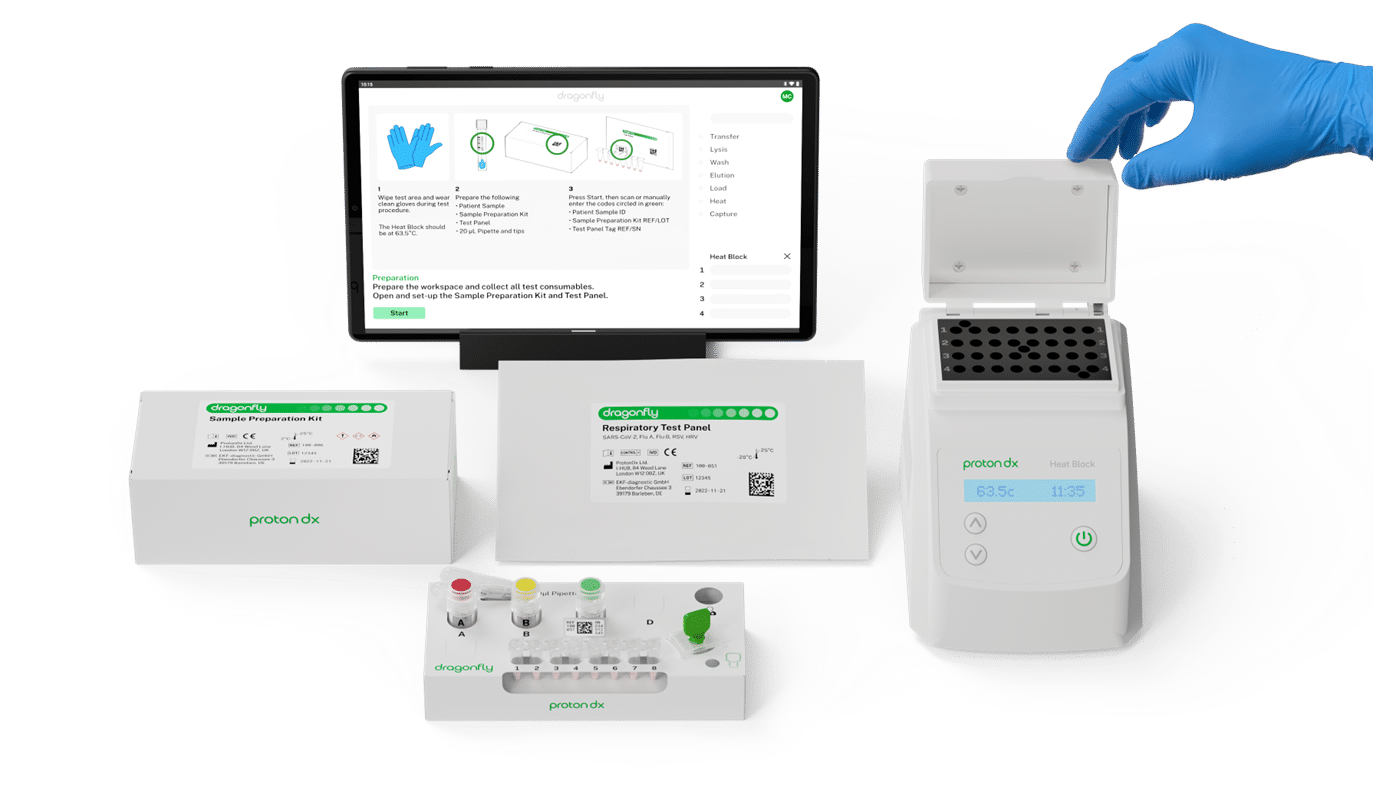
As this year’s Tesco Agri T-Jam winners, crowned from 130 applications, ProtonDx’s Bob Enck and Elliot Quigley are aiming to supply livestock producers, veterinarians and farmers with rapid portable tests to detect infections in livestock and poultry.
Originating as an Imperial College London spin-out and initially operating within the human health sector, the company employs laboratory quality diagnostic results to identify multiple pathogens in a single test – from virtually anywhere.
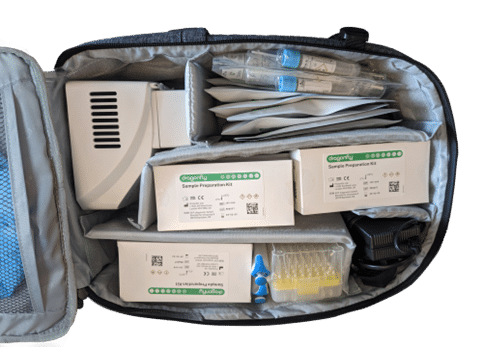
Currently, the UK relies on veterinary practices to send samples to a centralised laboratory, which can take about two weeks for vets, producers and farmers to receive results. Dragonfly, ProtonDx’s rapid, portable, molecular platform, provides results in just 30 minutes without leaving the farm.
“That delay in timing is a challenge. To provide an answer, pen side, nearly immediately is innovative for the industry and offers a tremendous amount of value,” says Bob.
“Our tests can handle the extreme temperatures and weather that we have in the UK. Whether it’s Scotland in the winter or southern England in July.” Plus, Dragonfly tests are produced and manufactured in the UK.
Over the last twelve months, ProtonDx has closed several significant partnerships and has recently been awarded a multi-million-pound farming grant.
Going forward, the ProtonDx team is launching their first farm-ready PRRSV and Swine Influenza test and continues to develop tests for a variety of other pig pathogens, as well as expanding to additional livestock species, including tests for other flu strains. They are seeking partners in the cattle and poultry sectors to mirror their work from the pig sector.
ProtonDx
Post Overview
Agri-TechE Related Posts

CROPROTECT App provides decision support for crop protection

Soil-For-Life helps farmers prioritise interventions
Reed bed creates sustainable source of water for veg

A few minutes adjusting tyre pressure can improve a crop

How open collaboration in agri-tech could help solve the farm profitability puzzle