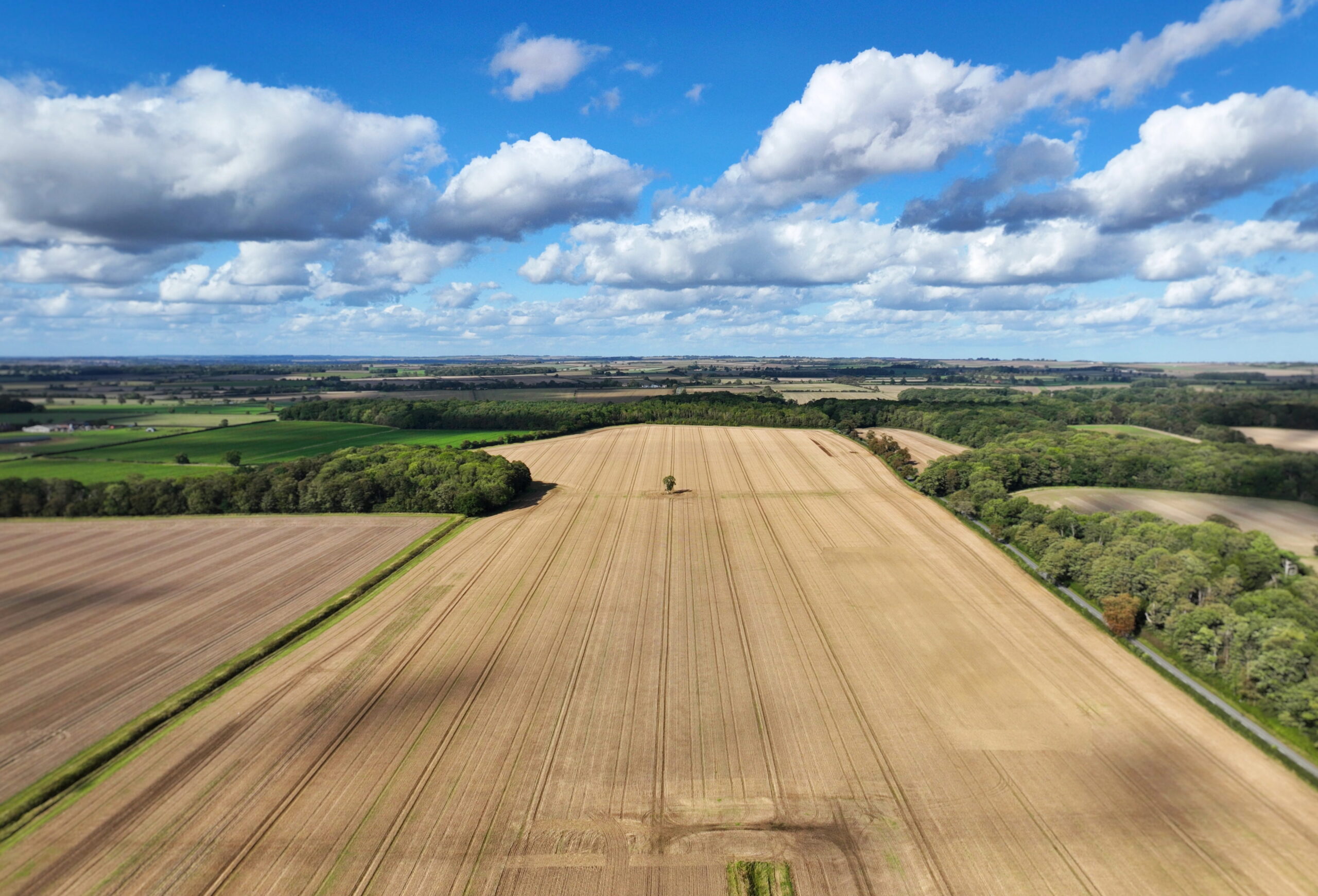
The future of farm machinery isn’t about bigger tractors – it’s about better systems
 Agri-TechE
 After a month when farm machinery has been working at it hardest during harvest, we’ve been making it all about the machines in this week’s vlog. Inspired by Rabobank’s latest analysis of the European farm machinery sector, as well as the pending AGROMEK machinery trade show in Denmark (a great offer available to our members to attend the Show).
As we’ve seen over the last decade, manufacturers are in a period of transition, driven by shifting farmer demand, digital technologies and intensifying global competition.
But for the UK, this is a bigger story than the future of machinery manufacturers. It describes the agri-tech innovation ecosystem, where value increasingly lies at the intersection of engineering, biology, agronomy and data science rather than steel alone.
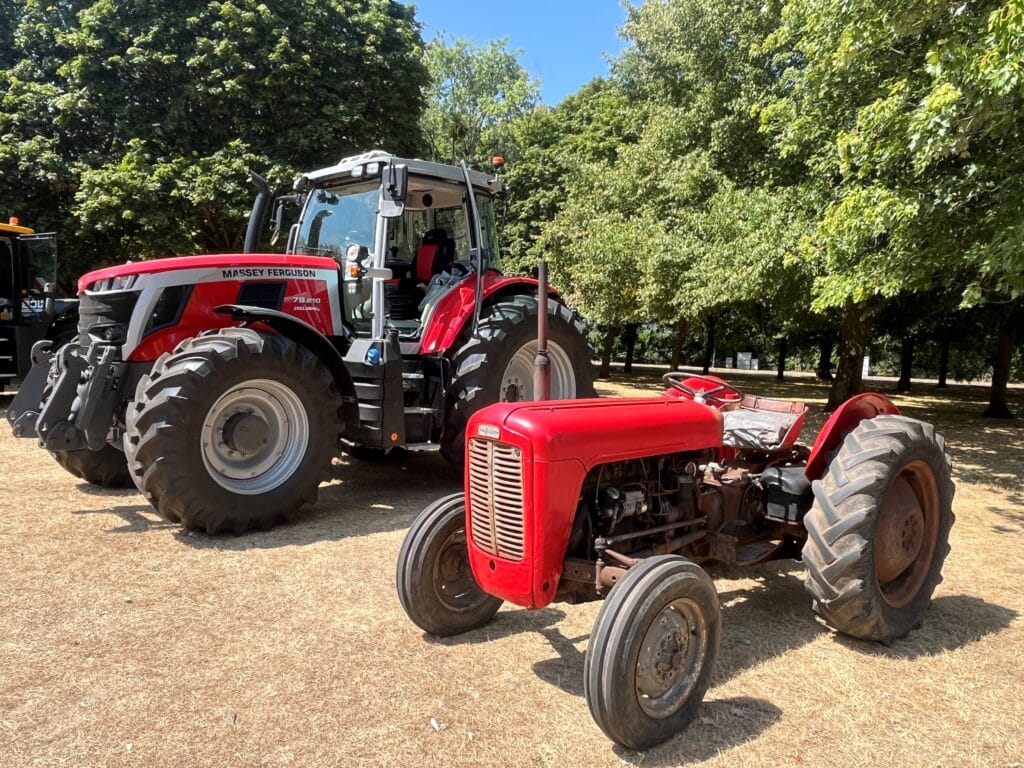
High Value Manufacturing – of the Highest Order
Given the fact that agri-tech is one of the sectors in the UK’s Industrial Strategy High Value Manufacturing Sector Plan, this provides a major opportunity.
The report identifies six areas where farmers increasingly expect machinery to deliver value: productivity, work quality, input optimisation, management of field variability, environmental performance and data-driven farm management.
Labour saving remains important, but it is no longer sufficient on its own. Machinery is evolving from a mechanical implement into an intelligent platform for agronomic decision-making.
Aligning with UK agricultural policy
The Farming Roadmap envisages a highly tech-enabled industry, while the ADOPT programme is designed specifically to accelerate on-farm adoption of technologies. And the UK’s precision breeding legislation to paves the way for crops designed for variable-rate management and lower-input systems. And Government’s ambitions for the industry around automation, robotics and precision application all assume machinery capable of integrating biological understanding with digital intelligence.
In other words, Government policy is increasingly rewarding precisely the capabilities that the next generation of machinery will need to provide.
Not more, but better
The report argues that future machinery demand in mature agricultural economies will be driven less by expansion than by qualitative upgrading.
European farmland is not expanding and machinery fleets are already highly mechanised. Growth therefore comes from replacing existing equipment with technologies that solve new problems—whether that is reducing fertiliser use through variable-rate application, minimising soil compaction through lighter autonomous platforms or enabling compliance with increasingly outcome-based regulation.
That distinction matters.
For years, discussions around agricultural engineering have centred on hardware. Increasingly, competitive advantage now comes from software, sensing and services, where the algorithms provide the value on a machine which is the delivery platform.
Delivering the value
The challenge is no longer to demonstrate that AI, robotics or digital twins can work. The challenge is proving where they create measurable value to farmers. Does autonomous weeding outperform chemistry under changing regulatory constraints? Can machine vision improve nitrogen-use efficiency sufficiently to justify investment? Does continuous sensing improve resilience to increasingly variable weather? These are agronomic questions as much as engineering ones.
The report also highlights increasing competitive pressure from Chinese and Indian manufacturers. Their proposition is no longer simply low-cost equipment. Many are moving rapidly up the value chain, while simultaneously building capability in agricultural drones, autonomy and precision technologies.
European manufacturers therefore face pressure from both ends of the market: lower-cost hardware from Asia and highly specialised innovation from venture-backed ag-tech companies.
The case for inter-operability
Few UK companies are likely to compete as global manufacturers of tractors or combines. But – as we highlighted in our Back to the Future report a couple of years ago, many are developing enabling technologies such as farm management software, AI, machine vision, digital agronomy and sensing technologies. Increasingly, the report concludes, intellectual property will sit above the chassis rather than within it (with some interesting implications for private equity into tech companies).
That shift also makes interoperability more important than ever.
It feels like we have been saying this forever, but autonomous machines, implements, weather data, sensors and farm management software cannot communicate seamlessly, much of their potential productivity gain is lost. Open standards, trusted data governance and shared digital infrastructure therefore become innovation priorities in their own right (let’s not even go there right now!).
Unsurprisingly, Rabobank’s report predicts consolidation across the European machinery sector, driven by the need for greater R&D capability, access to digital expertise and economies of scale, driven- as ever – with collaboration at its heart.
The future most likely belongs not to those who build the biggest, fastest or smartest machines. It belongs to those who connect them into the smartest farming systems.
Post Overview
Agri-TechE Related Posts
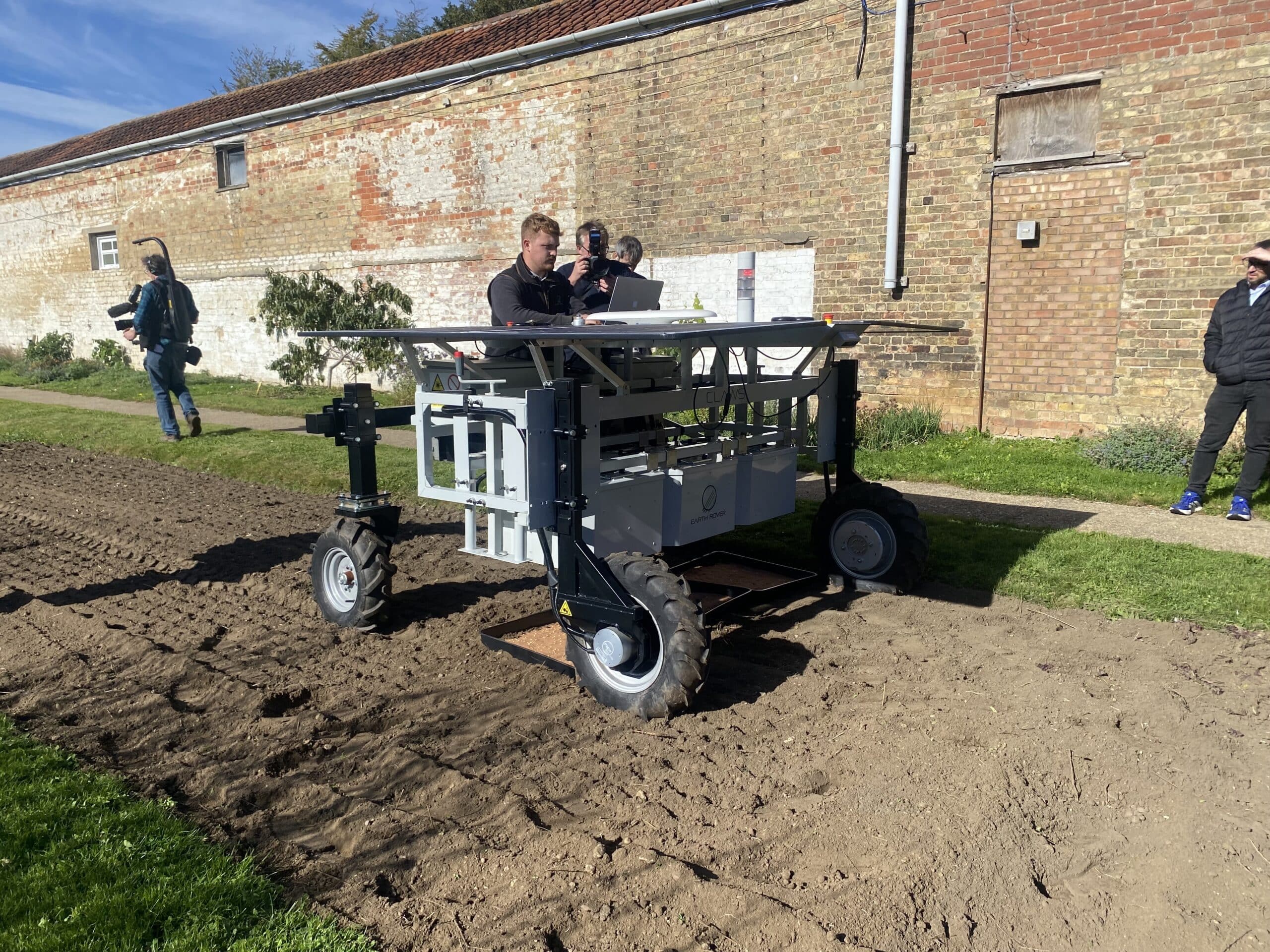
Agri-TechE to lead knowledge exchange activities for new national agri-robotics hub

‘Speed carousel’ brings a new spin to the technology showcase
Adrian Scripps – from cupcake machines to the UK’s Top Automated Fruit-Packing Facility

Connect, Co-Develop, Co-Exist: the REAP Report 2025 is launched

Essex agricultural robotics spin-out secures £1m funding