Reflections on a journey from Seed to Field through Space
 Agri-TechE
 In April 2025, ECIF hosted its annual conference, featuring presentations from research organisations and technology companies to show the wide range of innovations that are making a different to agriculture.
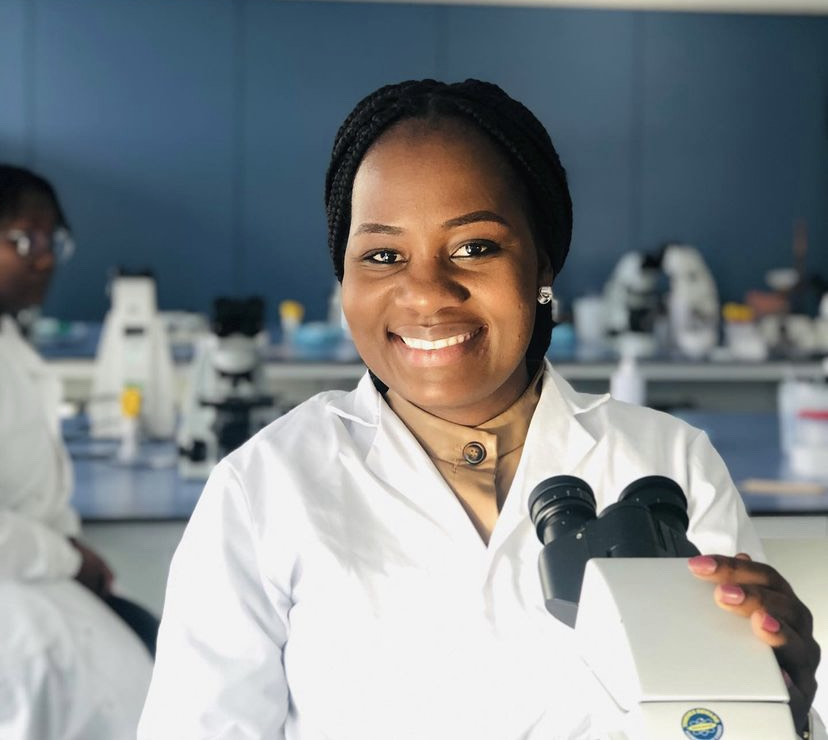
This is Dr Vongai Chekanai’s experience from the Early Career Innovators Forum Conference 2025: Reflections on a journey from Seed to Field through Space.
Having recently completed my PhD in Agriculture, I sought to connect with and join a community of other early-career professionals from diverse agricultural backgrounds, broadening my horizons and the options available to me.
Question Time!
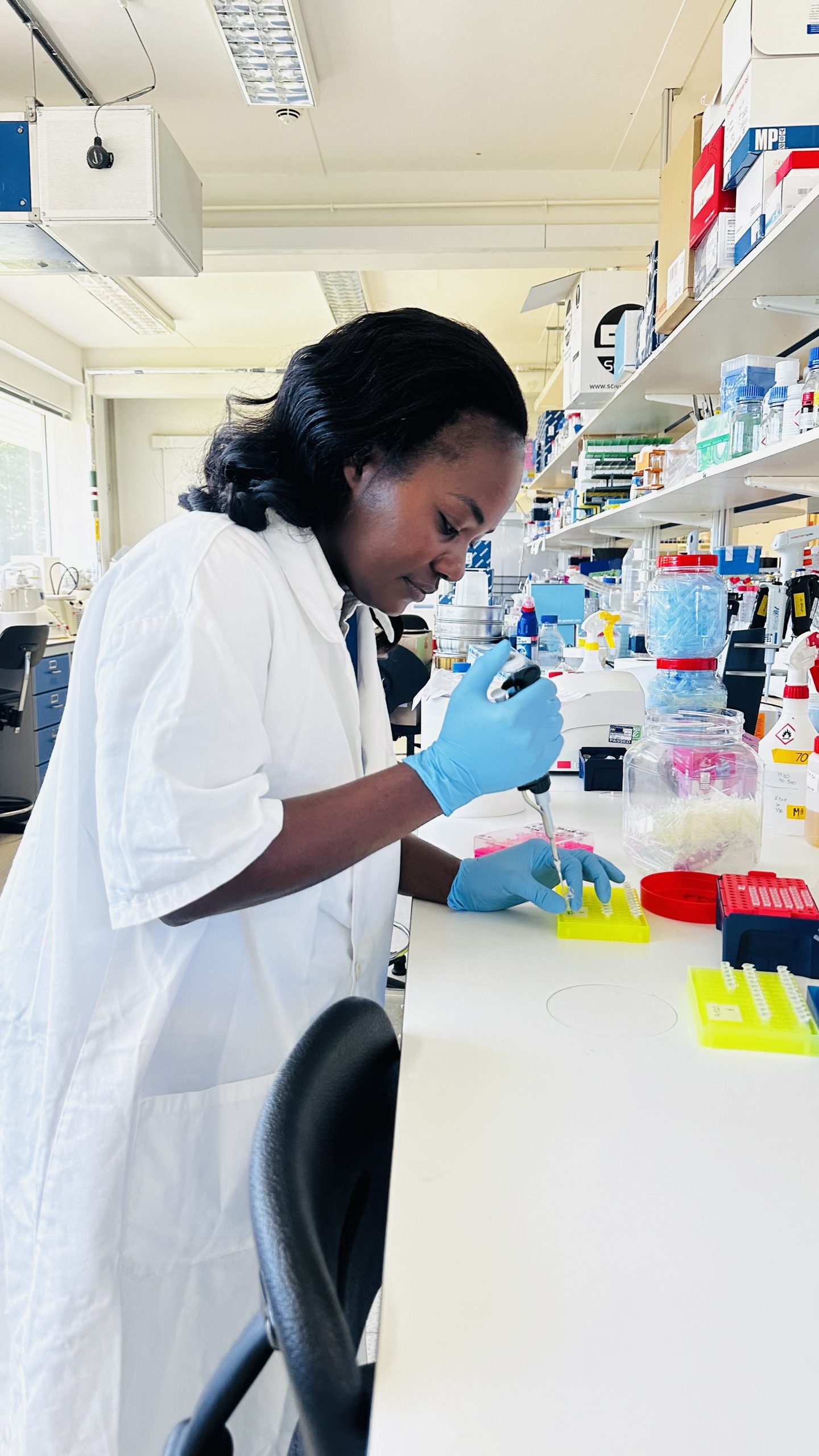
My PhD project was centred on cover crop-based management of plant-parasitic nematodes. In my trials, some varieties of forage crops, such as alfalfa and forage chicory, were identified as poor hosts, reducing soil populations of root lesion nematodes under both controlled and field conditions. According to past research, resistance is partly due to high levels of saponins that reduce the digestibility of protein and amino acids in forage biomass by livestock.
Listening to Janet Montgomery, the Product Manager for Agriculture at Barenbrug UK, discuss the breeding and development of forage species was particularly interesting – and it generated lots of questions for me:
- Does this mean improved forage varieties for higher nutritional quality will eventually render forage crops susceptible to plant-parasitic nematodes?
- Is it possible to combine breeding goals for higher digestibility and increased pest and disease resistance, and what is the optimal balance?
- Can we achieve two objectives by using common weaning mixes currently available on the UK market, such as alfalfa and forage chicory, to manage both ruminant helminths and plant parasitic nematodes?
Developing industry knowledge and three new-found facts
I am currently working in Plant Pathology research, and I have a specific interest in plant disease management using biocontrol agents. Through Dr. Rosario Campilongo’s presentation, we gained insight into the work that PfBio is doing in developing plant bio-stimulants and biopesticide products as alternatives to synthetic chemicals.
Top Fact #1: The bio-stimulants industry in the UK is largely unregulated, resulting in a shorter development pipeline, whereas crop protection products face stricter regulations.
Brilliant presentations were done on air pollution and animal welfare by the University of Reading Researchers, Dr. James Ryalls and Dr. Zoe Barker. In her research group, Dr. Zoe Barker and colleagues at the Centre for Dairy Research (CEDAR) use novel sensors to measure the responses of dairy cows to microclimate conditions, such as temperatures and humidity, rather than relying on traditional outdoor meteorological data.
Dr. James Ryalls’ research examines the effects of air pollution gases, including diesel exhaust nitrogen oxides and tropospheric ozone, on invertebrate pollinators.
Top Fact #2: Pollutants may mask or degrade the volatile organic compounds that plants use to attract pollinators, resulting in reduced visitation and lower yields.
Yara Al Sarrouh is an Application Scientist at Assimila Ltd, a company that gathers and monitors satellite Earth Observation data, used in climate metrics, crop modelling for sustainable crop production, and pest and disease management.
Yara is part of the Science Technical team for the European Space Agency-funded ‘World Peatland project’, where she plays a key role in developing indicators for peatland health.
Top Fact #3: Peatlands cover approximately 10% of the UK’s land area, and their restoration could significantly reduce carbon emissions.
Julian Ellis-Brown introduced us to Ponda, which produces Typha-based textile clothing insulation materials grown in rewetted Irish peatlands—a far more natural and animal-cruelty-free way to stay warm.

Reach for the stars! And getting a little perspective…
For me, being an agricultural innovator meant being exceptionally bright and reinventing the wheel. Publishing numerous peer-reviewed that would attract the attention of funders and secure substantial grants or attending a Dragon’s Den-type pitch.
While this may be partly true, it’s a narrow and frankly daunting way of perceiving Agricultural innovation…
After attending this conference, innovation in agriculture to me feels more practical and achievable – it means individuals seeking solutions to serve the sector. And sometimes brilliant ideas can come from conversations with different industry and commercial partners, as well as coming together to develop concept notes, which ultimately lead to technology development.
As Julian emphasised, customers pay for practical solutions to problems!
It was inspiring to see diverse ideas and individuals working in different areas contributing to the common goal of sustaining life in healthy environments.
As an early-career professional, attending such gatherings broadens your horizon and makes you realise that you might have more to offer and contribute than you often realise.
My message to early-career professionals is to be involved, listen, and ask – it’s all part of contributing.
Thank you, Agri-TechE , for putting together such a rewarding conference.
The Early-Career Innovators’ Forum (ECIF) is a platform uniting early career individuals passionate about agricultural innovation.
Join the ECIF Programme to enhance your knowledge and network in agriculture, and to attend free activities, including research, farm and industry visits, an annual conference, and professional skills webinars. Explore more about ECIF and how to join here.
Post Overview
Agri-TechE Related Posts
Increased funding for sustainable pulse crops in the UK
“Things cannot stay as they are”
Researchers welcome the passing of Precision Breeding legislation for plants

Organic Grass Farming – How to Build Better Swards with Strategic Seed Choices
Controlling pesticide resistant black-grass