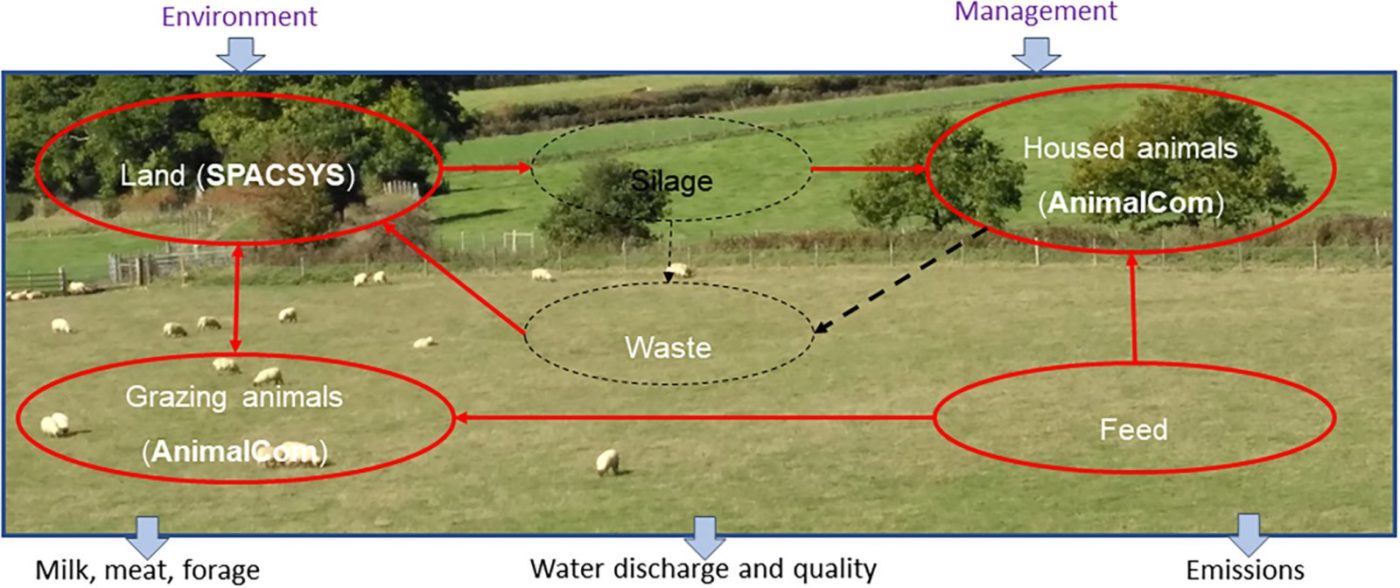
New test speeds up mastitis diagnosis in farmyard
 Agri-TechE
 A new rapid diagnostic for mastitis, a painful udder disease that costs the dairy industry almost £42million a year, is being developed by start-up Beosense. The device will allow on-farm identification of the bacteria that causes mastitis, enabling immediate treatment and preventing loss of milk yield.
Rapid diagnostics enable more effective treatment
 Founder of Beosense, Katie Cavanagh, came up with the idea after a long wait for test results for her dog. However, it was growing up in a farming community in Northern Ireland that made her realise the potential of a point of care device that can be used to detect mastitis, a major endemic disease.
Katie developed the concept while a physics fellow at The University of Bristol. She explains: “If you can diagnose quickly, you can treat quickly. Rapid identification of the bacteria enables the use of closely targeted treatments and ensures quick recovery of the animal.”
The diagnostic is a development of a lab method that is used to detect pneumonia and salmonella in humans. Katie is working on ways to miniaturise the technology – which is normally performed in a laboratory using PCR technology – so that it can be used on-farm.
Cutting time and cost
 “The current gold standard diagnostic for mastitis is lab based, so if you want a comprehensive result it will take a couple of days. Our test has slight differences to the lab-test but the principle is the same and it will provide confirmation the presence of a particular strain of bacteria in the milk sample.
“We’re not inventing new science, this kind of tech is being developed for humans all of the time, it’s just not being done for animals,” Katie says.
“As a physicist, you see all of this amazing technology in labs that could change the world; there is huge potential for a rapid test for mastitis and I am keen to work with farmers and vets develop the end product,” Katie concludes.
The mastitis test is currently at concept stage and Katie is seeking investors as well as farmers to help produce a practicable point of care device.
How the novel tech works
 Commenting on the range of new agricultural diagnostics coming to market, Director of Agri-Tech, Dr Belinda Clarke, said: “Advances in microbiology, imaging and organic chemistry are providing farmers and growers greater access to more cost-effective tools.
“We have selected a number of diagnostics that are promising to revolutionise disease management and at ‘The 3 Rs’ event the developers will explain how the novel technology behind them works.”
More information about the animal and arable diagnostics being profiled – many for the first time – at Agri-Tech’s ‘The 3 Rs of Plant and Animal Diagnostics: Rapid, Reliable and Robust (Enough)’ is available on our events page here.
Post Overview
Agri-TechE Related Posts

Smartbell animal health system still reaping benefits of GROW agri-tech competition
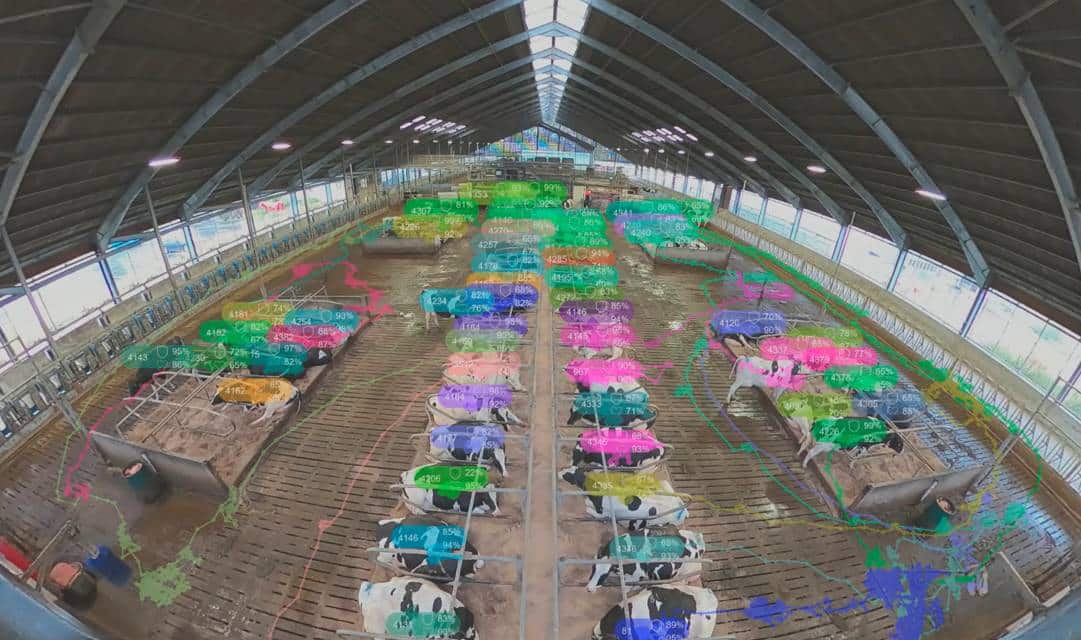
Nantwich Farm Vets work with Agri-TechE member Vet Vision AI on Cheshire Dairy Farm
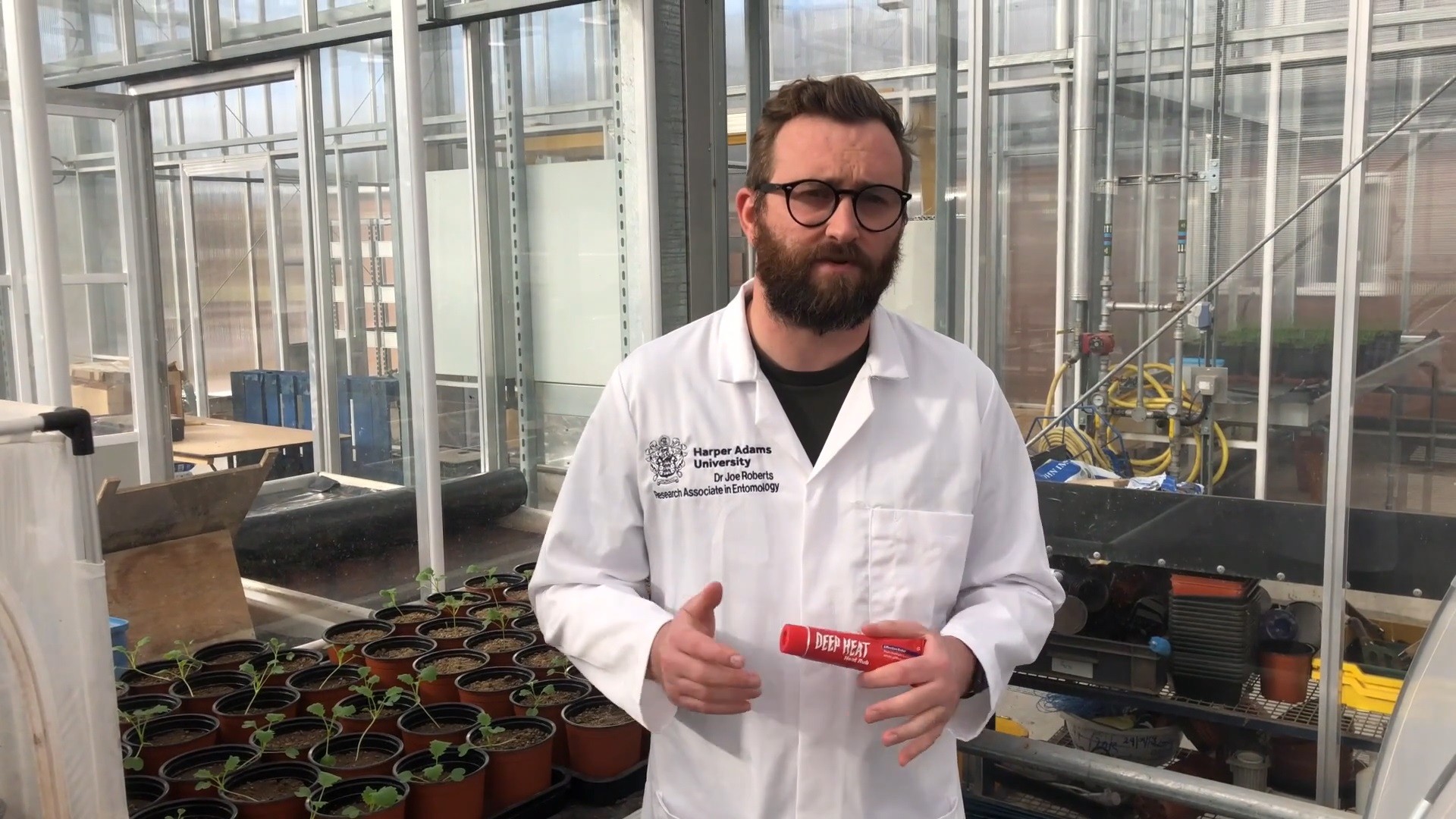
A smelly approach to crop protection – Joe Roberts

Farm Fodder Flow: Go With The Flow
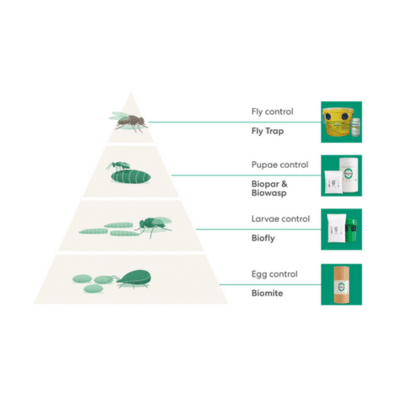
Nantwich Farm Vets drive growth of biological fly control on North West farms