NatureMetrics quantifying the richness of biodiversity with eDNA
 Agri-TechE
 Is regenerative farming improving soil biodiversity? Soil health is fundamental to the productivity of low input agriculture, but assessing the quality of the living component of soil is far from easy. Environmental DNA (eDNA) is a technique that can detect the presence of indicator species or functional groups of species, to provide evidence of the health of an ecosystem.
One of the companies using eDNA is NatureMetrics. The global nature intelligence company is working with Unilever as part of its new regenerative agriculture programme, the aim is to create metrics that will enable Unilever to measure the impact of changes to farming practice on biodiversity. NatureMetrics will be using its eDNA technology and digital analytics to analyse soil biology and invertebrates at four critical locations in Unilever’s supply chain.
Positive impacts of regenerative farming
To get a better understanding of how NatureMetrics is providing insights into the positive impact of regenerative farming, we spoke to the company’s Tom Ludwig, Head of Onshore Industries.
Tom explains that the company was established ten years ago by Dr Kat Bruce following a breakthrough discovery in her PhD and further research.
Tom says: “Kat was working on ways to quickly assess the presence of the Great Crested Newt, a protected species, in water bodies.

“She had the foresight to see how the technology could expand, not just to detect individual species, but the whole composition of communities – the broader web of life across lots of different types of landscape.
“Kat is still involved in NatureMetrics but is also working at a national and international policy level, advising standards for biodiversity monitoring.”
Enabling biodiversity strategies
Roll forwards to 2024, and NatureMetrics is now an international player with over 500 clients in 104 countries, mostly multinationals operating in energy, mining, forestry and agriculture. It offers consultancy services in addition to testing, analysis and data analytics – that will enable corporates to understand their impacts and dependencies on nature.
The underlying eDNA technology provides a snapshot of biodiversity from a soil or water sample. This provides a profile of the ecosystem that is invaluable to organisations in creating biodiversity action plans.
Tom continues: “We have a consultancy team with knowledge of the regulations, and they help guide our corporate clients as they devise their strategy, and screen for risks across their supply chains.
“The company needs to build internal frameworks to support the strategy and knowing what and how to sample in order to create a representative picture of the ecosystem is vital. Our eDNA technology is an enabler for that.”
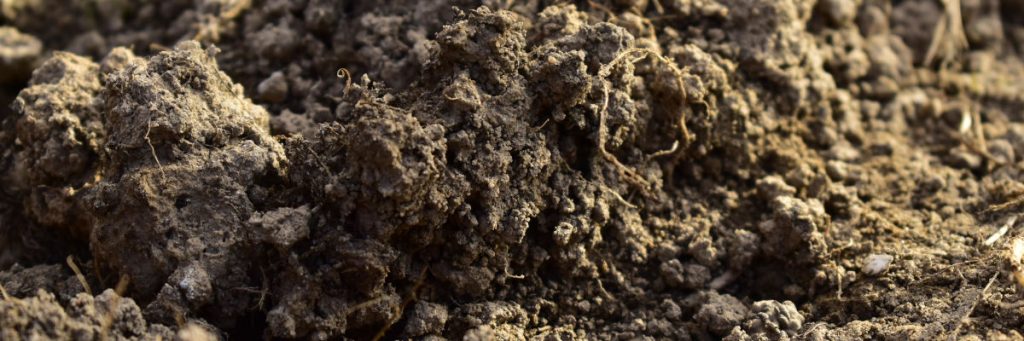
Indicators of soil health
“The kits are easy to use – we’ve even had school children using them for citizen science projects – and then the samples are analysed in our labs,” Tom explains. “We match the DNA against a very large reference library. It’s a bit like forensics at a crime scene.
“Certain groups of species are associated with particular ecosystem functions, such as nutrient cycling. Therefore, the presence of these ‘functional groups’ is an indicator of soil health.”
Future is predictive analysis on a landscape scale
Tom sees the future as a combination of sampling technology such as eDNA with satellite observation and bioacoustics.
“We see ourselves as nature data aggregators. When you combine species data from eDNA with habitat and landcover assessments you move to another level. We are looking to develop metrics to assess ecosystem condition and to build a comprehensive picture of biodiversity across the landscape, which could be used by many different industries.
“We are going to move the needle on ecosystem assessment. There are loads of incredibly exciting things that you can start to do with these big data sets, and we are just scratching the surface.
“Until now people have been looking at physical habitats – ‘I have x amount of hedgerow, wildflower strips etc so if this is increased it’s going to be better’. However, when you combine data sources to train up a model, you can start to understand the living web and be predictive, moving the narrative to ‘if I do this, we can reintroduce particular species such as rare butterflies’.
“For the first time it will be possible to assess the condition of the ecosystem and measure the outcomes of the interventions – this is vital if effective management of ecosystem resources is to be incentivised and rewarded.”
NatureMetrics will be one of the speakers at Agri-TechE ‘s event ‘Digging Deep: A Showcase of Below-Ground Tech Advancements’, hosted by Cranfield University on 16 May 2024.
Post Overview
Agri-TechE Related Posts

How does this agri-tech revolution affect me in the Fens?

T’is the season to be… networked!

Honingham Thorpe Farms joins Agri-Tech
Soil testing should be included in land valuations

Key Take Aways from ruumi’s 2025 start of season webinar – Kick-start your grass-growing season