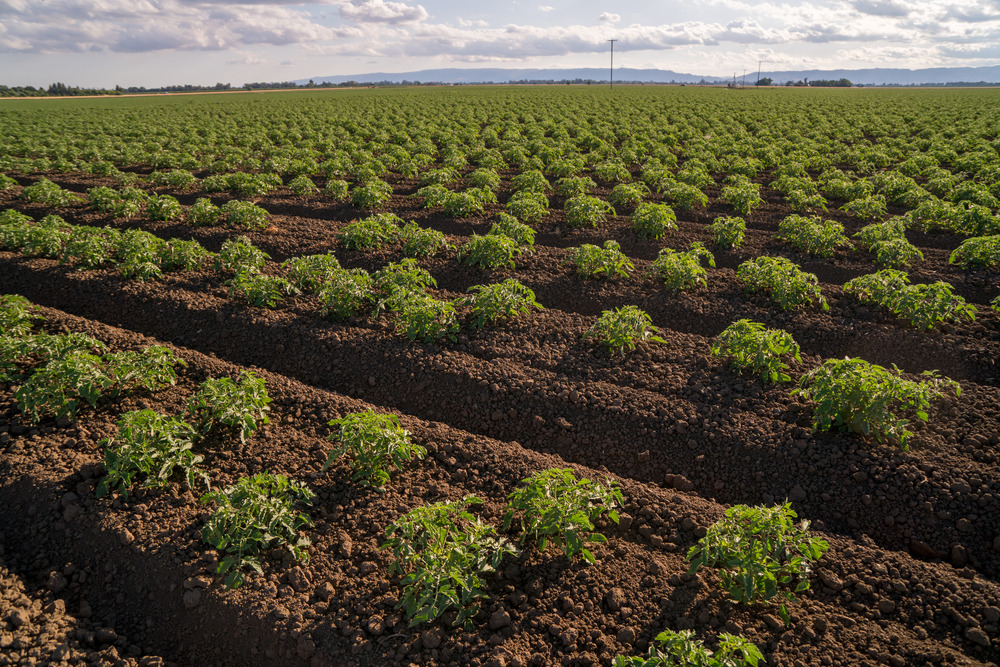
Global study shows the power of POLY4 to increase crop yields
 Anglo American
A decade’s worth of global trials has confirmed that Anglo American’s polyhalite product, POLY4, significantly improves crop yields by 3-5% compared to conventional fertiliser practice across a wide range of crops, soils, and environments.
The study, published in the Agronomy Journal of the American Society of Agronomy, used one of the world’s largest datasets of its type assembled by Anglo American’s team of expert agronomists and soil scientists in collaboration with leading research institutions and expert statisticians.
Mike Garnett Chief Commercial Officer for Anglo American’s Crop Nutrients business said: “We are incredibly proud of our product and the difference it will make to sustainable crop nutrition and ultimately to global food security. These studies demonstrate that we can help drive a much-needed shift to farm more productively, profitably and sustainably while looking after our soils and environment. We believe that POLY4 is the only truly globally scalable crop nutrition solution that can do this.”
Through analysing data from 921 replicated field trials conducted over 10 years, covering 47 crops in 33 countries, the research confirmed that POLY4 consistently increased yield by 3-5% over standard NPK fertiliser programmes.
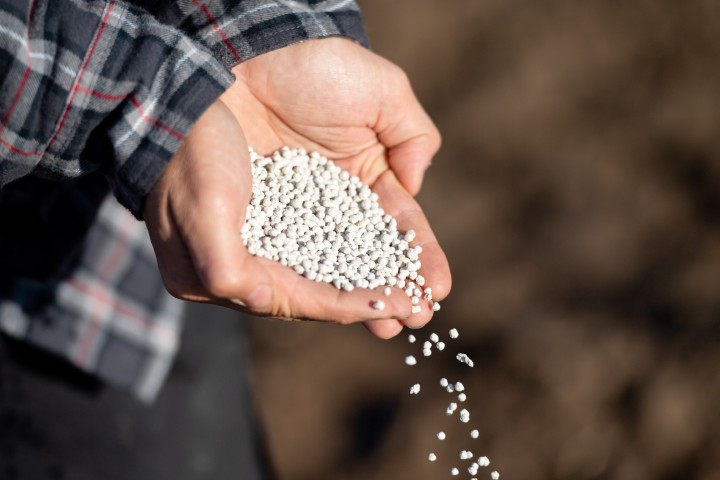
The findings prove to the highest possible scientific standard that low carbon, natural polyhalite fertiliser improves crop yields across the globe, meaning it can help meet increasing market demand for high performance, sustainable crop nutrition solutions.
“These results provide one of the most comprehensive global assessments to date of a multi-nutrient fertiliser’s impact on yield” said co-author Dr Kate Storer, Principal Research Scientist in Crop Physiology at ADAS, the UK’s largest independent environmental and agricultural consultancy.
“Polyhalite’s ability to improve yield across a range of diverse soils, crops and geographies underscores its value as an effective nutrition solution for farming globally.”
Universities and independent researchers compared POLY4 performance with traditional NP (Nitrogen + Phosphorus), NPK (Nitrogen + Phosphorus + Potassium), and NPKS (Nitrogen + Phosphorus + Potassium + Sulphur).
The results showed that POLY4 fertiliser programmes outperformed conventional fertilisers with a 6.6% yield increase over NP and 3.2% over NPK controls for all the trials. For the trials that were responsive to K or S, this increase was further increased to 12.2% over NP and 4.8% over NPK controls.
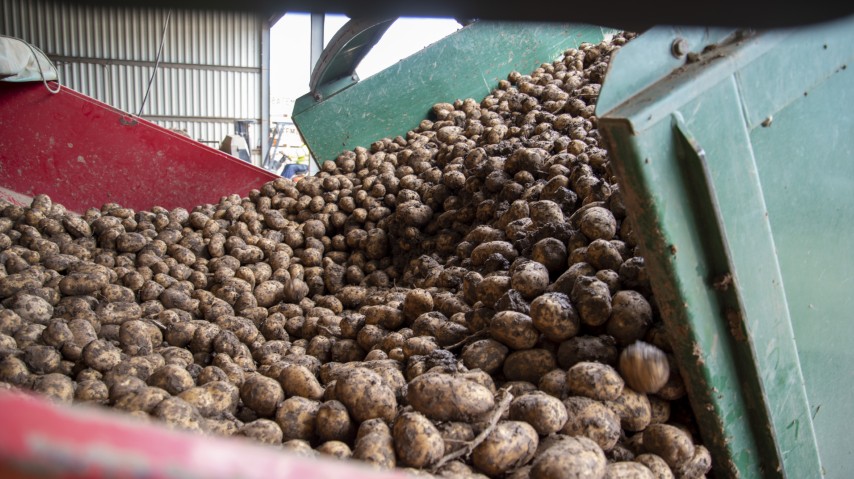
The most responsive crops in the study were sugarcane (+16.3% yield), vegetables (+12.5% yield), and potatoes (+9.5% yield).
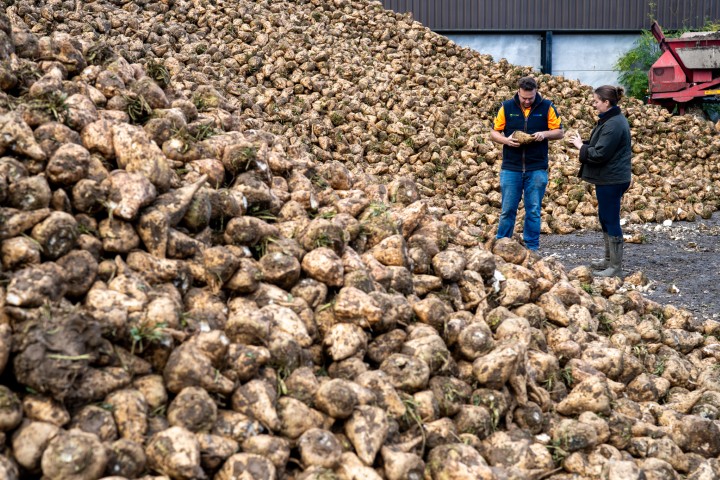

Pete Berry, Head of Crop Physiology for ADAS, said: “The previous estimates of a 3 to 5% yield increase from polyhalite are conservative in light of this large meta-analysis. This study shows that there are bigger yield increases expected from polyhalite which averaged 6.6% across all the trials.”
The Woodsmith Project is currently under construction in North Yorkshire to mine polyhalite, a naturally occurring mineral that is then granulated to form POLY4. Once in operation, Woodsmith is designed to supply up to 13Mtpa of polyhalite into global fertiliser markets. The POLY4 granule provides optimal and extended nutrient release, meaning crops have more time to absorb essential nutrients, improving yield and quality.
Find out more at: https://uk.angloamerican.com
Related Posts

Global Weather, Grain Markets & Nitrogen

A trip to the Tees Valley HQ
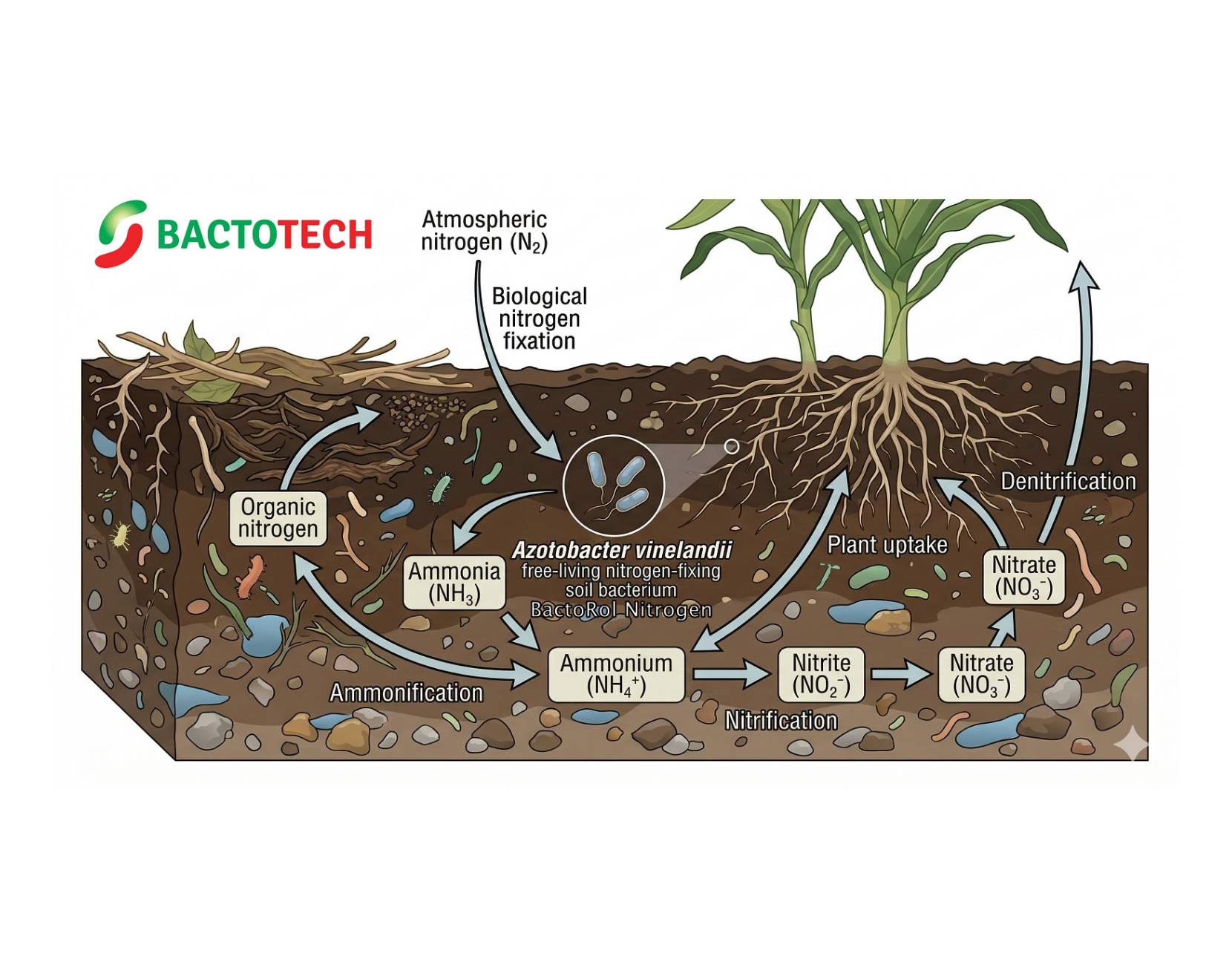
Azotobacter vinelandii: a practical look at free-living nitrogen-fixing biology in crop production

‘Speed carousel’ brings a new spin to the technology showcase

Seeing nitrogen from space: Real world results from hyperspectral imaging