Farm Fodder Flow: Silage Quality – Why Planning Ahead Matters
 Barenbrug UK Ltd
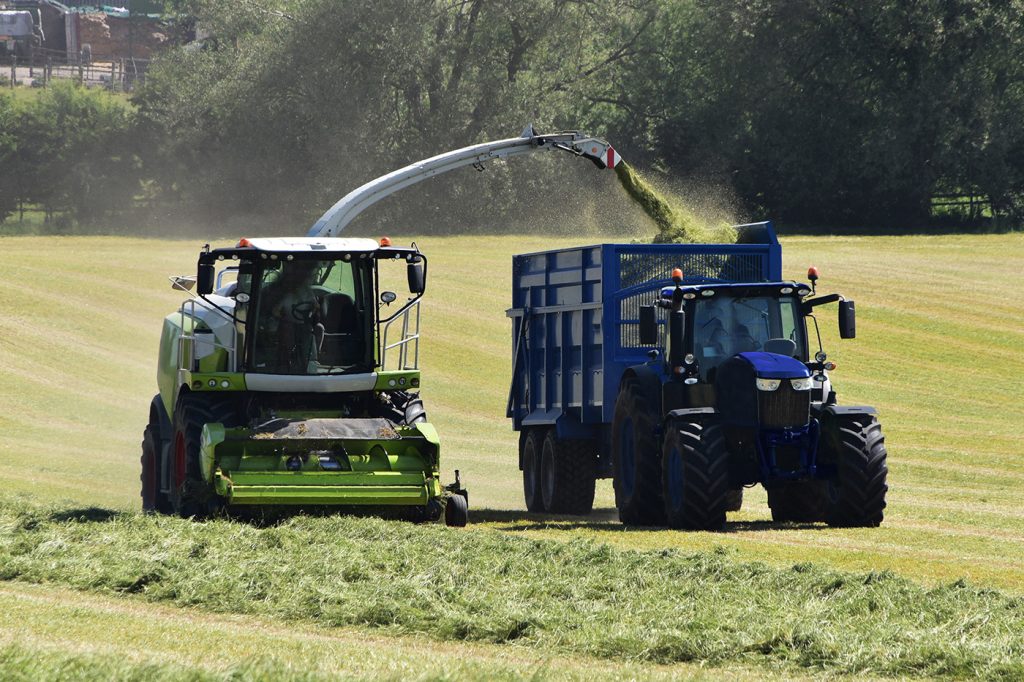
First silage cuts go whooshing by
2025 has been the warmest start to spring since records began, says Barenbrug UK’s Agriculture Product Manager Janet Montgomery.
Not only warm, but dry with it. Apart from the very tip of Cornwall, the UK has had around half the amount of rainfall we would usually expect by this time in the year. Some areas – such as the north-east – have had just 7% of April’s average rainfall, recording less than 5mm of rain across the whole month.

Time to think carefully about regrowth
In our previous article “A Look at Spring Grass Growth”, I ventured that spring 2025 was, if not ‘normal’, at least looking ‘approachable’. I’m still of that opinion; however, now’s the time to think carefully about this weirdly dry spring we’re experiencing.
Farm Fodder Flow is what I’m talking about. Be sure you’re able to match your farm’s productive capacity to your requirements. If your farm revolves around grass-based feed, Farm Fodder Flow is something that needs consideration whatever the weather and irrespective of your individual farming practices.
But it’s especially important in the current conditions, where – let’s face it – grass is going to struggle to regrow after a cut.
The impact of dry conditions on grass growth
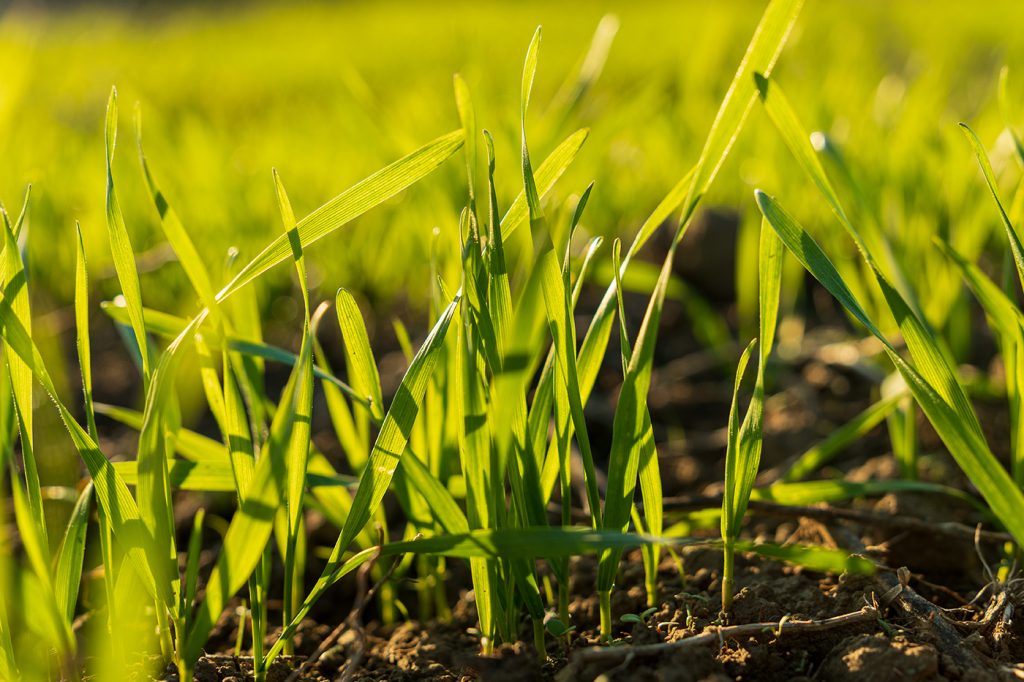
I should say, regrow sufficiently. Grass doesn’t change its growth rate much: the rate of leaf emergence stays consistent for the time of year. But without adequate soil moisture, the size of those leaves – and thus the accumulated amount of biomass, our all-important silage metric – will be much reduced.
If you’re following a ‘standard’ 2-3 leaf interval for cutting silage, this is where that Farm Fodder Flow planning comes into play. At its most basic, Farm Fodder Flow is about managing the interaction between supply and demand.
Adjusting supply and demand
At the moment, under current conditions, it’s looking likely that supply will reduce. And if that’s the case, your Farm Fodder Flow equation needs adjustment: either you find ways to increase the supply, or you must decrease your demand.
The latter – a reduction in stocking – is likely to be unpalatable for most, but being wise to the event, i.e. knowing your options and being able to move quickly on them, should nevertheless form part of your plan.
Planning ahead makes all the difference
This isn’t panic stations, by any means: we’ve still got grass. It’s simply a good time to be planning ahead. Whether you take the traditional aphorism of ‘A stitch in time saves nine’, or the more modern idiom of the 5 (or 6, for added emphasis) Ps, it’s the same concept: you can be prepared for anything, provided you have prepared.
Practical ways to increase supply
As for increasing the supply? You might be fortunate enough to be able to consider other ground for silage, whether on your own farm or in the locality. You might also consider how to make use of other feedstuffs, whether bought-in or home-grown. All this can go into the same plan.

Make the most of what you’ve got
But the most important part of your Farm Fodder Flow plan is this: make the most of what you’ve got. As we always say, your fields will thank you for managing them sympathetically. And the best thing you can do on a silage field, particularly during a dry period, is not to cut them too low.
We say this in the wet and we say it in the dry. It’s not a risk, it’s fact. When a field’s cut too low, it will take a long time to recover. In less-than-ideal circumstances – such as we’re facing now – that recovery time will be even longer. That’s not a position in which you want to find yourself.
So, promise me this. The next cut you take, look carefully at the aftermath after the first couple of passes. Post-cut fields of apple-flesh white give me the fear. Don’t do it!
- *I have permission from the copyright holder to publish this content and images.
Related Posts

Growing plant science

Know your enemy…

Emerging Agri-Tech: from Research to Practice

Update on the Precision Breeding Act 2023
Elephant grass – a biofuel that improves soil says Earlham Institute