Earlham Institute and Tozer Seeds receive knowledge transfer award
 Earlham Institute
A new project is bringing together the Earlham Institute and Tozer Seeds to apply the latest genomic tools for accelerating plant breeding programmes.
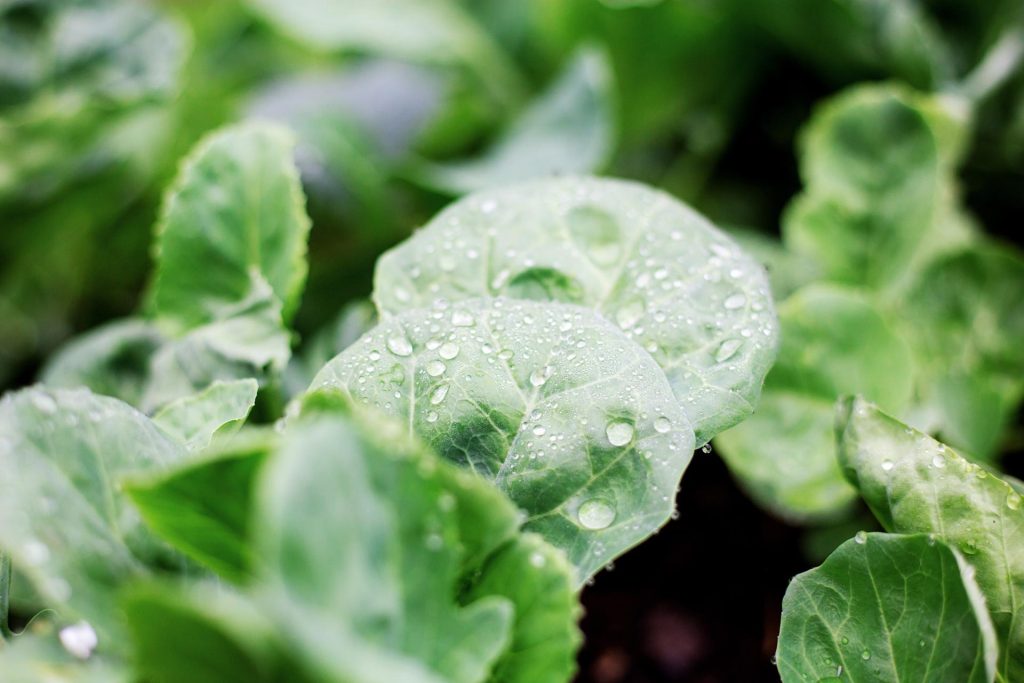
Their ambition is to halve the time it takes for new vegetable varieties to reach producers.
The £260,000 project is being supported by Innovate UK, the UK’s national innovation agency, through its Knowledge Transfer Partnership awards.
It will enable cutting-edge research to be applied in an industrial setting, supporting the implementation of new marker-assisted and genomic-based selection methods for desirable traits in celery and other vegetables commercialised by Tozer.
The Earlham Institute has been developing and pioneering the use of new technologies to overcome issues of scale and complexity in data-intensive bioscience, including approaches that could be used to accelerate crop breeding.
There is an urgent need to develop improved, more resilient crops, both to cope with increasing global demand and to introduce resilience to climate change and plant pathogens.
There are many desirable traits breeders want to introduce to make improvements to their lines. But finding the right genetic ‘recipe’ is incredibly complex due to the interrelated nature of the genes that govern them and the laborious methods traditionally used in breeding programmes.
This project will help Tozer’s breeders identify new biodiversity associated with a wide range of desirable traits they want to get into their future lines. The goal is to see new and improved vegetable varieties, including celery, reaching producers in half the time as current approaches.
Related Posts
BugBiome to test lead bioinsecticide in sugar beet field trials with partner Niab

Transforming Food Production – Agri-TechE members in 19 of the 31 projects

Shaping the future of UK bioscience: BBSRC launches refreshed Forward Look

Harper Adams is supporting farmers monetarise natural capital

Australians look to World Agri-TechE to fill hort, grains investment pipeline