ATW 2026: Norwich Research Park tackles Food Safety
 Norwich Research Park
Threats to public health are never far from the headlines with major consequences for public health, businesses and big brands when it goes wrong, such as the recent outbreak of Cyclospora illnesses from Iceberg lettuce across 15 US states, in September 2026. It’s the consumer who is at most risk with lasting if not deadly consequences. But who is responsible?
It’s not enough to say that we all are responsible, to do the right thing, to keep our food safe.
Food systems face mounting challenges to biosecurity at every stage of a complex, often global supply chain from production, manufacturing, storage and transport through to retail and, ultimately, consumers. And what role for the regulator and public health authorities?
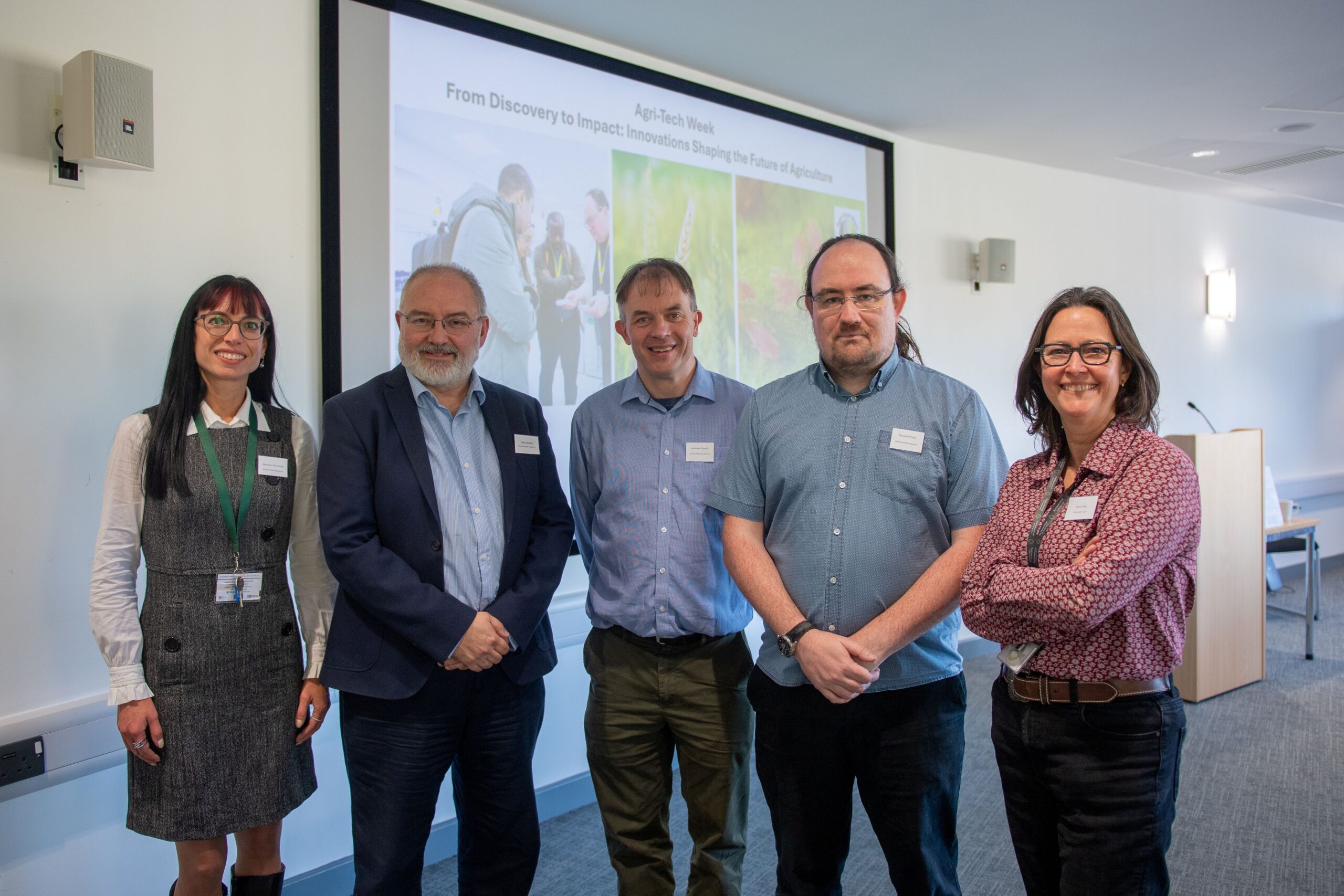
Norwich Research Park’s academic and business community is tackling these challenges head on, and AgriTech Week at the Quadram Institute explored how research and innovation combined with strong integrated networks of stakeholders across the supply chain really can make food safer for all.
The presentations addressed surging foodborne illness, rapid forensic diagnostics for short shelf-life produce, antimicrobial resistance in agri-food, rapid metagenomic air surveillance, authenticity and fraud in spices, and solution pathways including bacteriophages for livestock and natural antimicrobials for seafood.
· Dr Melissa Antoniou-Kourounioti, Quadram Institute and the Food Safety Research Network (FSRN), detailed the network’s role as an independent broker connecting academia, industry and government to tackle the issue of rising microbial food safety risks from production to domestic settings. The network focuses on four key pillars: known pathogens, emerging risks, translational practice and domestic food safety. It funds collaborative projects, issuing guidance on things like bacteriophages, biofilms, vertical farming, and shaping policy.
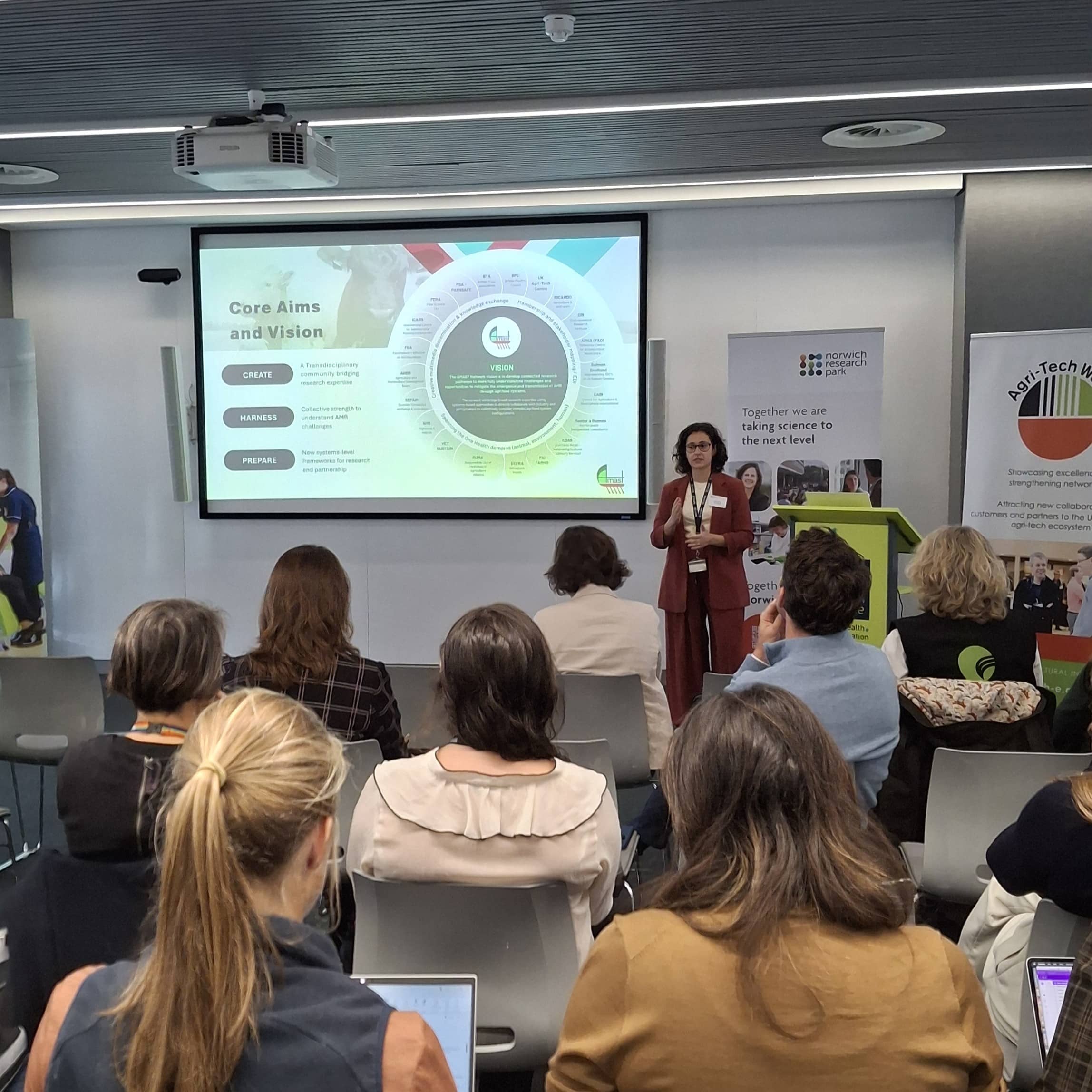
· Dr Lisa Marchioretto, Quadram Institute and the Antimicrobial Resistance in Agrifood Systems Transdisciplinary (AMAST) Network, presented the power of a transdisciplinary program combating antimicrobial resistance (AMR) across livestock sectors, prioritising trust, data transparency and translating research into sector-owned actions and policy. A ‘farm to fork’ approach tackles sector challenges from ruminants, pigs, poultry, to game birds and aquaculture, build trust within the farming and production community.
· Dr Richard Legget, Agnos Biosciences technology monitors ‘real-time’ airborne food safety using metagenomics – AirSeq – for agnostic biological risk detection reduces turnaround from days to circa 24 hours. He explained how benchtop NMR/FTIR enables low-cost screening for adulteration and why continuous testing is critical for food integrity.
· Prof Kate Kemsley, University of East Anglia, described persistent authenticity risks in globalised, shock-prone supply chains. Examples included spice adulteration, such as lead chromate in turmeric, legacy issues post the 2013 horse meat scandal and how under-sampling exacerbates fraud, where it is estimated that there is 10–15% non-authenticity in surveyed categories.
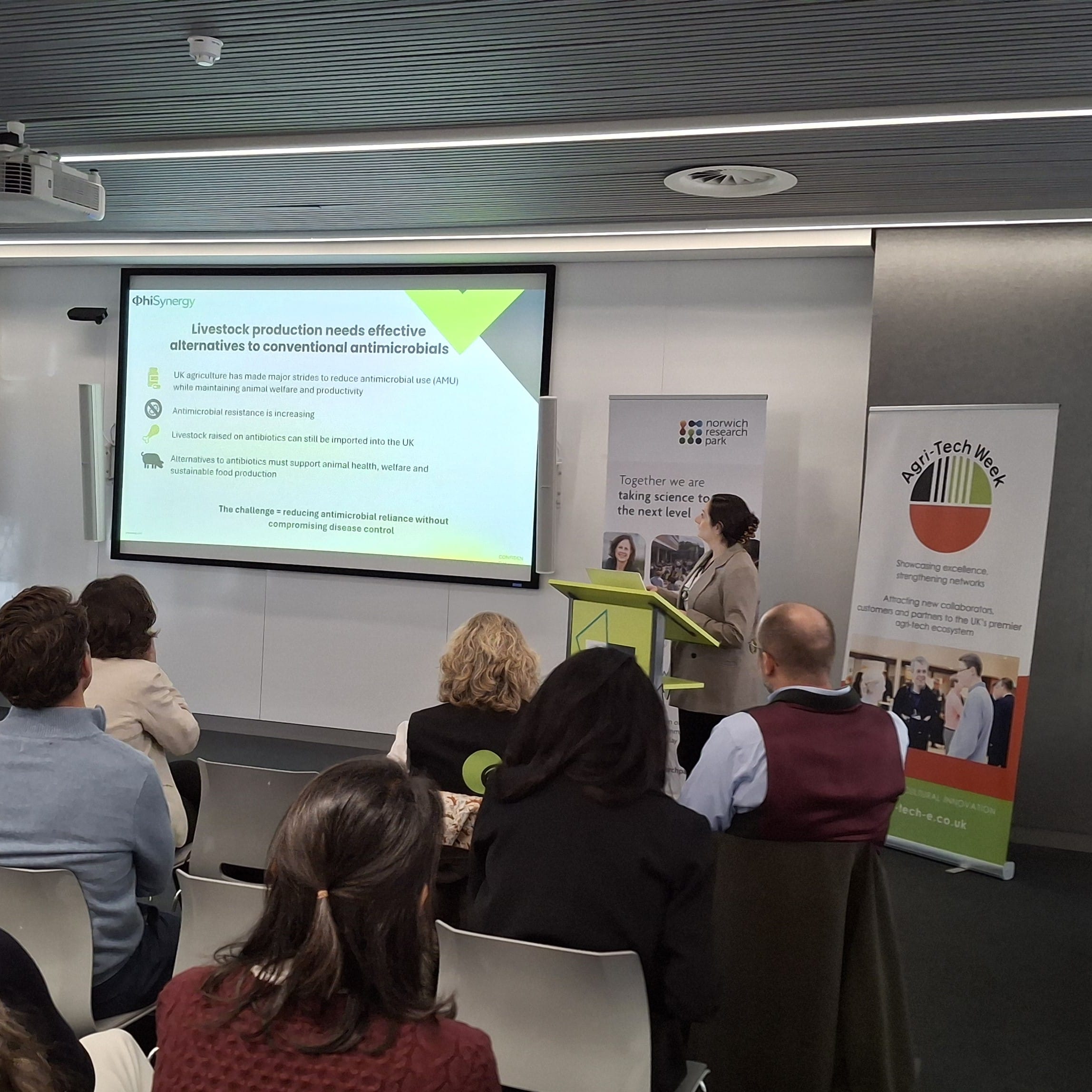
· Dr Hannah Morelli, founder of PhiSynergy, harnesses bacteriophages to ensure a safe, pathogen-free food supply. Her company’s bacteriophage-based feed additives aim to reduce Salmonella in pigs via resistance-aware phage cocktails.
· Dr Yan Fen Lee, Zyfex and iBoxIT, two companies based at Norwich Research Park, talked though her company’s solution for fighting Listeria food spoilage by using natural, plant-based antimicrobial sprays that target Listeria in seafood with factory-integrated applications.
The sessions brought together the event’s themes of agronomy, microbiology, food safety and authenticity across farm-to-fork supply chains. A central message was the need for collaboration between researchers, industry and regulators to translate evidence and emerging technologies into practical improvements.
The event reinforced that food security depends on sustainability, accessibility, affordability, nutrition, cultural acceptability and safety. The recent rises in foodborne illnesses demand cross-sector action, bringing researchers, businesses and regulators together to translate evidence into practice.
- *I have permission from the copyright holder to publish this content and images.
Related Posts
Celebrating Agri-Tech Week 2026
ATW 2026: ‘Big Ag’, the government and public sector bodies currently ‘call the shots’ in agricultural innovation
ATW 2026: “One field is expected to do many jobs now” captured webinar’s key land-use discussion
ATW 2026: Beyond the Hype – Why Trusted Data Will Determine the Value of Agricultural AI
ATW 2026: AMFRESH Showcases Post-Harvest Innovation at OMEGA