ATW 2025: ‘Making the Most of Organic Materials’
 ADAS
ADASAgri-TechE Week 2025 celebrates its 12th year! Our largest yet, featuring 11 events curated by Agri-TechE and hosted by our incredible member community, followed by the REAP Conference on 4th November. This week exemplifies innovation, collaboration, and forward-thinking in agri-tech.
Each event reflects the strength of our ecosystem, showcasing what our community can achieve and bringing together our growers, researchers, and technology developers. A big thank you to our members for hosting – we wouldn’t have an agri-tech week without you and we are very proud to have your membership.
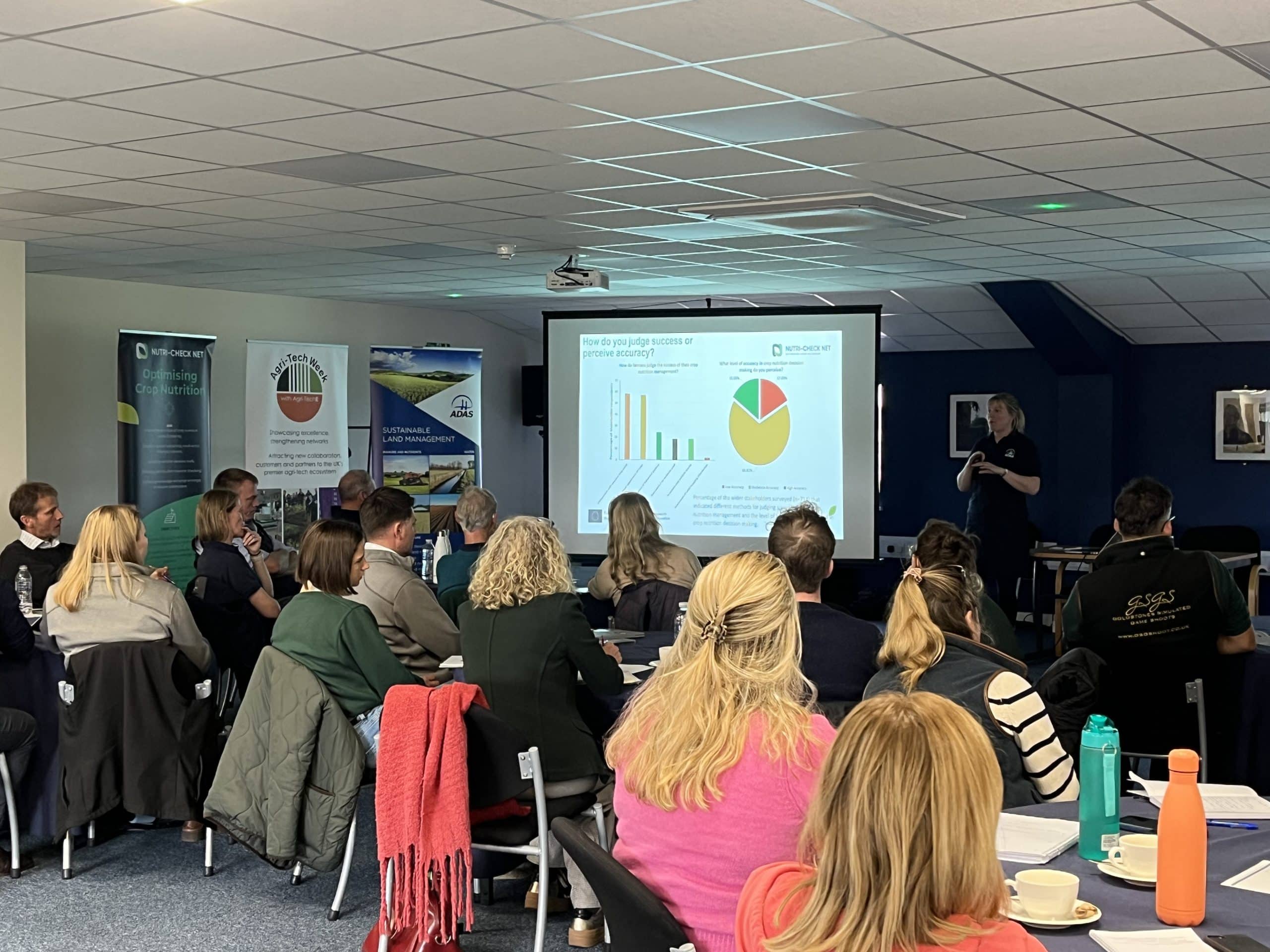
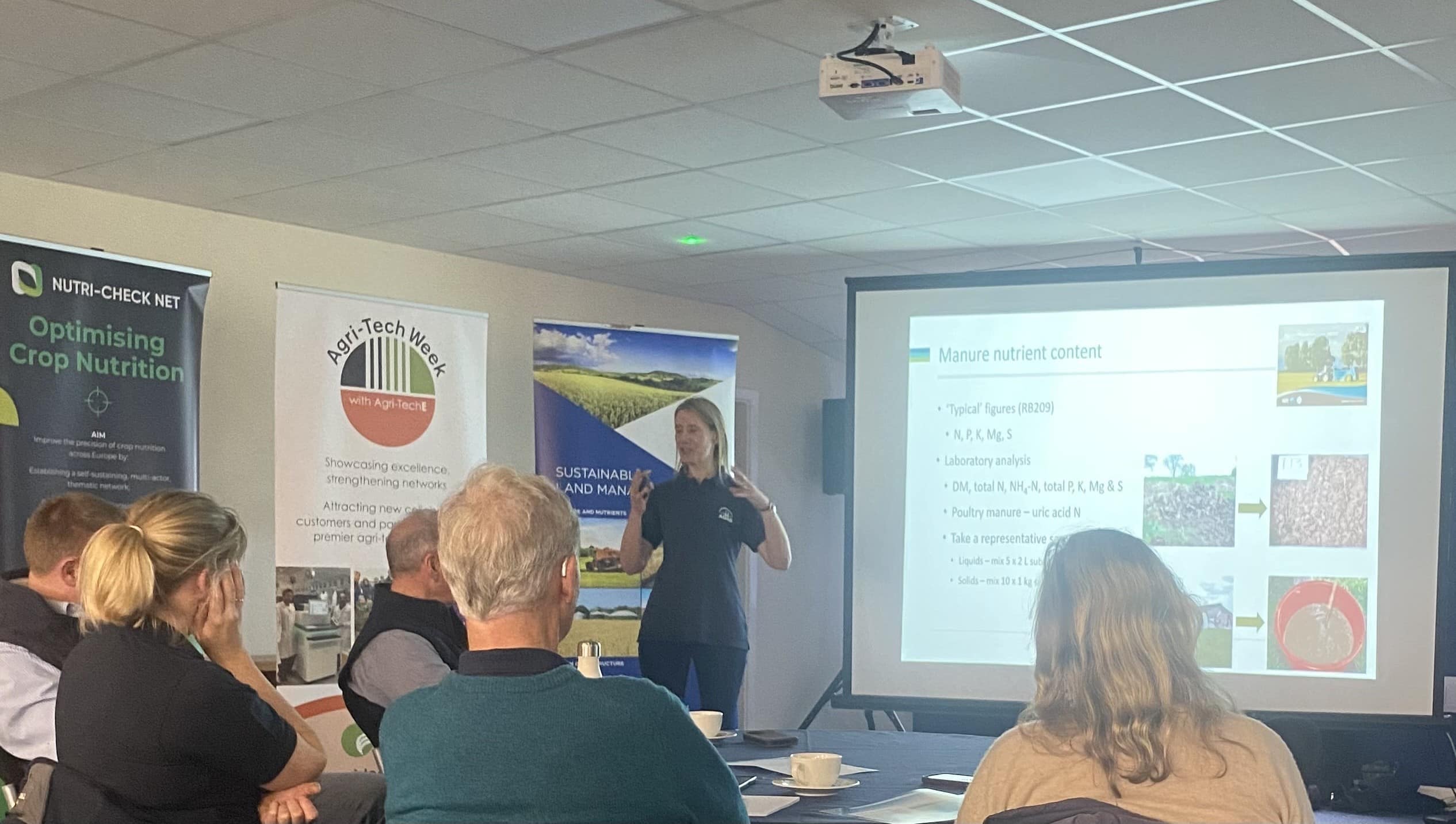
ADAS were delighted to host another successful AgriTech Week event this year — ‘Making the Most of Organic Materials’.
We were pleased to welcome arable and livestock farmers, advisors, and scientists to the event last week.
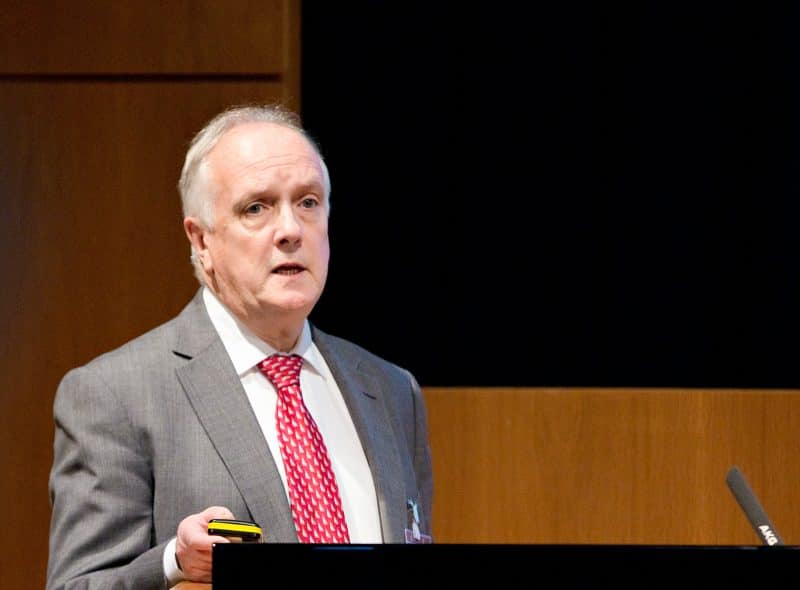
The day featured a fantastic line-up of speakers who shared a blend of research insights, future developments, and practical on-farm experience. Key topics included managing manures on farm, the fundamentals of manure management, improving slurry through separation, converting manures into organomineral fertilisers, crop nutrition, and real-time nutrient management.
It proved to be both an insightful and informative event, offering valuable perspectives on the use of organic materials — an increasingly important focus for sustainable agriculture.
Manures, slurries, biosolids, compost, and digestate all contain essential plant nutrients that can reduce the need for artificial fertilisers. With careful planning and management, their full potential can be unlocked to support both productivity and environmental sustainability.
Attendees commented:
‘A better understanding of the precise way to use these materials and a sense of excitement at the prospects of doing so.’
‘There is much promise in organic materials but much work still to be done in the field.’
ADAS would like to thank all our speakers and attendees for contributing to such a successful and engaging event — and for continuing the conversation around making the most of organic materials for a more sustainable future in agriculture.
Related Posts
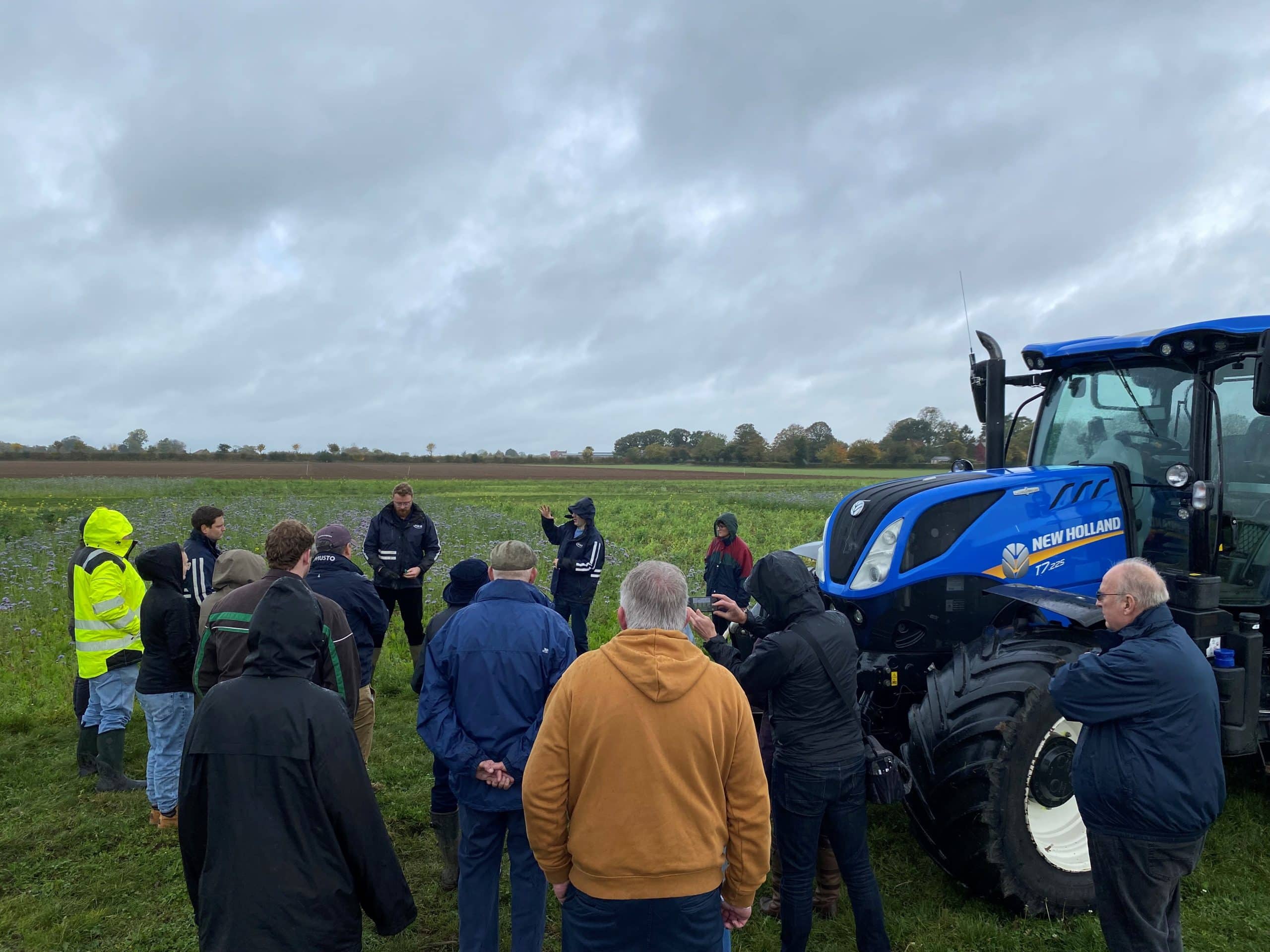
ATW 2025: You have to start somewhere
Is there Johne’s Disease in the herd? New rapid testing service provides yes/no answer
FOLIUM Science using Guided Biotics to reduce ammonia in poultry production
Five reasons for a farmer to attend REAP
Revolutionising livestock disease management