Lighting increases tomato yield by 12% – Light Science Technologies and CHAP trial finds
 Agri-TechE
 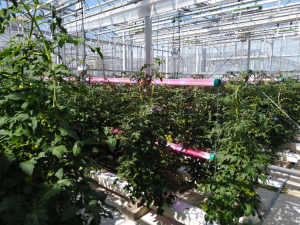 Supplementary light was found to increase tomato crop yield by up to 12.1%, a trial by Light Science Technologies (LST) and CHAP has found.
The 5-month project used three different lighting combinations to see which produced the most yield for the least energy, while finding the optimum balance between energy and yield.
The first used LST’s nurturGROW interlight only, the second used its nurturGROW high power top light and the third used both types of supplementary lighting.
The results showed that supplementary light increases crop yield by up to 12.1% even when used in summer months and that top lighting only is the most energy efficient lighting regime with 38.2% more fruit per kWh. The trial also revealed that interlighting only was the top performing light regime.
During the trial period, 7,880 tomatoes were grown, collectively weighing 615.31kg and with 7449.15kWh total energy used.
Andy Williams, Marketing Director at LST said: “The trial has shown the tangible gains and benefits of using an energy efficient grow light on vine crops, with further energy saved as the luminaire turns off when not needed. nurturGROW also reduces light wastage with its recyclable and reusable design, making it more sustainable.”
The project was carried out in conjunction with CHAP at the Stockbridge Technology Centre (STC), at their Advanced Glasshouse facility in Selby, North Yorkshire.
Light science increases yield
The facility enables new plant protection products and integrated crop protection programmes to be robustly assessed in field, glasshouse and hydroponic systems. 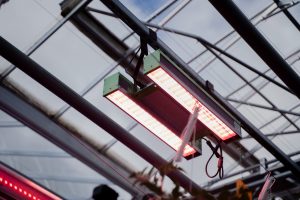 This provides benefits to food producers by offering more reliable trial conditions for their products, especially for biopesticides, with consequent benefits to the crop production sector in the form of increased product availability.
CHAP’s Technical Liaison Officer, Lucy Plowman, said: “Lighting has a huge impact on the success of glasshouse-grown crops, particularly in a grower’s ability to extend the production season for vine crops such as tomatoes. But, recent price hikes in energy costs means it is critical to ensure it is efficient as well as effective.
“The research undertaken by LST will help growers to strike this balance, as well as address environmental concerns associated with both energy waste and produce imports.”
More about Light Science Technologies Ltd
More about Crop Health and Protection (CHAP)
Post Overview
Agri-TechE Related Posts
Light Science Technologies aims to cut energy usage for growers through CHAP and STC trial
ATW 2024: Can vertical farming help feed the world?

Silal and Aerofarms collaborate to increase resilience of Abu Dhabi agriculture
Thinkable Studio & Gardin Selected for a Prestigious German Design Award
Germinating seeds, lightning-fast