The views expressed in this Member News article are the author's own and do not necessarily represent those of Agri-TechE.
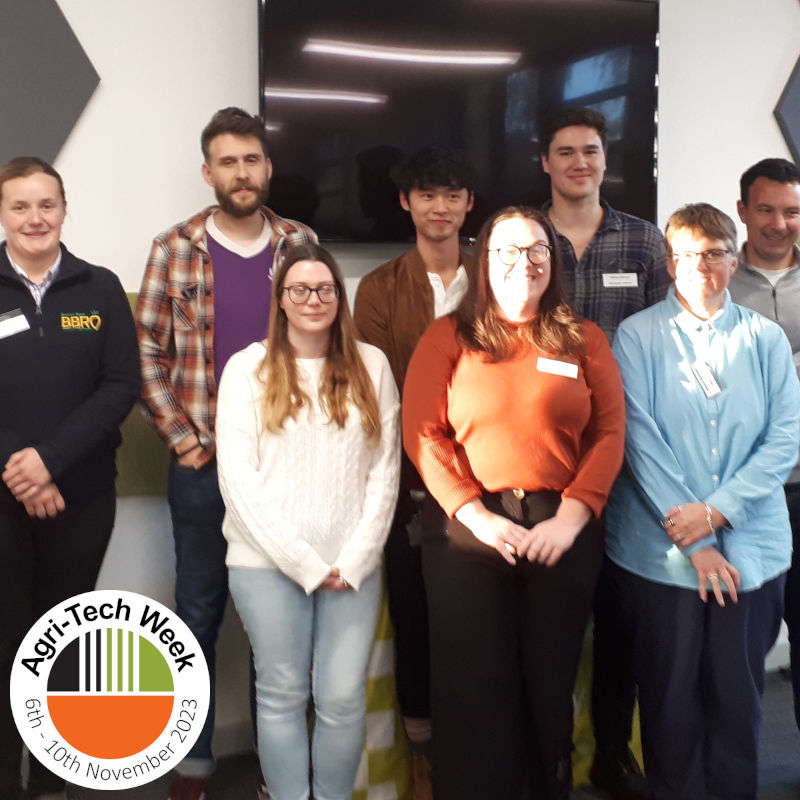
Agri-TechE Week 2025 celebrates its 12th year! Our largest yet, featuring 11 events curated by Agri-TechE and hosted by our incredible member community, followed by the REAP Conference on 4th November. This week exemplifies innovation, collaboration, and forward-thinking in agri-tech.
Each event reflects the strength of our ecosystem, showcasing what our community can achieve and bringing together our growers, researchers, and technology developers. A big thank you to our members for hosting – we wouldn’t have an agri-tech week without you and we are very proud to have your membership.
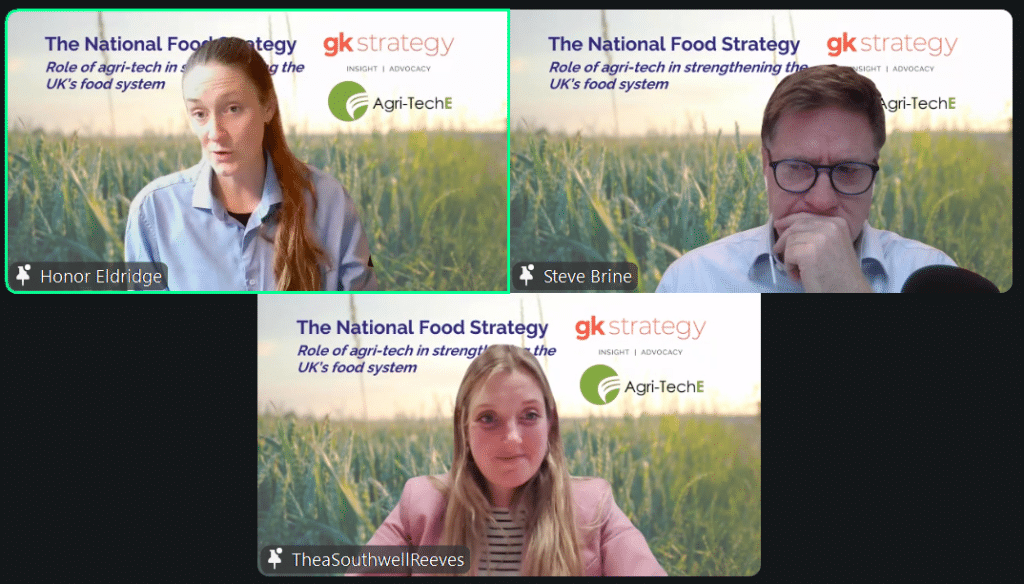
GK Strategy was delighted to host a webinar for Agri-TechE during #AgriTechWeek that featured former health minister Steve Brine, and food systems expert Honor Eldridge.
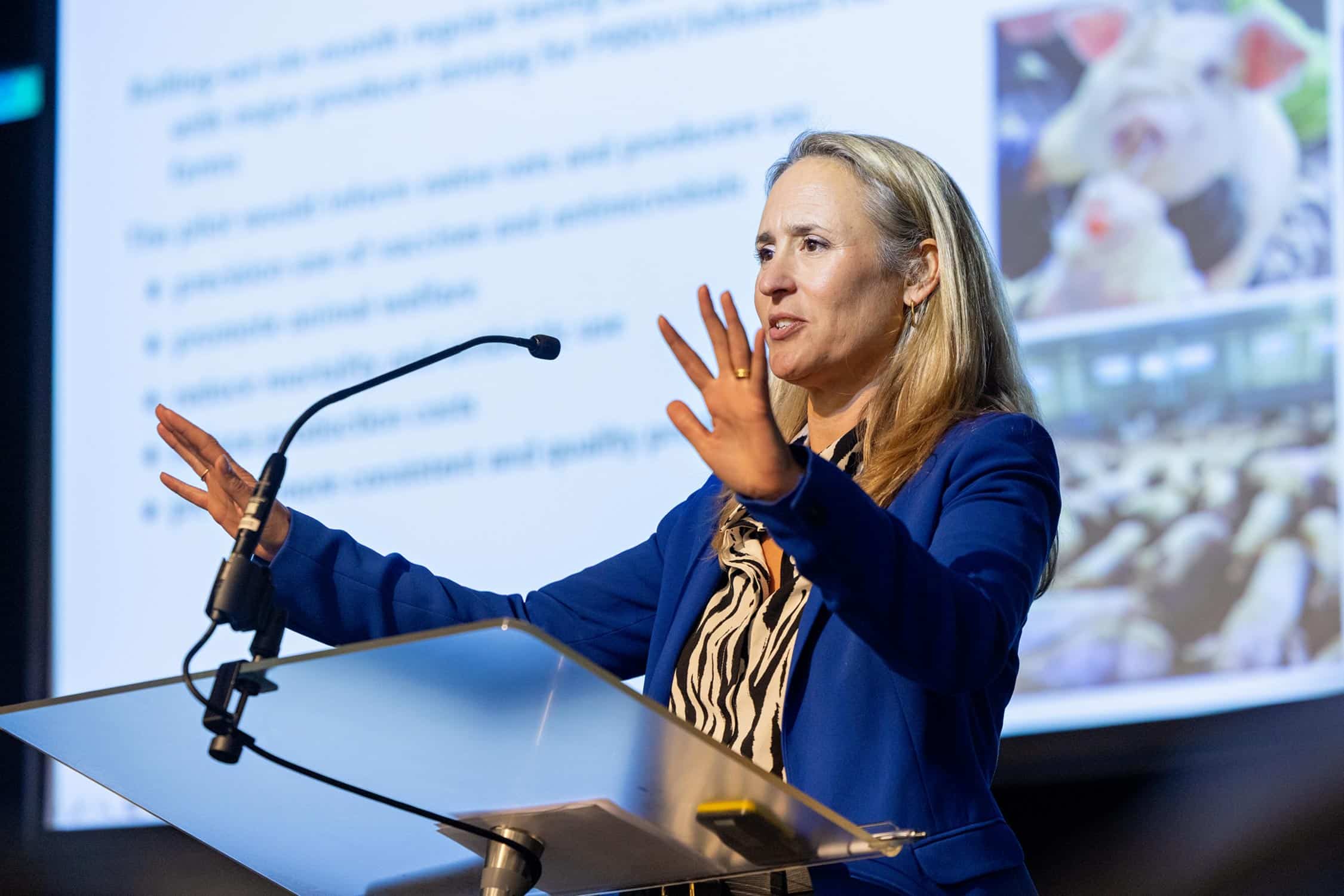
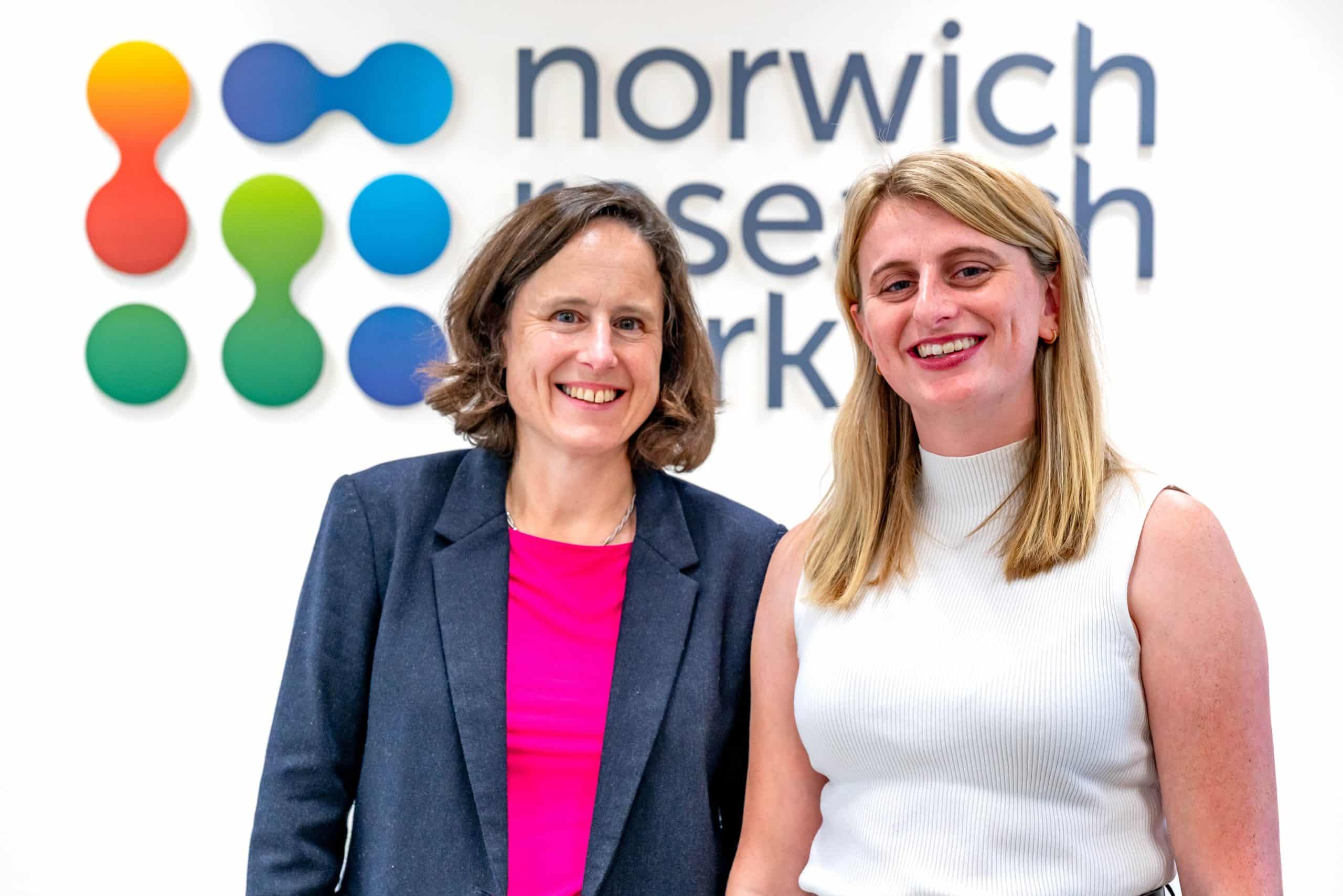
Food systems expert Honor Eldridge and former MP Steve Brine.
The discussion kicked off with Steve Brine setting the political context of the government’s national food strategy. While the Chancellor has soured relations with the agricultural sector, there is a clear political imperative for Labour MPs to rebuild trust and engagement with the sector. Newly elected Labour MPs in rural marginal constituencies are an important stakeholder in this process.
For the new national food strategy to succeed where its predecessor failed, it needs teeth and not just strong rhetoric. Steve Brine highlighted how fiscal mechanisms will need to be stronger to truly integrate public health priorities and the country’s food systems. Honor Eldridge spoke about how food supply chains demand stronger incentives to drive positive environmental change, including expanding access to agri-tech solutions to SMEs. Expected in Spring 2026, the publication of the national food strategy’s implementation action plan will be a defining moment for the government and the sector.
Both panellists agreed there is a role for the sector to change perceptions of agri-tech among policymakers. Honor brought to light the huge economic potential of agri-tech to help producers ‘do more with less and drive efficiencies’ which strongly aligns with the government’s economic objectives. Steve underscored the importance of framing engagement with Labour MPs in terms of social justice and inequalities. Agri-tech is a vital tool in addressing some of society’s most pressing public health priorities, can improve the country’s food resilience in boosting domestic production, and can help create and develop climate smart farming practices.
If you would like to pick up the conversation, please do not hesitate to contact thea@gkstrategy.com
*I have permission from the copyright holder to publish this content and images.
Post Overview
This story has been submitted by an Agri-TechE member.
The views expressed in this Member News article are the author's own and do not necessarily represent those of Agri-TechE.
Protecting valuable plant varieties and plant biotechnological inventions requires a nuanced understanding of the evolving legal environment. With regulatory changes and new legislative proposals creating a dynamic landscape for gene-edited plants, this webinar will provide you with the knowledge to make informed strategic decisions in Europe and the United Kingdom. Dr Daniel Shaw and Dr Carsten Reinhard will guide you through the latest developments, offering practical insights into:
Navigating the European and British Plant Variety Right (PVR) Systems: Learn the key differences and practicalities of filing and managing plant variety right applications in both jurisdictions.
Mastering Plant Patentability: Get up to date on patent-eligibility requirements for plant-related inventions in the European Patent Office, including possible implications of the ongoing debate on patents for gene-edited (NGT) plants.
Strategic IP Management: Discover how to build a cohesive IP portfolio by strategically using both patents and plant variety rights to maximise your protection and commercial advantage.
Join us on 11 November 2025 at (16:00 GMT) to ensure your IP strategy is aligned with the current legal realities of plant breeding and agricultural biotechnology.
Register here:
*I have permission from the copyright holder to publish this content and images.
Post Overview
This story has been submitted by an Agri-TechE member.
The views expressed in this Member News article are the author's own and do not necessarily represent those of Agri-TechE.
Soil Carbon Data for Scalable, Audit-Ready Climate Reporting
Downforce Technologies has been recognised in Manulife Investment Management’s Natural Capital Report 2024 as a key data partner in advancing scalable, credible soil carbon monitoring for sustainable land management.
Manulife – one of the world’s largest natural capital investors – is using Downforce’s high-resolution platform to monitor and assess soil health across its global farmland portfolio. By integrating Downforce’s data with their regenerative agriculture programme results, Manulife has gained critical insight into how practices such as cover cropping, reduced tillage, and crop rotation are influencing long-term improvements in Soil Organic Carbon (SOC).
Enabling Natural Capital Accounting at Scale
For asset managers, corporates, and landowners committed to climate goals, soil carbon is becoming a vital component of nature-based climate reporting. But for data to support financial-grade decisions, it must be robust, repeatable, and auditable.
That’s where Downforce delivers a unique advantage:
High-resolution SOC data from every 10m x 10m pixel
Repeatable insights derived from satellite imagery and geospatial analysis
Annual SOC data informed by observations every 10 days
Aligned with ISO 14064-1 and ISO 14064-2 for GHG accounting and removals reporting
Whether you’re validating the impact of regenerative practices or embedding soil carbon into broader ESG disclosures, Downforce offers a fast, cost-effective path to data that stands up to scrutiny.
Read the full Manulife Natural Capital Report 2024 → see here
Contact us to learn how our data can support your climate reporting or investment strategy.
*I have permission from the copyright holder to publish this content and images.
Post Overview
This story has been submitted by an Agri-TechE member.
The views expressed in this Member News article are the author's own and do not necessarily represent those of Agri-TechE.
“I’ve been in this space for nearly eight years, and I can’t find anything more compelling than this technology.”
Danielle Statham describes her discovery of Downforce Technologies’ remote measurements of soil organic carbon (SOC) which provide historic data and annual monitoring of carbon at 10m resolution, as a “game changer”.
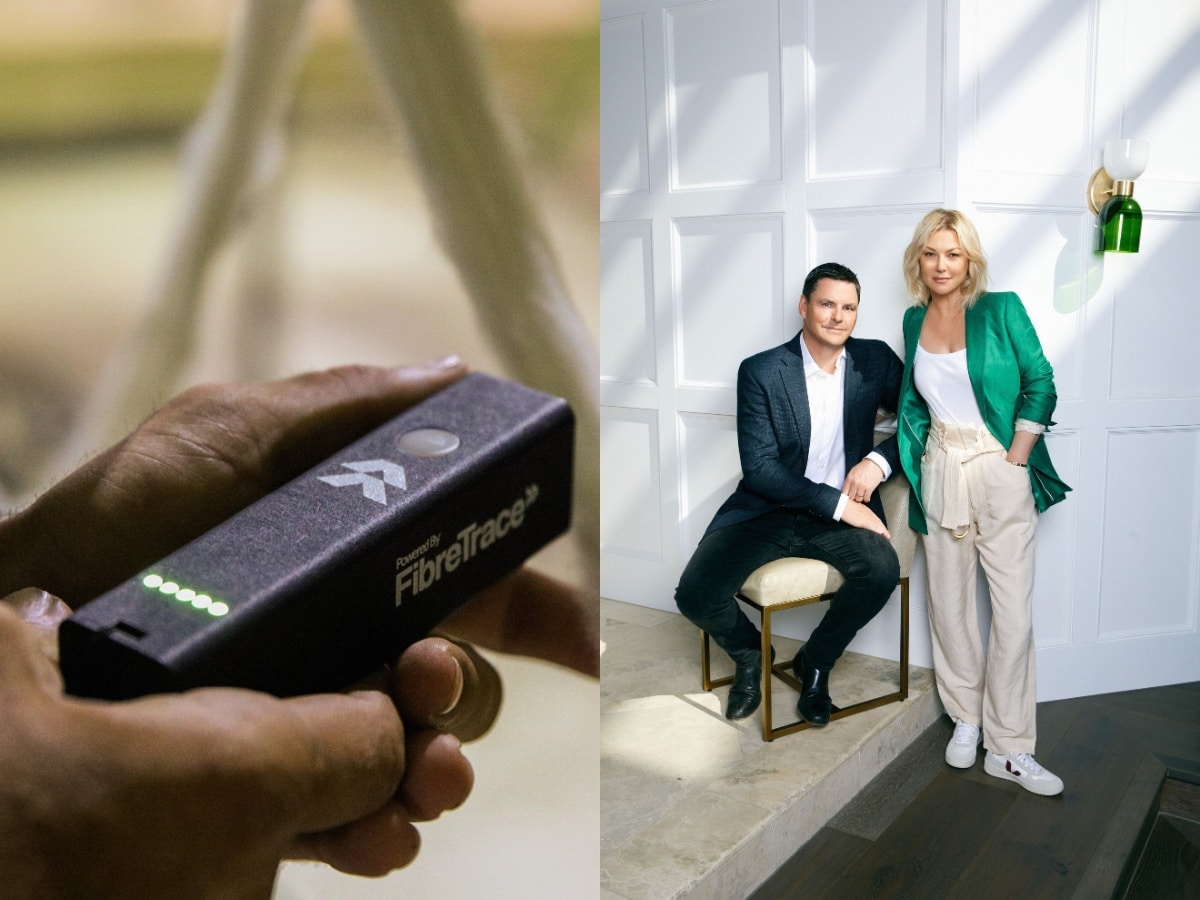
Danielle and her husband David co-own Sundown Pastoral Company and their cotton brand, Good Earth Cotton®, global leaders in regenerative cotton farming, producing cotton that is designed to restore ecosystems by improving soil health and capturing carbon.
Since starting the venture, the pair has been driven by a mission to lift the environmental profile of cotton and provide their supply chain with a climate beneficial fibre, but they needed a way to measure carbon levels at scale and monitor the progress throughout the growing season.
“Downforce gives us the metrics we need to prove our environmental claims,” Ms Statham said.
“It’s not just about saying we’re regenerative, it’s about showing it with real data and transferring that knowledge with integrity.
“Soil tests are essential for NPK testing, but we’re only positioning one point with a soil test. With Downforce, you get thousands of points.
“We thought it was too good to be true at first. But we gave Downforce a few blind tests in a biochar trial paddock where we had multiple soil test results. The Downforce figures came back as pretty much identical.
“The technology itself is a game changer for agriculture and environmental recordings at scale and having someone like Jacquie (McGlade, Downforce Co-Founder and Chief Scientist) and her intel in this space provides tremendous support.
“We work directly with many global brands. Greenwashing is an issue in the fibre industry as much as the textile and garment industry and legislative changes are tightening with what can and cannot be claimed. We can stand side by side with honest GHG Protocol-aligned environmental data, supported by real scientific research from experienced scientists.”
By delivering greenhouse gas emissions data through a three-year central moving average, Downforce enables Good Earth Cotton to quantify the positive outcomes of their farming practices.
Verified Traceability
Full transparency across the cotton supply chain is another key area where Downforce’s data helps Good Earth Cotton substantiate their claims.
Good Earth Cotton has partnered with FibreTrace®, a technology that provides full traceability for every bale of cotton. By embedding a luminescent pigment to the cotton at the gin, FibreTrace provides full fibre integrity and transfers the fibre intel when scanned at every stage of the supply chain, providing both physical and digital verification.
“Traceability has come a long way in recent years, but many brands still have no idea where their cotton comes from or the origin of the fibre it may have been blended with,” Ms Statham said.
“FibreTrace is like tracking a package, or putting an air tag on the cotton. By combining real-time digital monitoring with physical scanning of the garment, it gives visibility across the supply chain, so brands know exactly where their cotton comes from and where it ends up.”
With cotton traveling across continents and blending with other fibres, FibreTrace ensures that Good Earth Cotton’s product can be traced back to the source, maintaining the integrity of the product through to the finished garment or through to recycle.
Watertight traceability requires tangible, verifiable scientific data – which is where Downforce comes in. The data on greenhouse gas emissions, carbon sequestration, and soil health provided by the platform is a safeguard for Good Earth Cotton to verify its product across the supply chain.
Rodd and Gunn’s Shift to Verified Cotton
New Zealand-based menswear brand Rodd and Gunn relies heavily on cotton, which makes up more than 80% of its product range. While the brand has long used high-quality cotton, achieving full traceability back to the farm has proved challenging in the past.
Samantha Helmold, Rodd and Gunn’s Sustainability and Ethical Sourcing Manager, said that changed when Rodd and Gunn partnered with Good Earth Cotton.
“Good Earth Cotton were extremely transparent from the moment we met, providing a level of verified traceability that we previously struggled to achieve,” Ms Helmold said.
“In 2019 when we started voluntary reporting under the Australian Modern Slavery Act, we were becoming increasingly concerned about the allegations of forced labour linked to certain cotton growing regions. With the oncoming global supply chain legislations and increased NGO scrutiny, being able to confidently verify the origin of our cotton became our number one priority.
“Good Earth Cotton, backed by Downforce Technologies, provides us with a complete solution – physical and digital traceability with verified environmental data to support our claims.”
By integrating Good Earth Cotton into its products, Rodd and Gunn now have full transparency across a large majority of their cotton supply chain. FibreTrace ensures the cotton can be scanned and verified at every stage, while Downforce provides environmental impact reports that quantify its footprint.
“We won’t make a claim on our products that we can’t support with verified data,” Ms Helmold said.
“The combination of FibreTrace and Downforce’s data gives us the confidence to know that we’re meeting our commitment to responsible sourcing.
“It provides the consumer with a level of trust and assurance, empowering them to make a purchasing decision based on their own social and environmental values.”
The investment has been significant. In the first season, Rodd and Gunn sourced 300 tonnes of Good Earth Cotton to pilot across some of their core products. Due to an overwhelmingly positive response, the brand increased its order to 1,300 tonnes the following season, enough to produce over 1.5 million garments across their polo, tee, sweat and knitwear categories in the coming year.
The partnership with Good Earth Cotton has also strengthened Rodd and Gunn’s ability to prepare for future challenges, including global regulatory pressure, climate disclosure reporting and growing scrutiny over supply chain practises and partnerships. By leveraging the tools provided by Downforce and FibreTrace, the brand is well-positioned to meet these demands while continuing to deliver high-quality products into the future.
*I have permission from the copyright holder to publish this content and images.
Post Overview
This story has been submitted by an Agri-TechE member.
The views expressed in this Member News article are the author's own and do not necessarily represent those of Agri-TechE.
I’m still undecided on how I feel about this season, and from an agronomic perspective, I can’t quite predict where yields will land. On one hand, crops have faced relentless pressure: a wet autumn followed by a record breaking dry spring. But on the other hand, some crops have surprised me and are holding up remarkably well.
Oilseed rape crops, in particular, have developed large seed size and stayed remarkably clean. We’ve seen little to no disease all season across the board. The wheat, as expected, is burning off fast, but there’s still a fair amount of green leaf area left for grain fill. I’m cautiously optimistic about hitting protein targets, which feels more achievable this year.
That said, I think most of us are tired of the constant extremes in the weather. But I’m slowly coming to terms with the fact that this isn’t an anomaly anymore, it’s becoming the norm.
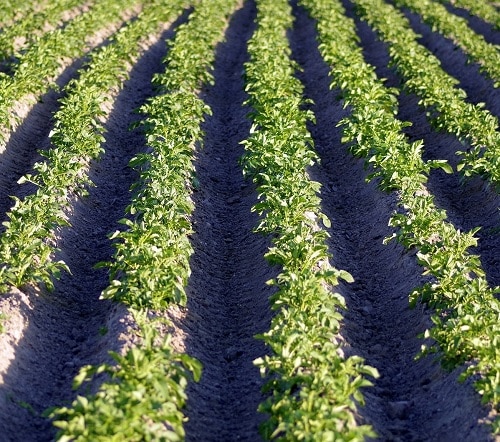
At home on the family farm, our investment in regenerative farming and building soil resilience has really paid off. After the 270 mm of rain we had at the end of September, we couldn’t even think about drilling until mid-November. Yet, the crops look remarkably well considering the challenges. The lighter land, in particular, has benefitted from being left undisturbed. Moisture retention has been far better, and those fields aren’t burning off or showing drought stress as badly as we would’ve anticipated.
Next year, like many of my farming clients, I’m already focusing on the future, though I’ll admit, we’re all getting a bit fed up with constantly hoping that next year will be better.
We do, however, have a number of positive changes on the family farm that we have implemented this year. We were fortunate to secure an SFI agreement before the scheme paused on the 11th of March, though I have to thank a well-timed rumour from a friend for that. Thankfully, I submitted Dad’s application just in time!
Our SFI agreement is designed to support regenerative practices we are already doing, such as direct drilling, companion cropping and no insecticide. As well as helping us to develop and implement further practices such as catch cropping and variable rate application of nutrients. These are to be layered onto our continuous wheat rotation. Some may question whether this is a sustainable rotation in a regenerative system. However, I do believe there is a place for this rotation in a regenerative system and above all this rotation will be profitable in a time when many rotations are marginal. There are several farmers in our area successfully growing continuous wheat with minimal take-all issues, largely thanks to healthy, functioning soils. My aim is to prove that you can grow your most profitable, highest margin crop year after year, but with one critical addition: diversity.
The views expressed in this Member News article are the author's own and do not necessarily represent those of Agri-TechE.
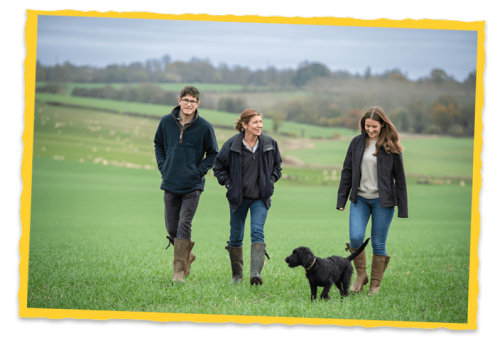
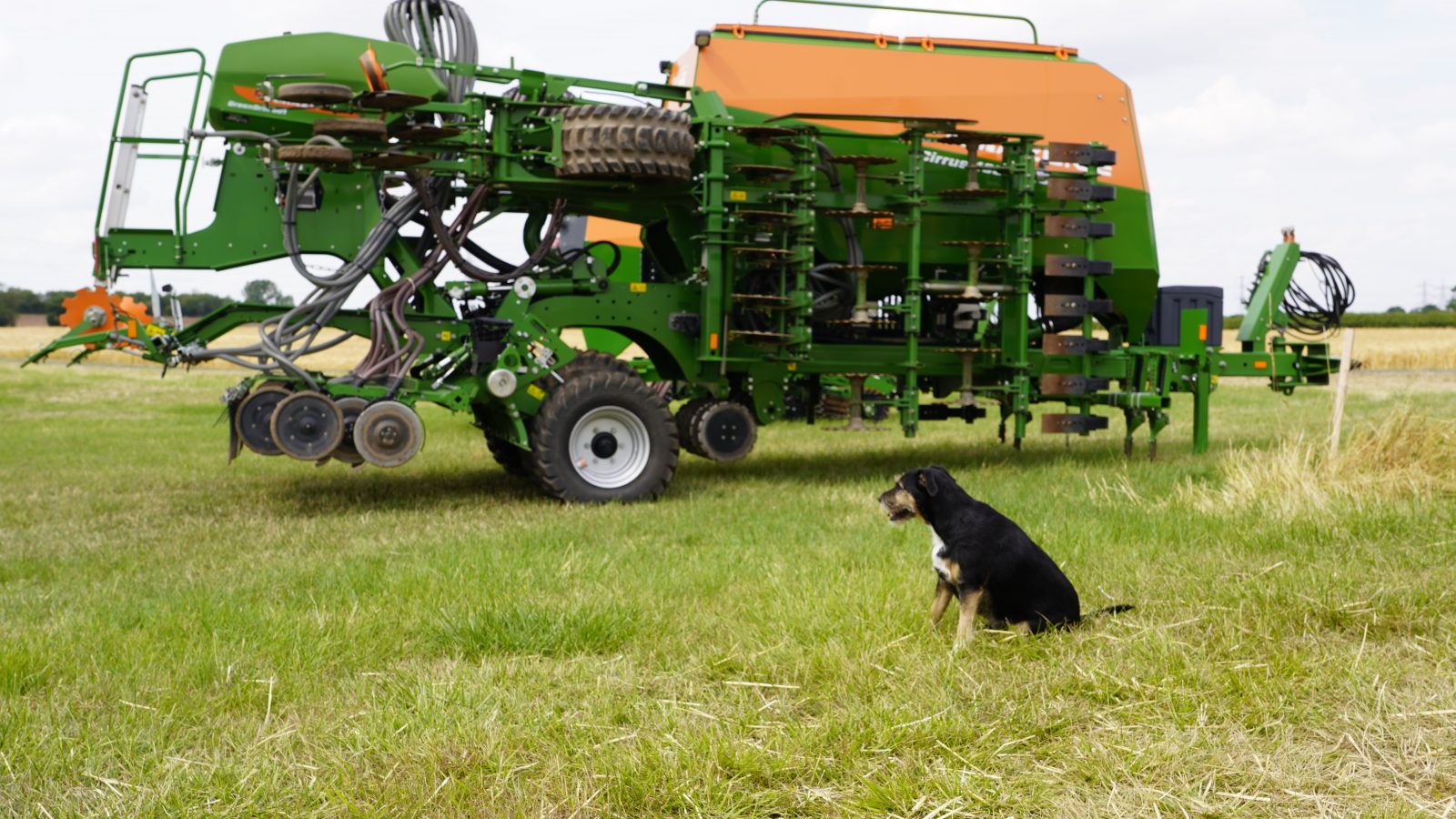
Manor Farm is a part of the Castle Ashby Estate in Northampton and is run by the Penn family.
This includes dad, David, his daughter Louise and sons Robert and George. As 2nd generation tenants, they have been farming wheat for as long as they can remember. A qualified agronomist, Louise is responsible for choosing the crops, when they are planted and implementing regenerative techniques to ensure the farm is working towards being as sustainable as possible.
There is nothing better than spending a summer’s day in the golden fields with the whole family coming together to get that grain in the shed. Dad drives the combine and my brothers or myself will be grain carting. Over the year, so much work goes into growing the best crop we can, but only when you’re sitting on the combine can you see the end result.
The views expressed in this Member News article are the author's own and do not necessarily represent those of Agri-TechE.
Downforce joins Leading Harvest to help scale climate-smart agriculture solutions
Downforce Technologies has joined Leading Harvest as an Activator to accelerate the transition to more sustainable and resilient agricultural systems worldwide.
Leading Harvest is a non-profit organisation that operates one of agriculture’s most extensive sustainability frameworks, with over three million acres (1.2 million hectares) of farmland enrolled globally across more than 100 different crop types.
The Leading Harvest Farmland Management Standard provides a framework for improving agricultural sustainability with core principles ranging from environmental factors including soil health and biodiversity to social factors such as farm labour and protection of special sites. Through the implementation of the Farmland Management Standard (FMS), Leading Harvest is harmonising and mobilising the entire supply chain while also ensuring that companies are continuously improving their operations.
Leading Harvest Director of Strategic Partnerships, Rebecca Gildiner, said “We are thrilled to have Downforce Technologies as an Activator with Leading Harvest. We are excited about the value that they can bring to our membership and are looking forward to the shared impact that we can create together.”
“Certifying members must identify areas for improvement from one year to the next through our core principle of continuous improvement. This generates positive impact for farm businesses each year while ensuring sustainability efforts keep up with evolving scientific findings, agronomic knowledge, and societal expectations,” Ms. Gildiner said.
“Activators like Downforce Technologies play a major role in the Leading Harvest ecosystem to drive continuous improvement and support the community of sustainable agriculture practitioners. Activators assist our members in obtaining certification or measuring outcomes associated with their certification with use of their products or services.”
Downforce Technologies Head of Product & Business Development for the Americas, Luke Richards, said the company was looking forward to supporting the Leading Harvest community and furthering sustainability in agriculture.
“What we like about Leading Harvest is that they have a strong presence with asset managers and those who own the farmland and have the greatest interest in long-term prosperity and sustainability,” Mr Richards said.
“Other sustainability standards usually target the product coming from the farm, but our focus – the soil – doesn’t leave the farm, so targeting the asset just made a lot of sense to us.”
As an Activator, Downforce is already working with an existing Leading Harvest member on a project to measure outcomes associated with certification. This project will assist in meeting two FMS objectives – soil health and conservation, and energy use, air quality and climate change – through its US-patented methodology for remote assessment of soil organic carbon at scale, anywhere in the world.
“In this project, we will work with multiple Leading Harvest Program Users to provide data to measure how effective their on-farm practices are” Mr Richards said.
“It really comes down to the Farmland Management Standard providing a playbook for system change and behavioural change that needs to take place to transition towards a sustainable and resilient global agriculture system.”
“Standardising the approach required enables collective action.”
*I have permission from the copyright holder to publish this content and images.
Post Overview
This story has been submitted by an Agri-TechE member.
The views expressed in this Member News article are the author's own and do not necessarily represent those of Agri-TechE.
eg technology is pleased to announce the promotion of Russ Farn to the position of Director.
Russ will join the eg technology Board of Directors, where he will contribute to shaping the company’s strategic direction and guiding the oversight of operational planning and project delivery. The Board also carries fiduciary responsibility to the Employee Ownership Trust, ensuring alignment with its values and long-term vision.
Having joined eg in 2008 as a design engineer with a focus on industrial design, Russ progressed to become the departmental and technical lead for industrial design and mechanical engineering. In 2023, he was appointed as an Associate Director to support the growth of eg technology through the strategic development of internal capabilities and exploration of external opportunities.
Russ continues to oversee the creative and technical direction of complex engineering projects within his multidisciplinary team and is a senior point of contact for clients. In particular, he advises on complex challenges in relation to human factors, concept development, detailed design and transfer to manufacture, focusing on system engineering and risk management.
Russ will join Rouzet Agaiby, Paul Edmondson, Helen Coppen and David Warwick on the Board of Directors from October 1st.
David Warwick said:
“We are delighted to welcome Russ to the Board of eg technology. His input is highly valued, and as well as driving successful outputs from the design team, he has a real passion for the continued development of our employees, seeing this as a key component in the strategic growth of the company. With a wealth of experience, Russ brings a thoughtful perspective and a results-driven approach that will help unlock new opportunities for both our clients and our employee-owners”.
About eg technology
eg technology is a product design, engineering and development specialist based in Cambridge, UK, with a second office in Galway, Ireland. We provide an integrated solution for innovators requiring the expertise to bridge the gap between their idea and a market-ready product. eg works with organisations, from start-up to blue-chip, to deliver inspiring, marketable and industry-transforming products across MedTech, Lab/BioTech, VetCare, CleanTech, AgriTech, Consumer and Food/Drink Sectors. Specialising in electronics and software engineering, industrial and mechanical design, human factors, project management, technical due diligence and regulatory compliance, we know how to solve technical challenges and make things work. eg is an agile and adaptive development partner providing tailored project delivery, whilst minimising risk from concept through to transfer to manufacture in an ISO 13485 accredited framework.
eg transitioned to Employee Ownership in March 2023, placing the ownership and management of the company in the hands of our team, under the careful governance of the Board of Trustees. The transfer of ownership to an Employee Ownership Trust (EOT) provides security for the business going forward, whilst ensuring that our company is run for the benefit of all employees.
eg technology is committed to sustainable growth, collaborative innovation and delivering exceptional value to clients and stakeholders.
For more information on getting your technology or ideas to market, or to chat with one of the eg team about your product design and development requirements, please contact us.
The views expressed in this Member News article are the author's own and do not necessarily represent those of Agri-TechE.
Historic offer of free soil carbon reports for every Oxbury Bank loan customer
In a first for the United Kingdom, Oxbury Bank is set to offer free soil carbon analysis for every one of its loan customers, providing valuable new insights into more than 120,000 hectares of the nation’s farmland.
Soil organic carbon (SOC) is a key marker of the overall health and productivity of soil, a key component in farm profitability. Soil is also the world’s second largest greenhouse gas sink, behind the ocean, containing more carbon than the atmosphere and vegetation combined.
The SOC assessments will be completed by pioneering remote measurement and natural capital company, Downforce Technologies, which was founded by former Chief Scientist of the United Nations Environmental Programme, Professor Jacquie McGlade.
Downforce Technologies Chief Product Officer, Geoff Horrell, said it was a major development in both agriculture and banking and would generate valuable information for UK farmers.
“We are proud to be partnering with Oxbury Bank on such an exciting initiative that sets a new benchmark in banking that will unlock incredible insights for their customers,” Mr Horrell said.
“They will get a detailed map of the carbon levels in their soil down at a 10m resolution, with a dynamic assessment over time, providing an historical view of how those levels have changed with different farming practices over time.
“Given how important soil carbon is to soil health and yield, this will help inform farm management decision making, and, given the precision of our US-patented methodology, can be used to underpin reporting requirements to banks and supply chains.”
Oxbury Bank Chief Commercial Officer, Matt Ryan, said the initiative was a natural fit for the only UK bank solely dedicated to agriculture, food and farming.
“We launched in 2021 with a commitment to advancing the entire rural economy and this is a practical way we can help our customers in their farming decisions and management of greenhouse gas emissions,” Mr Ryan said.
“In addition, Oxbury is launching a new credit facility that enables farmers to manage their cashflow as they transition their businesses in order to reduce emissions and increase resilience. This is another first for UK farming businesses and another way Oxbury is looking to support this critical sector.”
The globally unique Oxbury Transition Facility provides funding for farmers to manage their cashflow and capital needs to transition their business to increase their resilience by reducing carbon emissions and improving their soil health and soil organic carbon.
Oxbury Co-founder and Managing Director Nick Evans said:
“Oxbury spent two years developing the Transition Facility ensuring that it understood the needs of farmers and the supply chain. The Bank concluded that the whole industry including government, banks and the supply-chain needs to work together to support farmers to remain profitable while reducing emissions and improving soil health. Our partnership with Downforce Technologies illustrates one such collaboration and will help farmers measure and prove that the changes that they have implemented are delivering results.”
The data from the assessments will also contribute to Oxbury Bank’s natural capital report, which is breaking new ground in assessing and disclosing the nature-based impacts of the bank, its supply chains and customer activity financed by the bank.
Trial finds customers “enthralled”
Oxbury Head of Sustainable Banking, Carolien Samson, said the announcement followed a successful pilot program conducted over the past 12 months.
“We have trialled Downforce with a number of customers already and they have been excited by the results,” Ms Samson said.
“They are enthralled by the fact that they can estimate the gap between their emissions and carbon stored on-farm in much more detail and assess the scale of change needed over various time scales.”
Oxbury non-executive director and West Hertfordshire cereal farmer, Richard Percy, took part in a pilot project and was interested to close some important information gaps.
“We’re essentially growing combinable crops – wheat, oilseed rape and spring barley for malting,” Mr Percy said.
“We know how much carbon we’re using to produce our crops but what we didn’t know was how much we’re tying up in the soil and, more importantly, how that changes from year to year.
“So now we know where we stand and what we want to try to do is see how we can reduce that going forward.”
Richard’s son, Henry, helps run Cottingham Farm and said he was surprised with the results.
It’s actually really easy to see the trends,” Mr Percy said.
“It’s given us historical data and we can link it to things like rainfall and cropping and we can make decisions with that.
“In the short term if we can make little changes and see results going forward then we can change the way we crop, we could use more cover crops, we could introduce a livestock farmer to take those cover crops and be more adventurous on that side.”
For more information on the program visit the Oxbury Bank website. To learn more about how Downforce Technologies can help your farm operation, get in touch.
*I have permission from the copyright holder to publish this content and images.
Post Overview
This story has been submitted by an Agri-TechE member.
The views expressed in this Member News article are the author's own and do not necessarily represent those of Agri-TechE.
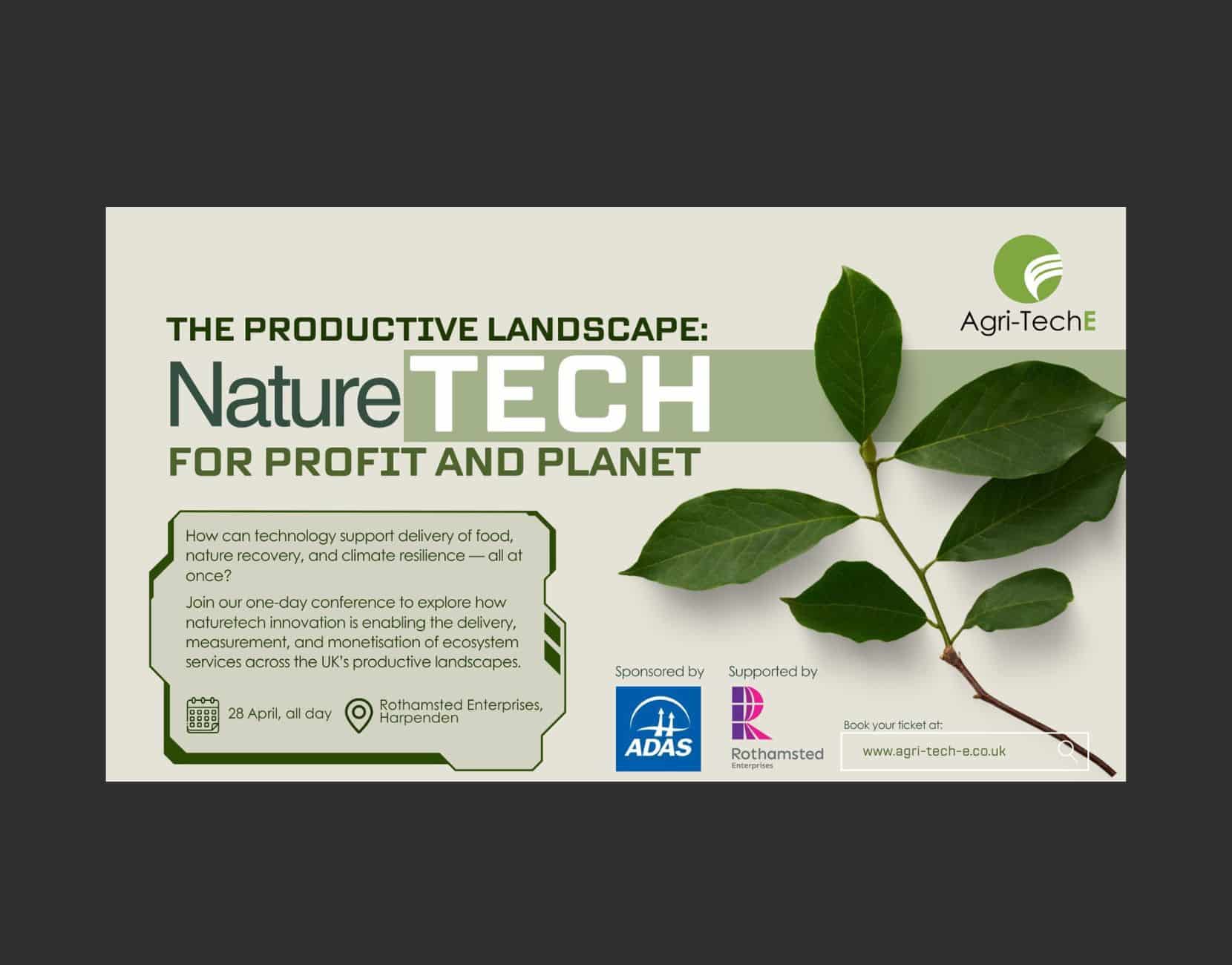
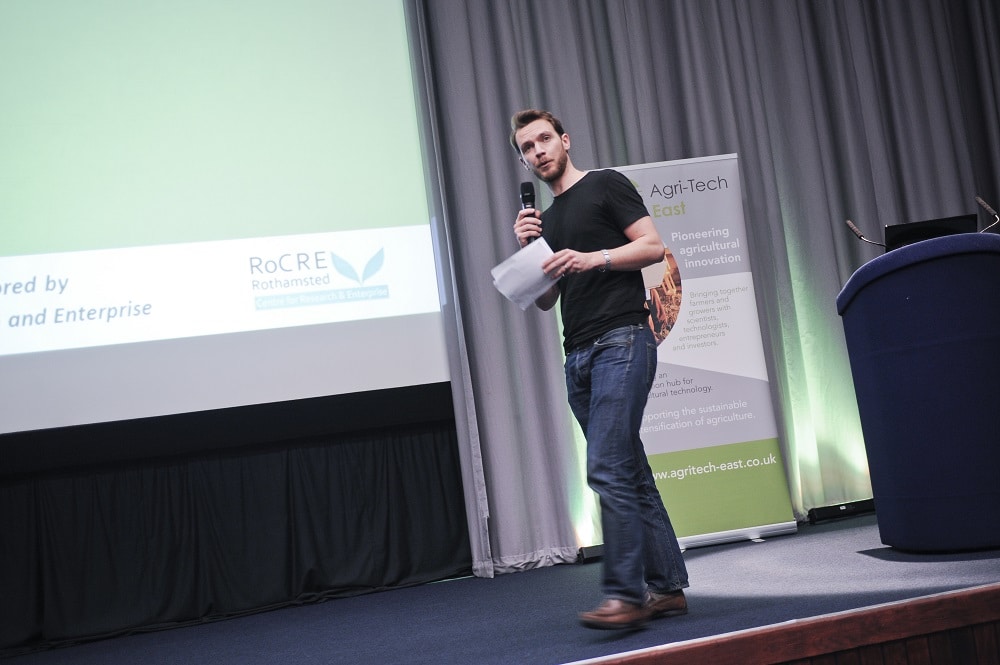
We are pleased to share details of an upcoming event hosted by Rothamsted Enterprises. The Campus Discovery event will take place on Wednesday 26th November, 9am – 1:30 pm at the Rothamsted Conference Centre, Fowden Hall.
This bi-annual event brings together Rothamsted-based scientists, innovative companies on campus, and the wider agri-tech community to explore opportunities for innovation and collaboration.
Attendees will:
Hear from leading researchers and agri-tech businesses about current projects and opportunities for collaboration
Explore an exhibition area showcasing Rothamsted’s scientific services, research facilities, agri-tech innovators, and external organisations
Network with stakeholders across academia, industry, and government
Discover how to build strategic partnerships that support innovation and transformative change
The event is free to attend and includes a buffet lunch.
The views expressed in this Member News article are the author's own and do not necessarily represent those of Agri-TechE.
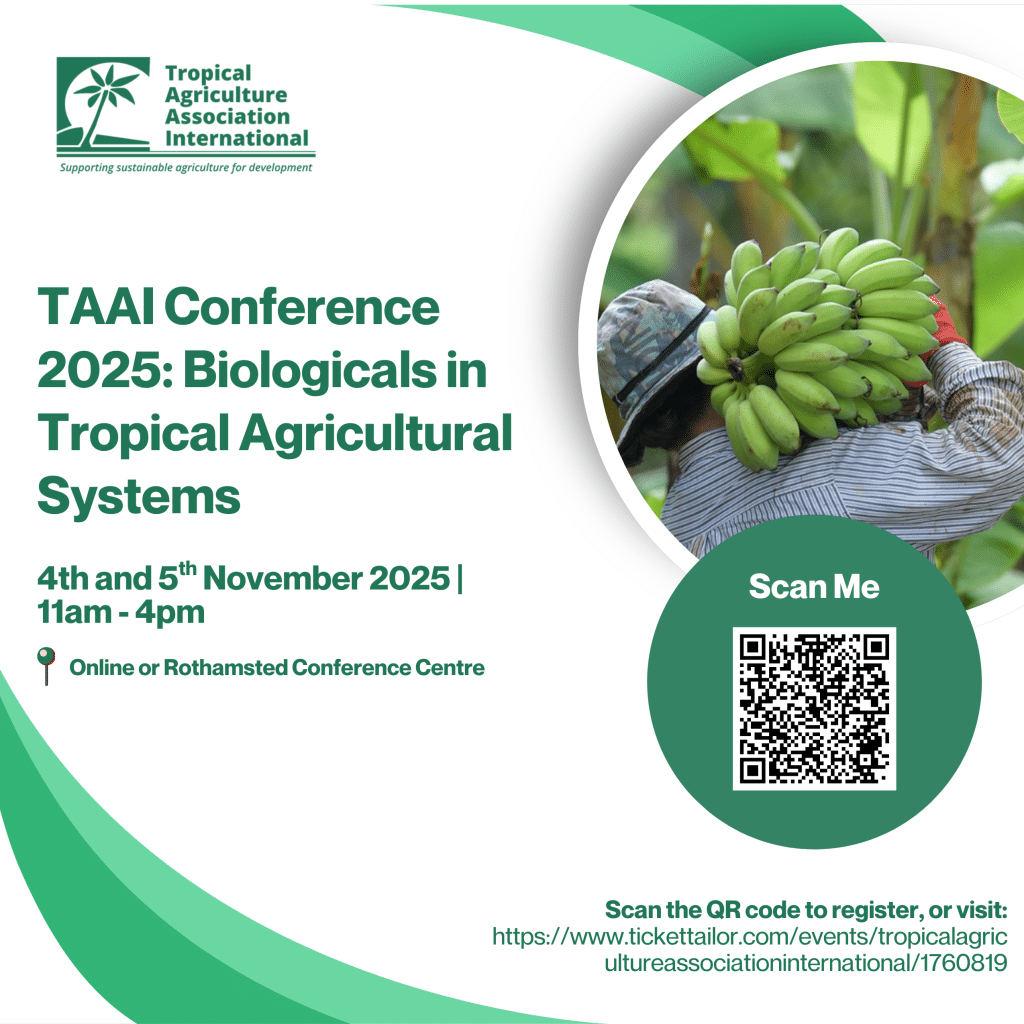
Join the TAAI Conference on Biologicals in Tropical Agricultural Systems on Tuesday 4th – Wednesday 5th November 2025| 11am – 4pm at Rothamsted Conference Centre on the Rothamsted campus, Harpenden, UK.
Organised by the Tropical Agriculture Association International (TAAI), this hybrid conference is designed for researchers, practitioners, policy makers, and anyone interested in the practical application and development of biological solutions.
By attending the conference, you will:
Explore real-world experiences in the development and use of biological agents for soil, nutrition, and plant protection
Gain insights into overcoming challenges from research to market adoption
Identify future opportunities and emerging trends in tropical agriculture
Network with global experts and peers in the field
Access conference papers and posters published in TAAI’s open-access journal Agriculture for Development
The views expressed in this Member News article are the author's own and do not necessarily represent those of Agri-TechE.
Extreme weather events, from heavy rainfall to heatwaves and droughts, are increasingly threatening crop yields globally, so new solutions are needed for agriculture.
An international team from the University of Cambridge, University of Adelaide, University of Western Australia and NASA have reimagined how we grow food into the future.
The paper was published in the journal ‘Trends in Plant Science’ and has been chosen for inclusion in an upcoming 30th anniversary special issue titled ‘Big concepts – shaping the future of plant science’.
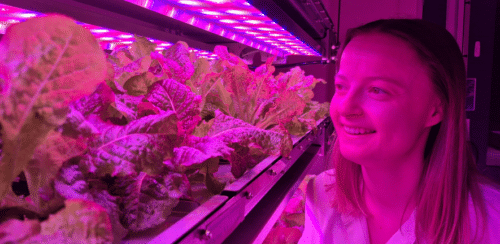
The work highlights how new developments in controlled environment agriculture (CEA) offer a powerful opportunity to accelerate the translation of fundamental plant science discoveries into real-world agricultural impact.
“With the right investment, these innovations could redefine what it means to grow, eat, and share food in the 21st Century,” said co-author Professor Alex Webb, Head of the Circadian Signal Transduction group at the Department of Plant Sciences.
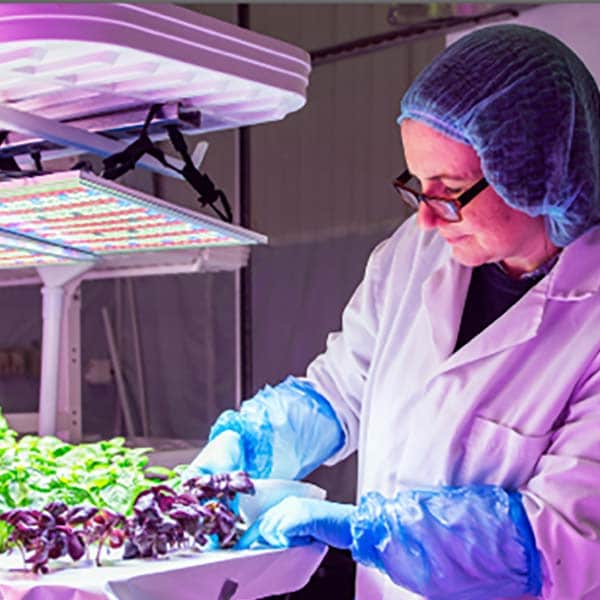
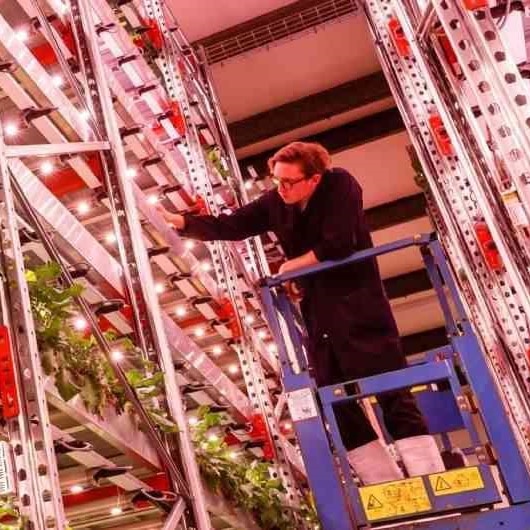
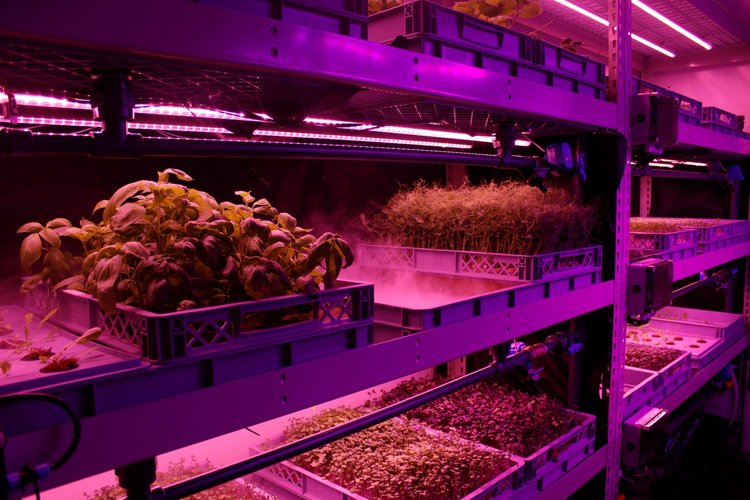
“Controlled environment agriculture allows crops to be grown indoors under the precise control of light, temperature, humidity, carbon dioxide, and nutrients, while reducing pest risks,” says Dr Alison Gill, postdoctoral researcher at the ARC Centre of Excellence in Plants for Space, the University of Adelaide, and first author of the paper.
“The result is food that can be produced anywhere, year-round, with yields up to 20 times greater than traditional agriculture, with much less arable land and water required.
“By combining decades of plant science with new technologies to track crop health and fine-tune plant growth, we can grow food that is more consistent, nutritious and tailored to our needs. CEA is not a platform that will replace traditional farming, but it is a powerful supplement.”
While the work was inspired by research focused on growing plants in controlled environments in space as part of a UK and Australian Space Agency funded collaboration, the greatest impacts will be here on Earth.
“What began as space science, with experiments designed to grow food beyond Earth, has enabled us to create a blueprint to deliver big impacts back home. In Australia, container farms could bring fresh produce to remote outback communities, cut food miles, and help supplement farmers’ incomes during drought using recycled water,” says Dr Gill.
“We also envisage indoor plant-based pharmaceuticals and other high value bioproducts as a massive economic opportunity for CEA.”
To date, successful CEA production has been limited to small, pick-and-eat crops like lettuce, herbs, cucumbers, and microgreens, with considerable challenges in building and running the high-tech farms efficiently.
“We have identified specific targets that plant scientists must address, and the routes by which this could be achieved, as a pre-requisite for controlled environment agriculture to form a viable production platform going forward,” says Plants for Space Director and the paper’s senior author Professor Matthew Gilliham.
“This includes a pre-breeding pipeline for traditional horticulture, broadacre agriculture and even forestry, increasing opportunities beyond pick-and-eat crops.”
Professor Webb said creative minds are needed to adapt crops to indoor environments, in combination with the latest technologies.
“It is only now that we have these tools, so by combining precise environmental control with cutting-edge plant science, we can begin to grow plants that are best suited to meet the challenges ahead,” he said.
“If implemented to its potential it would secure fresh food supplies locally all year round, even under extreme weather, from inner cities to the most remote corners of the planet and beyond.”

 GK Strategy




 J A KEMP LLP


 Downforce Technologies Limited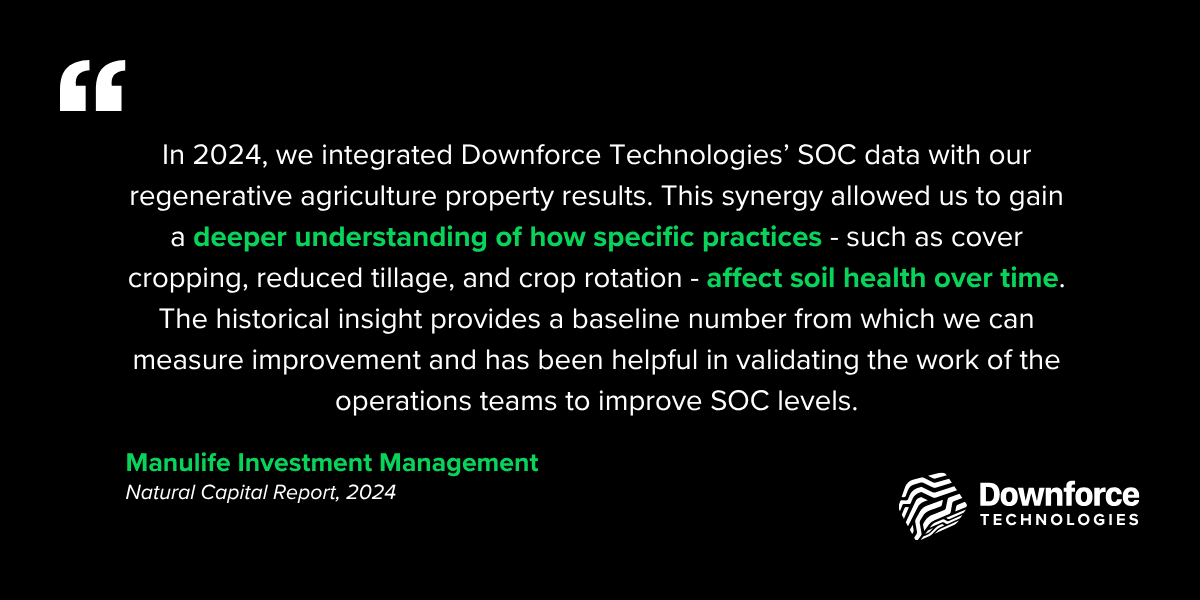




 D Penn








 eg technology Ltd




 Rothamsted Enterprises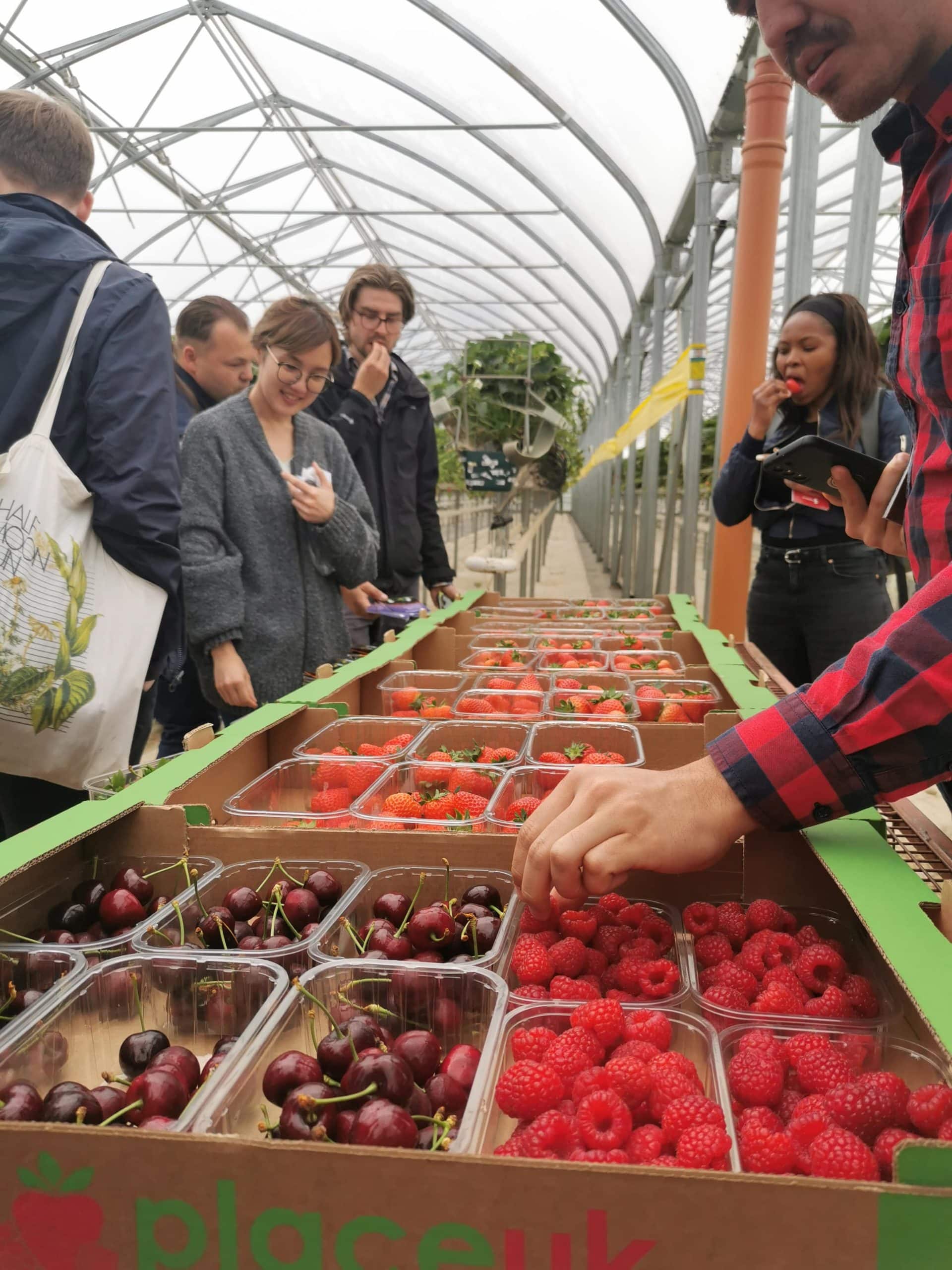



 University of Cambridge