Patenting, Trademarks, Copyright, Trade Secrets...
In the next installment of our micro-learning series, we’ll explore potential legal solutions to help you keep your ideas safe and sound.

A new way to navigate Australia’s Research and Development Corporations
Member News
The views expressed in this Member News article are the author's own and do not necessarily represent those of Agri-TechE.

The Australian agricultural innovation landscape has never been more dynamic. With climate change, sustainability pressures, and evolving consumer demands reshaping how we produce food and fibre, the need for targeted, industry-relevant research and development has never been greater.
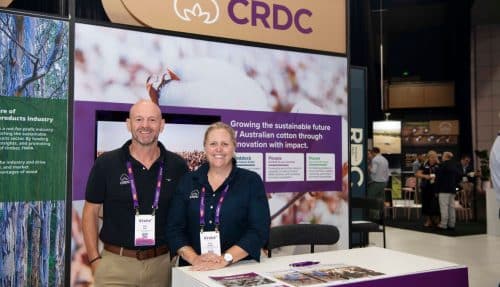
That’s why we’re excited to launch our comprehensive Research and Development Corporation (RDC) pages. ‘Explore RDCs’ is a dedicated section of the growᴬᴳ platform that explains Australia’s RDC landscape and provides clear pathways for startups and scaleups, businesses, and international stakeholders to engage meaningfully with rural industries.

Understanding the RDC system

Australia’s 15 RDCs operate at the unique intersection of industry, government, and research. They’re not just funding bodies; they’re strategic partners that enable government and primary producers to co-invest in innovation that drives real industry impact and benefits regional communities.

The numbers tell a compelling story: for every dollar invested in agricultural R&D, farmers see almost an eight-dollar return over ten years. But beyond the impressive ROI, RDCs provide something invaluable – insight, market connection, and pathways that can transform promising innovations into practical solutions for their industry.

What you will find in ‘Explore RDCs’

‘Explore RDCs’ provides comprehensive information about RDCs in one easy-to-use place:

  • Complete RDC directory: Detailed profiles of all 15 RDCs, from Commonwealth statutory bodies like AgriFutures Australia and the Cotton Research and Development Corporation, to industry-owned companies like Dairy Australia and Meat & Livestock Australia.
  • Funding landscapes: Clear explanations of how RDCs are funded through industry levies and government matching, plus specific information about each corporation’s funding opportunities and cycles.
  • Strategic priorities: Up-to-date information on each RDC’s current strategic focus areas, helping you assess alignment between your innovation and industry needs.
  • Opportunities for engagement: Highlights programs, VC funds and innovation challenges run by individual RDCs designed to build capacity and source solutions to real industry challenges.
  • Connections: Access to growᴬᴳ’s concierge service where we can assist in connecting you with the right person within an RDC and understand your objectives.


Making connections that matter

Whether you’re developing precision agriculture technology that could enhance grain production, sustainable packaging solutions for horticulture, or animal welfare innovations for livestock or aquaculture industries, our resource helps you identify the RDC most aligned with your work and understand their specific priorities and funding mechanisms.

Each RDC page is designed to be actionable, meaning that these resources are downloadable with links to access growᴬᴳ’s concierge service, where we can assist in connecting you with the right person.


Getting started

Ready to explore how your innovation could contribute to Australia’s agricultural future?

Explore RDCs and start identifying which agricultural sectors align with your work. Dive into the specific RDCs, understand their priorities, and reach out to growᴬᴳ concierge service to explore tailored engagement pathways.

Wilder Sensing interviewed on BBC Radio 4’s Farming Today: Bioacoustics in practise

Member News
The views expressed in this Member News article are the author's own and do not necessarily represent those of Agri-TechE.

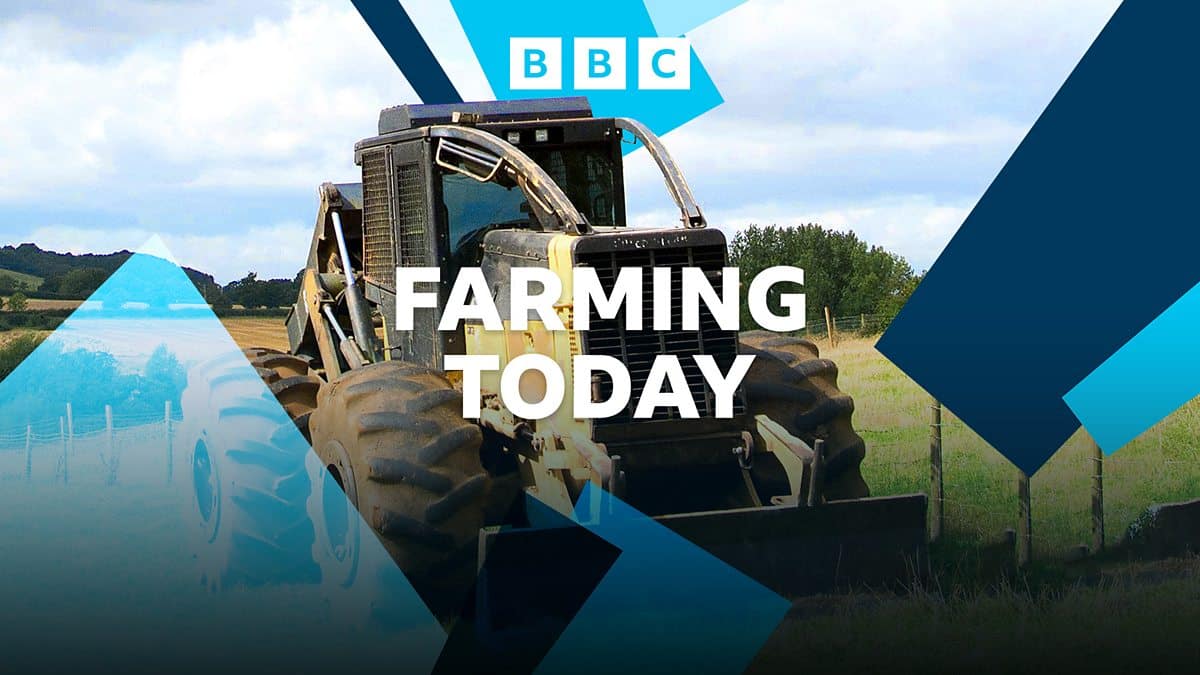
If you visit BBC Sounds and listen to the 11 September episode of BBC Radio 4s Farming Today, you will hear Wilder Sensing CEO Geoff Carss interviewed on a farm in Lincolnshire discussing the benefits of remote bioacoustic monitoring.

The segment focused on farmland birds and practical steps landowners can take to protect and enhance nature on their land. Forward thinking farmers working with Wilder Sensing are using remote monitoring to capture sound from the natural environment and, through our AI platform, convert it into usable ecological insight.

This approach makes it possible to monitor large areas at lower cost compared with manual surveying, helping landowners understand the real impact of their management choices in near real time. As highlighted in the interview, farmers can use this data to improve their practices and also strengthen the value of their produce with credible evidence demonstrating regenerative outcomes.

If you would like to discuss monitoring on your own sites, you can contact George Caterer at gcaterer@wildersensing.com

  • *I have permission from the copyright holder to publish this content and images.

New breeder at Barenbrug has UK’s grass needs in sights

Member News
The views expressed in this Member News article are the author's own and do not necessarily represent those of Agri-TechE.

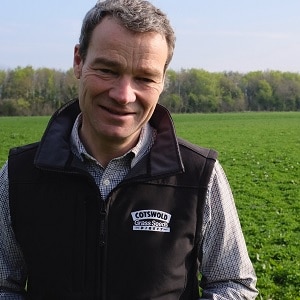
Barenbrug has signalled its ongoing commitment to top-class UK grass breeding with the appointment of Dr Charlotte Jones to the newly created position of Senior Breeder.

The country’s largest grower of grass seed, supplying thousands of tonnes each year to the agriculture and amenity sectors, says Dr Jones will head up a specialised forage breeding programme for the UK and Ireland based at the company’s new research site in Knutsford, Cheshire.

“This is a fabulous opportunity to create something really special,” enthuses Dr Jones. “We’re building on more than 30 years of breeding success here in the UK, a programme that has seen more than 50 varieties added to the Recommended List and cumulative grass yield increases of more than 0.5% per annum.

“For a breeder, this is an exciting time. UK agriculture is changing and shifting, and that’s what we’re here to help the industry with. We need new ryegrass varieties that can cope with changing weather and changing production objectives, and which are more compatible with more resilient species.

“Ryegrass is the most productive and nutritious grass available to farmers. But as a species it has a relatively shallow rooting system, which contributes to its failure to grow under water deficit.  For it to remain the grass of choice, these are just two of the traits that should be addressed,” she points out.

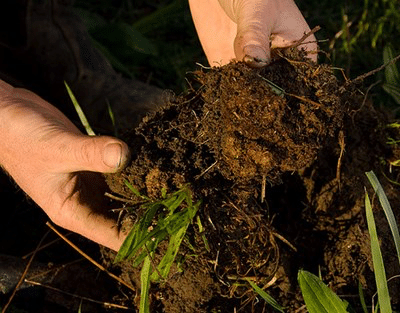
Dr Jones says traditional breeding programmes have emphasised above-ground performance, but with a more modern understanding of soil science now prevalent,

there are further opportunities to work out soil and root interactions and bring these onboard in setting breeding objectives.

Piet Arts, Barenbrug’s global research director, says with grass ‘the biggest crop in the world’, keeping the company at the forefront of research is essential. “Although Barenbrug has global resources, programmes, genetics to draw upon, it’s vital that the UK and Ireland have a bespoke, dedicated breeding programme that meets their current and future grass needs.

“This isn’t something that can be done from Europe, or New Zealand, or anywhere else,” he says. “With Charlotte’s appointment, we can increase our presence and commitment to the UK and Ireland, building on our UK heritage but now focusing on our own activities, breeding station and staff, no longer having to rely on an external partner.

“By exploring and exploiting all aspects of forage science, we can grow a competitive, expansive breeding programme that’s designed to meet future needs.”

Dr Jones has been involved in plant breeding throughout her career, following academic studies at Aberystwyth University. Her particular interests lie in trait discovery and the use of molecular tools to inform phenotype breeding.


Calling all agrifood tech innovators: Applications now open for the AgriFutures evokeAG. 2026 Startup Program

Member News
The views expressed in this Member News article are the author's own and do not necessarily represent those of Agri-TechE.

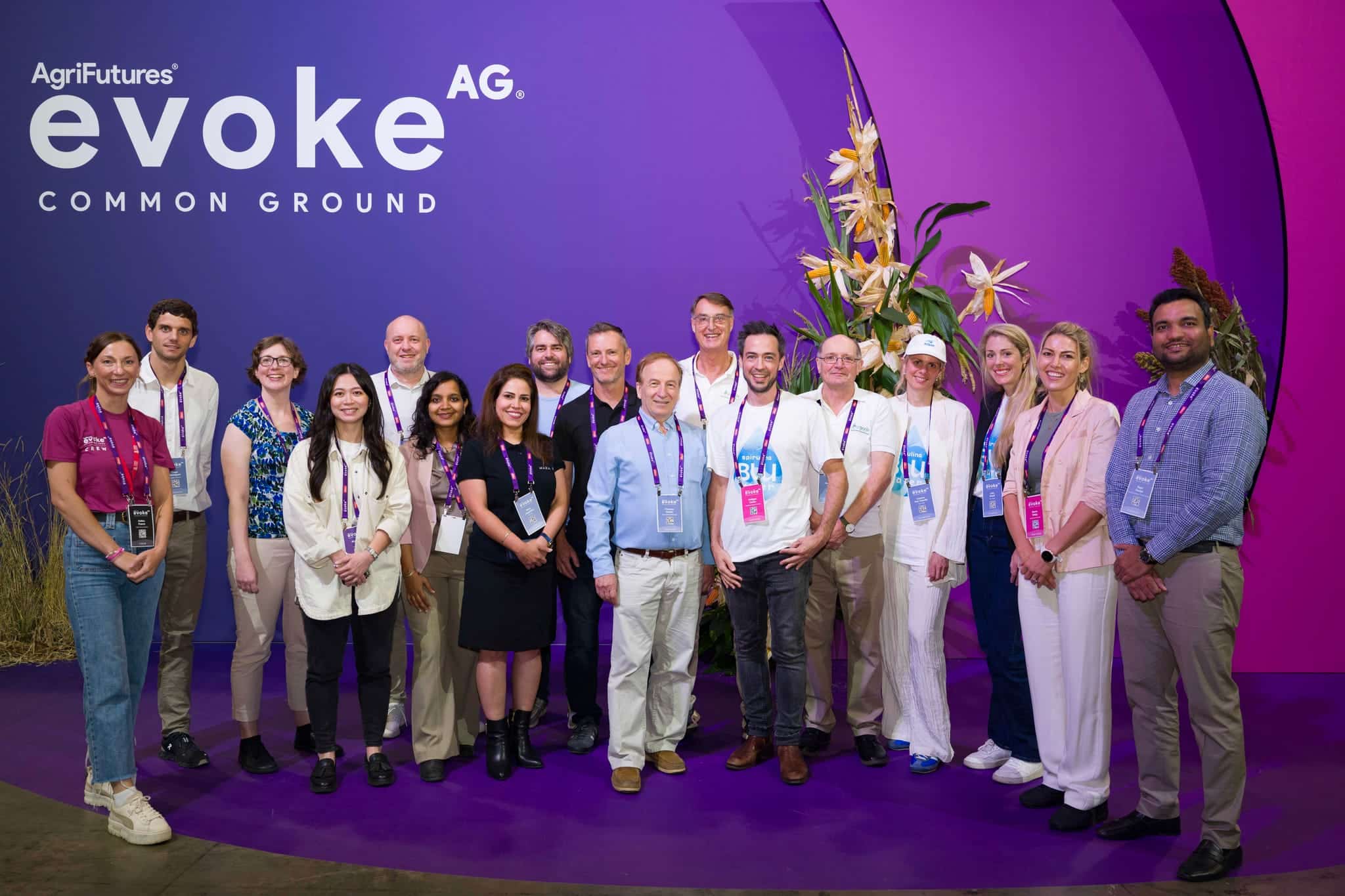
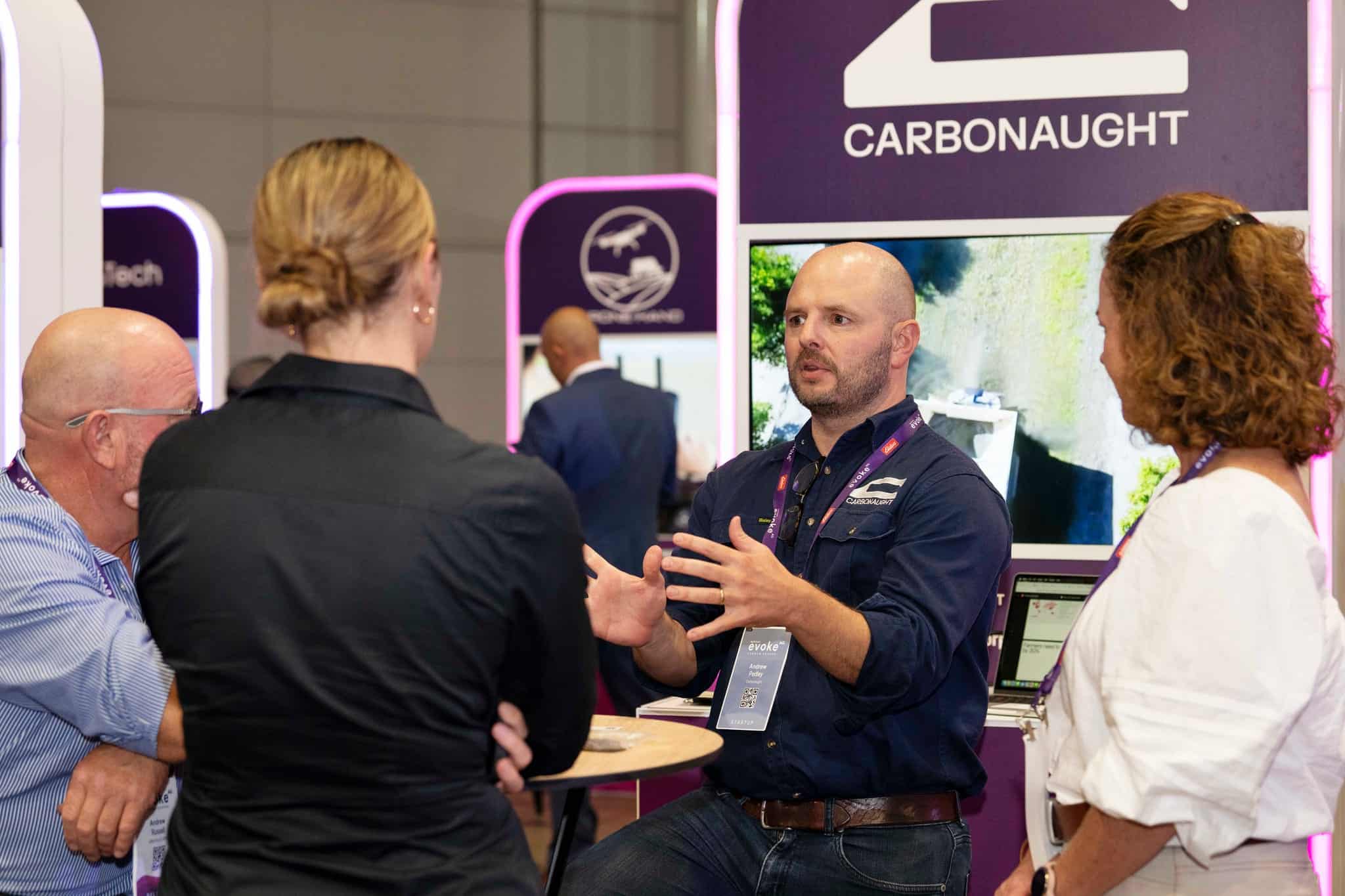
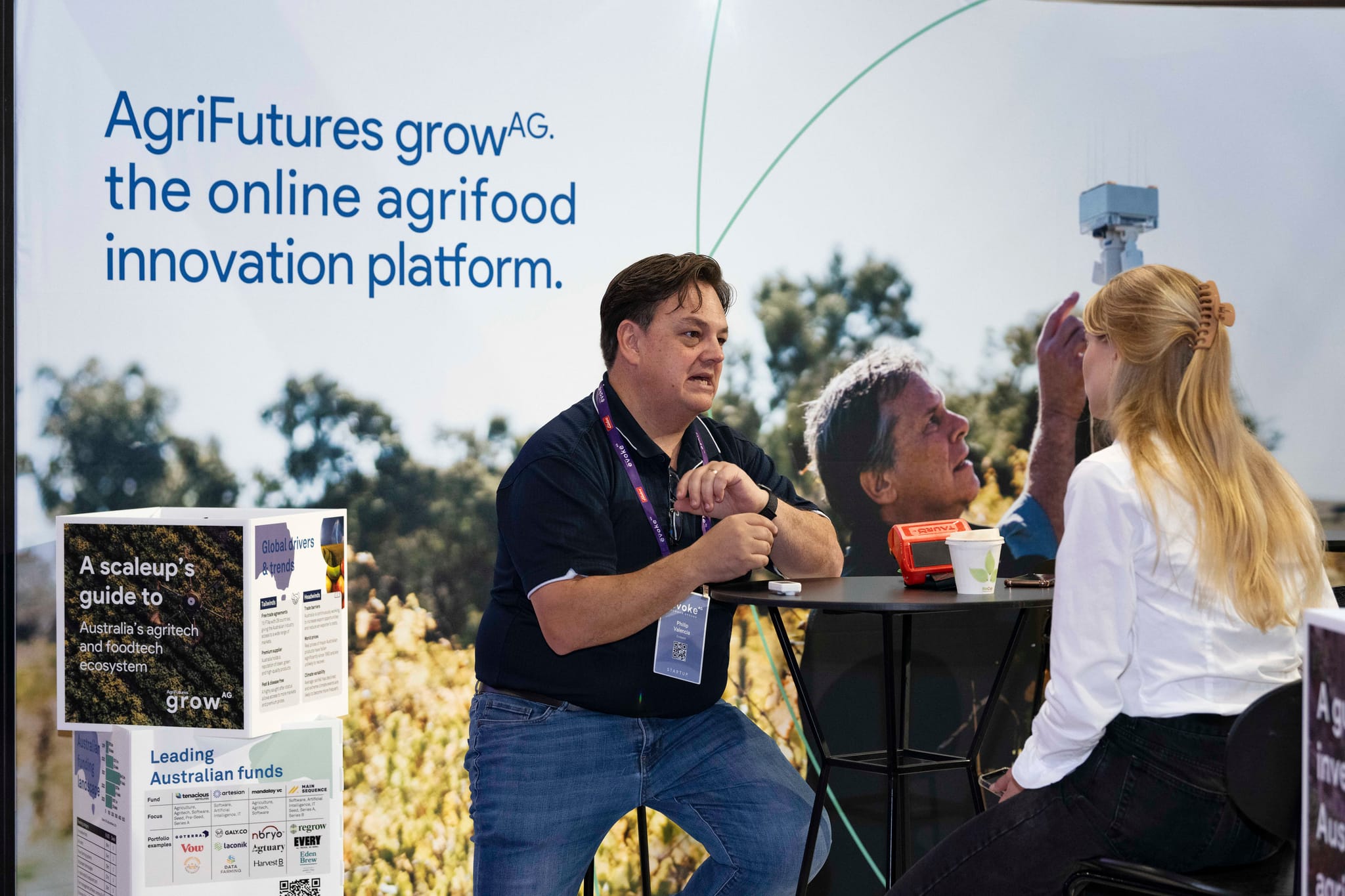
Applications are now open for the AgriFutures evokeAG. 2026 Startup Program, where 50 of the boldest agrifood startups will receive a free pass to showcase their innovations on a global stage at evokeAG. 2026 in Melbourne on 17-18 February 2026.

Hosted by AgriFutures Australia, evokeᴬᴳ. is the premier global agrifood technology and innovation event, bringing together the brightest minds, breakthrough technologies and bold ideas shaping the future of agriculture.

The Startup Program offers founders a high-impact platform to:

  • Showcase their solutions to a global audience
  • Connect with investors, corporates, and producers
  • Accelerate growth through partnerships and exposure.

Angela Wakeman, Acting General Manager, Global Innovation Networks at AgriFutures said the evokeAG.  Startup Program is designed to give agrifood startups and scaleups tackling agriculture’s biggest challenges a platform to showcase their innovation and drive positive change for the sector.

“evokeᴬᴳ. is more than an event – it’s a launchpad for the technologies and ideas that have the potential to transform agriculture. The Startup Program is designed to connect founders with the networks and opportunities they need to scale and succeed.”

The evokeAG. 2026 Startup Program offers three streams:

  • Startup Alley – The heart of evokeᴬᴳ. Startup Alley is a dynamic exhibition space featuring 50 of the most innovative startups tackling agriculture’s biggest challenges.
  • Culinary Capital – An exclusive networking dinner where startups pitch their solutions directly to investors, corporates and potential customers in a rotating table format.
  • The evokeᴬᴳ. Australian Landing Pad (formerly AgVenture Downunder) – A tailored program for 10 international startups ready to enter the Australian market, offering business support, market insights and connections with producers and trial partners.

Edward Barraclough, Founder of livestock management technology startup Drone-Hand, said the Program was instrumental in accelerating his business.

“The evokeAG. Startup Program gave us exposure to the right people – investors, trial partners, customers and everyone in between – at exactly the right time. It was pivotal in creating pathways and securing partnerships that have led to the completion of our investment round and accelerated our move towards commercialisation,” said Edward.

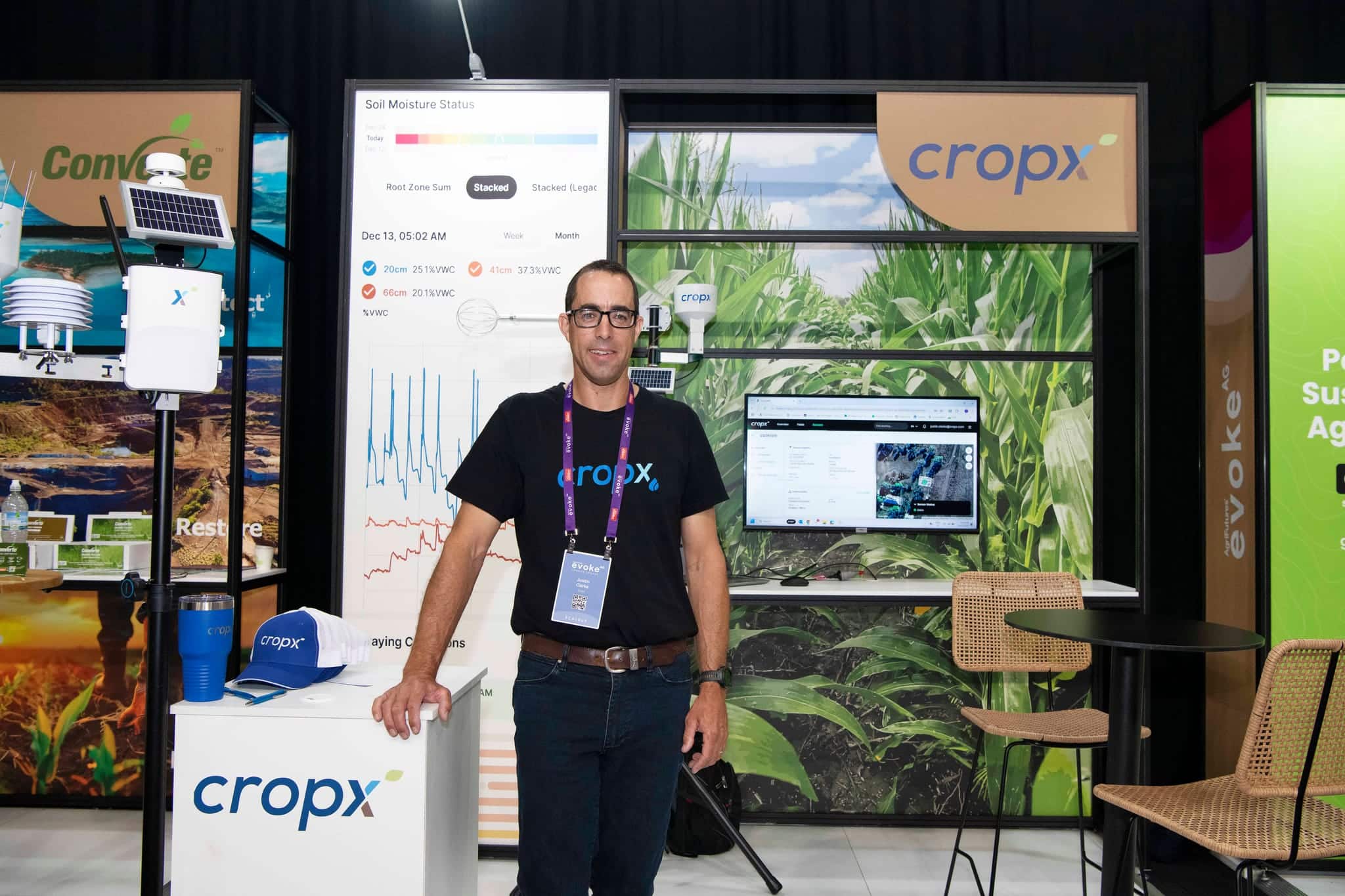
Since its inception in 2019, the evokeAG. Startup Program has supported the growth of more than 170 local and global startups, supporting their efforts to secure investment, partnerships and international expansion. Alumni include innovators such as RainstickCropifyPeople in PaddocksCropX and RHST, whose participation in evokeAG. has fostered growth, investment, partnerships and international expansion.

Applications for the evokeAG. 2026 Startup Program are open from Monday, 15 September 2025, until Friday, 24 October 2025 at 5.00pm AEDT.

For program details, eligibility criteria and further details on how to apply visit: evokeag.com/startups.


evokeᴬᴳ⋅2026 will be held on Tuesday, 17 February and Wednesday, 18 February 2026 at the Melbourne Convention and Exhibition Centre. evokeᴬᴳ⋅ is powered by AgriFutures Australia and funded by the Australian Government, Platinum Partner Elders and Host State Partner, Agriculture Victoria. 

Tickets are now on sale at evokeag.com 

  • *I have permission from the copyright holder to publish this content and images.

Precision Management for orchard growers a step closer using Drones and Lidar Sensing

Member News
The views expressed in this Member News article are the author's own and do not necessarily represent those of Agri-TechE.

A major step forward has been achieved in precision orchard management, and the future-proofing of fruit production in the face of climate change, with new research from the UK crop research organisation Niab and Nanjing Agricultural University in China, alongside international partners.

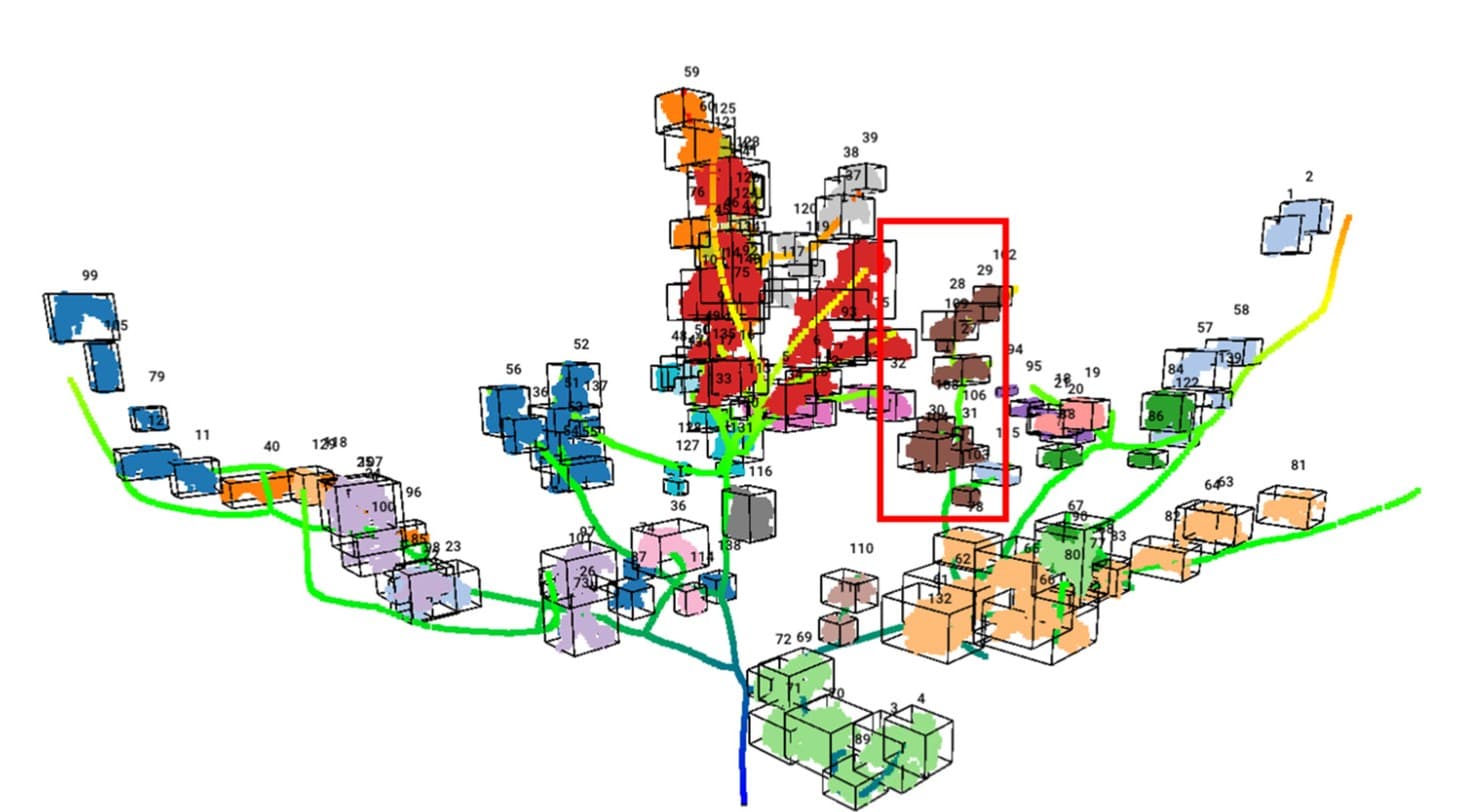
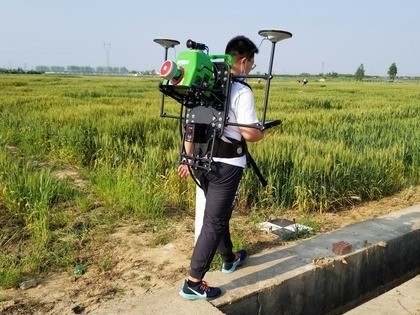
The team has developed OrchardQuant 3D – a breakthrough pipeline that measures fruit trees in three dimensions with unprecedented accuracy. This new research demonstrates how complex 3D data collected from the air and from the ground using different types of sensors (drone cameras and LiDAR – which stands for light detection and ranging) can be accurately fused together and interpreted. This enables scalable 3D mapping and automated trait analysis, generating information of each tree within an entire orchard.

The system creates detailed 3D models of apple and pear orchards to capture tree height, crown volume, branch structure and blossom density – traits that underpin fruit yield and quality. Successfully demonstrated in pear orchards in China and apple orchards at Niab in the UK, the pipeline can scale from tens to thousands of trees, automating processes that previously required weeks of manual assessment.

This enhanced phenotype data benefits growers and agronomists by allowing and improving the measurement of characteristics of each tree, for example in calculating the number of blossoms, fruitlets and fruit, and measuring the canopy size, structure, and density. These metrics can be used to improve agronomic decisions, such as thinning and pruning, and create dose prescription maps for variable rate spray machines, to optimise the crop load for each individual tree in the orchard, ultimately driving up orchard productivity

Niab crop protection specialist Dr Charles Whitfield explains the importance of this new research. “This innovation addresses a critical bottleneck in horticulture: phenotyping at scale. Traditional methods are labour-intensive and often unable to keep pace with modern orchard systems or changing environmental conditions. By combining colour and spatial data, OrchardQuant 3D provides actionable insights for breeding, management and research, paving the way for more resilient, sustainable and high-quality fruit production.”

The codebase has been released openly, enabling rapid adoption by scientists and growers worldwide. Future developments aim to integrate yield prediction, disease monitoring and advanced decision support. The methodology is currently a research tool but may become more widely available in the future.

Crop breeders will be able to use this method to precisely quantify tree traits, greatly improving the efficiency of breeding programmes and assisting in the development of new varieties better suited to the future, including changes in climate and orchards being maintained by increasingly automated systems.

Professor Ji Zhou, who led the Niab research team in the UK alongside his team at Nanjing, emphasises that this groundbreaking research demonstrates that high precision mapping of complex 3D structures and blossom clusters/fruit detection can be achieved at orchard-scale. “It opens the door to improving the orchard breeding and agronomic knowledge available to breeders and growers which will drive improvements to orchard management and productivity, leading to more class one fruit per tree and ultimately a better return per hectare for the UK’s hard fruit production,” explains Professor Zhou.

Dr Rob Jackson, deputy programme leader for crop phenotyping at Niab, performed the drone mapping in the UK. “Our work demonstrates the scale of agronomic information that can now be efficiently collected by a single drone pilot, supported by a small data processing team. In the future it could also alleviate issues concerning staff availability.”

“Part of research was completed within the Precision Orchard Management and Environment (POME) project, funded by Defra and Innovate UK, and its output will be used within the project to continue to advance precision agriculture. Niab will use the research to support crop breeding and other endeavours for the UK horticultural sector,” concludes Dr Whitfield.

3D tree-level floral trait analysis
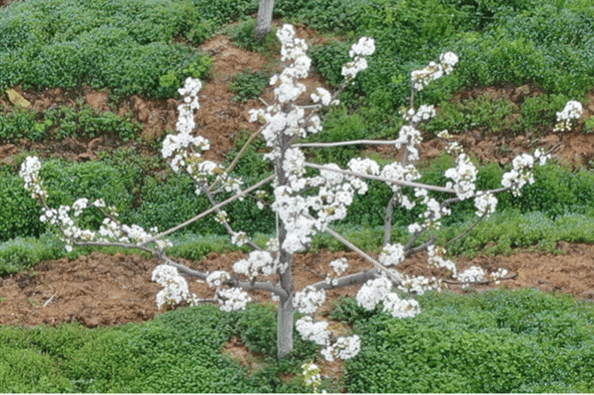
A pear tree used for LiDAR mapping

Opportunity or Uncertainty? What the government reshuffle means for food and agriculture businesses

Member News
The views expressed in this Member News article are the author's own and do not necessarily represent those of Agri-TechE.

The government’s latest reshuffle has moved two Defra heavyweights to new departments. Rt Hon Steve Reed MP and Daniel Zeichner MP had invested time and energy in building relationships with the food and farming industries and getting to grips with the challenges faced by businesses in each. With a new secretary of state heading up the department and a new farming minister now appointed, the challenge for both the ministerial team and the sector is to hit the ground running and ensure policy progress does not stall.

The first all-female ministerial team, the new Defra team is certainly groundbreaking. Each minister brings experiences from different backgrounds and with that, a different set of priorities. For businesses in the food and agricultural sectors, these appointments signal both opportunity and uncertainty, raising questions about how the department will approach issues like rural growth, food security, and land management .

A fresh new ministerial lineup at Defra presents farming and agricultural businesses with a wealth of opportunities. In the aftermath of a reshuffle, businesses should be thinking about how to best introduce themselves and strike up a relationship with the new team. While getting to grips with their briefs, ministers will be seeking solutions to the challenges they face. Aligning your business with the government’s priorities, and offering tangible solutions, will be the most effective way to gain trust.


New Appointment: Emma Reynolds – Secretary of State for Environment, Food and Rural

Emma Reynolds was appointed as Secretary of State for the Environment, Food and Rural Affairs on 5 September 2025, replacing Steve Reed. Reynolds joins Defra from the Treasury, where she served as Economic Secretary to the Treasury and City Minister. She was elected as the MP for Wycombe last year.

The reaction to Reynolds’ appointment from the agricultural community has been largely positive. Shortly after assuming the role, Reynolds met with NFU President Tom Bradshaw, who described their meeting as a ‘constructive and positive conversation’. Speaking to the Farmers Weekly Podcast, Jonathan Roberts of the Country, Land and Business Association stated that Reynolds is ‘pretty interested’ in farming and that she understands the challenges that the industry is facing. In a year where farmers have been protesting in Westminster, particularly over the issue of inheritance tax relief, rebuilding trust between the agricultural community and the government is crucial. Reynolds’ background in the Treasury could also be an advantage for the industry. Whilst she might lack experience in dealing with agricultural issues, her financial acumen and understanding of how the Treasury works is an important starting point for unlocking rural growth and protecting the industry.


New Appointment: Dame Angela Eagle CBE – Minister of State (Minister for Food Security and Rural Affairs)

Dame Angela replaced Daniel Zeichner MP as Minister for Food Security and Rural Affairs as part of last week’s cabinet reshuffle. Eagle joins Defra from the Home Office, where she served as Minister of State for Border Security and Asylum. She has been the MP for Wallasey for over thirty years and has a wealth of experience in both government and the shadow cabinet.

Eagle’s appointment has attracted a mixed reaction from the agricultural community. Whilst Eagle’s profile as a senior Labour MP might result in farming becoming a significant issue on the policy agenda, she is seen more as a political operator rather than a sector insider. Despite the backlash regarding changes to inheritance tax relief for agricultural assets, Zeichner was praised for his ability to build relationships with the farming community. Therefore, it is important that Eagle engages with the sector to the same extent and grasps the realities of the challenges faced by the agricultural community.

Existing Appointment: Emma Hardy MP – Parliamentary Under-Secretary of State (Minister for Water and Flooding)

Emma Hardy MP was appointed to her current ministerial position in July 2024, having previously served as Shadow Minister for Environmental Quality and Resilience. Hardy is a trained teacher and worked for the National Union of Teachers before entering politics.

Since taking office, Hardy has dedicated significant funding to enhance resilience against flooding. This includes £60 million in recovery payments to farm businesses, and £50 million to support internal drainage boards in reducing flood risks in rural areas. Hardy has also been proactive in supporting the construction of new infrastructure to enhance water security, such as the Havant Thicket Reservoir.

However, Hardy has been involved in flashpoints between the government and the agricultural sector. In January 2025, the government rejected an application from British Sugar and the NFU to use an emergency neonicotinoid pesticide on sugar beet, with Hardy stating that the decision was made to protect bees. This illustrates the complexity of government decision making when balancing agricultural productivity with environmental impact. This dynamic is likely to continue throughout the remainder of this parliament.


Existing Appointment: Mary Creagh MP – Parliamentary Under-Secretary of State (Minister for Nature)

Mary Creagh MP was appointed as Minister for Nature in July 2024. Creagh has an extensive background in environmental affairs, as previous chair of the Environmental Audit Committee and previous shadow Defra secretary of state.

Key milestones for her tenure as Minister for Nature include the announcement of a Nature Restoration Fund, which promises to work alongside farms in supporting conservation efforts, and a £1.1 billion boost to improving local recycling services in England. In June 2025, Creagh also announced a £13.6 million scheme to support farming and cut food waste by redistributing surplus produce to homelessness charities and food banks.


Existing Appointment: Baroness Hayman of Ullock – Parliamentary Under-Secretary of State (Lords Minister)

Baroness Hayman has been a Parliamentary Under-Secretary of State at Defra since July 2024, bringing with her extensive parliamentary and environmental experience. Baroness Hayman took up her peerage in the House of Lords in 2020. She served as Shadow Secretary of State for Environment, Food and Rural Affairs between 2017 and 2019, and later the Shadow Environmental Spokesperson from 2020 to 2024.

As a passionate animal welfare advocate, most of Baroness Hayman’s parliamentary activities fall under that responsibility. However, she has also sought to promote the interests of British farmers in supporting government efforts to protect livestock by implementing preventative measures against the spread of foot and mouth disease.

If you would like to discuss this in more detail, please contact lauren.atkins@gkstrategy.com.

  • *I have permission from the copyright holder to publish this content and images.

MPs ask businesses to decide the topic of the next environment and nature inquiry

Member News
The views expressed in this Member News article are the author's own and do not necessarily represent those of Agri-TechE.

The House of Commons Environmental Audit Committee has put out a call for businesses to select the future topic for their inquiry, which can be on climate change, the environment or nature. The cross-party group of MPs are keen to hear suggestions from agri-tech businesses about role of the sector in achieving environmental and nature policy goals. The committee are looking for short proposals for topics they could focus on, and then 10 individuals will be invited to pitch their proposal to the committee in a public session. The winning proposal will become the committee’s next new inquiry. The selected inquiry will not only investigate the chosen subject in depth, but will also gather evidence from businesses, experts and policymakers, ultimately producing a report with recommendations for government action.

This is a rare opportunity for businesses to influence policy discussions in a topic of their choosing. It offers a platform for businesses to highlight challenges, share innovative solutions, and encourage government and parliament to address the barriers to progress.

The deadline for proposals is 10 October.

If you would like to discuss this opportunity to submit a proposal to the inquiry, or you’re curious about how committee inquiries work, please contact lauren.atkins@gkstrategy.com.

  • *I have permission from the copyright holder to publish this content and images.

From Lab Discovery to Field Reality – how SugaROx is bringing T6P science to Farmers

Member News
The views expressed in this Member News article are the author's own and do not necessarily represent those of Agri-TechE.

Dr Cara Griffiths, 27 August 2025

  • T6P technology, first published by Rothamsted Research and Oxford University in Nature in 2016, showed potential to boost wheat yields by up to 20% in glasshouses.
  • New publication in Nature Biotechnology confirms feasibility of the T6P technology in field conditions, with consistent yield gains of around 10% in wheat.
  • SugaROx is now launching trials, with a more cost-effective version of the active ingredient, at a lower dose rate, with distributors and farmers to validate performance more widely, bridging academic discovery with agricultural practice.

One of the biggest challenges in agriculture is turning brilliant lab discoveries into solutions that work in unpredictable field conditions. Many fail along the way. But when the gap is closed, the results can transform farming. That’s the story of our flagship active ingredient, an innovative, plant-permeable form of trehalose-6-phosphate (T6P), the natural plant sugar in our first biostimulant.

Following publication of her academic research in Nature Biotechnology, our CTO Dr. Cara Griffiths shares her thoughts on how her work on T6P went from a research project to development of a solution for real-world farmers.

Breaking new knowledge – how it began

Agricultural innovation often starts with a simple question: what hidden mechanisms inside plants could be harnessed to grow more food with fewer resources?

In the late 1990s, my colleague Dr Matthew Paul, a plant biologist at Rothamsted Research, was developing early fundamental research that discovered a tiny sugar, T6P, acts as a regulator of plant energy.

T6P acts as a key signal of sugar availability, switching metabolism into a “feast mode” when energy is abundant; promoting growth, starch synthesis, and biomass accumulation. It does this by inhibiting SnRK1, a master regulator that otherwise triggers a “famine response,” slowing growth and conserving resources. By increasing the abundance of T6P in the cell, this feast response can be triggered, pushing more sugar resources into plant growth, development, and ultimately yield.

The challenge? T6P is a polar molecule and can’t cross plant cell membranes if simply sprayed on crops. That’s when Matthew teamed up with Professor Ben Davis, an organic chemist at Oxford University, who engineered a “caged” version, allowing for cell membrane penetration; protected until sunlight releases it inside the plant. This breakthrough meant T6P could finally be delivered into crops using common farming practice.

Proof in controlled conditions

I joined the research team in 2014 to put the T6P analogues created by Ben and Matthew to the test. In 2016, we published in Nature that spraying wheat with plant-permeable T6P increased yields by up to 20% in controlled environments.

This was the first proof of concept that chemical intervention in sugar signalling could change the rules of crop productivity. It suggested we could increase yields without demanding more land, water, or fertiliser – a vital step toward sustainable agriculture and food security.

Feasibility in fields

The real test was moving from glasshouses to real fields. Matthew, Ben, and I launched an academic project in Argentina where we ran replicated small plot trials across four seasons to test the technology under agricultural conditions.

The results, now published in Nature Biotechnology, showed yield gains of 5-17%, averaging 10%. Crucially, these gains didn’t require extra fertiliser or irrigation. For farmers, that means more grain from the same land – real productivity, not just lab theory.

From academic trials to business-led trials

At SugaROx, our mission is to take this discovery from science to practice. To commercialise the technology, we need to show consistency across different soils, weather and farmer practices, and as CTO, I run trials with three types of stakeholders to achieve this.

Shortly after launching our venture in 2021, we commissioned a small number of trials across 5 countries with a leading contract research organisation (CRO). We started with Replicated Small Plot Trials (RSPTs) to optimise dose, formulation, and timing of application and refine our minimum viable product.

Last autumn, with Innovate UK and ADAS support, we began on-farm trials with 10 UK farmers at the hectare scale. Real-world feedback is essential to shaping a product that delivers value on the ground.

With new investment recently secured to scale up T6P production, we will be producing more samples to potential distributors interested in evaluating our T6P in key markets. These partners help us learn a huge amount about the practices of farmers in different countries.

Read the full article here

Revolutionising British strawberries: Dyson Farming’s new growing system

Member News
The views expressed in this Member News article are the author's own and do not necessarily represent those of Agri-TechE.

Dyson Farming is proud to unveil its latest breakthrough in sustainable agriculture: the Hybrid Vertical Growing System (HVGS), a pioneering innovation that’s transforming how strawberries are grown in Britain.

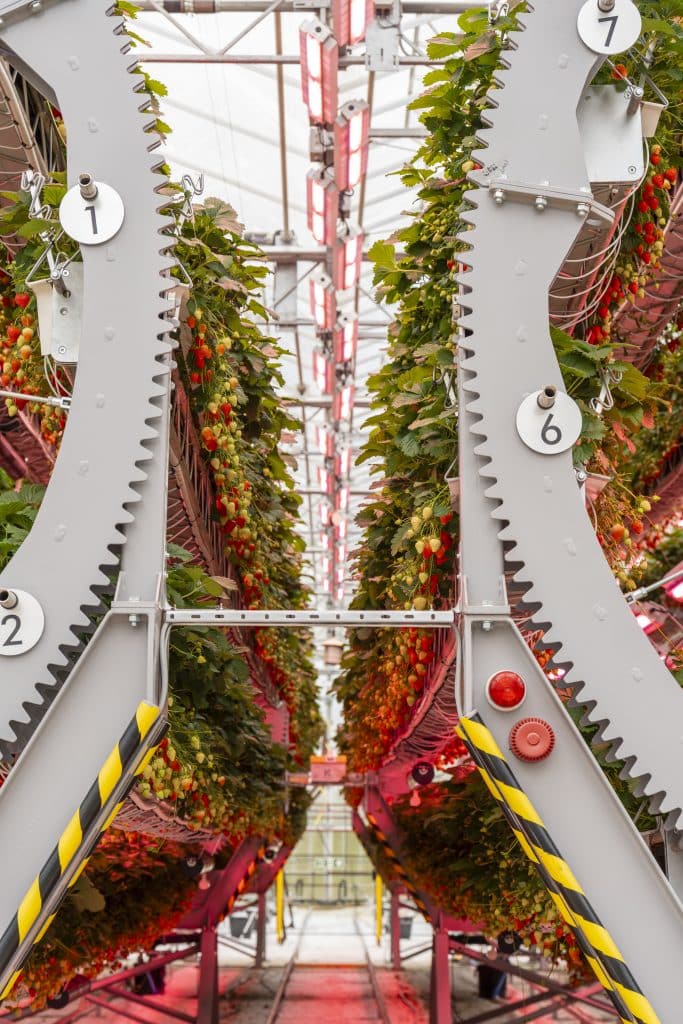
Located in our 26-acre glasshouse in Carrington, Lincolnshire, the HVGS boosts strawberry yields by an astonishing 250%. Instead of traditional rows, strawberries are cultivated on towering, Ferris wheel-like rigs, reaching over 5.5 metres tall, that rotate to ensure optimal exposure to sunlight and LED lighting. This vertical approach maximises space, enhances fruit quality, and allows for year-round production, even in the depths of winter.

The system is powered by renewable energy and surplus heat from our adjacent anaerobic digesters, which also supply CO₂ to enrich plant growth. Rainwater harvested from the glasshouse roof irrigates the crops, while advanced climate control systems maintain ideal growing conditions.

Robotic technology plays a key role too: vision-guided machines pick only the ripest fruit, while UV-emitting bots protect plants from mould. Insect predators are deployed instead of pesticides, ensuring a healthier, more natural crop.

This innovation marks a bold step toward food security, sustainability, and self-sufficiency in the UK.

From the Dragons’ den to Defra’s: new government funding to boost agri-tech

Member News
The views expressed in this Member News article are the author's own and do not necessarily represent those of Agri-TechE.

The Department for Environment, Food and Rural Affairs has launched a new £12.6 million funding package to support agri-tech innovation. It will be a ‘Dragons Den’-style process comprising two competitions. Forming part of the government’s Farming Innovation Programme, these competitions will reward the businesses that can offer the most innovative solutions to systemic challenges in the agricultural sector, such as rising costs and environmental pressures.

This initiative represents a progression of the government’s New Deal for Farmers and is a signal that agri-tech is a core component of its food security and rural growth strategy. Whilst the government has already pledged to allocate £11.8 billion to sustainable farming and food production over the next parliament, this additional funding arrives at a politically sensitive moment for the agricultural industry. The government’s relationship with the agricultural community has been tested during Labour’s first year in office, particularly following widespread backlash against the 2024 autumn budget’s proposed changes to inheritance tax. Against this backdrop, increased funding is not only an economic stimulus to encourage technological development, but also an attempt to reset the government’s political relationship with the agricultural sector. As a visible commitment to supporting innovation-led growth, it indicates that the government is listening to the sector’s demands for long-term solutions rather than short-term fixes.

The funding itself will be delivered through two competitions set to open from mid-September. The Small R&D Partnerships competition, launching on 15 September, will offer up to £7.8 million to support later-stage projects that are near commercial readiness. The strongest bids will be those that are able to demonstrate how their product or service will improve productivity, sustainability, progression, and resilience, as well as having a clear avenue to market upon. The second competition, allocating up to £4.8 million for early-stage ideas, will open on 13 October and is designed to assist developers in scaling up their project. Both competitions will be carried out in partnership with Innovate UK.

This is positive news for businesses in the agri-tech sector. The government is actively seeking to fund scalable, practical technologies that can solve the problems straining today’s agricultural sector. Rather than simply financing projects that are market-ready, the government is willing to fund the development of ideas. It solidifies the role that agri-tech plays in enhancing sustainability and boosting rural productivity via technological innovation.

Ultimately, this announcement acts as a timely reminder that agricultural innovation is  recognised by the government as a mechanism for economic growth and as a frontier industry in the UK’s industrial strategy. As the government seeks to establish a balance between regulation, business support, and long-term agricultural resilience, initiatives like these will play a central role in shaping the next generation of British farming.

If you wish to discuss the government’s agri-tech policy or how to access this funding, please reach out to thea@gkstrategy.com.

  • *I have permission from the copyright holder to publish this content and images.

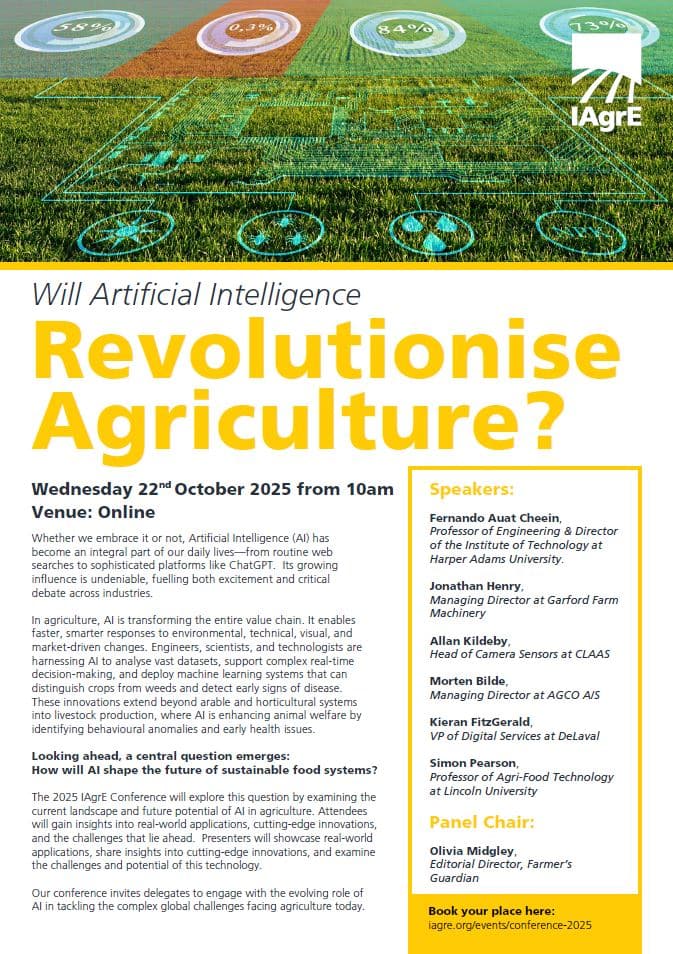
IAgrE Conference 2025, On-line 22nd October – Will AI Revolutionise Agriculture?

Member News
The views expressed in this Member News article are the author's own and do not necessarily represent those of Agri-TechE.

Book in here

  • *I have permission from the copyright holder to publish this content and images.

Organic Research Centre joins ADAS

Member News
The views expressed in this Member News article are the author's own and do not necessarily represent those of Agri-TechE.

Organic Research Centre (ORC), the UK’s foremost research authority on organic farming and low-input farming practices, has become part of RSK ADAS Limited, effective from 1 September 2025.

  • *I have permission from the copyright holder to publish this content and images.
8
7

Retaining the ORC brand, ORC is a stand-alone business within the ADAS group of companies and will continue to be managed by current CEO Lucy MacLennan. The move of ORC research staff and ongoing ORC projects to ADAS will allow both organisations to benefit from shared resources and complementary applied research expertise.

Lucy MacLennan said:

“The move of ORC to ADAS not only safeguards the future of ORC and our work advocating organic and low-input farming principles, it also means we can evolve and expand our research into new areas. The ORC has a long and accomplished history, and we want to reassure our supporters that our strategic research aims remain the same as when we were founded  – to protect the environment and to enhance biodiversity by means of independent applied organic research and to communicate our research findings widely so as to encourage change throughout the British agricultural sector.”

Prior to the move, ORC formed part of the Progressive Farming Trust charity, which also maintains the Agricology knowledge platform. The Progressive Farming Trust and Agricology will remain separate entities, and their activities will continue unchanged.

Jackie Evans, Managing Director of ADAS Group, commented:

“This move signals the start of an exciting new chapter for ORC and ADAS. ADAS has an excellent track record of delivering independent applied research to support sustainable, resilient, and profitable farming systems. With ORC’s agroecological expertise now in-house, we can pool our knowledge to deliver complex, multifaceted agricultural projects and ensure we continue to deliver the best possible environmental outcomes. Our aim is to add to our portfolio of research and advice, and create a centre of excellence for organic agricultural research.”

“We are delighted to welcome ORC and its staff to ADAS, and we look forward to working together to drive research and innovation in organic, agroecological, and regenerative farming systems.”

ORC’s chair, Donald Peck, added:

“In ADAS, we are very pleased to have found a partner which both respects our history and shares our values. We are excited about the future of independent organic research and the opportunities this partnership will bring to continue this work while Progressive Farming Trust makes its own separate impact.”