How agri-tech innovations save parsnip producer over £500k per year
 Agri-TechE
 This month’s Member Spotlight is a textbook example of the value agri-tech innovation can have for farmers and food processors.
Frederick Hiam’s Managing Director, Jamie Lockhart, shares insights from his Nuffield Scholarship and the impact of new agri-tech on his operation.

You could say innovation is in Frederick Hiam’s DNA. Born in 1872, Sir Frederick Hiam began directly marketing his Cambridgeshire farm’s produce at Covent Garden and Spitalfields markets. The model he developed proved to be hugely rewarding, as by his death in 1938, the farm had grown from 300 to 6,000 acres.
The business has retained the ethos of adding value through the supply chain by continuing to process its own produce as well as third party produce it sources from nearby farms, on contract. While this allows higher returns and gives Managing Director Jamie Lockhart more control of the process, it is not without difficulties.
Covid accelerated ongoing challenges to the operation’s labour supply and costs. Jamie stepped into a situation he felt was unsustainable when he took over the management of the business.
“It came to a head at the end of 2021; labour was a real challenge. We were bussing workers from London, which cost £1,000 a day just for the transport.
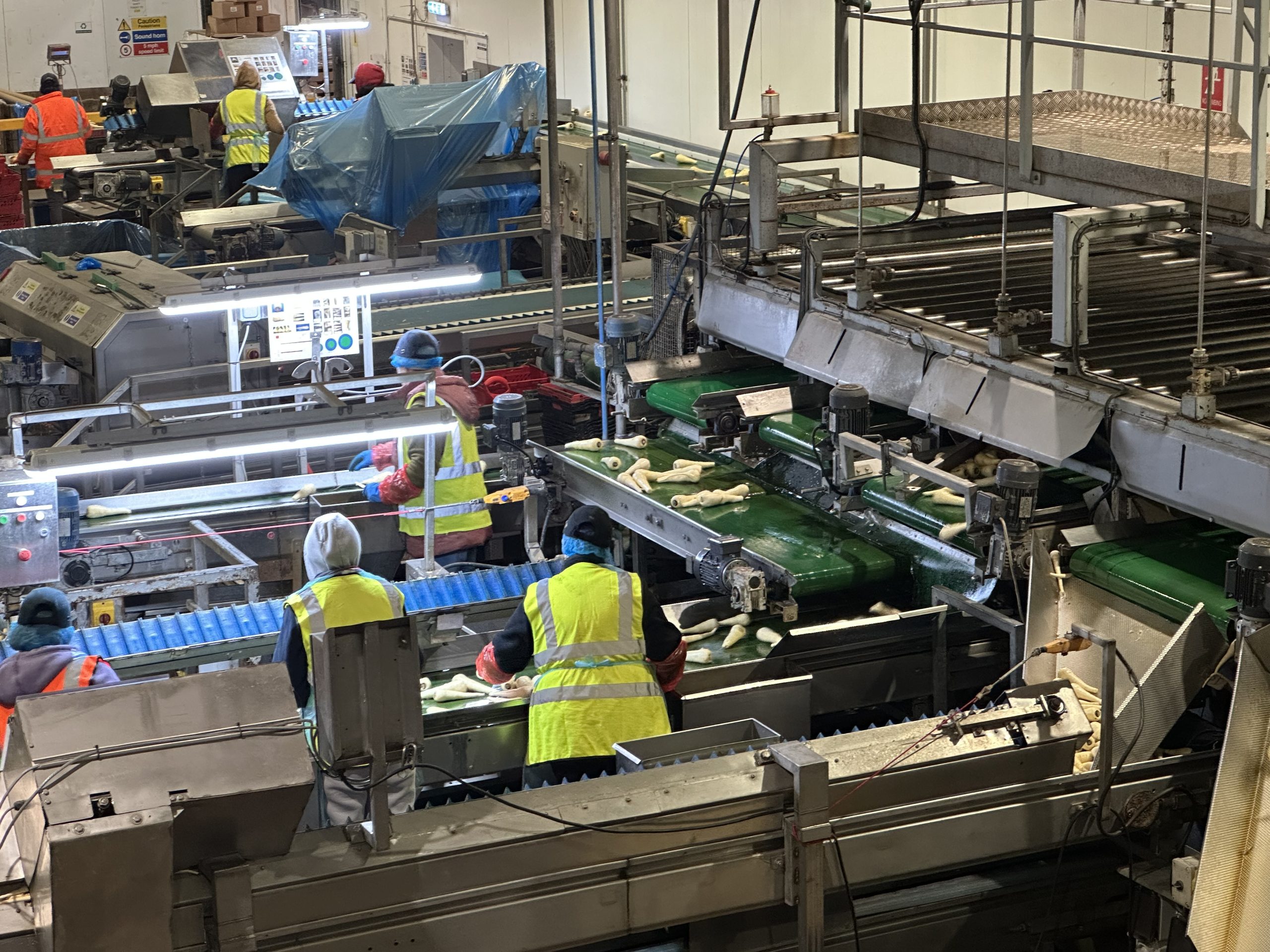
Frederick Haim ran a positive selection system for grading their parsnips, which meant they only picked off roots with the quality their customers were looking for, and anything left went for stock feed or processing. Selected parsnips ran on a belt through a processing system to cut the green material off the crown and trim the tip of the root to length.
“It was very labour intensive, but also skilled to the point that the workers need to know what is good and bad. If they put bad parsnips on the belt, we risked sending that to our customers. As worryingly, if they missed the good, it was straight off down the waste chute.”
Being mid-way through a Nuffield Scholarship sponsored by the Royal Norfolk Agricultural Association titled End-to-End Automation of Field-Scale Vegetable Production, Jamie naturally sought an agri-tech solution. However, the reality was no off-the-shelf alternative to their labour-intensive system existed. The options were to “sit on their hands and wait for somebody else to do it” or develop the solution themselves.
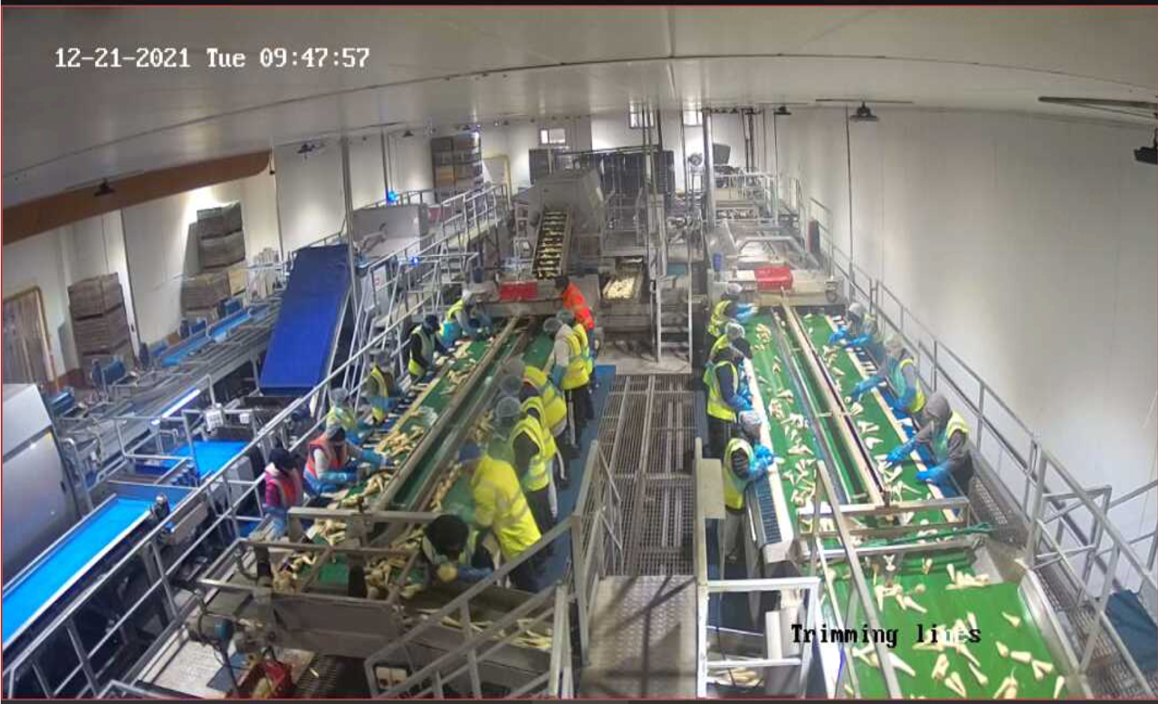
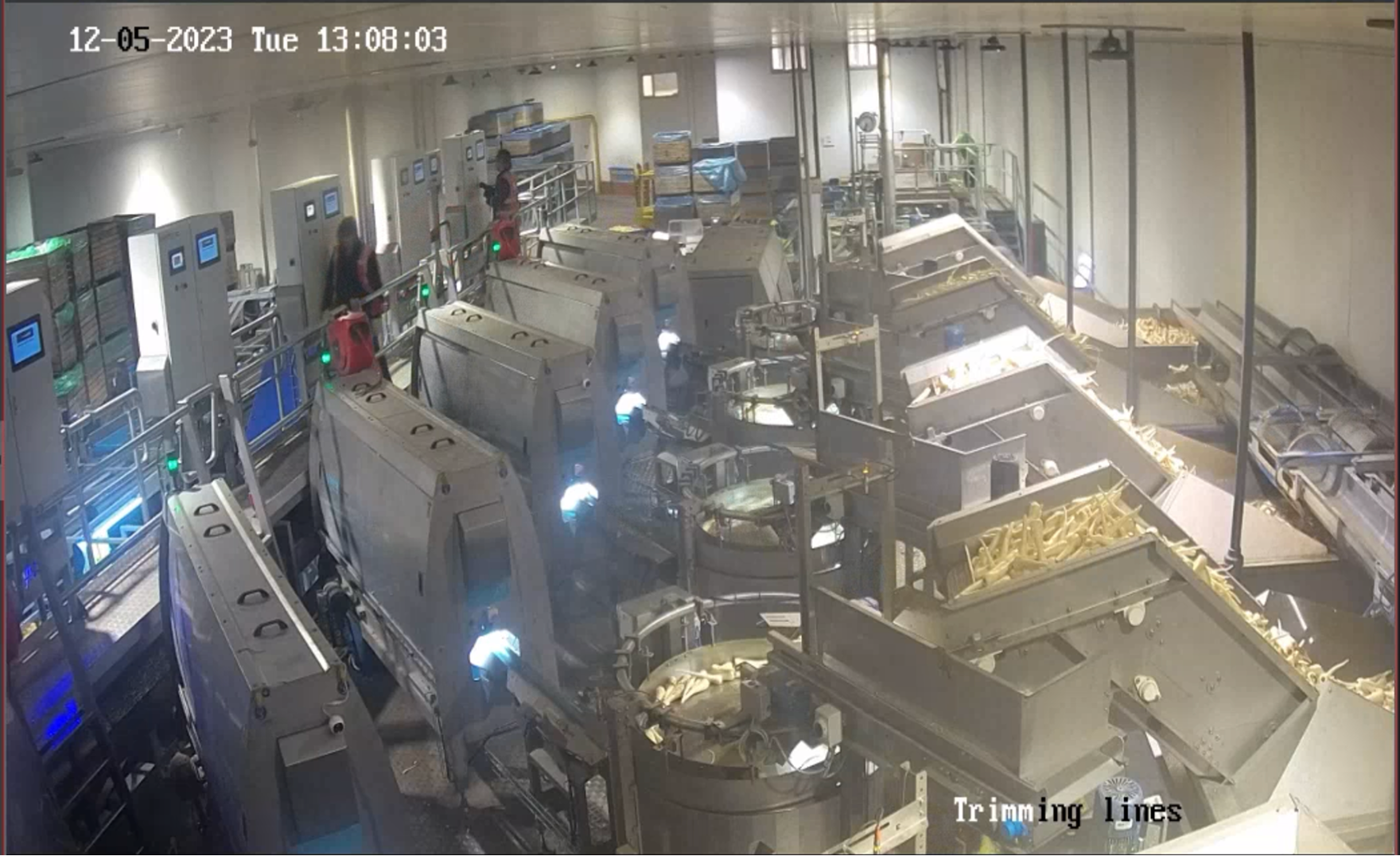
Images show Frederick Haim pre and post installation of new equipment
New Zealand post-harvest equipment manufacturer Wyma, which has a UK base in Norfolk, was invited to evaluate Frederick Hiam’s existing processing line to determine whether there were opportunities to improve its efficiency.
“They played us a quick video of a new project they were working on in New Zealand, which showed the very early stages of a new rotor cut system. It was so uplifting to see someone working on a solution.
“We signed a collaboration agreement to develop the system together in early 2022. It was a real joint effort; they were taking the risk of developing the product, and we were risking the time and energy needed to invest in the project.”
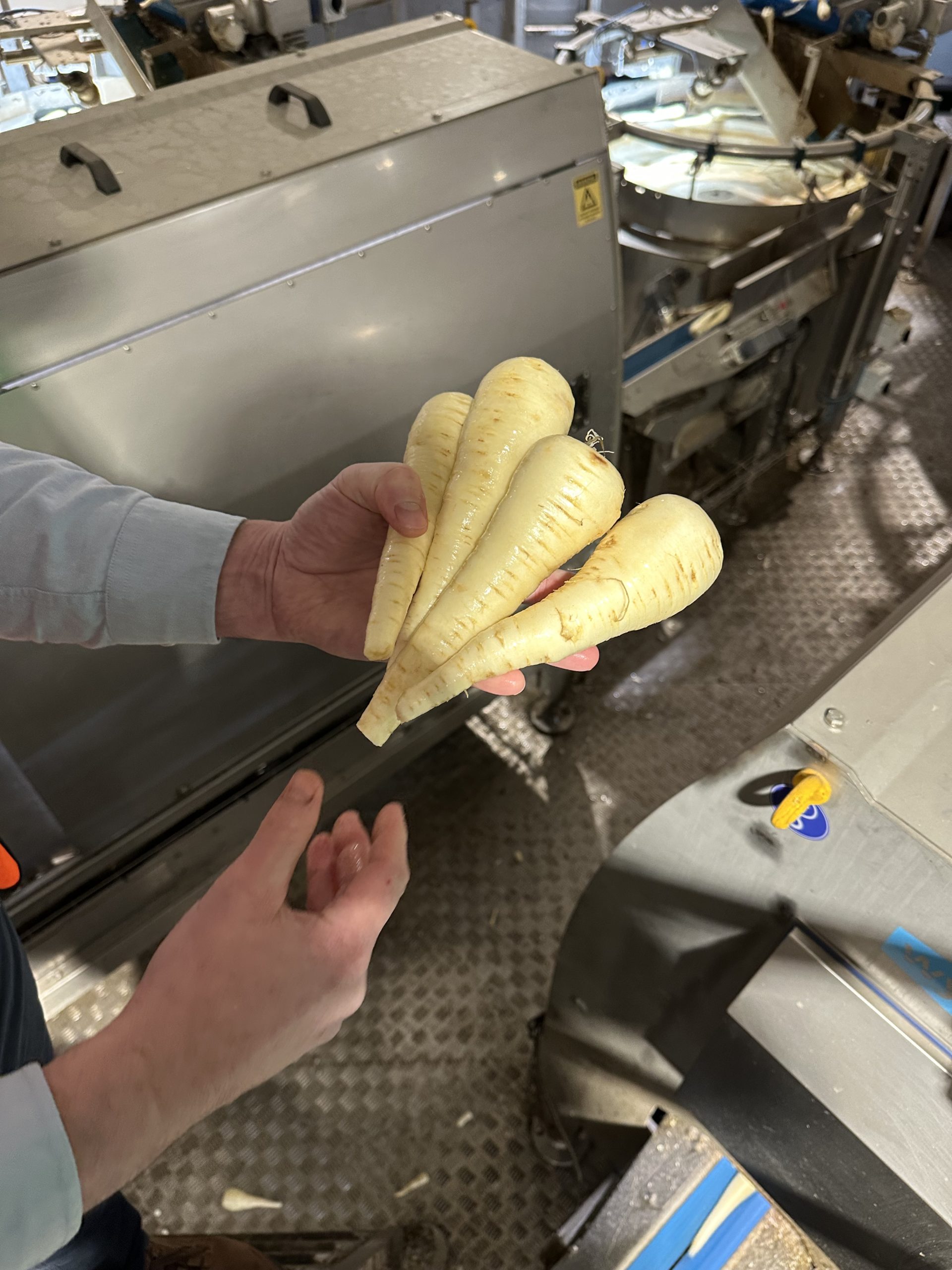
At its heart is a camera-monitored rotary cutter that precisely trims the green material on the crown and the root tips with 95% accuracy as a parsnip travels through a conveyor. It meant pickers no longer needed to place parsnips on a trimming line.
Development was not without its challenges. The first rotor cut system needed parsnips to be fed into the conveyor crown first, but it proved difficult to do this and continue to feed enough parsnips into each rotor cut unit. One of Wyma’s software engineers provided a moment of inspiration. Two days later, the issue was solved by allowing the rotor cut to work with parsnips fed in both directions.
“They developed the system on-site, working towards our target of two parsnips per second over a two-minute period. Wyma was able to get to that number consistently, meaning we moved to the next stage.”
It was a risk, but Jamie felt it was a calculated one. The first two rotor-cut trimmers were installed in the factory in September 2022 and were initially fed by hand.
“With machine learning, there’s no doubt that the earlier you can get something working, the quicker the development becomes. This step saved us six months compared to waiting for everything to be fully commercially ready.”
18 months after the project began, Frederick Hiam had six trimmers and bowl feeders installed in the factory, in the same spot where over a dozen workers used to feed the old manual line. There was a further 12 months of fine tuning.
First mover advantage
According to Jamie, the rewards of co-developing a solution have far outweighed the risks.
“Wyma were considering stopping the project because they couldn’t find a partner to take it to the next stage. I’d love to know how many innovative projects remain on the design board because there isn’t an open mind to take a risk.”
Frederick Hiam’s advantages of co-development include the ability to influence the design to meet exact specifications, a period of exclusivity give them an advantage over other processors, and the fact that collaborating with the supplier to develop the solution results in a cheaper system than purchasing a finished product.
Jamie predicts that the capital outlay will deliver a return on investment in under four years because of the reduced labour costs. It is too early to say whether their rotor cut system will become the new industry standard, but for Frederick Hiam, that is immaterial. The system they co-developed with Wyma works for them and delivers a handsome return on the work and risk they undertook in 2021.
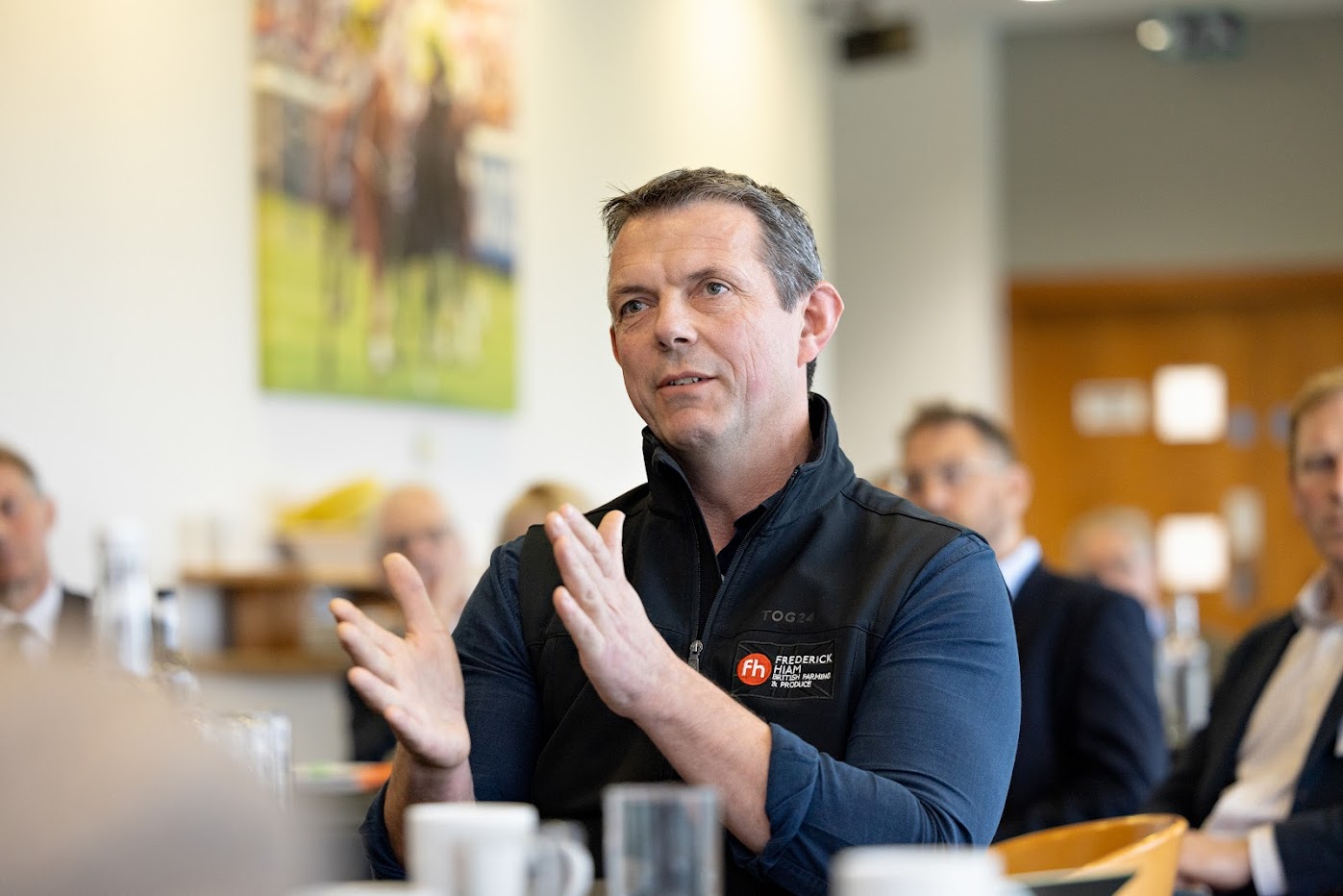
Jamie’s top three tips for adopting agri-tech
1. Be clear on the problem: If you approach a technology company to help solve an issue, a clear briefing on precisely what you are looking for is essential.
2. Infrastructure is critical: Significant investments in intangible assets at an early stage can seem difficult to justify initially, but they pay dividends later. For example, high-speed internet and a Wi-Fi mesh network have allowed large amounts of data to move seamlessly between Frederick Hiam’s systems
3. Don’t accept that what you already have can’t be upgraded: With the help of the right partner, most older farm technology can be incorporated into smart systems. At Frederick Hiam, the discovery of a serial port on an existing weighbridge allowed it to be digitised and integrated into its ERP system at a fraction of the cost of a new weighbridge.
Post Overview
Agri-TechE Related Posts

Reusing paper for a soil-carbon boost: UEA and Greenworld Ltd at the Innovation Hub
Nanotechnology to boost drone capabilities and increase spray coverage
Agri-Tech recognised as ‘Frontier Sector’ in Modern Industrial Strategy
Robots emerging as agricultural co-workers

Trust & Transformation – takeaways from REAP 2024