Creating weather resilience in a changing climate
 Agri-TechE
 The last few seasons have proven that farmers can never be complacent when it comes to climate change resilience. And with adverse weather expected to become more frequent and longer lasting, the need to find solutions to future-proof farms is becoming more urgent.
This is the topic of Agri-TechE ’s upcoming event, Farming in a Warming, Wetter World, being held at Norwich Research Park on 14th May 2025, where experts will explore innovations designed to support climate change adaptation and mitigation.
Alistair Cargill, farmer and executive member of the Rural Economy Research Group says: “Climate change is real – we are in big trouble when it comes to food production worldwide and people need to understand the real dangers that are going to be forced upon us. But as land managers we can do something about that.”
Alistair practices regenerative farming across his North Norfolk farm, where he grows crops ranging from potatoes to cereals, integrating cover crops, livestock and minimum tillage throughout the rotation as much as possible. One of his biggest concerns about the changing climate on his farm is access to climate-resistant varieties.
Alistair will be chairing a fireside chat with researchers at the event, where he hopes their discussions will help in closing the gap between lab and trial-based research, and real world, on-farm scenarios.
He says: “We are growing varieties that have been around for decades, and I have major concerns about that. All the varieties we grow from wheat, potatoes, peas and oilseed rape are only being grown for yield and disease resistance. There is nothing being pushed for drought or flood tolerance, or these emerging disease pathogens.”

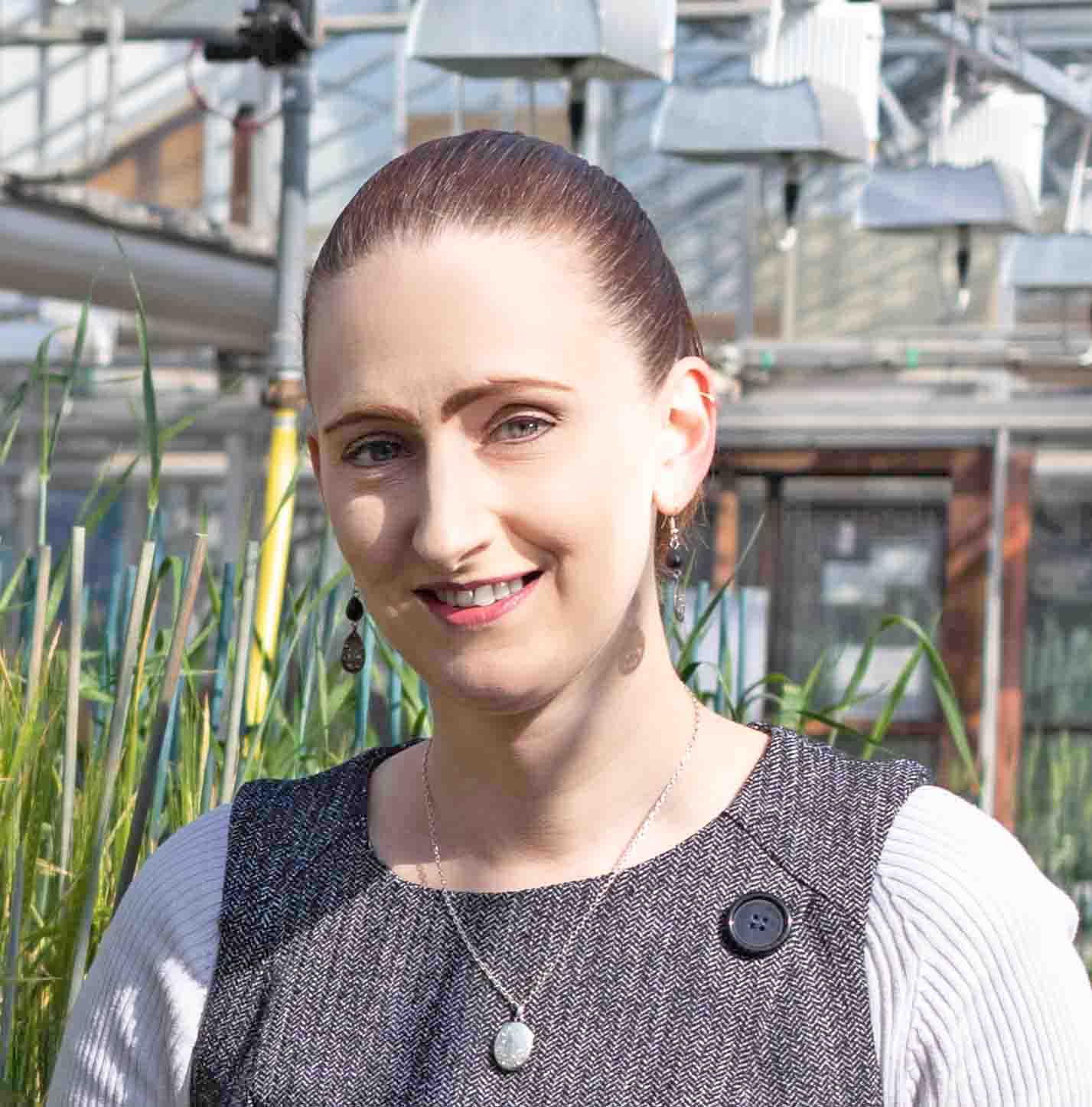
The milder and wetter seasons are creating significant challenges to crop management, with new diseases coming to light, and some older diseases re-emerging. These are all set to be discussed during Professor Diane Saunders’ session. Diane is a leading plant scientist at the John Innes Centre’s session.
Diane says: “Climate is becoming increasingly unpredictable, with extreme weather events having a direct impact on shifting pathogen distribution. This changing pathogen landscape makes it increasingly difficult to manage disease. It is particularly challenging where old diseases re-emerge, and the agricultural practices we once relied on to control them are long forgotten.”
Going forward, Diane believes there is going to be a significant shift in pathogen behaviour, with more extreme weather events moving inoculum into areas where it had not previously been seen.
She says: “This is a real challenge, particularly with a push from the EU to reduce fungicide use by 50% by 2030, which is also reflected in the UK. However, genetics can help fill this gap and provide us with new opportunities for disease control.”
In her session, Genetic solutions for climate change resilience, Diane will discuss which diseases are of particular focus for researchers and how previously untapped resources that are now available in genetics can provide greater resilience in our crops.
“The recent step change in wheat research presents many new and exciting opportunities to enhance breeding approaches and utilise ever-expanding genomic resources. Throughout the last century, modern breeding has narrowed the genetic background of everything we grow, so we’re missing a lot of the original diversity that was once present. This untapped diversity presents us with great opportunities to develop more resilient varieties of the future,” explains Diane.
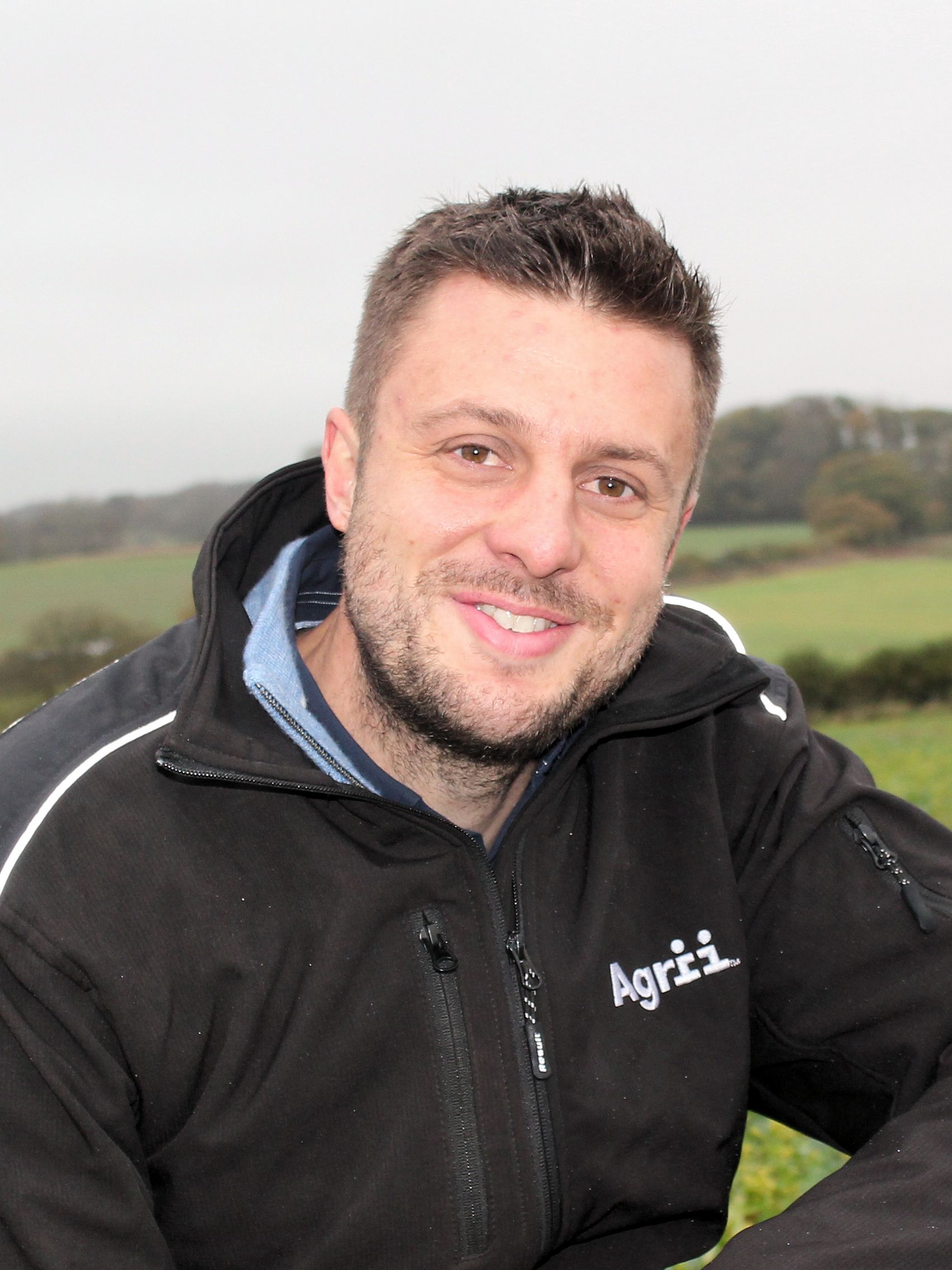
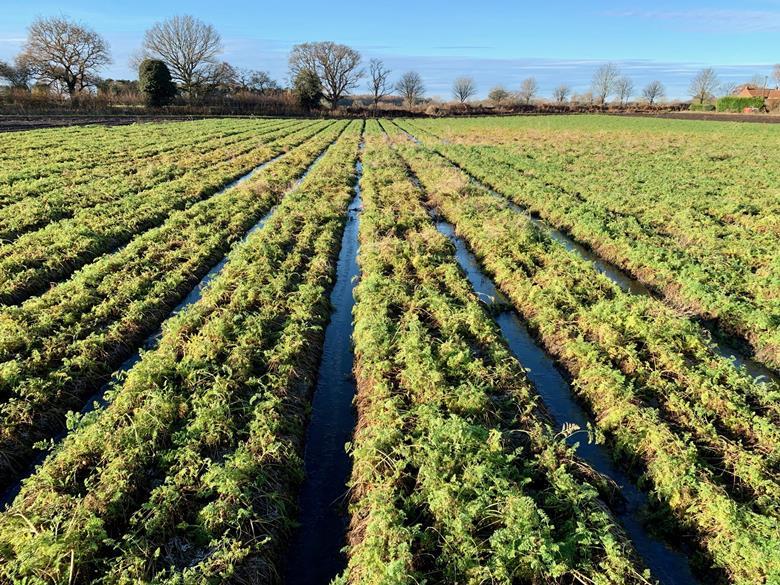
Another consequence of a changing climate is the likely shift back to earlier autumn drilling. Arable farmers have been advised for years to delay drilling to mitigate weed and some disease issues, but with wetter autumns becoming more commonplace, is the answer to bring forward drilling dates? This lingering question will be answered by Agrii agronomist and regenerative farming expert, Todd Jex.
He says: “The last two years have rendered heavier and lower-lying ground virtually unfarmable because we could not get winter crops in as we had planned, or they have gone in such bad conditions they have not survived winter.
“However, the unintended consequence of bringing drilling back to early September to mitigate against very wet autumns like these is going to bring a whole host of other agronomic challenges we have been trying to work away from for years, such as grassweeds, higher levels of septoria and other diseases in our crops.”
In his talk, Todd will explore how the dramatic shift to these longer periods of very wet or very dry weather will affect crop management including drilling timings and crop choice, and how growers can deal with some of these weather-related challenges through practices such as direct drilling and improving soil organic matter levels.
He will also address the challenges associated with moving towards regenerative farming practices, with earlier drilling potentially putting more pressure on herbicides, and turning away from one of the best tools to manage such grassweeds – rotational ploughing.
To hear from Alistair, Todd, Diane and other leading experts, book your ticket to Farming in a Warmer, Wetter World, held at Centrum, Norwich Research Park on 14th May 2025.
Post Overview
Agri-TechE Related Posts
Hutchinsons’ advice for how to manage potato crops in warm, dry conditions
The first frost activates the timing of flowering

10 practical tips for agri-tech start-ups in 2025
First field trial of genome-edited wheat a success, ahead of Precision Breeding Bill

Living structure of soil revealed at launch of Special Interest Group