Climate change and agriculture – time for an agri-hackathon
 Agri-TechE
  The extreme vulnerability of UK agriculture to climate change has been revealed in a report by the Parliamentary Office of Science and Technology on Climate Change and Agriculture, which brings renewed urgency to the need to have fresh thinking about ways to mitigate the impact.
The UK’s NFU President, Minette Batters, told delegates at the 2019 Oxford Farming Conference that UK agriculture should aspire to achieve net zero emissions by 2040.
Climate Change and Agriculture
A recent report from the Parliamentary Office of Science and Technology on Climate Change and Agriculture highlights the crucial need to help agriculture become more climate resilient, and suggests some approaches, technologies interventions which can help. Greenhouse gas emissions from livestock, loss of carbon from over-managed soils and release of nitrous oxide by soil microbes on addition of slurries or fertilisers are reasonably well-documented. But as average temperatures rise, the potential spread of plant and animal pests and diseases, and increasing pressure on water availability also pose a real threat to the industry.
Managing crops, animals and land differently (including use of inputs) can help mitigate the risk, but the report also cites new technologies which can help. These include the breeding of new crop varieties to tolerate lower water availability and increased salinity, as well as livestock breeding targeted at helping animals cope better with heat stress.
Linked to that are new approaches for management of livestock (such as ventilation) to help reduce heat stress in managed systems.
With a few caveats, vertical farming also features high on the list of tech that can help mitigate the problem. Optimising light, heat and providing carbon dioxide (potentially as a by-product from other industrial, or low energy sources) can also potentially make a difference. Crucial to the calculations in the report is the assumption of changes to the human diet, such as the substitution of animal protein by legumes, fruit and vegetables. Also critical is the issue of food imports.
At present the UK imports 40 % of the food it consumes; avoiding importing embedded emissions in food produced elsewhere needs to be part of trade discussions with other countries. Fixing climate change is urgent, challenging and complex. It needs research, action and probably regulation to help drive different behaviours.
WWF supports Agri-hackathon
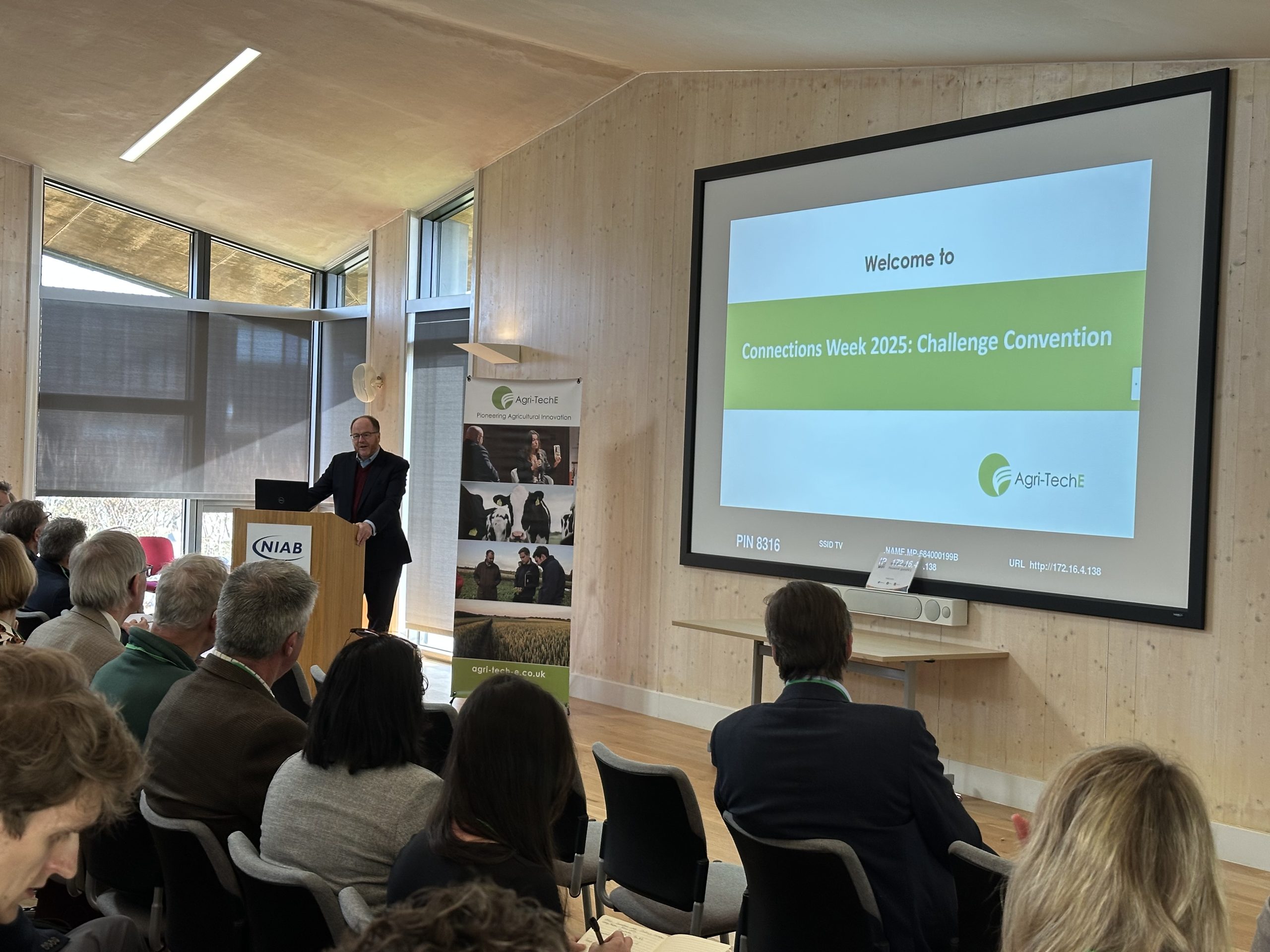
Scientists at the University of Cambridge this week announced the creation of the new Cambridge Centre for Climate Repair, and we hope our agri-hackathon, with partners Barclays Eagle Labs and Allia, with support from sponsors BASF and WWF, will go some way to helping find innovative solutions.
Agriculture sits at the very pivot of the climate change agenda. While agriculture has (not unreasonably) been identified as needing to make some changes for the sake of the planet, increasing resilience of the agriculture system to these influences is crucial for the future of the industry as well.
Report: Climate Change and Agriculture
Post Overview
Agri-TechE Related Posts

National award shortlisting for Greenstalk founder

Alternative net-zero futures: planning and making a path forward together

Gain an insider view at Agriculture 101

People power, not technology alone, will save the planet
Challenge Convention defines what needs to change in agri-tech