Breeding value for every stage of the supply chain
 Agri-TechE
 The final countdown to REAP 2026 has begun. Therefore, it seemed apt for Agri-TechE to sit down with Elsom’s Managing Director, David Coop, for this month’s Member Spotlight. David will speak at REAP’s supply chain session at the KingsGate Conference Centre in Peterborough on 4th November.
A continual discussion between Agri-TechE members is that agricultural supply chains sit in silos, and that building better connections is key to creating more value for everyone. Solving this challenge is a focus of Elsoms, as it brings new varieties to market, and you’ll read about a perfect example of how they’ve done this with a new variety of purple sprouting broccoli [see below].

“From my perspective, the key question is how we make innovation work for everyone in the supply chain,” says David.
“Farmers need to see a clear benefit and shouldn’t necessarily have to carry all of the risk of adopting something new. At the same time, researchers, technology developers and the wider supply chain need to understand the commercial realities that farmers face.
I’m hoping the supply chain session will be a really practical discussion about how we bridge that gap between research, innovation and commercial adoption, and I’m looking forward to hearing the perspectives of the other panellists as well.”
Multi crop breeding strategy
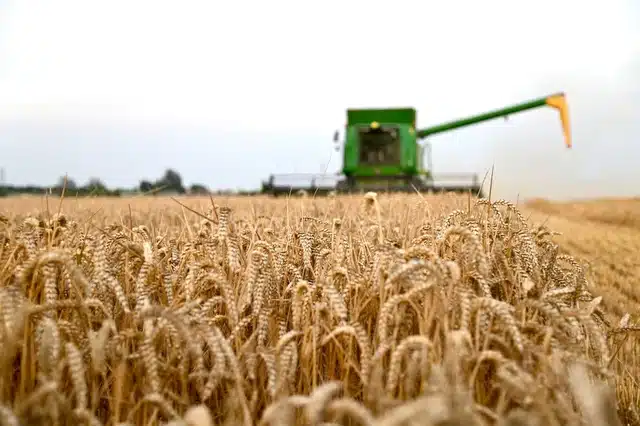
Few plant breeders can claim involvement in as many crops as Elsoms. Through a mixture of its own proprietary breeding and strategic collaborations with global breeders like Bejo, the team has developed a broad portfolio across salads, vegetables, and herbs, as well as broadacre crops like wheat and barley.
The range of crops reduces the risk associated with seasonality, explains David. It means that when one part of a rotation is looking down, they’re likely to have a presence in alternative crops.
“The number one wheat variety in the UK last year was one of our varieties, Bamford; we’re really proud of this achievement,” he adds.
Successful plant breeding is a numbers game. The more throughput a programme can achieve, the greater the chance of producing the next Bamford. To help optimise its programme, David says Elsoms seizes every opportunity to use new technologies.
“It’s absolutely what we are about. Breeding is traditionally a very long-winded, expensive and high risk process. Our job, once we have identified something that is an improvement for farmers, is to get it to market as quickly as possible.
“We shouldn’t allow ourselves to be stuck in a mindset that ‘it will just take 15 years’.
“Double haploids, marker assisted selection, gene editing. We have either actively applied these techniques to our programmes or worked on them in the background as enabling technologies to make the breeding process quicker and simpler.”
The key step is to get the varieties into farmers’ fields as quickly as possible to test the value they bring. David describes this as Elsoms’ superpower, because they have a team working at every stage of the process.
These are crop teams, and Elsoms has one for each crop area it breeds for. The team is interdisciplinary, with each member helping steer breeding efforts to produce varieties that generate value across the supply chain.
“If we just make a new variety tastier, but that crop is low yielding or susceptible to disease, then it’s not doing the job we need it to, because we are only meeting the needs for one part of the chain. Growers, seed producers, processors, packers, retailers and consumers. Our new product has to consider every one of those groups and be an improvement over what they had in the past.”
Supporting innovation through partnerships
To match competitors with greater size and reach, Elsoms aims to be quicker and smarter than its larger, more lumbering rivals.
“Our external network doesn’t just cover growers; it also includes universities and research organisations. For example, in the past few weeks we have partnered with British Growers, which shows how committed we are to the industry.
“Agri-TechE and other organisations that provide networking opportunities and give us the ability for different companies to understand each other better is really valuable to us.
“It is something we do as a company, but something that we also need to be facilitated for us.”
Next summer, David says he expects Elsoms’ new £4m Innovation Centre to open close to its headquarters in Spalding, Lincolnshire. The wheat and barley, and vegetable breeding teams will be based there, with state-of-the-art facilities and labs, using the latest genomic techniques.
“This will allow us to spin that wheel faster.
“Another really important thing we want to do with the Innovation Centre is to help customers and industry stakeholders understand the technologies we are using and to meet the people doing the work.
“The better that they understand this, then the more input from customers we expect to have, which will then improve our programme further,” says David.
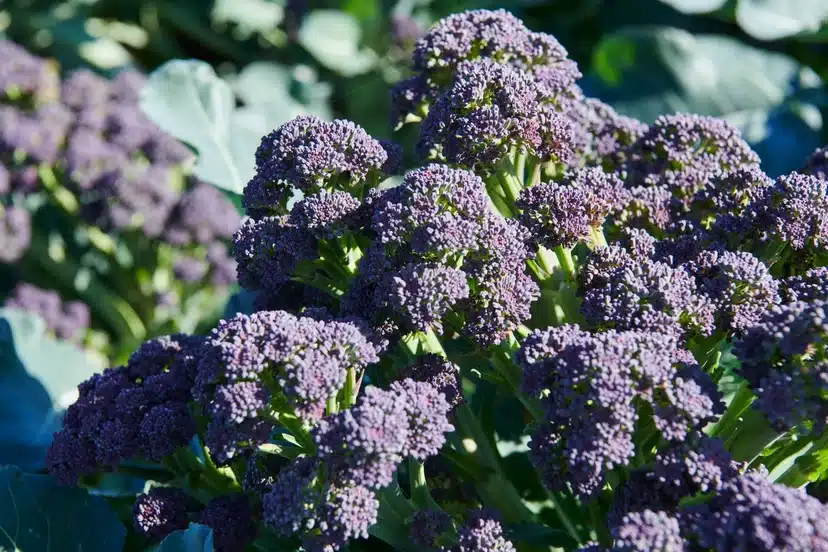
Case study: how Burgundy purple sprouting broccoli changed the game
“Purple sprouting broccoli usually has a very long growing period. You plant it in the late spring or early summer and don’t harvest it until the following spring.
“Once it starts flowering, then you can send a team into the field to pick them. They have one pick; they might come back a while later; there may also be a third pick. Each time it is harvested, the stems get a bit woodier and a little less tasty.
“By the time harvesting is finished, the crop has been in the ground for a very long period of time. The crop is high risk to grow, and the harvesting costs are also high because you have to go through several times.”
This production system means domestically produced purple sprouting broccoli is only available for a relatively short period. The key innovation in Burgundy is that Elsoms’ breeders managed to take away the need for the crop to have a winter acclimation in order to flower, meaning it doesn’t need to go through winter to produce a crop.
As a result, Burgundy produces a crop in a much shorter time period, reducing risk and costs for growers. It also lets growers sow successionally to stagger the harvest and keep purple sprouting broccoli available longer.
Burgundy has unlocked significant overseas markets like Spain and Kenya, which never experienced cold enough weather to vernalise the older varieties. This, in turn, allows supplies to retailers to be extended further.
“We’ve made something that’s much better for the grower because it is in the ground for less time, yields more, and can pick in a single cut. The retailer is happier because they can source crop year-round with a reliable yield, and the quality is improved. When you get to the consumer, that’s much better because it is a much more tender and tastier crop, and it is always available in the supermarket.
“There are now far fewer complaints from consumers to supermarkets about purple sprouting broccoli because it is all young, fresh and tasty.
“Now, if you pick up a pack of purple sprouting broccoli in the supermarket, there is a very high chance it is Burgundy, because it is so much better for everyone in the chain than what came before it.”
To hear David at the REAP Conference 2026, book your ticket here – Agri-TechE member discounts apply.
Post Overview
Agri-TechE Related Posts
Patenting microbial crop products in Europe
“If you’re trying to grow more, don’t look around, start looking downwards.”
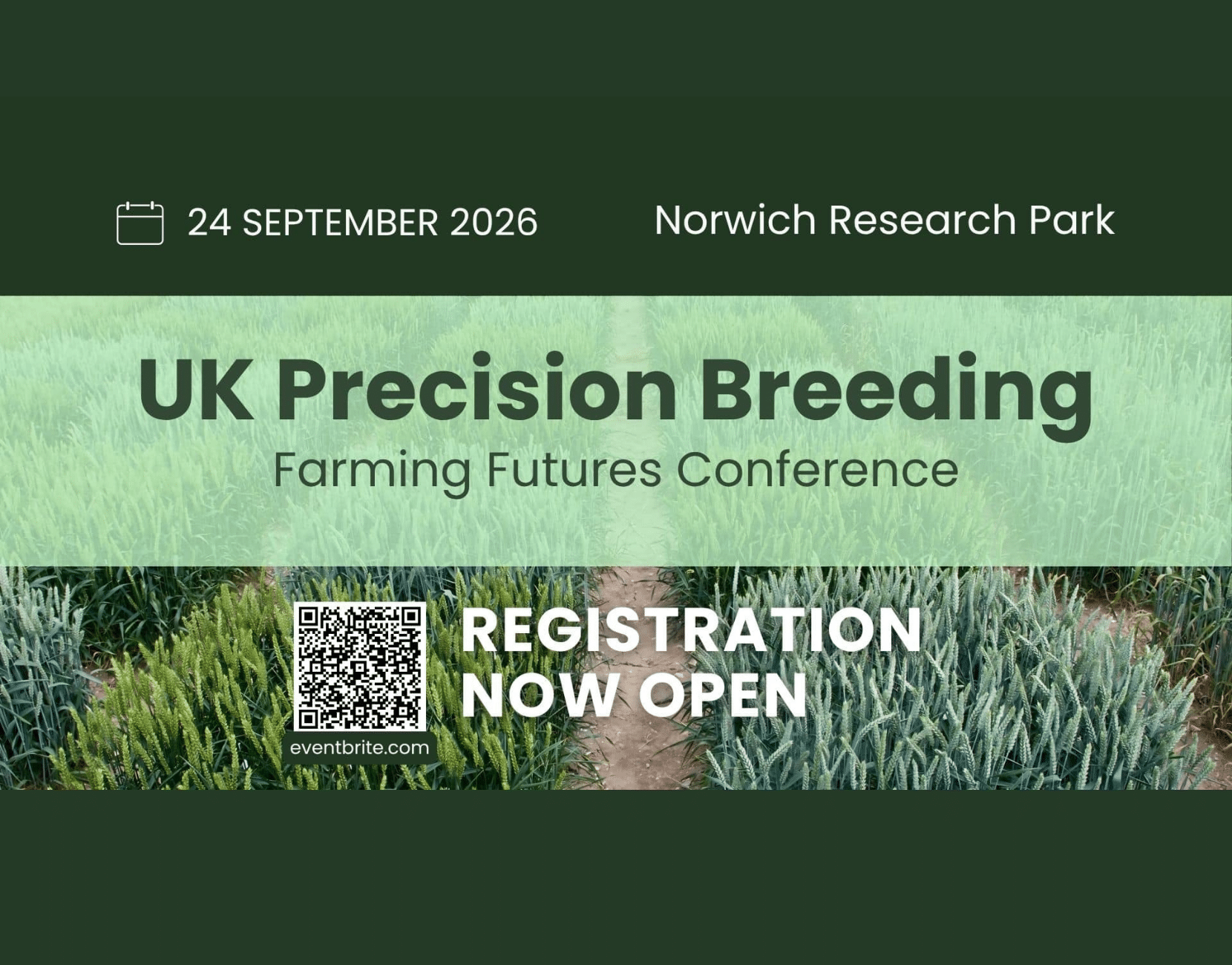
UK Precision Breeding – Farming Futures Conference
Plant, microbial and algal biotechnology for a clean energy future
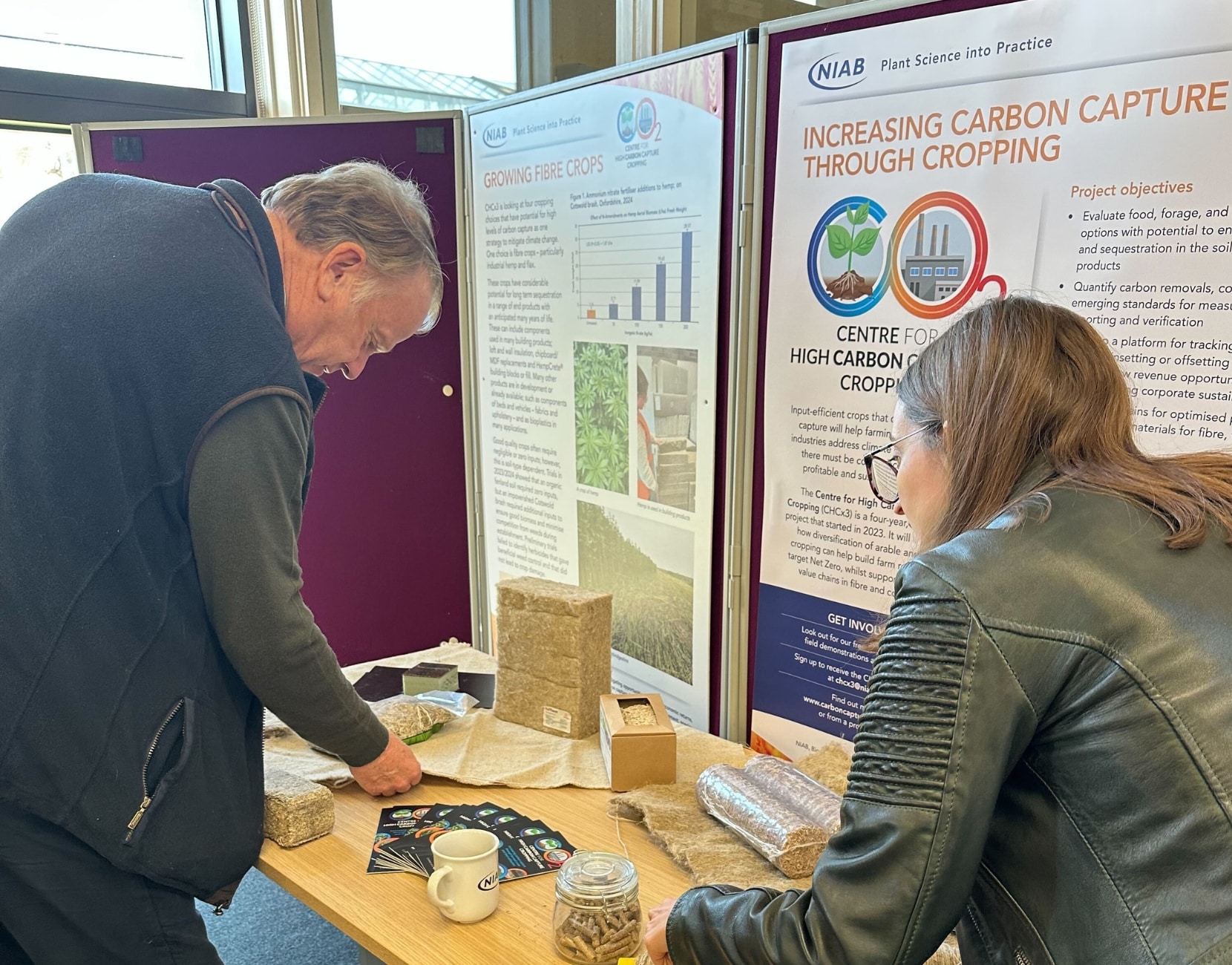
ATW 2025: How can Agriculture Decarbonise the Supply Chain?