AI-directed mechanical weeder promises improved blackgrass control
 Agri-TechE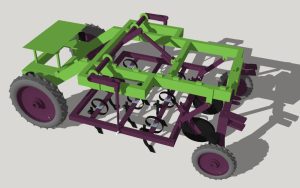
Blackgrass is a major threat to cereal crops as it has become resistant to many pesticides. Improved mechanical weeders provide an alternative strategy and ARWAC has developed a novel weeding machine that it will be discussing in the REAP exhibition.
ARWAC has been spun out of the Innovate UK funded project ‘Autonomous Robotic Weeder (in) Arable Crops (ARWAC)’. The consortium combines robotics expertise from the University of Lincoln with industry expertise to provide a solution for blackgrass control. The objective is to optimise crop production and soil quality through the reduced use of herbicides. Crop losses resulting from competition with blackgrass are expected to be in excess of £300m, equating to 200k tonnes of wheat lost each year*.
Can identify between blackgrass and wheat
ARWAC Managing Director Nick Webster comments that the weeding machine uses robotics to work remotely.
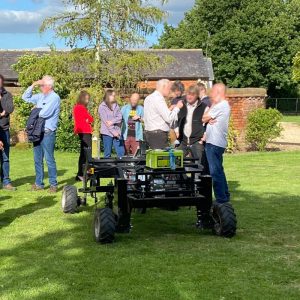
“The weeding machine uses refined sensors and AI to distinguish between the cereal crop and blackgrass. This is a challenging task as the two have a grass-like appearance.
“The aim is to develop a mechanical solution that is diesel- and chemical-free and is also lightweight to avoid soil compaction. The machine will help to address both the current labour and environmental challenges that agriculture faces and provide a commercial edge for the industry.”
Precision digital mapping of fields will be used to direct a specially engineered vehicle to provide a sustainable alternative to herbicidal use. ARWAC is currently conducting field trials to test the most effective methods of weed destruction.
Nick continues: “A low carbon mechanical approach to weed removal will reduce inputs and bring financial and environmental improvements to the UK farming economy.”
*(Source: Hicks, H.L et al.)
 REAP 2022: ‘Making Sense of Agriculture’ – Tuesday 8th November 2022
From yield mapping and precision livestock through to digital twins and cloud computing, at REAP 2022 we will be exploring the technology and looking at the implications from a field to landscape level. Making technology farm-centric is core to Agri-TechE ’s mission so a key feature of the conference will be a panel of farmers and producers discussing the emerging technologies and future scenarios.
Post Overview
Agri-TechE Related Posts
Agri-TechE spinouts from University of Lincoln and UEA gain funding

What We Learned from Farmable’s AI Pilot

Artificial Intelligence is speeding up the development of the next generation of biostimulants
South Korea Launchpad offer to agri-tech companies at REAP
Robots emerging as agricultural co-workers