ATW 2024: Soil Microbiome: exploring challenges and finding real time solutions to improve soil health
 Norwich Research Park
Agri-TechE Week 2024 celebrates its 11th year – our largest yet, featuring nine events curated by Agri-TechE and hosted by our incredible member community. This week exemplifies innovation, collaboration, and forward-thinking in agri-tech.
Each event reflects the strength of our ecosystem, fostering vital connections between growers, researchers, and technology developers. Thank you to our members for hosting and making Agri-TechE Week possible and showcasing what our community can achieve.
Anglia Innovation Partnership LLP (AIP) hosted a half-day workshop titled “Soil Microbiome: Exploring Challenges and Finding Real-Time Solutions to Improve Soil Health” on November 4th during Agri-TechE Week at Norwich Research Park.
The event was designed to address urgent soil health challenges, understanding soil microbiome role, considering soil health’s critical role in sustaining food production, supporting biodiversity, and mitigating climate change. Given that approximately 70% of England’s land is agricultural, effective soil management in this sector is essential.
The workshop brought together researchers, farmers, and industry professionals to explore how soil microbiome science can inform practical agricultural solutions. Research shows that the soil microbiome—the diverse community of microorganisms within soil—supports essential functions that maintain soil’s physical, chemical, and biological balance. However, modern agricultural practices and human activities have put soil health under increasing strain, emphasising the need for integrative, science-backed solutions.
The session featured plenary talks from two prominent researchers: Dr Maria C. Hernandez-Soriano, a soil chemist from the John Innes Centre, and Dr Marcela Hernandez, an environmental microbiologist and Group Leader at the University of East Anglia. They presented their research on the soil microbiome’s role in promoting soil health and resilience, underscoring the importance of incorporating microbiome science into agricultural practices. Their presentations highlighted how the soil microbiome contributes to ecological balance, crop productivity, and soil’s ability to sequester carbon, which is vital in addressing climate change.
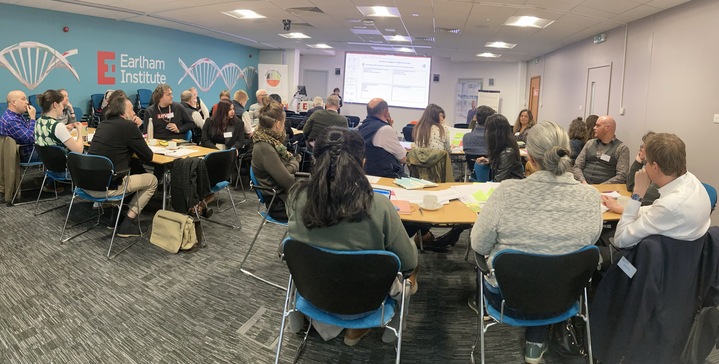
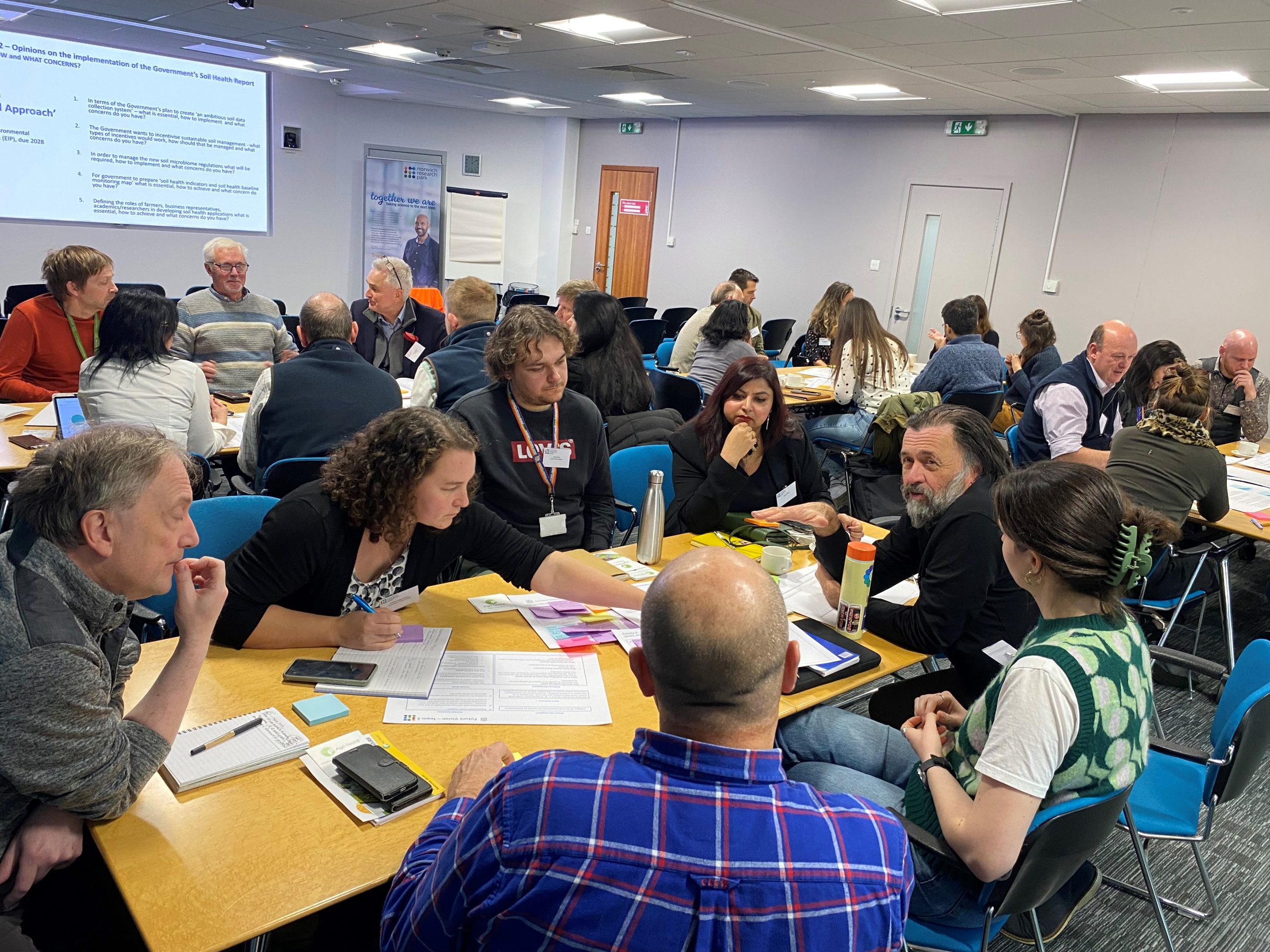
An interactive session led by Dr Monika Chhetry from AIP built on the findings from a prior Explorer Forum workshop focused on soil health. This activity connected stakeholders from academia and industry with farmers, aiming to bridge research with real-world agricultural applications.
Participants explored two promising concepts developed during the Explorer Forum that integrate microbiome data into farming practices to improve productivity, resilience, and reduce carbon footprints. This facilitated exchange of ideas from diverse perspectives provided valuable insights into the strengths and challenges of adopting microbiome-based methods in farming, addressing both the scientific and practical needs of the agricultural community.
The workshop concluded with a focused discussion on the UK Department for Environment, Food & Rural Affairs (DEFRA) Soil Health report. This segment emphasised sustainable soil management practices, the need for reliable soil data, and setting a soil health baseline to measure progress.
Attendees explored the existing gaps in translating scientific knowledge into actionable policy and practical guidelines, highlighting opportunities for integrating scientific research into regulatory frameworks and agricultural practice standards.
This collaborative event demonstrated the importance of interdisciplinary engagement in tackling soil health challenges, aligning agricultural practices with environmental and sustainability goals. By fostering an open dialogue among academic, industry, and agricultural stakeholders, the workshop generated actionable insights for integrating soil microbiome science into practical farming solutions, setting a path toward improved soil health management in England.
The outcomes of the workshop pave the way for ongoing innovation, underscoring the potential for microbiome science to revolutionise sustainable agricultural practices and enhance resilience in soil ecosystems.
Related Posts
Irrigation scheduling without the manual guesswork: how Ostara makes it possible
ATW 2025: Pioneer Gene-Editing in Agriculture

How I’m helping rice farmers in India harness the power of fungi in the soil
Paul-Tech Enhances Its Soil Stations with a Third Sensor

Ceres AgriStrategy Conference 2025