Labour Party Conference debates agri-innovation
 Agri-TechE
 “This is a time of transition… and it’s time for a values-based discussion with society about the role of innovation in agriculture.”
So said Richard Harrison, Managing Director of the Plant Sciences Group (Wageningen University and Research), at a session at the Labour Party Conference in Liverpool on “Plant-based innovation and economic growth.”
Moderated by Belinda Clarke of Agri-TechE , the session also featured Prof Mario Caccamo, CEO of Niab, and Tom Bradshaw, NFU President.
Tom, heroically arriving slightly damp (it was a VERY wet day in Liverpool), agreed with the need to bring societal views into the conversation and also emphasised the farmer demand for a “systems” approach to R&D for the industry.
“We are looking to transformational R&D to impact farm-level productivity”, he argued “this kind of ‘systems thinking’ is very, very difficult, but critically important.”
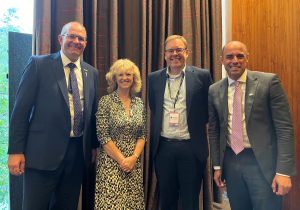
Tom Bradshaw (President NFU), Belinda Clarke OBE (Director of Agri-TechE ), Richard Harrison (Managing Director of the Plant Sciences Group, Wageningen University and Research), Mario Caccamo, (CEO Niab)
High expectations
As an industry – and indeed wider society – we are asking a lot of plants of the future.
We depend on them for food, feed, fuel, fibre, pharmaceuticals, and increasingly delivering on the UN’s Sustainable Development Goals (zero hunger, good health and well-being, responsible production and consumption, climate action and life on land).
And now the tools exist to maximise the potential of plants like never before. From new breeding techniques to an understanding of how plants interact with microbes and each other, the impact on agricultural rotations, harnessing plants as biofactories make novel, valuable products and using them to deliver “ecosystem services” such as carbon sequestration, clean water and flood mitigation.
Co-creation, fragmentation and spending wisely
Like many other sectors in the UK, the ability to generate innovative new ideas and undertake early-stage innovation (so-called “value creation”) is world-leading.
It’s the “value capture” – harnessing this value for economic growth that has proved so much more challenging.
The discussion ranged from the apparently fragmented role of the UK R&D landscape, (as compared with that in the Netherlands), to the need to use existing investment as wisely as possible, reducing duplication and ensuring “co-creation” of research between farmers and innovators. There will, the panel argued, need to be a new relationship between public and private investment to address all the challenges.
In it for the long-term
The message was one of optimism from both the panel and the audience. There was agreement in the need for A Plan with long-term clarity around a shared vision, which will also help drive global investment into the UK.
It’s clear some change is needed to the structure of the R&D funding landscape to deliver even more value and the regulatory environment needs to provide the enabling environment for the innovations to grow and gain commercial traction.
And crucially, to align with other plans – around the environment and nature recovery, the transition to net zero, the economic growth of the UK, and to ensure the wealth of expertise and capability acts as a jigsaw – an inter-locking innovation ecosystem, rather than a collection of fragmented and competing entities.
Arguably there is no better time to feed in expert thinking to a new government than at their Party Conference and when they are nearly three months into their leadership.
Let’s hope they were listening.
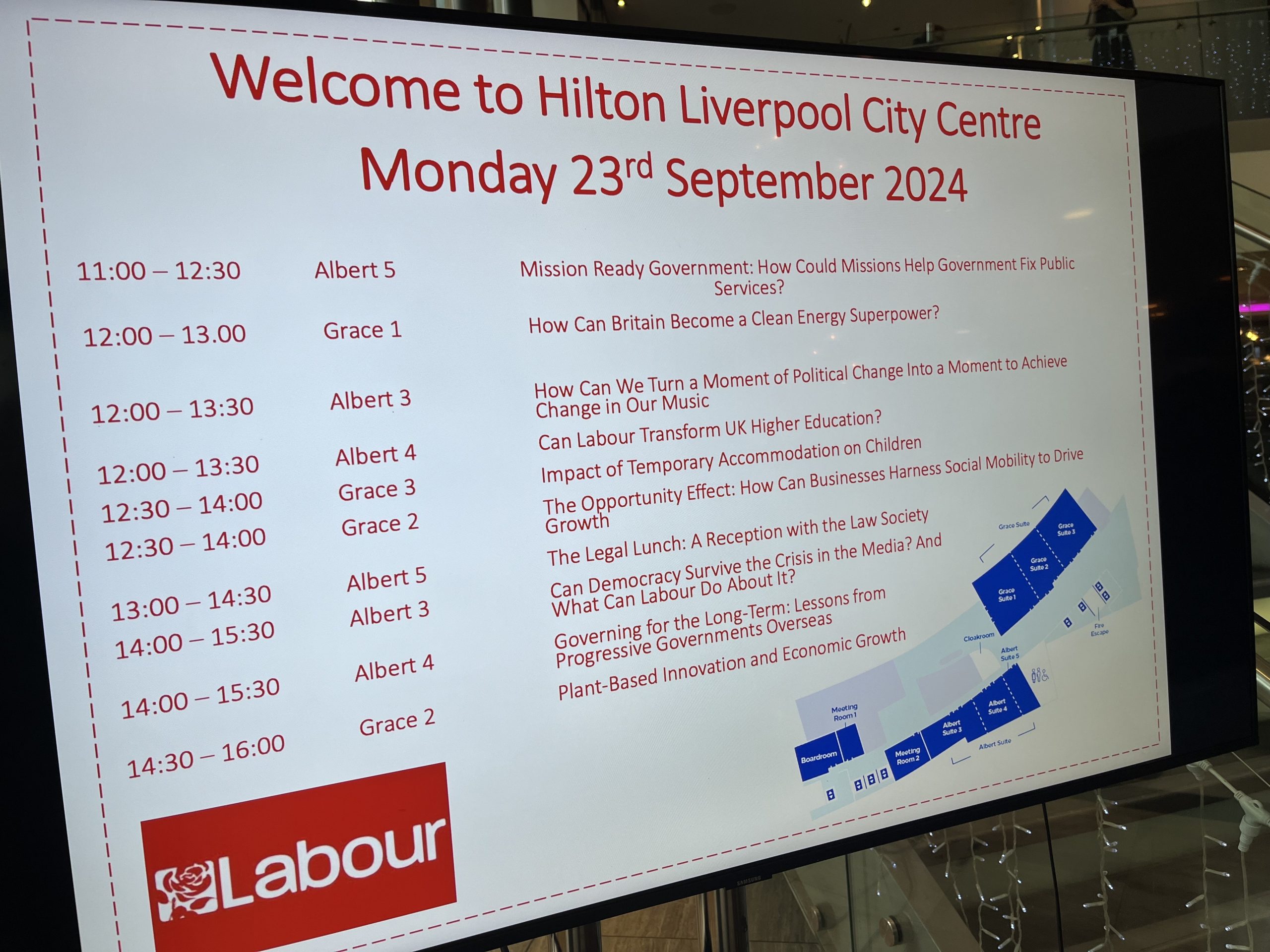

Sessions from the day, and PM Kier Starmer speech (courtesy Reuters Institute Digital News Report)
Post Overview
Agri-TechE Related Posts
Report: Global de-risking and scaling of UK agri-life sciences

Is scaling ever plain-sailing in agri-tech?!
Biostimulants: Current Outlook and Challenges Ahead
UK Precision Breeding Act – transforming crop development and food security
Over-complication hinders tech adoption… Takeaways from The World Agri-Tech Innovation Summit 2026