Wilder, wetter, better for wildlife – second round of Landscape Recovery
 Agri-TechE
 ‘Wilder, Wetter, Better for Wildlife’ is one of the projects chosen in the first round of the new Landscape Recovery scheme, which is part of ELMs. Applications for the second round will open in spring.
Round 1 – successful projects announced
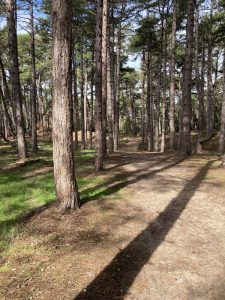
The ‘Wilder, Wetter, Better for Wildlife’ proposal was submitted by Norfolk County Council in partnership with Norfolk Rivers Trust and the Holkham Estate and it was announced in September 2022 that it had been successful.
The project aims to convert over 1400 hectares of arable farmland on the Holkham Estate into new habitat managed for nature. The areas have been carefully chosen to fill in existing gaps in the habitat mosaic in the area. On completion, it means a total of 13,470 hectares of land will be managed for wildlife.
The project brings together landowners along four chalk rivers (Hun, Stiffkey, Burn, Glaven) and the North Norfolk Coastal strip between Hunstanton and Weybourne (land between the sea and the A149). This is an area of high ecological significance and a recent survey revealed nearly 11,000 different species of wildlife, including the Natterjack Toad and birds including the Spoonbill and fish such as Grayling.
Round 2 – Landscape Recovery
The second round aims to support 25 projects and will focus on projects of at least 500 hectares, targeting net zero, protected sites and habitat creation. More information is available on the Defra Farming Blog.
Water Innovation for Agriculture
Managing water in the environment is a key element of many of the Landscape Recovery projects and this subject is to be discussed at the Agri-TechE event ‘Water Innovation for Agriculture‘ on 8th February at Cranfield University. Speakers include: Kelly Hewson-Fisher (NFU), Daniel Johns (CEO at Water Resources East), Prof Jerry Knox and Dr Rob Simmons (both of Cranfield University) and innovators Tailwater Systems, Wroot Water and Aquagrain.
Post Overview
Agri-TechE Related Posts
“Feed the soil and it will feed you,” Gary Zimmer says at REAP 2016

Investigating New Farming Systems for combinable crops: Niab at the Innovation Hub

Creating weather resilience in a changing climate

Agri-TechE Week 2020 NRP: Crops and non-chemical pest control – genetics, environment and biodiversity
#ATW21 Friday: Carbon avoidance or carbon capture?