Controlling light in farming
Agri-TechE Light powers photosynthesis in plants, and controlling light therefore has a direct impact on agricultural production.
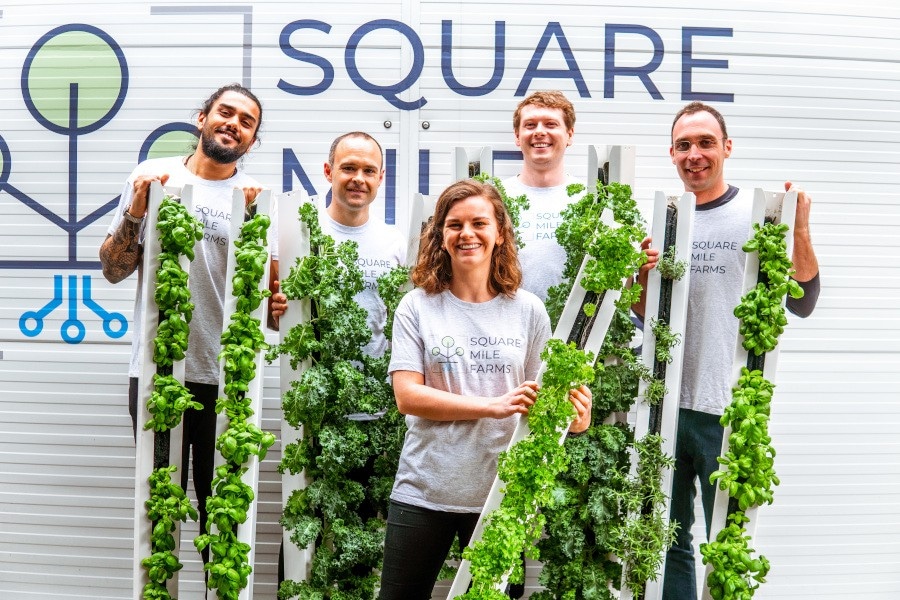
One of the simplest ways to manipulate crop performance using light is in controlled environment production. The ability to mass produce LEDs with different light frequencies has revolutionised undercover cropping, changing the economics of production and enabling a much greater range of plants to be produced in vertical farms.
In the field, optimising photosynthesis efficiency can potentially increase yield and has been a Holy Grail of researchers for decades, who are trying to enhance this inherently inefficient process and make it more efficient.
Within the plant science research community, a major advance has been the understanding of how plants use light to measure time, an area known as chronobiology.
The big excitement is the knowledge that chronobiology extends beyond daily rhythms – it also impacts on many underpinning biological processes, including those that influence plants’ ability to manage drought stress and resist pests, providing new targets for breeding and innovation.
Intensive lighting regimes have shown that it is possible to create, under extreme conditions, eight harvests a year of wheat.
Post Overview
Agri-TechE Related Posts

Light Science Technologies’ rapid growth continues with key sales appointment

GrowPura increasing the productivity and profitability of vertical farming

Time to grow up for Controlled Environment Agriculture?

Demystifying aeroponic production – LettUs Grow research collaboration with Wageningen University