Over-complication hinders tech adoption… Takeaways from WATIS 2026
 Agri-TechE
 Simplicity and clarity were the watchwords of the day at the World Agri-Tech Innovation Summit in London on 22-23 September 2026, with Ministerial confirmation around independence and autonomy on the rule of precision breeding, and farmers, investors and innovators agreeing that over-complication has been a potential hindrance to technology adoption.
Watch our four-minute reflections from the field:
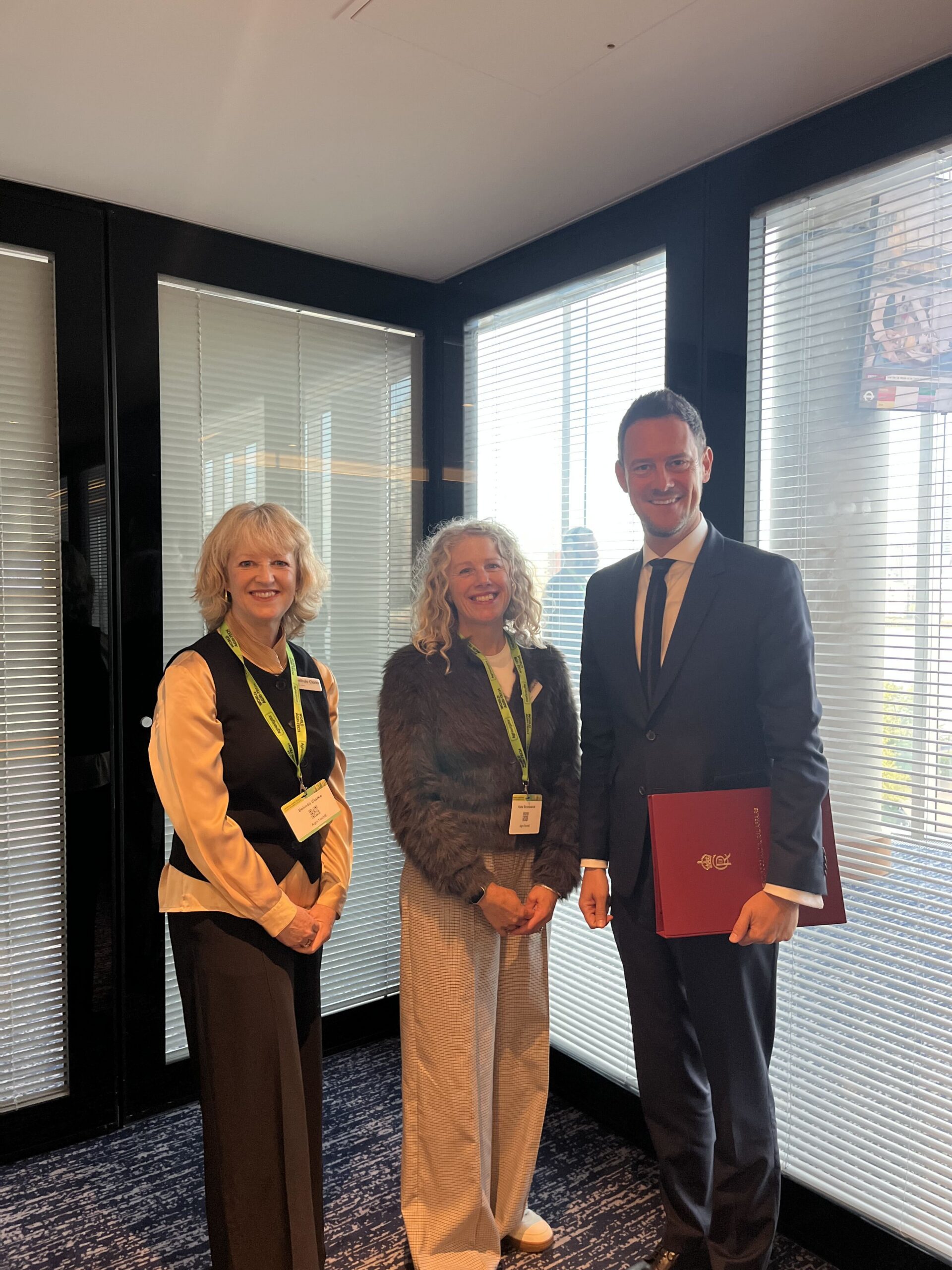
The Minister announced the creation of a new central hub to help SMEs navigate regulation and standards, (including particularly for robotics), and in a 1:1 with us we spoke about the work within Agri-TechE supporting particularly those earlier in their career to build their first agri-tech network, and as we move into supporting people development through our relationship with MDS.
What Delivers, What Fails and Why?
After more than a decade of agri-tech innovation, there is maturity and self-awareness to be able to answer this more candidly than ever before.
A session including Dyson Farming and Tesco tackled this ongoing challenge, highlighting the value of partnerships, more effective distributor relationship models, and the fact that farmers are now acting as (largely unsupported) “integrators” of different technologies and systems.
As the Dyson MD reflected – there is no single “Most Promising Innovation” – farmers are managing so many variables, but digitalisation of farms is having a major impact.
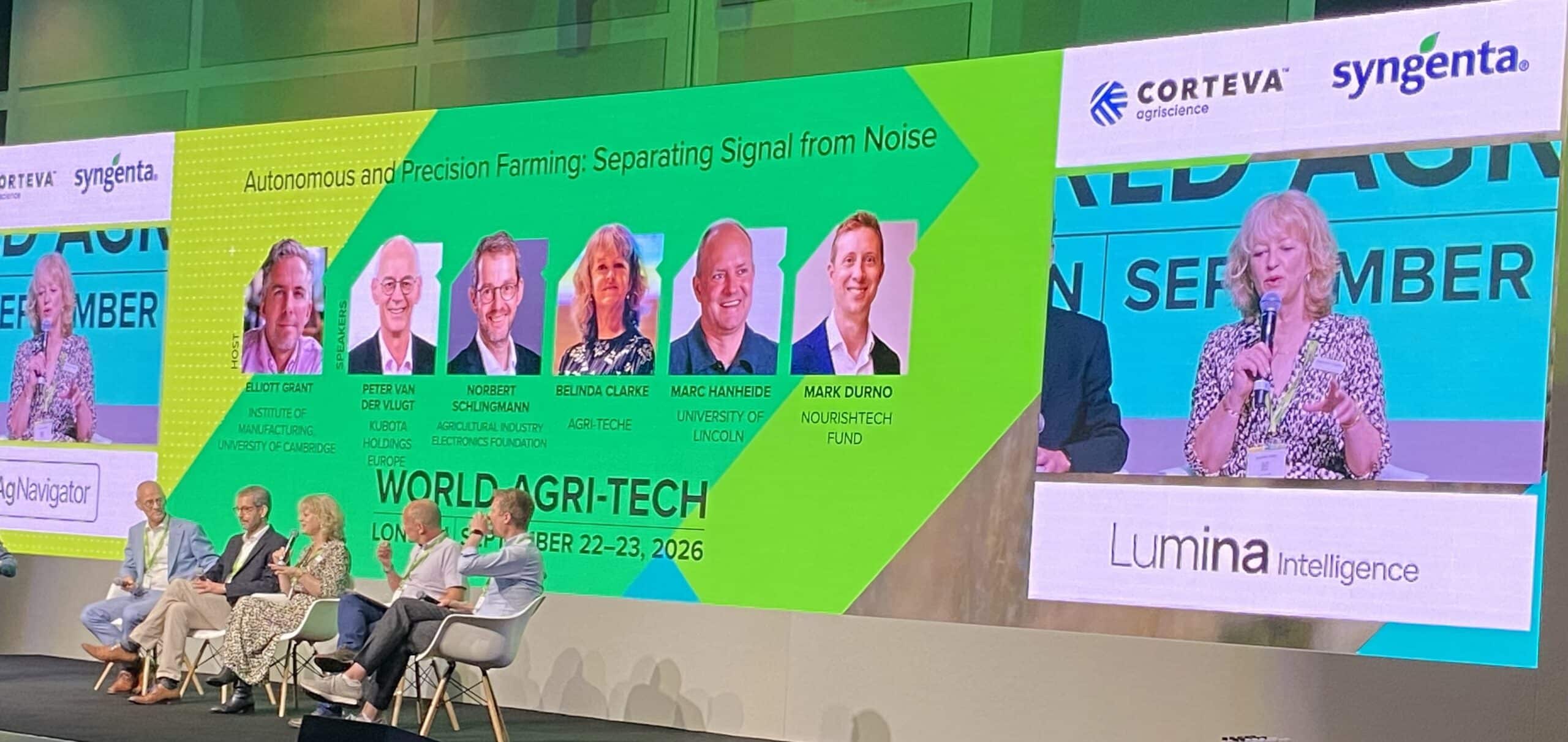
Autonomy and Precision Farming – Separating Signal from Noise
“Where do you think we will see full autonomy on farm?” Asked session moderator Elliott Grant – leading the panel to whether general purpose machines, or task specific appliances were most likely to gain traction at scale.
The discussion focussed on the need for simplification and recognition that some of the early successes appear to be in automation that simply removes dull, repetitive and lower value tasks on farm.
Business models – the make-or-break decision… but staying flexible is key
As ever in discussions about automation, the issue of whether the farmer will own or lease the technology; however it appears the conversation has evolved into more flexible and sophisticated potential models that might change as the company matures and farmer needs change.
As Marc Durno of Rockstart reflected, being able to pivot the business model – or even run several different options at a time – might help spread risk and costs and give investor comfort.
Another year on – what has really changed?
In truth, there were no Big Reveals, breakthrough discoveries announced, or major dramas unfolded at the conference this year. A change to the UK’s publicly funded agri-tech landscape (the evolution of the UK Agri-Tech Centre) was a topic of discussion in the sidelines, and of course, no-one can ignore the geo-politics, when it comes to the role of China and potential impacts of war. A particularly insightful session gave an overview of the impact of the war in Ukraine on its agriculture, with a reduced workforce and combat operations taking place on farmland being drivers of change.
On balance – we came, we talked, we reassured ourselves that it’s a tough time in the industry – but one that shows everyone is in it for the long haul.
Post Overview
Agri-TechE Related Posts

Defra’s Science Chief Announced as REAP Conference keynote

Why Human Factors Will Drive Business Growth in 2026
ATW 2025: Climate Adaptation in Agronomy with Satellite Technology
Seeing nitrogen from space: Real world results from hyperspectral imaging
Fields of the Future : Episode 4