Looking Back, Moving Forward: The New Era of Precision Breeding
 Agri-TechE
 The recent granting of a Precision Bred Organism (PBO) marketing notice for a gene-edited variety of barley to Rothamsted Research has made us reflect over 30 years of debate, discussions, strong opinions and scientific discovery which have led to the current development.
Monitoring global trends
There’s nothing like an annual report to give a good overview of the direction of travel. The recently published “Global Status of Commercialised Biotech/GM Crops in 2024”, was launched in February by the International Service for the Acquisition of Agri-biotech Applications (ISAAA) which, for the last three decades, has provided insights into the global adoption of this technology.
The latest report has revealed that since 1996, 73 countries have integrated genetically modified (GM) crops into their agricultural systems – 44 through cultivation and 29 through imports.
What is clear is that despite set-backs and regulatory hurdles, there has been a global gaining of momentum, not least with the development of gene-editing technologies, first developed in 2012. The latest ISAAA findings highlight not just continued global adoption, but also an evolution in how this technology is used.
Early adoption – narrow but deep
When GM crops were first commercialised in 1996, farmer adoption was relatively modest—just 1.7 million hectares across a handful of countries. But early ISAAA reports documented a rapid surge.
In just four years global GM crop area had reached 44 million hectares, and by the mid-2000s, adoption had increased more than forty-fold.
This rapid uptake allegedly gave GM crops the status of fastest adopted technology in the history of modern agriculture.
Early growth, however, was geographically narrow and mapped mainly to countries with enabling regulatory jurisdictions. The United States, Canada, Argentina and China dominated production, and so-called “industrialised nations” accounted for the vast majority of cultivated area.
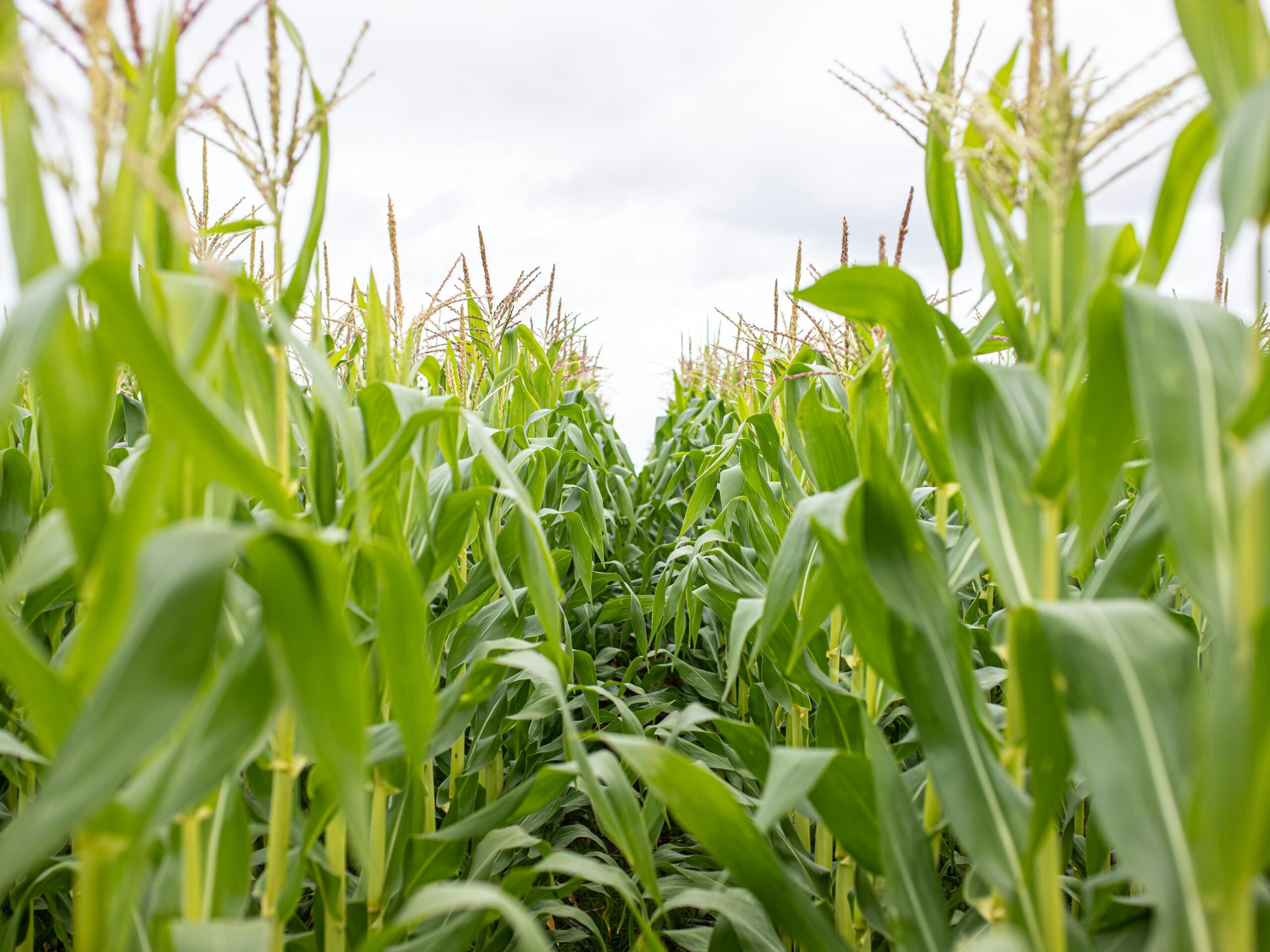
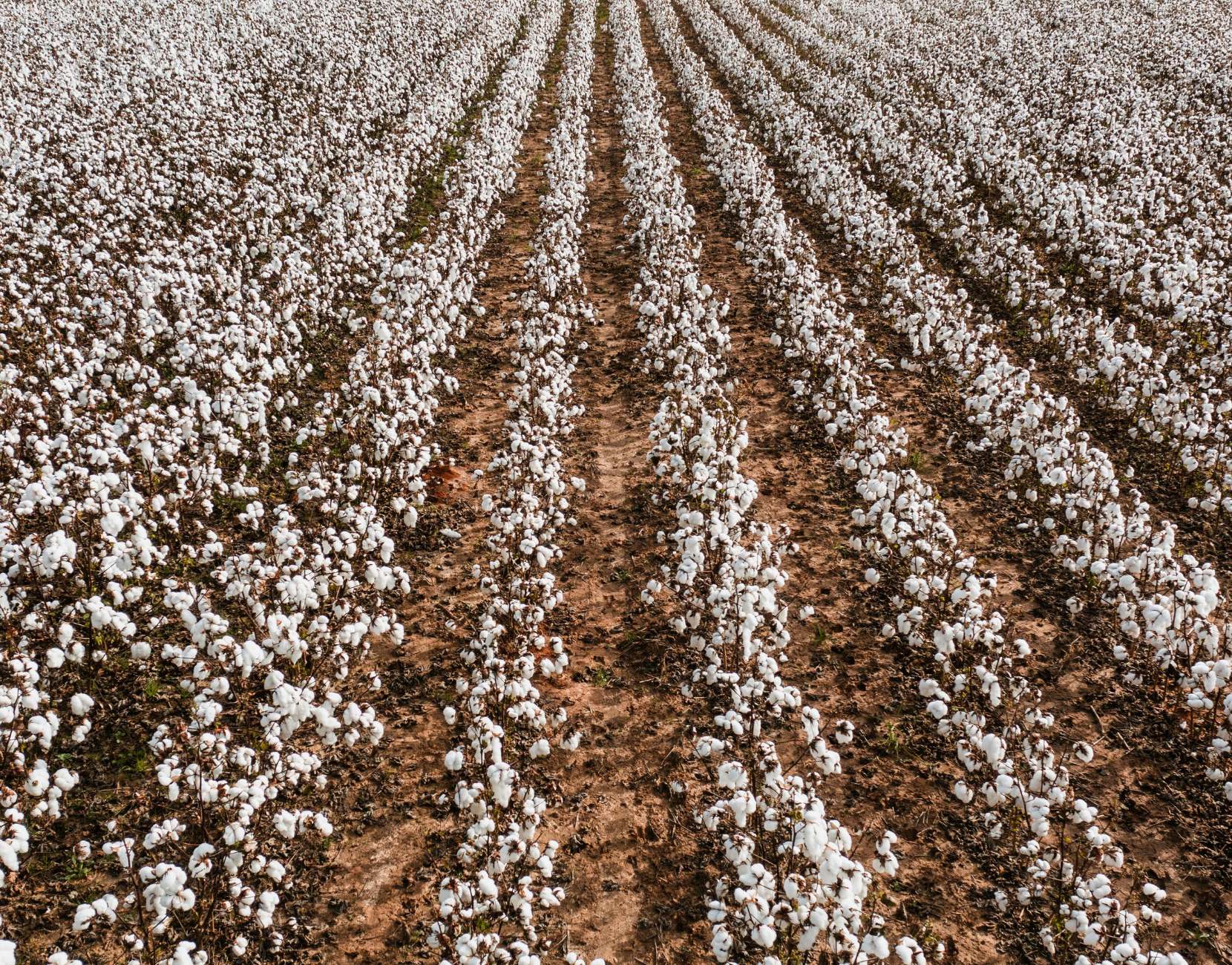
The technology was largely focused on a few key crops—soybean, maize and cotton—and on two primary traits: herbicide tolerance and insect resistance.
Going global
The 2006–2015 period marked a shift from rapid expansion to global diffusion. GM crop area surpassed 170 million hectares, and adoption spread to around 30 countries. Crucially, developing nations began to play a larger role, with smallholder farmers increasingly adopting “biotech crops” due to their economic and agronomic benefits – yield gains, reduced pesticide use, and improved farmer incomes were reported.
A slow down and a re-framing
By the late 2010s, total global area stabilised at around 185–190 million hectares, and adoption rates in major producing countries had, according to ISAAA, approached “saturation”—often exceeding 90%. At this stage, further expansion was constrained not by technology, but by market and regulatory factors. Growth slowed, and attention turned toward improving traits and addressing emerging challenges such as climate variability and pest resistance.
Stacking and editing – for climate resilience
The 2024 ISAAA report reflects a new phase: diversification and strategic expansion. Global GM crop area now exceeds 200 million hectares, with more than 30 countries cultivating biotech crops and over 70 engaged through cultivation or import approvals. Notably, recent growth has been driven by developing regions, particularly in Africa, where countries such as Kenya and Ghana have begun adopting the technologies.
At the same time, innovation is evolving. While traditional traits remain dominant, newer developments—including “stacked traits” and gene editing techniques—are expanding the scope of agricultural biotechnology. Increasingly, the technology is being viewed not just as a tool for productivity, but as a provider of broader challenges such as climate resilience, sustainability, and food security.
Post Overview
Agri-TechE Related Posts

EU Regulation on gene-edited plants enters into force
Will the chickpea yield of 2026 reach the heights of last year?
Breeding value for every stage of the supply chain

From Mendel’s peas to Tropic’s bananas – how genetics became a key pillar of agriculture and horticulture innovation
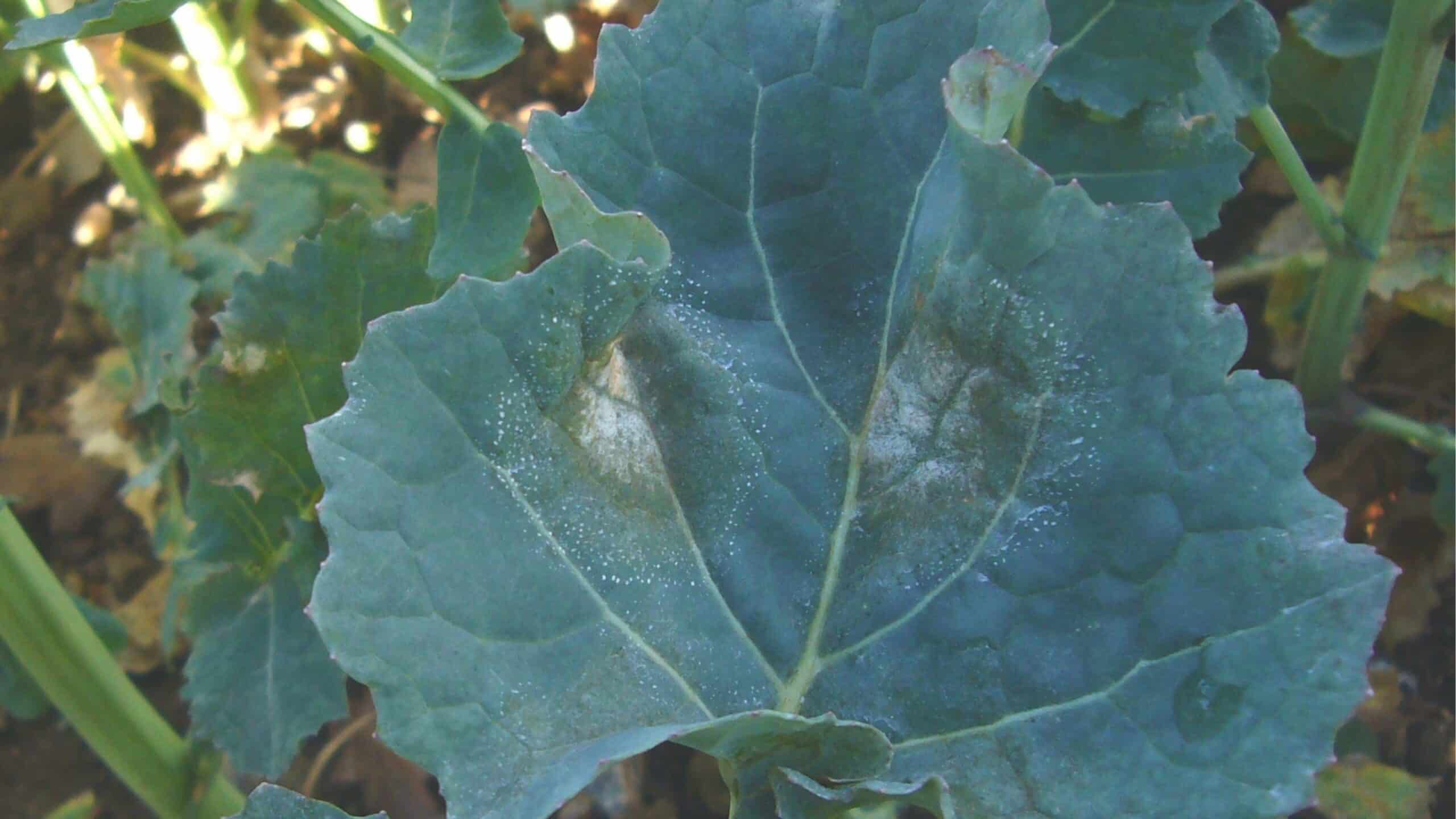
£2.5m project launches first precision-bred oilseed rape on commercial farms in Europe