Data-driven environmental monitoring highlights significant variations in bird biodiversity
 Agri-TechE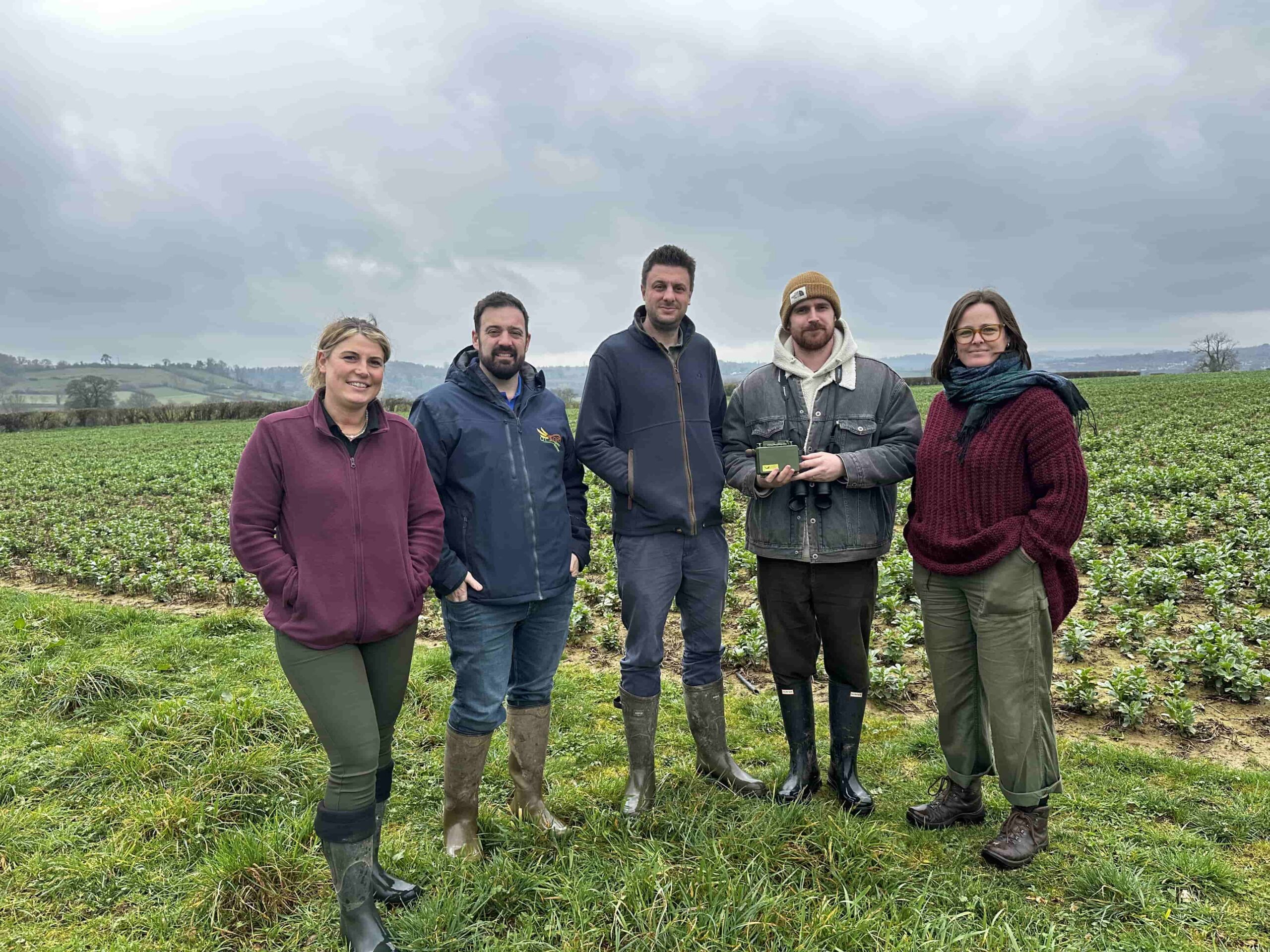
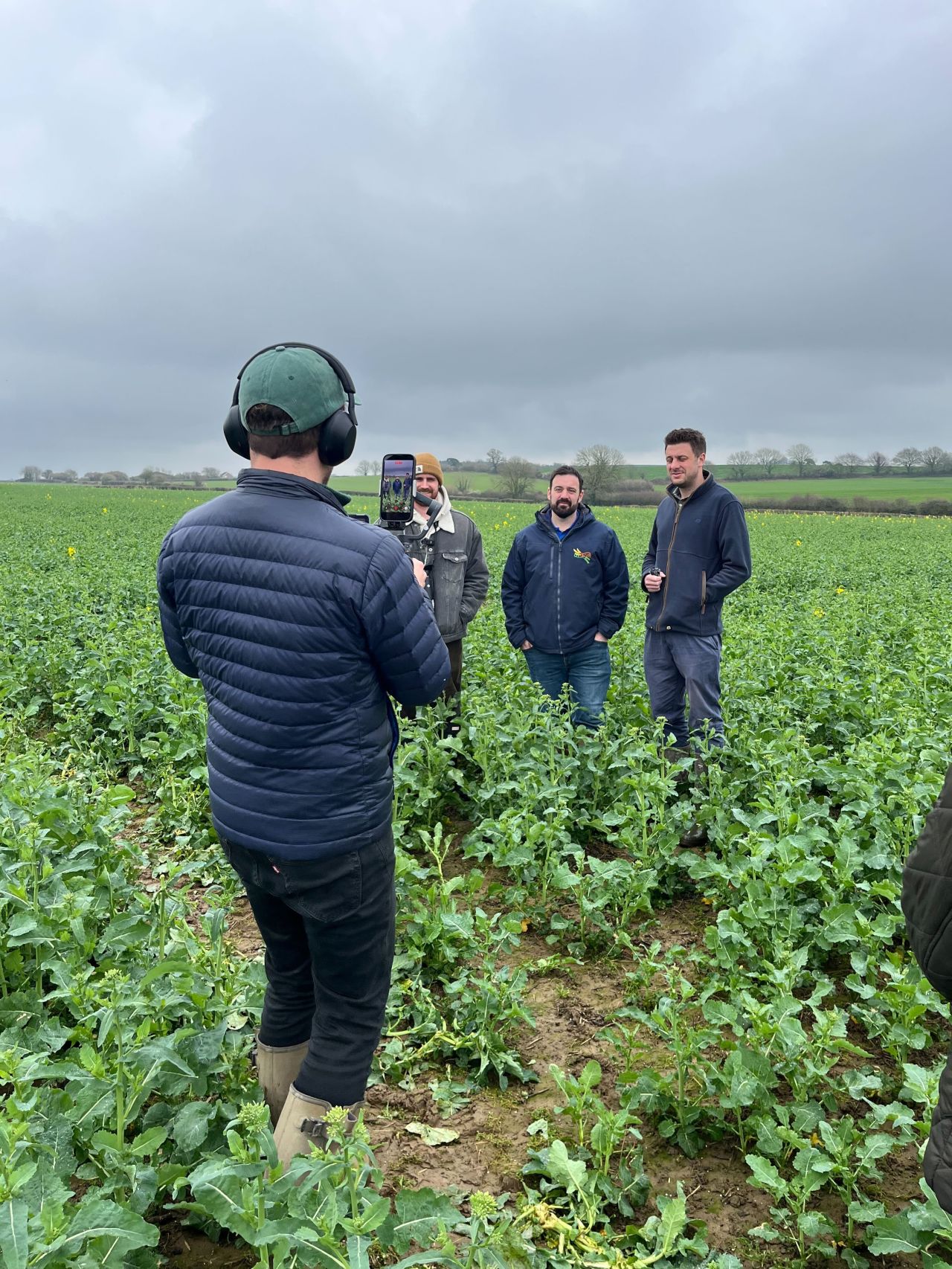
Todd Jex, partnered up with Agri-TechE member Wilder Sensing ahead of the upcoming Nature Technology event on April 28th to see how analysis of recorded bird song can be a bellwether for biodiversity across two farming systems.
Despite his passion for regenerative farming, supported by Todd as his agronomist, Oli Harris of QT Agri, who farms at Barton Farm in Dorset, has a portion of the farm that is still farmed using conventional tillage. This is because of a contract to grow turf for the family’s other business, Sherbourne Turf.
Having two contrasting farming systems within the same farming enterprise provided a fantastic opportunity for Todd to work with Oli to test the Wilder Sensing technology to see the benefits that regenerative farming brings.
“Originally, we adopted no-till regenerative farming practices for financial reasons to scale up the business,” says Oli. “Contractors were doing much of the work, and it was a way to bring all operations back on the farm and take control of arable production.
“Very quickly, it became a passion to see the environmental benefits the new system was having. We have seen a benefit to the wildlife and soil health.”
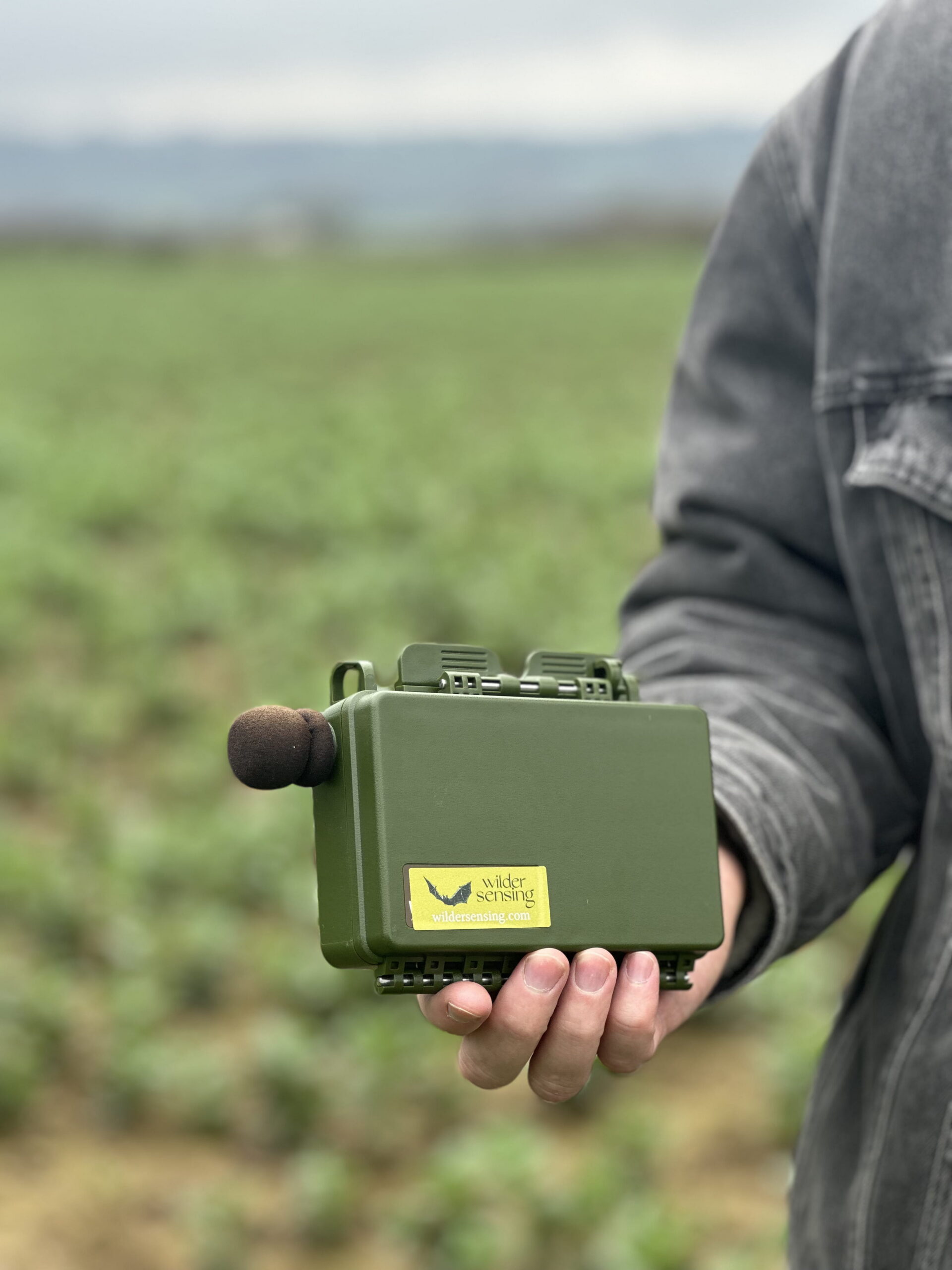
Todd set up two off the shelf recording devices on the farm, which Wilder Sensing can supply, although its technology is based on data processing and analysis rather than the physical devices, explains George Caterer, business development manager at Wilder Sensing.
“These recording devices have been available for a long time,” says George. “The limiting factor in their use is the amount of data you get from them and the time it takes to analyse it.
“The trial with Todd ran for six days, and we recorded 20,000 bird calls.
It would take an ecologist days to analyse that data, with varying levels of accuracy, whereas our AI can do that within 24 hours.”
The devices can confidently record a bird’s noise within 50 metres. Because birds can cover a wide area of farmland, he says that each device can cover a decent area. And even though it is only recording the presence of one taxonomic group, birds are a fantastic reference for the health of an ecosystem because they cover all levels of the food chain, according to George.
Wilder Sensing licenses the BirdNET database to give them a reliable reference for every possible bird species in the UK. They have built a cloud-based platform for users to easily access and interpret the analysis.
“The overall number of bird calls isn’t the interesting number. These are the overall numbers and types of species. This gives you a much better idea of the ecological condition of the land,” explains George.
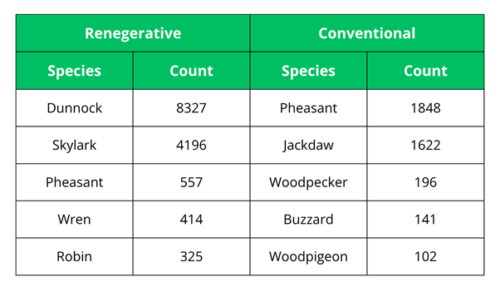
Looking at the data gathered at Barton Farm, the conventional field was dominated by corvid and generalist urban birds. Moving over to the regenerative field, there are many more insectivorous and seed-eating birds, notes George. One of the starkest comparisons was between the skylark calls: the regen location had over 4,000, whereas the conventional area only had 11.
Todd has worked with many farmers over the years to help them transition to a regenerative system, and he believes recording baseline data at the start of this process is a vital first step. From here, you can retest after several years to assess the effect of the new system.
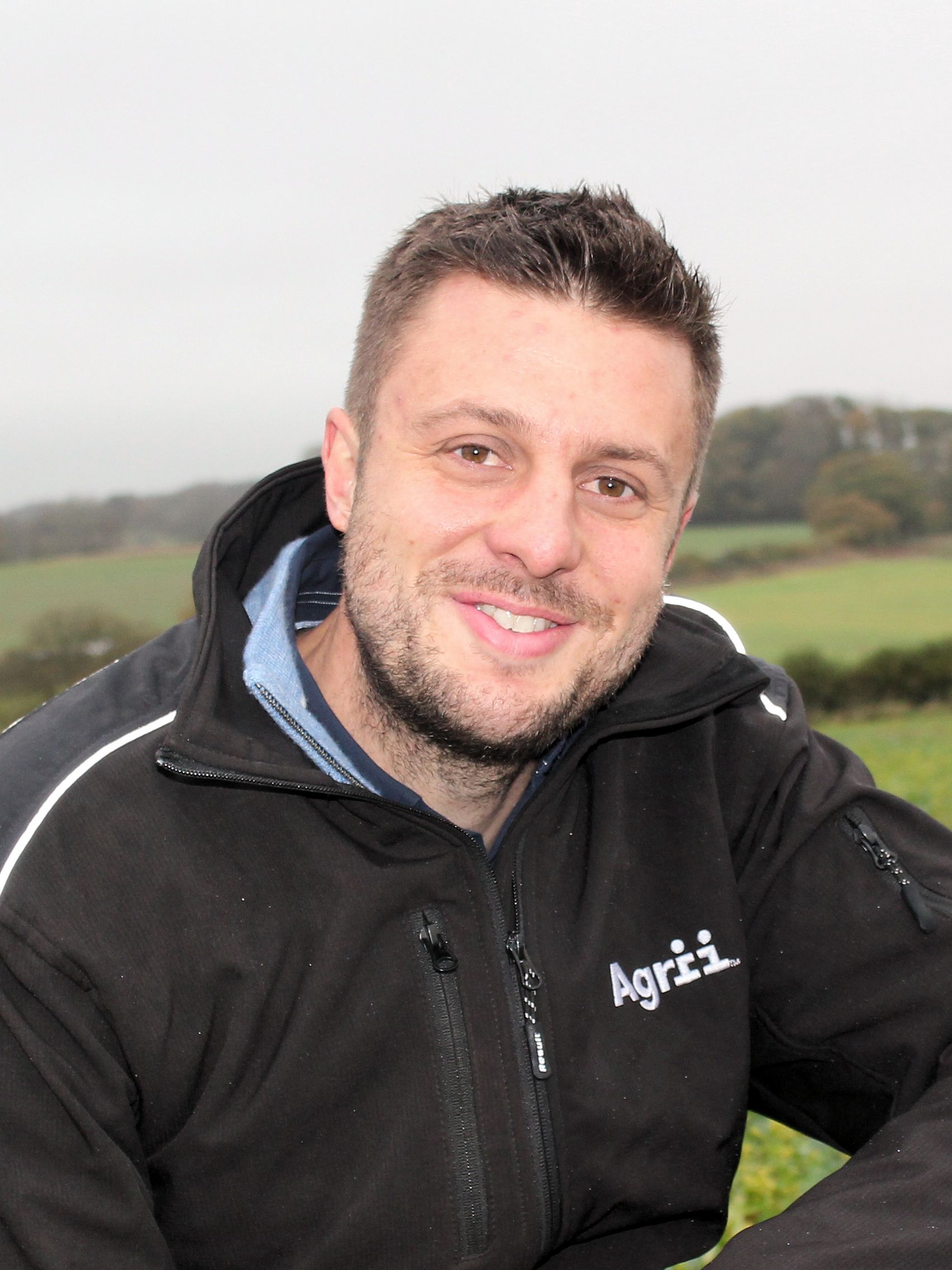
“You need to have the baseline at the point of change to see what is happening for good or for bad,” says Todd.
“You can then make appropriate recommendations if things aren’t evolving the way we want them to.
“The soil analysis we do is very in-depth. Biodiversity is the part we aren’t very good at capturing at the moment, and it’s such a massive part of it.”
Oli adds that historically, biodiversity has been impossible to measure at scale. Whereas soil parameters, such as pH, are much simpler. He is excited that the technology now exists to do this and can see the benefits for his farm.
“It’s reaffirmed that we are doing the right things. We are tenant farmers, and our landowners are keen to see us improve the environment. This data puts us in very good standing with them.
“It also gives us a point of differentiation if we ever try to grow the business by tendering for new land. Often, the people who can offer the most money are those who farm the most intensively, for growing potatoes and the like. Many big landowners want more than that now. This data is a great way to show how we farm sensitively to the environment,” says Oli.
It’s because of benefits like this that George says Wilder Sensing has generated much interest in the technology within the regenerative farming sector. They also have markets developed with renewables, water utilities, housing developers, NGOs and ecology consultants. “It’s about data-driven improvement,” he adds.
Wilder Sensing and Todd Jex will be at The Productive Landscape: NatureTech for Profit and Planet on 28th April at Rothamsted.
Speakers include: Dr Robert Bradburne, Chief Scientist for the Environment Agency, Diane Mitchell, Chief Environment Advisor at the National Farmers Union and David Webster, CEO of LEAF.
For more information and to purchase tickets, visit the the event page: The Productive Landscape.
Post Overview
Agri-TechE Related Posts
Groundswell 2026: What’s New, What’s Useful, What’s Next?
In Conversation With: Ponda Head of Agriculture
International food group Importaco partners with AgriSound on regenerative almond farming project
Fields of the Future: Episode 5 – Can Regenerative Agriculture Stand Up to the Evidence?
We reveal the Top Eight Innovations in the REAP 2025 Start-up Showcase