Looking Ahead: Building Resilience After Another Testing Season
 D Penn
I’m still undecided on how I feel about this season, and from an agronomic perspective, I can’t quite predict where yields will land. On one hand, crops have faced relentless pressure: a wet autumn followed by a record breaking dry spring. But on the other hand, some crops have surprised me and are holding up remarkably well.
Oilseed rape crops, in particular, have developed large seed size and stayed remarkably clean. We’ve seen little to no disease all season across the board. The wheat, as expected, is burning off fast, but there’s still a fair amount of green leaf area left for grain fill. I’m cautiously optimistic about hitting protein targets, which feels more achievable this year.
That said, I think most of us are tired of the constant extremes in the weather. But I’m slowly coming to terms with the fact that this isn’t an anomaly anymore, it’s becoming the norm.
At home on the family farm, our investment in regenerative farming and building soil resilience has really paid off. After the 270 mm of rain we had at the end of September, we couldn’t even think about drilling until mid-November. Yet, the crops look remarkably well considering the challenges. The lighter land, in particular, has benefitted from being left undisturbed. Moisture retention has been far better, and those fields aren’t burning off or showing drought stress as badly as we would’ve anticipated.
Next year, like many of my farming clients, I’m already focusing on the future, though I’ll admit, we’re all getting a bit fed up with constantly hoping that next year will be better.
We do, however, have a number of positive changes on the family farm that we have implemented this year. We were fortunate to secure an SFI agreement before the scheme paused on the 11th of March, though I have to thank a well-timed rumour from a friend for that. Thankfully, I submitted Dad’s application just in time!
Our SFI agreement is designed to support regenerative practices we are already doing, such as direct drilling, companion cropping and no insecticide. As well as helping us to develop and implement further practices such as catch cropping and variable rate application of nutrients. These are to be layered onto our continuous wheat rotation. Some may question whether this is a sustainable rotation in a regenerative system. However, I do believe there is a place for this rotation in a regenerative system and above all this rotation will be profitable in a time when many rotations are marginal. There are several farmers in our area successfully growing continuous wheat with minimal take-all issues, largely thanks to healthy, functioning soils. My aim is to prove that you can grow your most profitable, highest margin crop year after year, but with one critical addition: diversity.
Related Posts
Ponda Featured on BBC Radio 4’s ‘Farming Today’: Exploring the Future of Paludiculture
Demo Day at Elveden Estate 12 May: Soils and Water Management Innovation
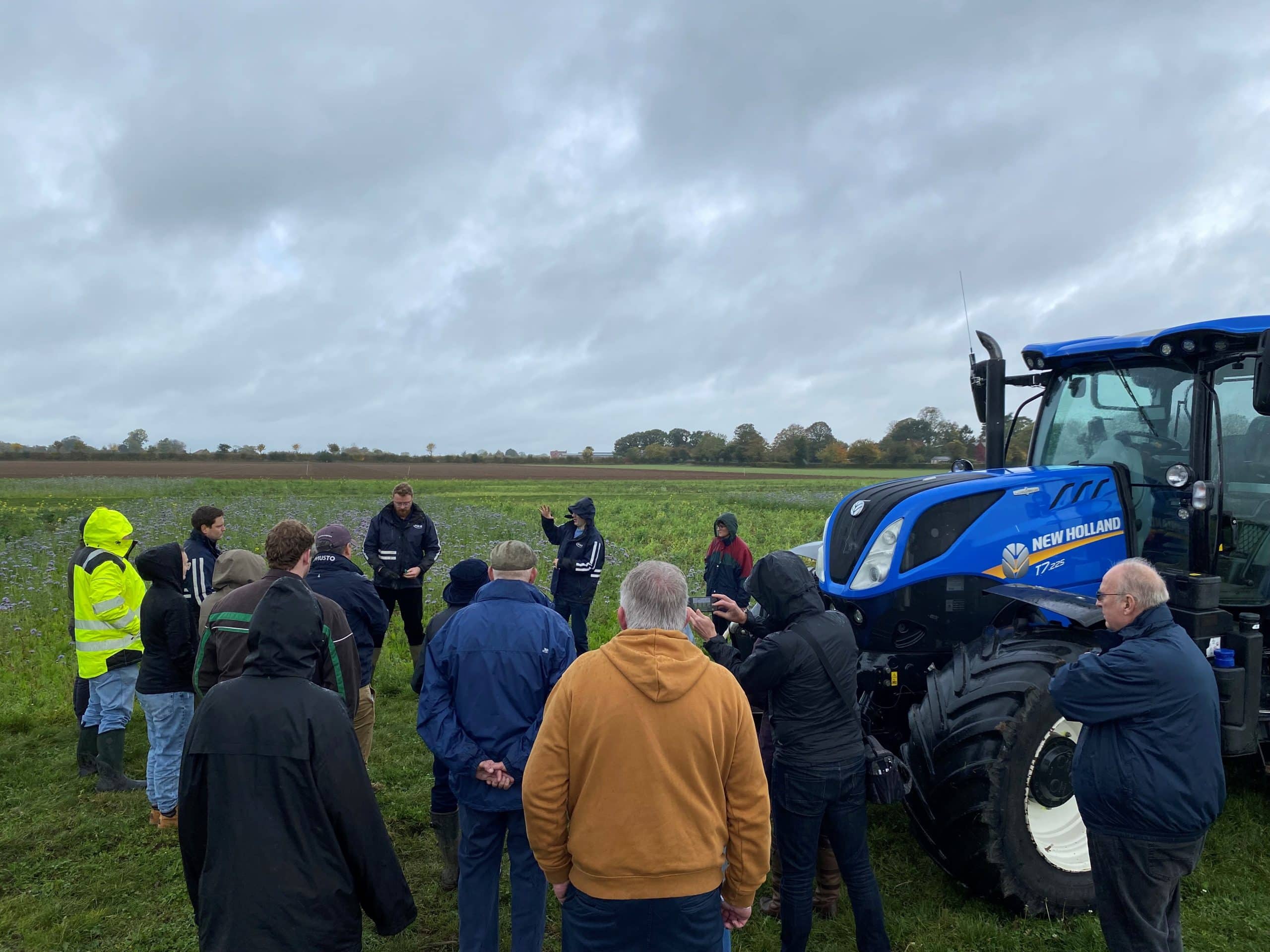
ATW 2025: You have to start somewhere
Proving the Recovery: Why (Re)wilding Needs Rigorous Soil Science
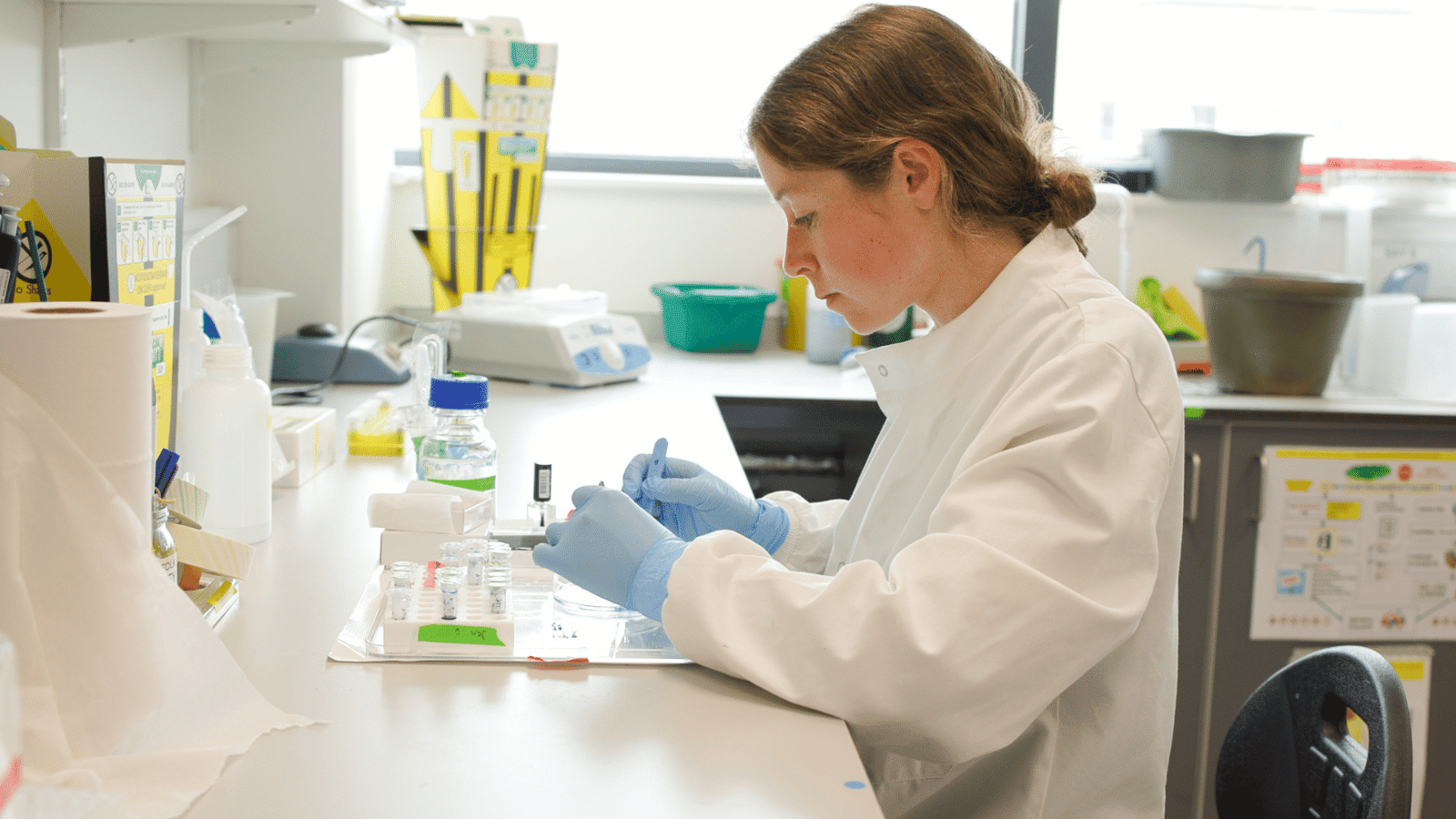
New film captures mycorrhiza in motion for the first time