Are robots the new wave of innovation in agriculture?
 Agri-TechE
 After nearly a decade of development, agri-robotics is finally gaining traction, ushering in a ‘new wave of innovation in agriculture’.
In this special episode of Robot Talk, a podcast that explores the intersection of robotics, AI and automation, a panel of Agri-TechE members reflect on the hard-won progress of automation in agriculture — and where the technology is headed next. Hosted by Dr. Claire Asher, the conversation brings together:
Prof. Simon Pearson – University of Lincoln
Jamie Lockhart – Frederick Hiam Ltd
Chris Chavasse – Muddy Machines
Dr. Belinda Clarke OBE – Agri-TechE

Automation is not just about filling labour gaps or using robots to fix problems. There’s also huge potential for individualised management of plants and animals – for example, robotic dairies that enable management at scale while supporting strong animal welfare.
Additionally, in controlled environments, robots can handle high-care tasks like producing pharmaceuticals, vaccines, or drugs in plants, where regulations seek to avoid all the ‘contamination’ from people. A robot offers an opportunity to do these tasks at scale and pace with a level of care that humans can’t match. So, as well as being workhorses, robots can do things humans simply can’t do as well.
Together, the panel unpacks why adoption has been slower than expected; farms are wildly complex environments, every field, crop, and weather event creates a new challenge for robotic design. Unlike controlled labs or indoor facilities, agriculture must tackle variation and unpredictability — making “plug and play” robotics a tough ask.
The panel highlights how labour shortages have intensified the push for automation. Before Brexit, the UK employed 63,000 seasonal migrant workers for harvesting; today, that number is capped at 45,000, who can only stay for nine months, while training takes three, significantly reducing productivity. With the issue seen globally as workers increasingly eschew production line jobs and aging demographics in China and Japan (where the average age of a farmer is 76) drive the need for labour alternatives.
Commercial adoption is picking up pace. At a recent field herb conference, Simon Pearson reflected that over half the companies showcasing equipment featured robotic or AI-driven weeders and graders — signaling a shift from traditional machinery to smarter, more targeted solutions.
Historically designed around human workflows, farms may soon be reimagined for robots. Just as tabletop strawberry growing was created to optimise human picking, could crop spacing, field layouts, and infrastructure be reimagined around robotic systems?
This systemic rethink could accelerate adoption and redefine agriculture in the next 10-15 years — faster than many expect. Are we ready for the robotic revolution?
Listen here
For the full episode, you can listen to the podcast on the Robot Talk Patreon page
Post Overview
Agri-TechE Related Posts

Food Safety Research Network Funding Call: AI pilots award

Innovative vets adopts agri-tech for early dairy disease detection
Farming is hard to replace with AI. The admin around it is not.
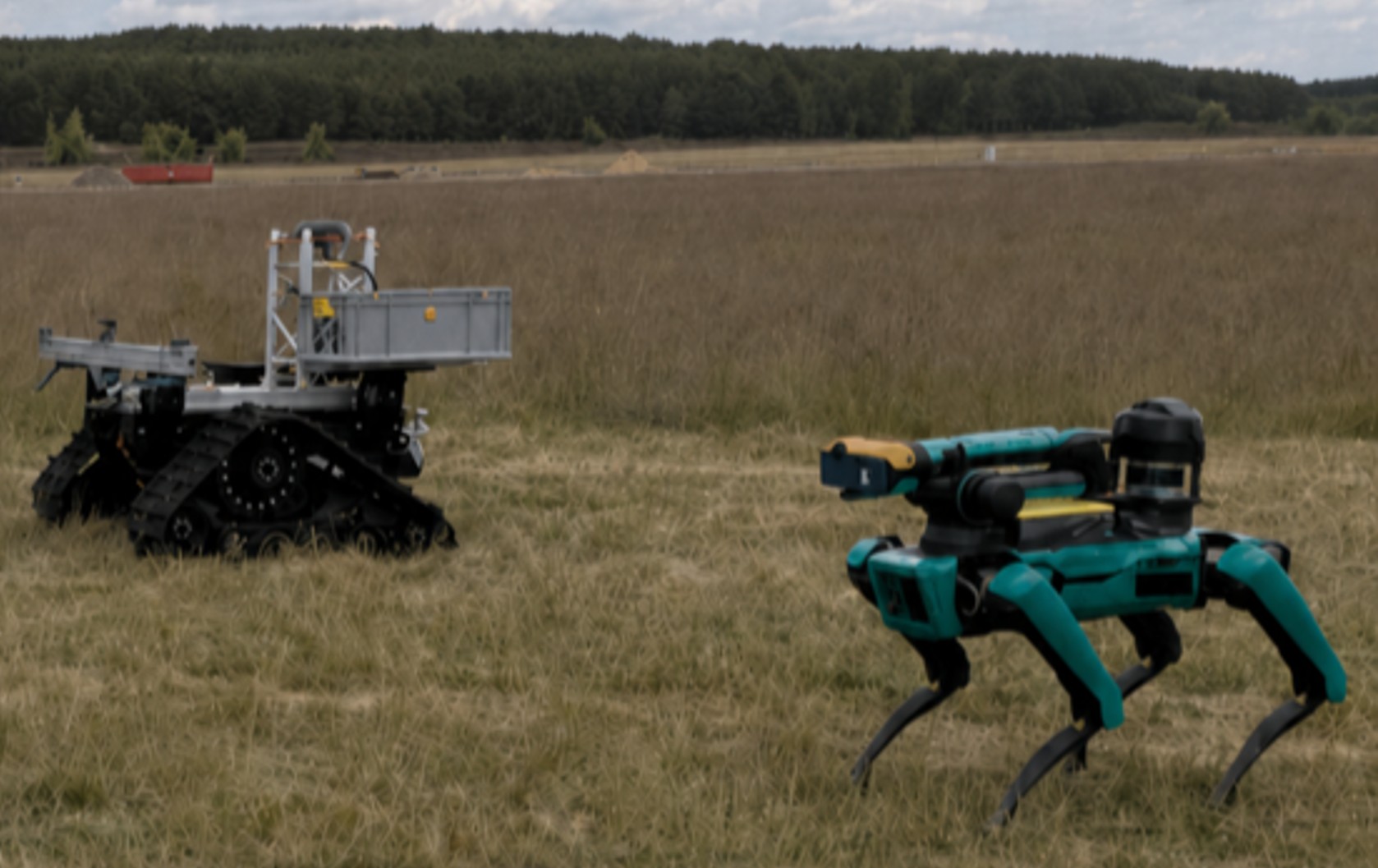
Bringing Roboverse to the UK, turning promising robots into practical farm systems
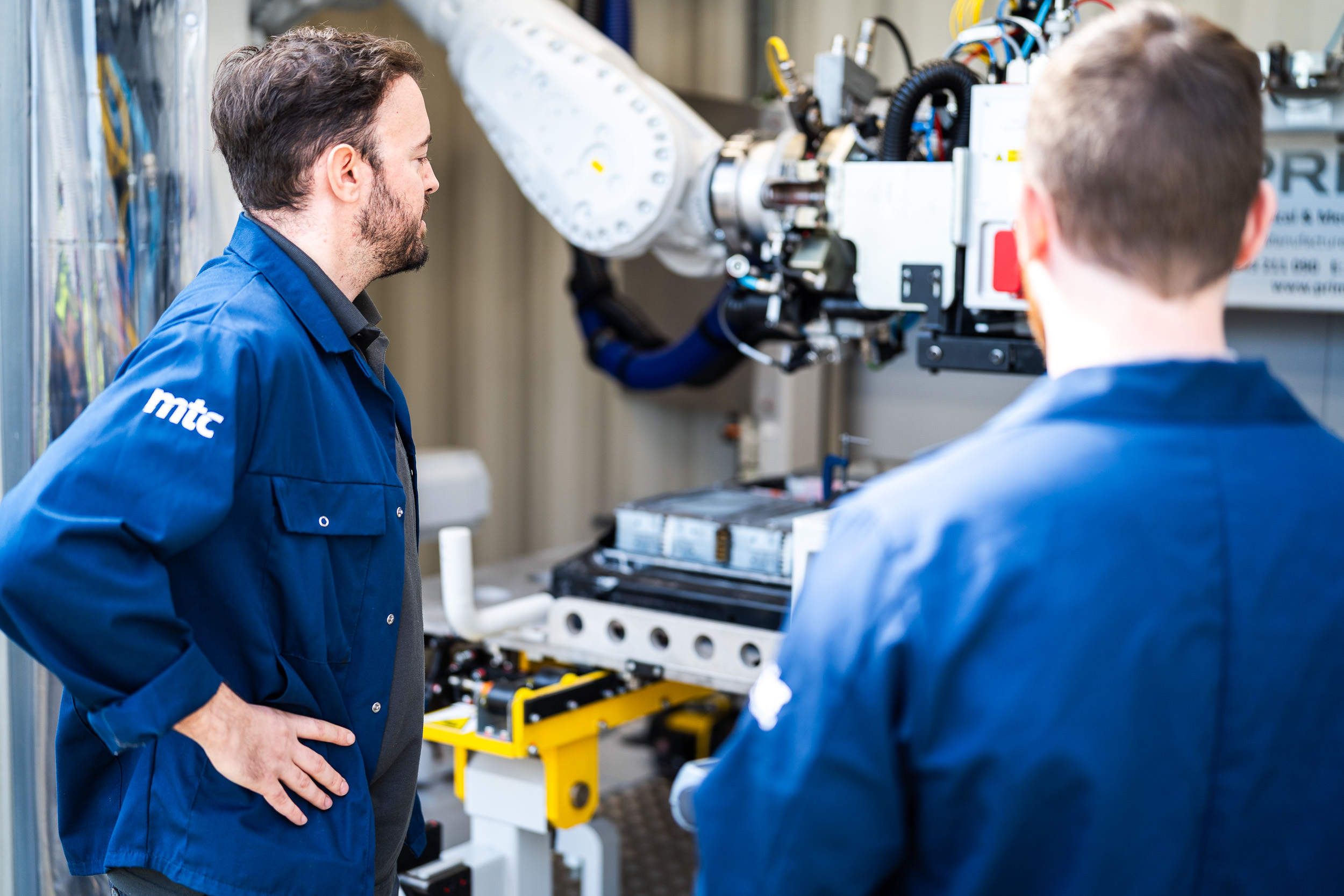
MTC driving agri tech innovation through robotics and the success of its AgriScale programme