From Farmer to Pharma – hemp and medicinal cannabis offer a growing opportunity

Agri-TechE Article
Agri-TechE

Over £300m was spent by UK consumers on CBD – Cannabidiol – in 2019. This opportunity, expected to grow to £1bn in 2024, is just one of the many uses for industrial hemp, Cannabis sativa. The potential of this versatile crop is to be discussed at the Agri-TechE conference ‘From Farmer to Pharma – and Beyond‘ on 12th May in partnership with Hanway Associates.
A major report to be launched this week will outline the opportunity for UK CBD production. The stalks, seeds, flowers and leaves of hemp can all be used in applications including biomaterials, cosmetics, feed, food and construction materials.
UK farmers are beginning to including hemp in their rotation as a carbon neutral alternative to Oil Seed Rape, but trialling this ‘wonder crop’ is not easy.
The ‘From Farmer to Pharma’ event is a chance to hear from farmers, processors, contractors and legal experts about the opportunities for broadacre and controlled environment production of hemp and medicinal cannabis, the regulatory developments and potential routes to market.
And, most importantly, how the business model is going to work for producers. CBD oil is legally available as a supplement and medicinal cannabis is available on prescription for a range of conditions – so what are the opportunities for UK production? Hear the conclusions of a major report discussed at the conference
Co-author Robert Jappie, a Partner at Ince, says: “I’d like to see this UK restriction on the extraction of CBD from industrial hemp removed. Why must we import CBD from overseas when we are perfectly capable of doing the extraction here?”
With the legalisation of medicinal cannabis and CBD supplements rolling out across Europe, Robert has become the leading legal authority on the developing regulatory environment both here in the UK and in mainland Europe.
Read more Industrial hemp is carbon negative and tolerates a range of growing conditions. Lorenza Romanese, Managing Director of the European Industrial Hemp Association (EIHA) and keynote speaker at the ‘From Farmer to Pharma’ conference, explains how hemp is an important and wholly under-utilised raw material with tremendous potential.
She discusses the current status of the crop, the distinction between hemp and medical cannabis, and new developments such as its use as a raw material in the production of the bioplastic PLA.
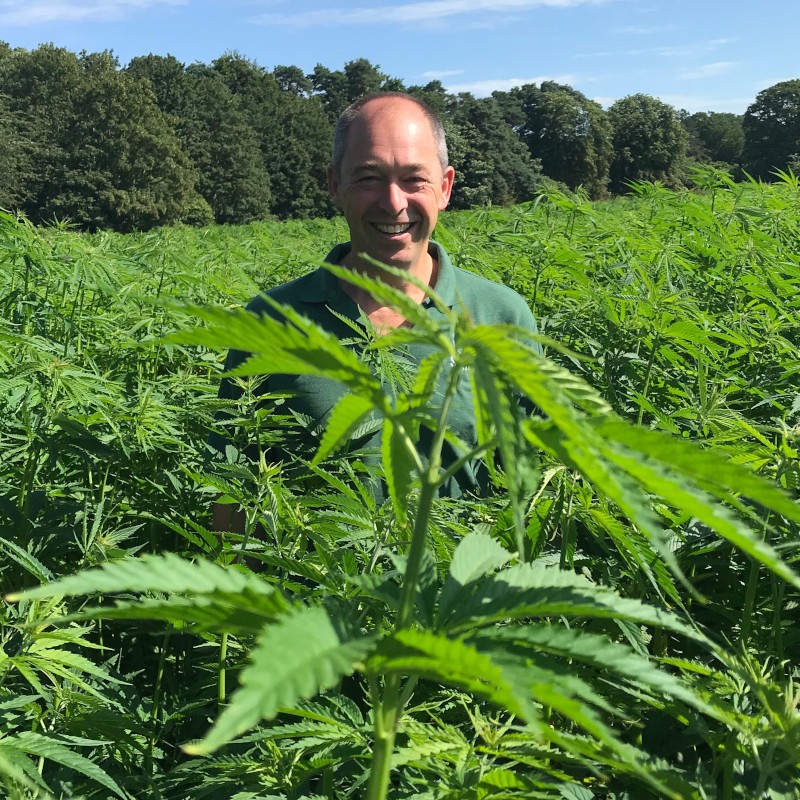
Read more “I see hemp as a crop with a great future – with multiple uses in a market that needs developing,” explains John Barrett, Director of Sentry Limited.
John recently begun cultivating Cannabis sativa for hemp fibres and to widen the rotation. Having begun with a 20-hectare plot, he plans to plant a further 200 hectares next year.
Read more “Science is just starting to get a grip on the endocannabinoid system and its role in the body, but you can visually see that this stops an MS sufferer having shakes, stops a child having seizures…” says Xan Morgan, CEO of Equinox, about multiple uses of medicinal cannabis. Although the UK can grow Cannabis sativa very well, this UK company has to source its medicinal and pharmaceutical cannabis from Austria.
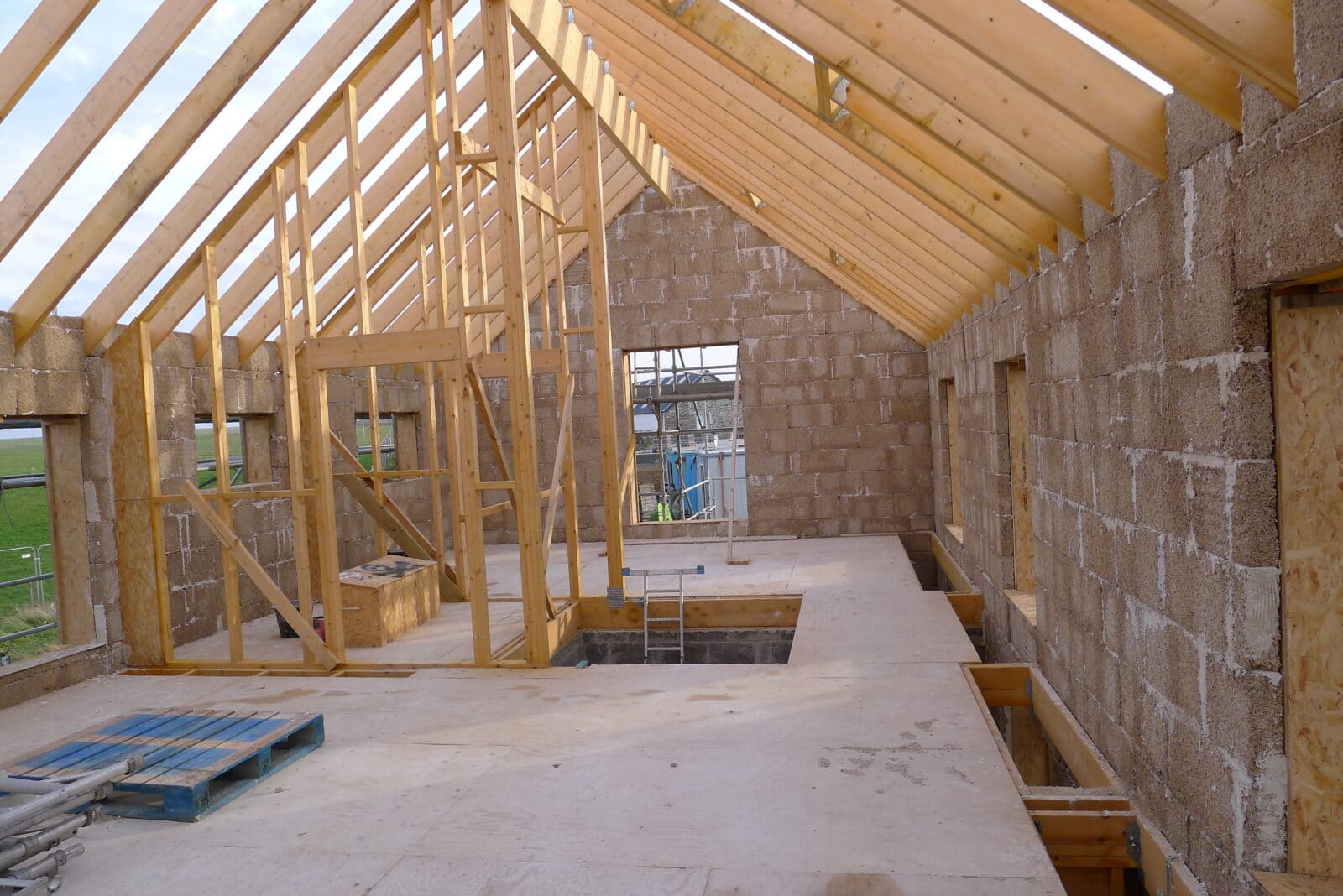
Read more Hemp is a hardy plant that is able to survive the poorest soil and almost any climate, and it also requires little in the way of chemical inputs. The woody core, or shiv, can be used for hempcrete, an insulation material that stores heat in its fabric and releases it slowly, which keeps a house warmer on cold days and cooler on hot days.
Alex Sparrow, founder of UK Hempcrete, explains that its green credentials go further: “The very tall stems have a very dense cellulose structure, enabling it to absorb plenty of CO2 during growth. As a carbon negative material hempcrete is helping to reduce the carbon footprint of the construction industry.” He will discuss this opportunity further at the conference.
Read more

Book now for ‘‘From Farmer to Pharma – and Beyond – with Medicinal Cannabis and Industrial Hemp’ on Wednesday 12th May at 9:50 am – 4:30 pm.

Agri-TechE International Missions: Missouri & UK Agritech Connect Programme
29th April 2021 – 15.00-17.00 GMT – online
If you’re an agri-tech and agribusiness ecosystem leader company looking to do business in the USA, or a researcher looking for trans-Atlantic collaborations, join us for a virtual drink and discussions – and to hear from businesses who joined the mission to St Louis in 2020.
Missouri is the heartland for 50% of US crop and livestock production and the St. Louis agcluster offers vibrant grower communities, innovation centres, international ag and food corporations and centres of plant science research offering a wealth of opportunities for collaborative projects.
Read more and book for this event. Many of our events attract BASIS points. If you are BASIS registered, you can also collect 2 points (up to a maximum of 8/yr) for receiving our newsletter and all staff in our member organisations can claim 2 points/yr for membership.
To claim your BASIS points for the newsletter, use reference  CP/91546/1920/g on the BASIS website.

Removing the heartache and headache of farm safety and compliance

Meet the Network
Agri-TechE

It was after a near-miss at the family farm in Arthurton, South Australia, that the idea behind Safe Ag Systems came about. The software is currently used by over 1,000 agribusinesses to remove the paperwork associated with compliance, and make it easier to embed a safe working culture into the business.

New free interactive risk assessment tool

Safe Ag Systems launched its safety app in the UK in late 2020 and co-founder Katy Landt will be talking at the event ‘Improving Farm Safety‘ in May, about the latest project to deliver a free interactive Risk Assessment Tool that will support any agribusiness in completing a risk assessment.
Safe Ag Systems simplifies compliance to health and safety regulations. It is a software tool on both desktop and mobile that is used to gain efficiencies within the operational side of business. Currently over 8,000 users utilise the tool to captured records across employment, machinery maintenance, company policy and any type of procedure. This data is then used to evidence compliance. The product is also a great tool to educate workers, capture chemical or fuel usage, report hazards and alert anyone in an emergency.
Katy says that data tells us the greatest risk on farm comes from machinery, working at heights or with livestock. It is also most likely to occur to the 60+ demographic and the new workforce that is untrained. She says: “Agriculture has some of the highest risks of any industry when it comes to health and safety. Fatigue and working alone, in remote or isolated areas, where it’s hard to get help quickly if you need it, is also a huge contributor to our statistics.
“The reality is we can’t prevent or eliminate all of these risks, but what we can do is reduce them.
“This can be through things like guards and training for equipment and machinery, recording maintenance to ensure nothing is missed, training and easily accessible PPE for everyone.
“The easiest step is to create a simple checklist.”

Benefits of the Safe Ag Systems app

The company originates from Australia, but engages a go-to market strategy through advocates based locally. The selected organisations are currently operating successful farm management services and will expand this offering to include safety and compliance.
Agribusinesses will be able to come to Safe Farm Ag directly or to outsource the setup and management to these advocates.
Benefits of the app include:

  • Less down time from faulty equipment or injuries
  • Less insurance claims – so lower premiums
  • Time saving as records are updated as you work, information is readily accessible for audits
  • Staff management, employment records, easy inductions and work allocation.
  • Simple ‘Safety Rating’ to monitor H&S performance

Connected approach to compliance

In Agriculture, compliance covers a range of subjects from health and safety through to traceability, sustainability and food safety.
Katy says that the aim is that Safe Ag Systems will become a ‘bucket’ for record keeping. As every audit process requires a separate exchange of data, one set of maintained records can address multiple sets of criteria.
The company is continuing to innovate and its focus has expanded with the development of a smart auditor. This tool will connect real-time evidence directly into an audit assessment form such as Red Tractor or Global Gap.
Katy explains: “If safety is tied into an operational tool on-farm – utilised by everyone – it can then provide evidence of behavioural change and also of good practice toward food safety, fair employment and sustainability. Our product is now helping thousands of businesses gain certifications easily.
“We are excited to say we are also developing a free interactive Risk Assessment Tool that will support any business in completing a risk assessment. We will address two types of risk assessments, Machinery and Equipment, and a General Risk assessment.
“Due to launch in June 2021, we are designing the Safe Ag Systems Risk Assessment tool to utilise likelihood and consequence as specified in ISO31000.”

Agri-TechE event: Improving Farm Safety with Innovative Agri-Tech

Katy Landt, CEO, Safe Ag Systems will be joining Ben Turner, Director, Ben Burgess, Elizabeth Creed, CEO, Farm 365 Ltd, Ben Sturgess, Founder and CEO, Pathfindr and Stuart McClimont, Technical and Standards Director, Agricultural Engineers Association for the Agri-TechE event: “Improving Farm Safety With Innovative Agri-Tech” on Monday 24th May @ 2:00 pm – 4:00pm.

Hempcrete as a high-value, green alternative to oilseed rape?

Agri-TechE Article
Agri-TechE

Eco insulation is one of the many applications for industrial hemp (Cannabis sativa), a plant that is gaining interest as an alternative to oilseed rape in a rotation. The cultivation and opportunities of hemp, including its use in the green building material ‘hempcrete’, are to be discussed at the Agri-TechE event ‘From Farmer to Pharma – and Beyond – with Medicinal Cannabis and Industrial Hemp’.

Option for the rotation

One of the speakers at the event, Chloe Lockhart of the NFU, says: “With the diminishing area of oilseed rape being grown, UK farmers have a void in rotations to fill. With many trying new or traditionally ‘niche’ crops, I believe there is a huge opportunity for hemp to fill some of these acres.”
Cannabis Sativa is a hardy plant that is able to survive the poorest soil and almost any climate, and it also requires little in the way of chemical inputs. Industrial hemp is virtually free of THC (Tetra-Hydro-Cannabinol, a Class B controlled substance that is highly regulated in most EU member states) and therefore has no psychotropic effect.

Green building material 

The chopped up woody core of the hemp plant is called shiv or hurd, which becomes hempcrete when mixed with the traditional building material lime. Hempcrete is an insulation material that also stores heat in its fabric and releases it slowly; by regulating temperature fluctuations, it keeps a house warmer on cold days and cooler on hot days.

Growing potential for hempcrete

Alex Sparrow, founder of UK Hempcrete, has been building with hempcrete for 10 years and co-wrote The Hempcrete Book; the definitive book on this green building material.
“The properties of both the lime and hemp shiv means hempcrete is excellent at regulating heat and humidity in the home,” Alex explains, “it mimics the properties of traditional buildings which allow moisture to pass through the wall rather than trying to prevent it.”
“Hempcrete has an excellent thermal performance as it has both a low thermal conductivity and a high thermal mass, but it is also hygroscopic, absorbing moisture at times of high humidity, and releasing it when the air is dry.”
Hemp’s green credentials go further: the very tall stems have a very dense cellulose structure, enabling it to absorb plenty of CO2 during growth. As a carbon negative material hempcete is helping to reduce the carbon footprint of the construction industry.
Alex has seen increasing interest in hempcrete and has moved into consultancy to help design, source and train others to use the material to its potential.
“Demand has increased massively over recent years and more commercial projects are seeking to use hempcrete,” Alex says. “We will need to increase national hemp supply to meet construction industry demand over the next decades.”

High value crop

The company currently sources most of its shiv from farms in Yorkshire, who grow the hemp and process it themselves using a decortication machine that separates the tough, woody interior of the hemp plant from the soft, fibrous exterior. The shiv is used for hempcrete or animal bedding, and the fibres have many industrial applications e.g. in the automotive, paper and textile industries.
The rest of the crop also has value: the leaves and buds contain beneficial substances including the valuable CBD (cannabidiol) extract. However, although CBD is a legal health supplement in the UK, to grow the crop needs a special licence granted by the Drugs and Firearms Licencing Unit (DFLU).
Chloe explains that complexities over licensing are restricting the cultivation of Cannabis Sativa in the UK: “The licencing regime is complex, and if you are growing hemp for the first time, potentially on a small area to see how it fits with your system, this can be off-putting and acts as a significant barrier to uptake.”
However, change is coming and there will be many advantages for those gaining early experience of this valuable crop.
Alex explains that nearly all parts of the hemp plant can be used for construction; the shiv for Hempcrete; the fibre in insulation and dust in specialist plasters.
“There’s definitely a drive to commercialise this as a material – at the start it was only used on one-off residential and commercial buildings, but we’re seeing now more and more organisations scaling up to a commercial size for larger developments.”

Farmer to Pharma Event

Alex will be joining Chloe together with farmers and experts in the regulatory environment to discuss the opportunities for this ‘wonder crop’ at the Agri-TechE event ‘From Farmer to Pharma – and Beyond – with Medicinal Cannabis and Industrial Hemp’ on Wednesday 12th May – see more details at agritechenew.wpengine.com.

Growing plant science

Agri-TechE Blog
Agri-TechE

According to a Greek proverb, “A society grows great when old men plant trees whose shade they know they shall never sit in”
From food to fuel, construction to clothing, lawns to landscapes and medicines to musical instruments, plants are central to human civilisation. Our global collective journey to net zero will in large part be plant-powered. And as providers of alternative protein as well as calories, they are a catalyst for dietary changes as well.
The recent launch of a 10 year UK plant science research strategy highlighted the power of plants as a source of bioenergy and the need for ambitious long-term vision and commitment to the way Nature’s own solar panels are managed and harnessed for future benefits has never been more timely.

Plant science research strategy highlights plant power

Yet for too long plant science has been the unsung hero, languishing low down in the list of popular University courses and generally attracting less research funding than other disciplines (in 2018/19 just 3 % of UKRI’s total research budget of nearly £8bn was spent on plant sciences).
The report, “UK Plant Science Research Strategy: A green roadmap for the next ten years”  is authored by Oxford University’s Prof Jane Langdale, and provides a roadmap for how the UK can invest more effectively in research, training, the commercialisation of scientific discoveries and international partnerships.
The roadmap highlights four central questions:

  • What plant species should be planted where and when and how should they be managed?
  • How can yield and quality be enhanced with significantly reduced chemical inputs?
  • How can plant health be sustainably protected?
  • How can plant products be used to improve human health and environmental resilience?

Answering these questions is not cheap, rapid, or easy. And the solutions lie across many players and organisations, from funders, to scientists, entrepreneurs to end-users. And we see the role of a network such as ours in helping convene those conversations.
There is a skills shortages around growing plants – vertical farming businesses for example, need staff who understand the fundamentals of plant biology and how flavours, structure and life cycle of crops can be altered by changes to controlled environment growth conditions.
The commercialisation journey – getting scientific discoveries out into the hands of end-users – is not just a plant science issue, but one where funding to de-risk adoption, supportive regulation and investment in more applied research can help accelerate the process.
We’ll be talking more about this at our Focus on Funding event in June where we’ll be bringing together the network to try and tackle it.
We’ll be talking about advanced breeding techniques for plants (and livestock) later in the year, as well as our upcoming conference on industrial hemp and medicinal cannabis, and in case you missed it, we talked about on-farm nitrogen generation in March 2021.
And as for the “time” element – well, you’ll have to watch this space, but one hint … save the date of 10th November!

World leading technologists come together – sign up now to meet the St Louis AgCluster!

Agri-TechE

When a delegation of organisations from the UK agri-tech ecosystem took part in a mission to meet producers, plant scientists and technologists from the St Louis AgCluster, the potential for partnership to deploy new technologies in different markets was clear.
Unfortunately, the reciprocal visit needs to be virtual, but this does have the benefit of allowing more organisations to participate.  The event on 29th April is part of series of missions being organised by Agri-TechE .
Watch the video for a reminder of what the delegates got up to last year.
Watch our 1 minute teaser to hear what previous visitors to Missouri had to say The St Louis cluster-tech “shopping list” of innovation priorities (as compiled by BioSTL) for the St Louis cluster included:

  • Precision and digital ag – including robotics and automation, remote sensing and measurements
  • Reduction in chemistry application, including biologicals and pheromones
  • Acceleration of seed breeding, including computational approaches to better understand genomes
  • Better traceability, efficiency and food safety (helping increase farmgate value for growers)
  • Diagnostics kits as indicators of health
  • Alternative proteins
  • Packaging sciences

There is now an opportunity to build on the opportunities created by last year’s mission, in a virtual networking event (29th April 2021) which offers the chance to meet with producers, tech developers, researchers and representatives from St Louis and across the state of Missouri,
Watch the video for a reminder of what the delegates got up to last year
Who do you need to know in the St Louis AgCluster?
St Louis is known as the home of plant science and agri-tech in the US and a number of world leading research institutes are based in the region  with supporting innovation incubators, including: –

  • 39 North, a 600-acre innovation district, including the Donald Danforth Plant Science Center
  • The largest plant research facility in North America at Bayer Crop Science’s Global Seeds and Traits HQ
  • The University of Missouri Columbia with field trials dating back to 1888
  • Early Adopter Grower Innovation Community (EAGIC) at the BioSTL accelerator in St Louis identifies early adopter growers committing to host pilot technologies on their farm. Talking to the farmers also identifies innovation needs with a plan to match up supply and demand around innovation.

Virtual networking event 29th April 2021
The event will include four themed breakout sessions, with open discussions on themes from net zero to robotics, livestock to plant science. So come and join the discussion and let the facilitators connect you to others in the sector.
This discussion is to be held in collaboration with the UK’s Department for International Trade, the Missouri Partnership along with colleagues at the Great St Louis Partnership.
Register for this free event.

Unlocking commercial potential of CBD for UK farmers – report available here!

Agri-TechE Article
Agri-TechE

Outdated restrictions  – that prevent hemp farmers from processing and extracting CBD from the leaves and flowers of hemp – are excluding British farmers from participating in the rapidly-growing CBD market and is leaving the UK reliant on imports.
This is according to George McBride, co-founder and CEO of Hanway Associates. The company is supporting the Agri-TechE ‘Farmer to Pharma’ event.

Pleasant Lands campaign aims to reform regulations

George explains that a campaign ‘Pleasant Lands’ has been launched that aims to push for reforms to the hemp regulations and unlock  this opportunity for UK farmers and small businesses. It is led by Volteface, a drug policy not for profit, and is supported by Hanway Associates.
“The reforms would unlock the economic potential of CBD production for UK farmers – as they currently have to destroy the CBD containing flowers of the plant when they harvest the fibres.
“We think that many of the Agri TechE members could stand to benefit from the reforms.”
Hemp is a versatile, environmentally beneficial and high value crop that should be making a significant contribution to the UK economy. However, it remains classified as a niche crop – with UK cultivation estimated at only 800 hectares annually.
The Pleasant Lands Report, published 21st April 2021, aims to provide accessible information and legal advice to growers and regulators on the topic of hemp and CBD production in the UK.

Creating a new UK industry

Pleasant Lands has been launched to campaign to allow the extraction of CBD from UK hemp, and wholesale of the crop for this purpose. This reform would raise crop value, boost cultivation and improve the environment, whilst also creating a new UK industry.
YouGov polling has shown that there is overwhelming support for this policy, with three quarters of respondents agreeing that UK hemp farmers should have the freedom to process the flowers and leaves of hemp crops grown in the UK to supply CBD.
The campaign will raise awareness of this issue, supported by the published report, that will outline to the government: how the current licensing framework disadvantages British hemp farmers, the economic and environmental benefits of allowing CBD extraction from hemp, a legal pathway to reform and recommendations for future licensing regimes. To inform this work, Volteface has assembled strategic partnerships with the leading experts in hemp regulation and extraction:

  • Gary Grant: Vice-Chairman of the Institute of Licensing and barrister at Francis Taylor Building
  • Robert Jappie: Specialist in Cannabis Law & Regulation and Partner at Ince
  • Dr Henry Fisher: Chief Scientific Officer at Hanway Associates

Volteface is committed to drawing on the experiences of British hemp farmers and this is a call for stakeholders to join the campaign’s coalition.
Liz McCulloch, Director of Policy at Volteface, said: “ With the UK on the brink of deep recession , Volteface will be presenting the government with a primed policy solution that will drive up economic growth and jobs and support green recovery.” For more information about how to support Pleasant Lands, please get in touch at info@volteface.me

Farmer to Pharma event

The Agri-TechE   Farmer to Pharma event is on the 12th May 2021 –  to register. 

Exploiting the potential of hemp to help achieve Net Zero

Agri-TechE Article
Agri-TechE

Hemp is emerging as one of the most rapidly growing agricultural and industrial markets in decades.

EIHA says hemp important role in the Green Deal

Lorenza Romanese, Managing Director of the European Industrial Hemp Association (EIHA) and keynote speaker at Agri-TechE ‘s Farmer to Pharma event, explains:
“The production of hemp is carbon negative, which means it absorbs more carbon from the atmosphere during its growth than is emitted by the equipment used to harvest, process and transport it.
“We can also use the whole plant and that is the beauty of this crop, nothing need go to waste! Hemp is an important and wholly under-utilised raw material with tremendous potential.” The EIHA represents the common interests of hemp farmers, producers and traders working with hemp fibres, shives, seeds, leaves and cannabinoids. Lorenza believes  that the crop can make a significant contribution to the EU Green Deal.
The European Green Deal provides an action plan to boost the efficient use of resources by moving to a clean, circular economy, restore biodiversity and cut pollution.

Many uses of industrial hemp

All parts of the plant – stalks, seeds, flowers and leaves – can be harvested and processed, making hemp a versatile plant with multiple uses. This means that a single crop has the potential to produce a wide range of products, including biomaterials, cosmetics, feed, food and supplements. Recently hemp has been investigated as a possible source for plastic production, and it seems that it is indeed a valid raw material in the production of PLA (a type of ‘bioplastic’, which are derived from renewable resources like corn starch or sugar cane).
However, exploitation of this valuable crop remains uncertain due to the association of hemp with varieties of cannabis that are high in tetrahydrocannabinol (THC), such as adult-use or medical cannabis.

Breakthrough ruling – CBD is a food

A recent breakthrough has been an announcement by the health services of the European Commission that CBD can be qualified as food (and not as a narcotic, as the Commission had stated in a preliminary conclusion dated from June 2020).
EIHA  has long maintained that hemp flowers, leaves and extracts have been consumed as food for centuries and that the so-called “low-THC” varieties, defined as industrial hemp, have always contained cannabidiol (CBD).
Lorenza says EIHA have welcomed this development: “This clarification will certainly help, in practical terms, it means that hemp operators will finally be able to market their products in a clear legal framework.
“Legal uncertainty is preventing the European hemp sector from developing and exploiting the potential benefits of the plant, which is why clear and stable regulation is needed. It will boost investments in R&D and enable the creation of new jobs and market opportunities.”

Towards a legal framework

The EIHA is working to create a more logical and consistent framework for regulating the sector. It is advocating the following changes:

  • The increasing of THC levels on the field to 0.3 % in the 2021 EU Common Agricultural Policy (CAP) review. It has been endorsed by the European Parliament, but it has not yet been officially approved by the other institutions.
  • Higher THC limits in food – (Click here for more information on the topic)
  • Validation by the FSA (UK) and EFSA (EU) of EIHA Consortium’s Novel Food Applications.
  • Lift the ban on flowers and include them as an approved ingredient in the Cosmetics Ingredients Catalogue, a document which lists all the substances authorised for use in cosmetics in Europe.

About Lorenza

Lorenza Romanese is Managing Director of the European Industrial Hemp Association (EIHA). She deals with the upper part of the hemp plant (seeds, leaves and flower) and is in charge of the policy dossiers, THC in food and feed, Novel Food, and Cosmetics Ingredients (CosIng).
In 2018 industrial hemp was grown on 48,259 hectares across the EU.
More about EIHA

Opening up the opportunities for UK CBD production

Agri-TechE Article
Agri-TechE

“I’d like to see this UK restriction on the extraction of CBD from industrial hemp removed” says Robert Jappie a Partner at Ince, specialising in Life Science and Cannabinoid Regulation, discussing  Cannabiodiol or CBD production. “Why must we import CBD from overseas when we are perfectly capable of doing the extraction here?
With the legalisation of medicinal cannabis and CBD supplements rolling out across Europe, Robert has become the leading legal authority on the developing regulatory environment both here in the UK and in mainland Europe.
He currently acts for several established CBD brands, licensed producers, medicinal cannabis companies and distributors, advising on the full range of regulatory and commercial issues facing the sector. Robert is speaking at the Agri-TechE “Farmer to Pharma” event. 

CBD production potential for £1bn market

Hemp is rich in Cannabidiol (CBD) which is becoming a huge industry in the UK, with £300m spent on it in 2019 by consumers. It is expected that this will increase to £1bn per year by 2024.
Although there are many British farmers cultivating industrial hemp, the majority of CBD is imported from Mainland Europe and the US, as British farmers are having to throw away the most lucrative part of their crop – the flowers and leaves.
Robert says: “Hemp is a really lucrative crop and, by not being able to utilise the entirety of the plant, British farmers are being placed at a disadvantage compared to our EU and US neighbours. In most EU countries it is lawful to extract from the whole hemp plant.
“This could be a closed supply chain, making and extracting our own CBD in the UK.
“A full commercial license allows cultivators in the UK to grow and distribute the entirety of the plant, be that for medical or pharmaceutical use. However, there are currently only two companies with a full commercial license in the UK.
“The first licensee was GW Pharmaceuticals, who obtained their licences around twenty years ago, and the UK is now one of the biggest exporters of medical cannabis because of this company. To give some idea of the revenue available here, GW Pharmaceuticals just got bought by an American company for $7.2bn.”

Recommendations for opening the market 

“I’d like to see this UK restriction on the extraction of CBD be removed, ” Robert continues. “Why must we import CBD from overseas when we are perfectly capable of doing the extraction here?”
“The ideal situation would be a separate department, perhaps within DEFRA, managing cannabis cultivation for CBD and Hemp. I don’t expect that to happen rapidly, but there must be a sea change in the approach that the DFLU takes toward licensing application.”
Robert has other recommendations and he will be discussing this at the Agri-TechE event Farmer to Pharma.

Medicinal cannabis gaining interest

Agri-TechE Article
Agri-TechE

“I’d say it’s making more and more sense by the day – the UK economy’s going to need a serious boost to recover from this pandemic,” says Xan Morgan, CEO of Equinox, who is speaking at the Agri-TechE event “Farmer to Pharma”.   
Xan helped to produce an academic opinion paper focuses on the benefits of smart regulation of the Cannabis sativa crop – described by those who cultivate it as a ‘wonder crop’. When grown for its fibres and biomass the plant is known as hemp, whilst when grown for its pharmaceutical compounds, it is more generally referred to as cannabis.1
“There’s nothing holding us back in terms of climate or soil,” Xan explains.

Great potential for medicinal cannabis

“Science is just starting to get a grip on the endocannabinoid system and its role in the body… but you can visually see that this stops an MS sufferer having shakes, stops a child having seizures…” Xan explains.
The pioneering cannabinoid research and innovation ongoing at OXON Medical, one of the Equinox brands,  is a source of great pride for Xan.
Although the UK can grow Cannabis sativa very well, Equinox, which is a vertically integrated British cannabis company, currently works with partners growing medicinal and pharmaceutical cannabis overseas, despite having a licence to grow high-THC cannabis in the UK. These licenses, only a handful of which are available, permit growers to harvest leaves, buds or flowers from their crop.

Strategic partnerships

Having created medical cannabis brand OXON, under the Equinox banner, Xan is now in the process of establishing strategic partnerships in order to support rapid growth and the next stage of development.

  • The OXON brand is designed to serve the emerging and fast growing medical cannabis market. The name is an abbreviation of Oxford, a city that Equinox has strong ties with;
  • The brand is supported by Oxford Antibiotic Group, driving their innovation and IP, following the completion of a 24-month project to develop Equinox’s proprietary THC and CBD cannabinoid formulations for producing EU-approved medical products to target common diseases;
  • Oxford Antibiotic Group is a leading drug discovery and development company that combines Austrian expertise with Oxford’s excellence in Chemistry and Life Sciences.

Opportunities for medicinal cannabis to be discussed

The endocannabinoid system is a fundamental component of the human central nervous system, with a role in pain and inflammation3 but also in appetite, motor control, sleep and many other functions4. It is by stimulation of this natural system, that plant-derived cannabinoids are able to achieve their diverse range of medical properties.
At the upcoming Agri-TechE event participants will discuss the diverse topics associated with Cannabis sativa. and how to move forward with the cultivation of hemp and cannabis production in the UK over the coming years. 1 M Jelsma, S Kay and DR Bewley-Taylor. 2019. Fair(er) Trade Options for the Cannabis Market. Published by Cannabis Innovate and Swansea University. ISSN 2054-1910.
2 TP Freeman, C Hindocha, SF Green, MAP Bloomfield. 2019. Medicinal use of cannabis based products and cannabinoids. BMJ; 365; 1141. doi: https://doi.org/10.1136/bmj.l1141
3 G Donvito, SR Nass, JL Wilkerson, ZA Curry, LD Schurman, SG Kinsey, AH Lichtman. The endogenous cannabinoid system: A budding source of targets for treating inflammatory and neuropathic pain. Neuropsychopharmacology. 2017;43:52–79. doi: 10.1038/npp.2017.204
4 S Zou and U Kumar. 2018. Cannabinoid Receptors and the Endocannabinoid System: Signaling and Function in the Central Nervous System. Int J Mol Sci. 19(3): 833.
5 M Jelsma, DR Bewley-Taylor, T Blickman. 2014. The Rise and Decline of Cannabis Prohibition – The History of Cannabis in the UN Drug Control System and Options For Reform. TNI/Global Drugs Policy Observatory.

‘Great Future’ for hemp says Norfolk Grower

Agri-TechE Article
Agri-TechE
“I see hemp as a crop with a great future – with multiple uses in a market that needs developing,” explains John Barrett, Director of Sentry Limited, and speaker at the Agri-TechE event “From Farmer to Pharma”.
Hemp fibres offer alternative in rotation

John recently begun cultivating Cannabis sativa for hemp fibres. Having begun with a 20-hectare plot, he plans to plant a further 200 hectares next year.
“We have been looking for an alternative in order to widen our rotation away from traditional crops,” John explains. “I see hemp as a light land crop, however we are planning on trying some on heavier soils this year. It has great rooting properties which means it has resilience, but does not like compaction.”

Untapped potential 

Hemp is a distinct strain of Cannabis sativa that is grown specifically for industrial use including biodegradable plastics, textiles and biofuel. Although the same species as plants grown for cannabis, hemp has lower concentrations of the psychoactive component THC which is a controlled substance. It also has potentially higher concentrations of cannabidiol (CBD) used as a treatment for epilepsy and other conditions. This has created a legal ambiguity for the crop.
It has proven difficult to gain licences and currently in the UK (but not in parts of Europe) the leaves and buds which contain CBD must be ‘destroyed beyond recovery’ by the farmer.
Dr Belinda Clarke of the membership organisation Agri-TechE has seen increasing interest in the use of Cannabis sativa, “The potential for this crop remains largely untapped across Europe; the regulatory environment needs to catch up with the pace of innovation around breeding, processing and husbandry – there is considerable appetite to include it in the rotation, for example, which could be a significant additional benefit.”
John agrees: “Regulations around hemp growth have made the process difficult and our efforts to secure a government license have been far from straightforward.” Additionally, he explains careful consideration is needed on the investment required for specialist machinery to harvest the crop, to understand where and how it will be processed, and to identify end markets.
“We have settled on a multi-crop combine, which is a large capital investment and requires a lot of skill just to drive!”
But despite all the challenges, John has high hopes for the crop:
“If this project goes well, Sentry will absolutely consider rolling this crop out across a wider area. We are working with Britannia Bud and we hope to drop the model into other parts of the country where it will grow well.”

From Farmer to Pharma

‘From Farmer to Pharma’ will see growers, legal experts and industry members from the UK and internationally, discuss the uses and market for industrial hemp, the licencing process and the potential for medicinal uses.
The event will run from 9:50 am to 4:30 pm on Wednesday 12th May, and is in partnership with Hanway Associates, a leading strategic consultancy specialising in the cannabis sector.
To view the event programme and a full list of speakers, visit the event page.

Global risks to food security leads to a code of ethics for plant disease reporting

Research Digest
Agri-TechE

How should aggressive plant pathogens be reported? The Sainsbury Laboratory has collaborated on a project that is tracing the spread of the virulent fungal disease wheat blast – the findings coincide with the development of a new code of ethics for reporting diseases.

Risk to food security

Wheat blast is a fast-acting and devastating fungal disease that threatens food safety and security in tropical areas in South America and South Asia. It directly strikes the wheat ear, with the result that the grain shrivels and deforms in less than a week from the first symptoms, leaving farmers no time to act.

Wheat Blast
Dispersal of the Magnaporthe oryzae B71 clonal lineage across three continents. Colours of spheres and arrows indicate lineages of the wheat blast fungus. Arrows indicate possible routes and years of dispersal. Inserts on right side: Spheres indicate sampling locations in Bangladesh (BD) and Zambia (ZM)

The disease is caused by the fungus Magnaporthe oryzae pathotype Triticum. It was originally detected in Brazil in the 1985 and quickly spread across the continent. It was later detected in Bangladesh in 2016 and then two years later it struck Zambia.
It was not known if the disease was caused by the same pathogen – that had travelled between the continents – or by other strains of Magnaporthe oryzae shifting their host species.

Where did it come from?

To answer this question about its origins researchers at The Sainsbury Laboratory, collaborated with colleagues internationally to analyse samples of wheat blast from the three continents.
Molecular analyses showed that the same set of 84 genetic markers were found in the three sets of samples, suggesting that the outbreaks were caused by the same clone called B71.
Additionally all the samples in Zambia from 2018 – 2020 were the same clone indicating that there was only one introduction – this was also the case for Bangladesh.
Knowing that this pandemic clone is genetically similar to those in South America and Bangladesh means that Zambian farmers can benefit from using similar wheat blast management strategies that have proven successful over the years
By creating the website Open Wheat Blast, rapid sharing of data between the researchers was facilitated and this proved crucial for tracking wheat blast pathogens.

Sharing data helps fight disease

Dr Pawan Singh, Head of Wheat Pathology at CIMMYT said, “The information generated is very important and has significant impact in developing and implementing wheat blast management strategies.”
Wheat blast was first detected in Zambia during the 2017-18 rainy season, but only reported to neighbouring countries in 2019. Cases such as these showcase the need for a code of ethics for reporting diseases and this has been proposed by the ISPP (International Society for Plant Pathology).
ISPP code of ethics
The report “A pandemic clonal lineage of the wheat blast fungus” can be found here.
More information about The Sainsbury Laboratory. 


From Farmer to Pharma – with Medicinal Cannabis and Industrial Hemp

Agri-TechE Article
Agri-TechE

In 2010 UK consumers spent £300m on Cannabidiol (CBD) products, which are promoted widely as a legal means to relieve pain, lower inflammation and decrease anxiety without psychoactive effects. All CBD oil is currently imported, as although UK farmers can grow industrial hemp for its fibres, the most lucrative parts of the plant – the leaves and flowers – that contain CBD must be destroyed. The potential of hemp and CBD, which both come from a variety of Cannabis sativa L. is to be debated at the Agri-TechE event ‘From Farmer to Pharma – and beyond – with Medicinal Cannabis and Industrial Hemp’, on 12th May.
The fibres of hemp have long been used for ropes and materials, and now this versatile crop is being exploited for construction materials, animal feed, biofuel and, more recently, as a plant-based alternative plastic. It fits well within a rotation and its cultivation in the UK is increasing.
Agri-TechE Director Belinda Clarke reflects that the Agri-TechE team is seeing increasing interest across the network in developing a more in-depth understanding of the potential of industrial hemp and medicinal cannabis, where there are opportunities for breeders, growers and processors, as well as those applying for licenses and aiming to develop and support additional markets.
‘From Farmer to Pharma’ will see growers, legal experts and industry members from the UK and internationally, discuss the uses and market for industrial hemp, the licencing process and the potential for medicinal uses. The event will run from 9:50 am to 4:30 pm on Wednesday 12th May, and is in partnership with Hanway Associates, a leading strategic consultancy specialising in the cannabis sector.
To view the event programme and a full list of speakers, visit the event page.