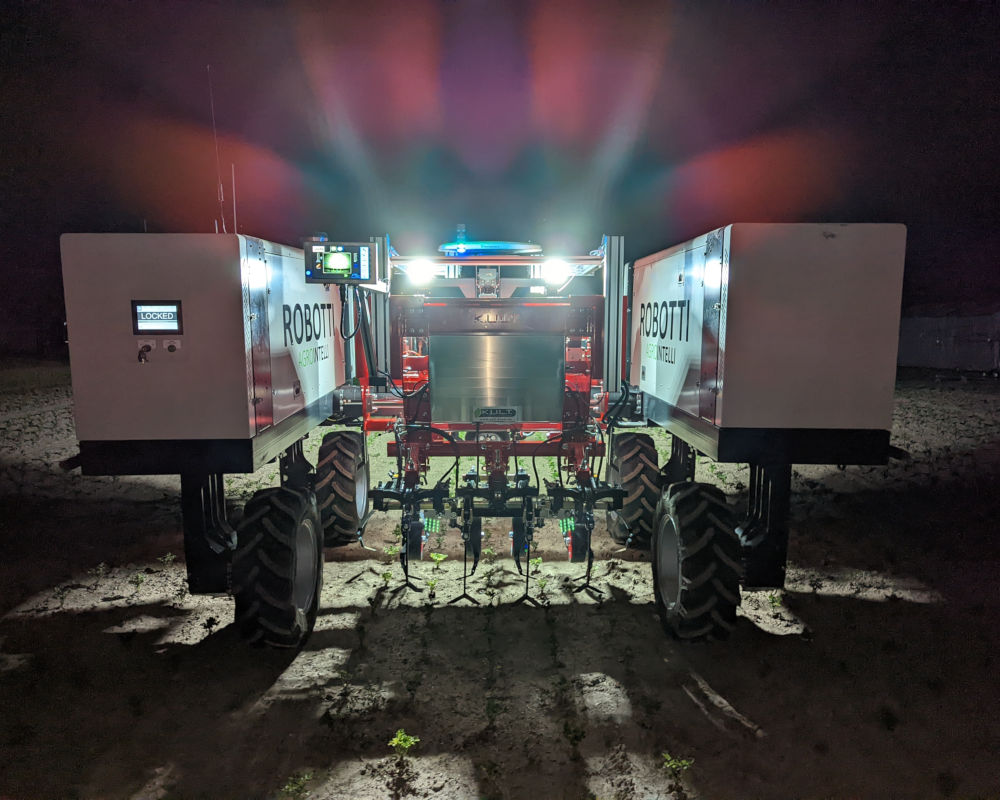
The Rise of the Machines
 Agri-TechE
 Artificial Insemination, Active Ingredients, and Artificial Intelligence – all these types of ‘AI’ have been transformational technologies for agriculture.
But one is poised to be the most disruptive of all… and it already has the brain power of a dog.
Just two years ago, Artificial Intelligence was deemed to be as smart as a fruit fly. It’s evolving at pace and is already embedded across much of our industry. As inventor and futurist Ray Kurzweil points out, we are on a trajectory to the so-called Singularity – where human AI exceeds human intelligence, and achieves things we humans can’t even understand.
An industry suited to AI
AI is well-suited to agriculture, which has traditionally relied on deep and specialist human knowledge. Farmers – almost subconsciously – have run their businesses by integrating thousands of data points to make decisions. But as ever-increading, overwhelming amounts of data are now being generated, some technological help is needed to bring it all together and make sense.
Ten years hence, agriculture will be super-charged by the power of AI generating new knowledge, and unprecedented insights – a huge opportunity for the industry.
“Will AI take our jobs?”
From innovations in crop breeding to crop protection, to continuous management of individual plants and animals, as well as irrigation controls, machinery management and even staff recruitment – AI is here to help.
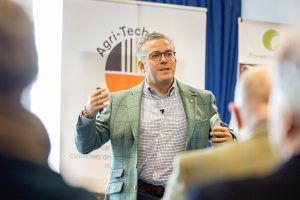
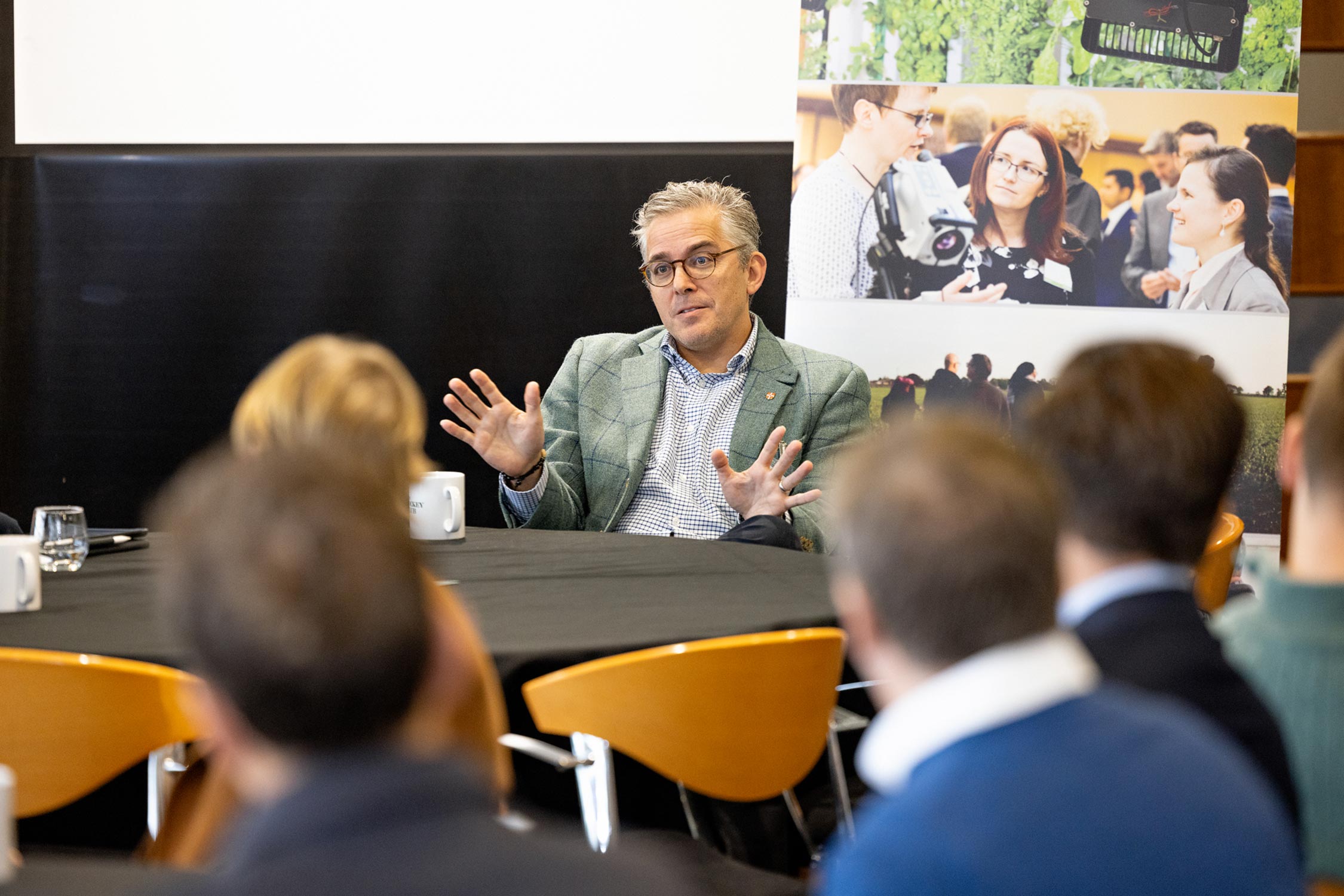
It also enables prediction and modelling, de-risking costly decisions and creating new knowledge. But, as REAP keynote speaker Dr Elliott Grant pointed out at our recent REAP conference, the future will not see AI doing a version of what humans do today – it will be carrying out totally different jobs, with different business models.
We just don’t know what they will be – yet.
The “Faustian Bargain”
Deployment of AI is inevitable, ubiquitous and increasing – and now is the time to start implementing the lessons learned from the emergence of the internet.
And several big questions need urgent consideration.
The first is tackling the fact that AI can’t yet be designed to explain itself. It is, as Elliott Grant reflected, “like having a brilliant agronomist who can’t explain themselves.” Getting comfortable enough to trust it, is going to take a change in mindset across the industry.
Second, managing biases in the data is a massive challenge. It is critical to have a diversity of data – of different soil types, crop varieties, management practices – so the models can understand the full spectrum of scenarios the industry faces. The model needs to learn the importance of diversity across the industry to build resilience, rather than recommending every farmer do the same thing.
Third, the costs – both financial and energy expenditure. At the REAP farmer breakfast, it was pointed out that farm businesses should put a line in their budgets for data to enable cost models – i.e. including it in their cost of production models. From an environmental point of view, a ChatGPT query demands up to x10 more energy than a Google search and has a footprint of around 4g of carbon dioxide.
“Something to embrace, not fear”
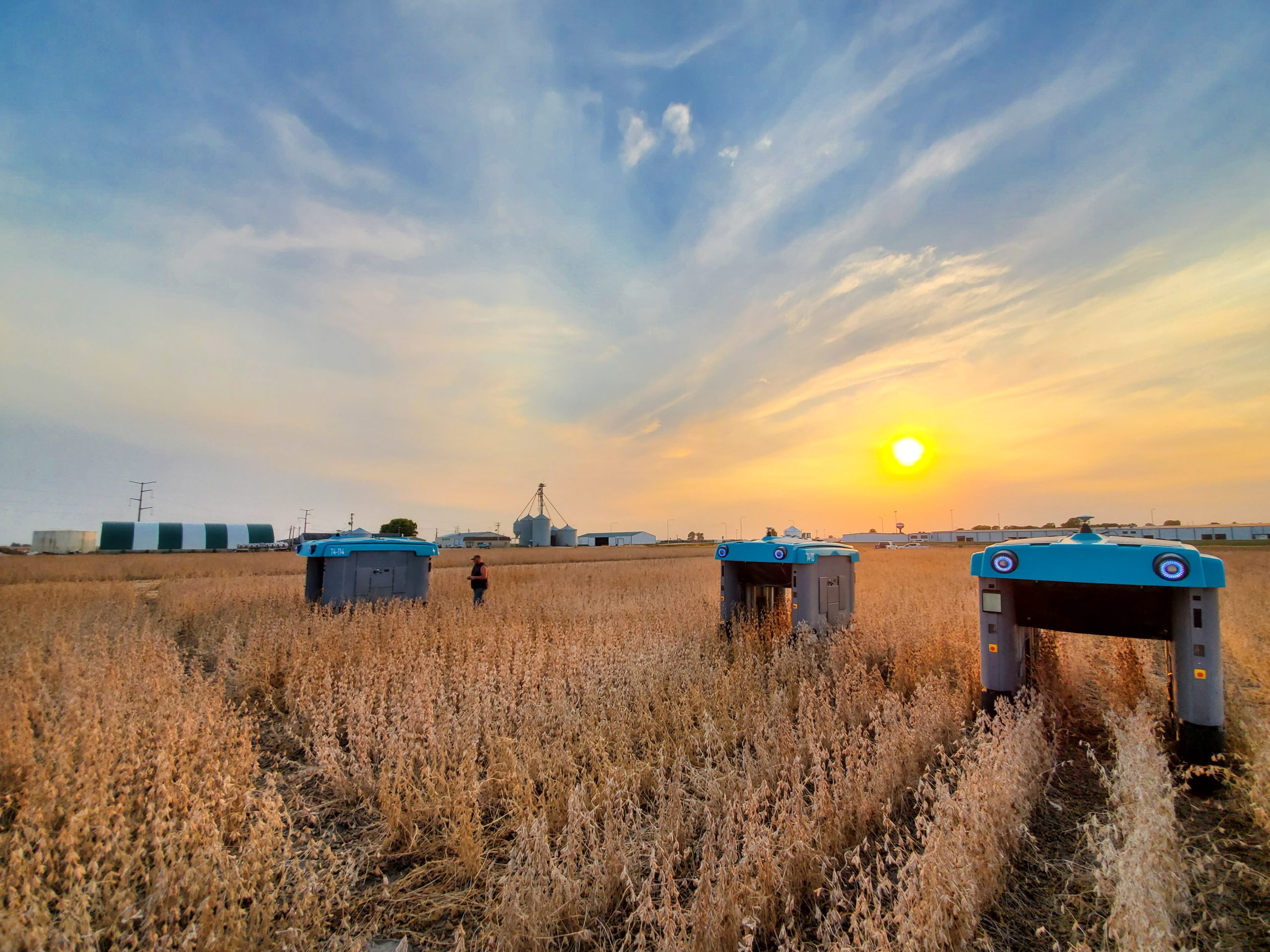
We have had the internet in our lives for 30 years and life without it is now inconceivable. As one of the farmers at REAP commented: “It has inspired us to grasp the nettle of AI and embrace rather than fear what it could do for us.”
Is your business AI-ready?
To discuss this and more, Agri-TechE is hosting a workshop for agri-food businesses undergoing their digital transformation journey, in partnership with the School of Computing Sciences at the University of East Anglia and the DIGITLab programme. If you run a farming or agri-food business and are looking at how the emergence of the digital world will impact your business, you are invited to join us on December 12th to discuss more.
Post Overview
Agri-TechE Related Posts
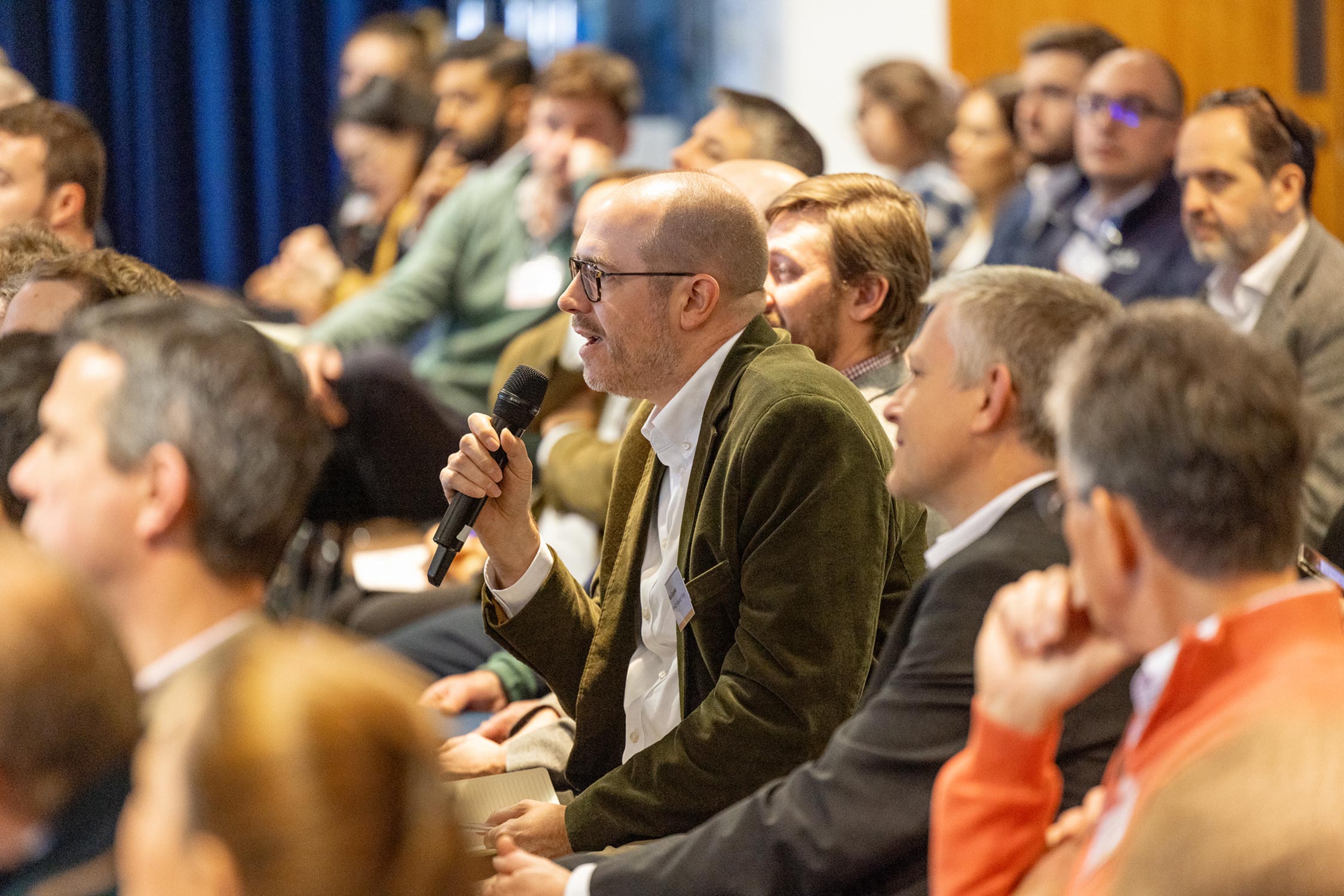
Record attendance for the 11th REAP Agri-TechE Conference

Emerging Agri-Tech: from Research to Practice

Data-driven insights in agriculture – international players discuss AI in Ag at sell-out event
Computer vision system to predict disease risk
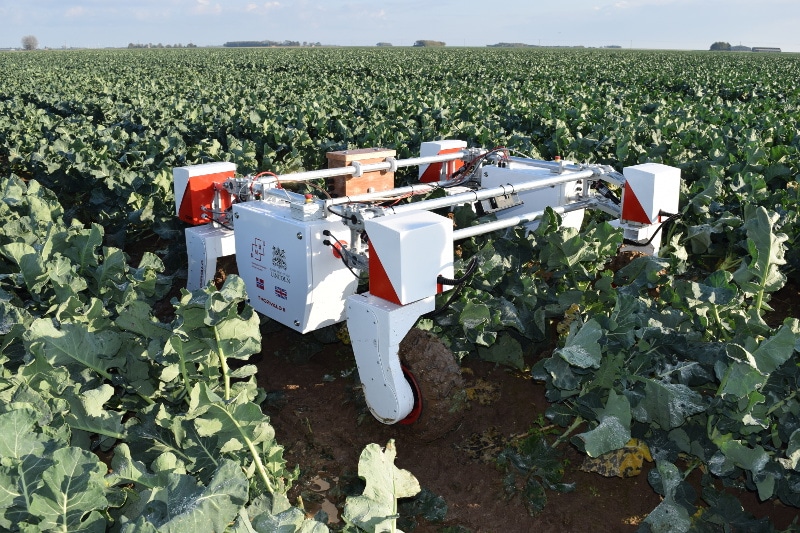
World’s first Centre for Doctoral Training in Agri-Food Robotics announced