Smarter, not harder: BactoTech is crossing the biological crop fertilisation Rubicon
 Agri-TechE
 Nearly 2,500 years ago, Plato wrote: ‘necessity is the mother of invention’. And with ammonium nitrate rising by over 32% since the start of the year, the second time farmers have seen this kind of rise in the last four years, it’s safe to say farmers would relish an alternative approach to crop nutrition. Especially one that’s both homegrown and sustainable.
So, over a century after chemically manufactured nitrogen and other nutrients became the mainstay, could we be seeing a biological takeover? Having seen how biological organisms can provide crop nutrition, reducing synthetic fertiliser use by up to 50% without reducing yields, Marta May, Managing Director of BactoTech, believes so.
BactoTech produces microbial biopreparations, including Bacillus-based biostimulants and biofertilisers, that aim to support sustainable agriculture by enhancing soil fertility and biodiversity, without the risks of over-fertilisation or reliance on chemical fertilisers.
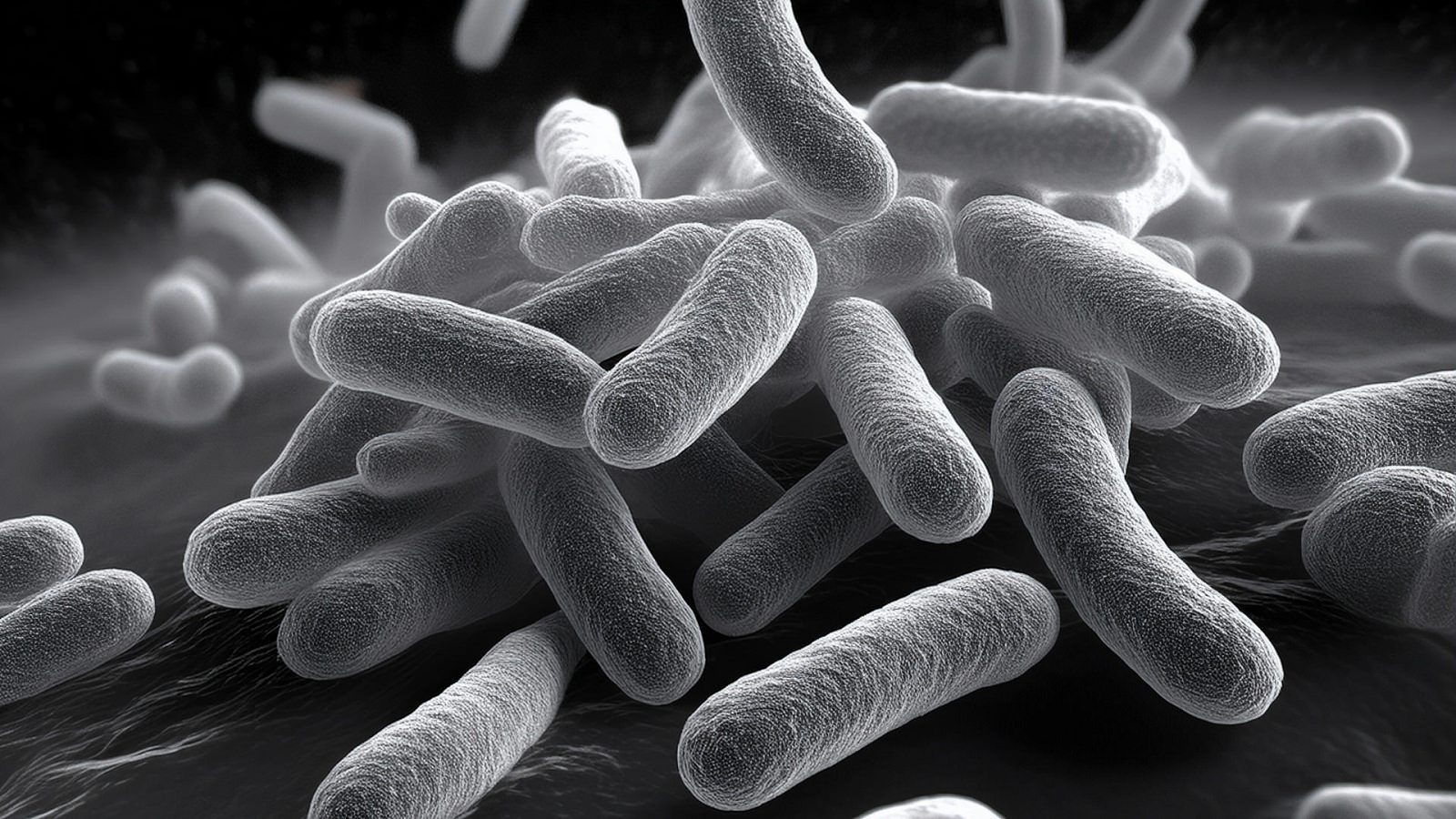
By adding live organisms to the soil, microbial biopreparations enable plants to use atmospheric nitrogen when needed, rather than relying solely on artificial fertiliser. They do this by colonising the plant’s root zone, living symbiotically with the crop, exchanging nutrients.
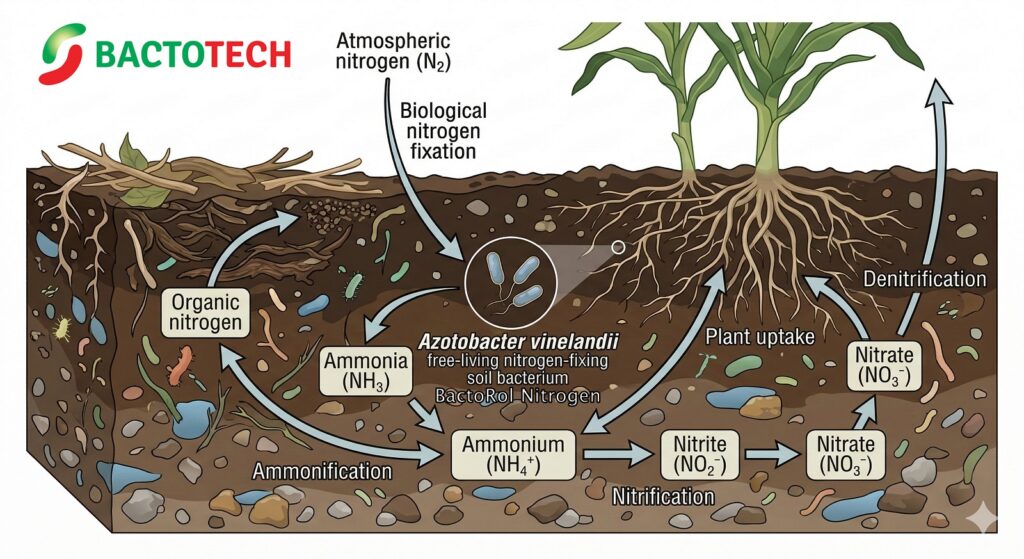
Marta, a trained molecular biologist who joined BactoTech in 2024 alongside her microbiologist husband, explains that the air is made up of over 70% nitrogen. By using these natural organisms, plants can utilise what’s already available in the atmosphere.
“Sometimes, artificial fertiliser goes unused or is wasted. Live organisms help the plant access nitrogen when it needs it. It’s a smarter approach.
“We see our products as something to use alongside existing crop nutrition programmes, not a sudden replacement for everything they already do. Our role is to help improve the efficiency of the existing system,” she says.
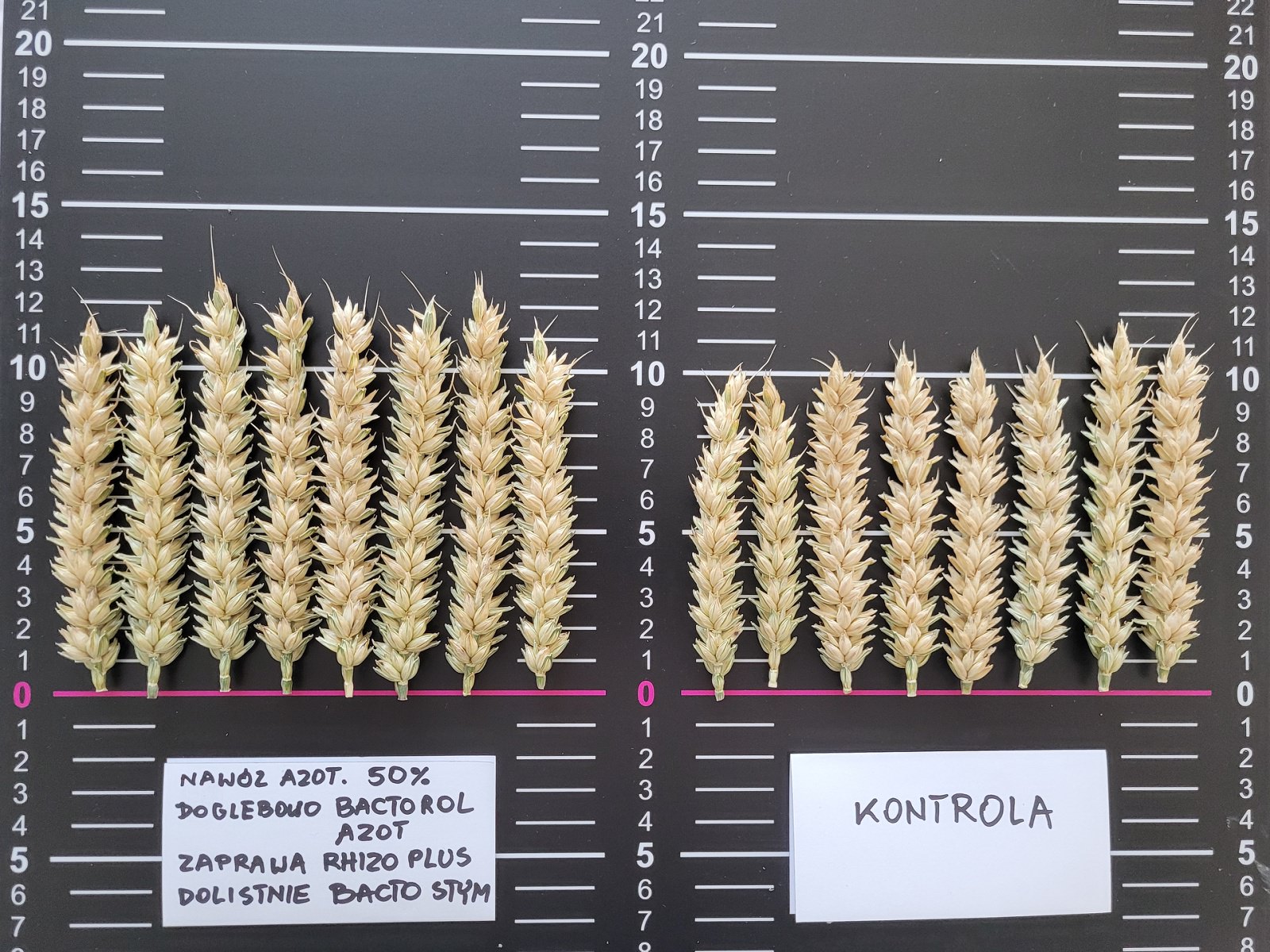
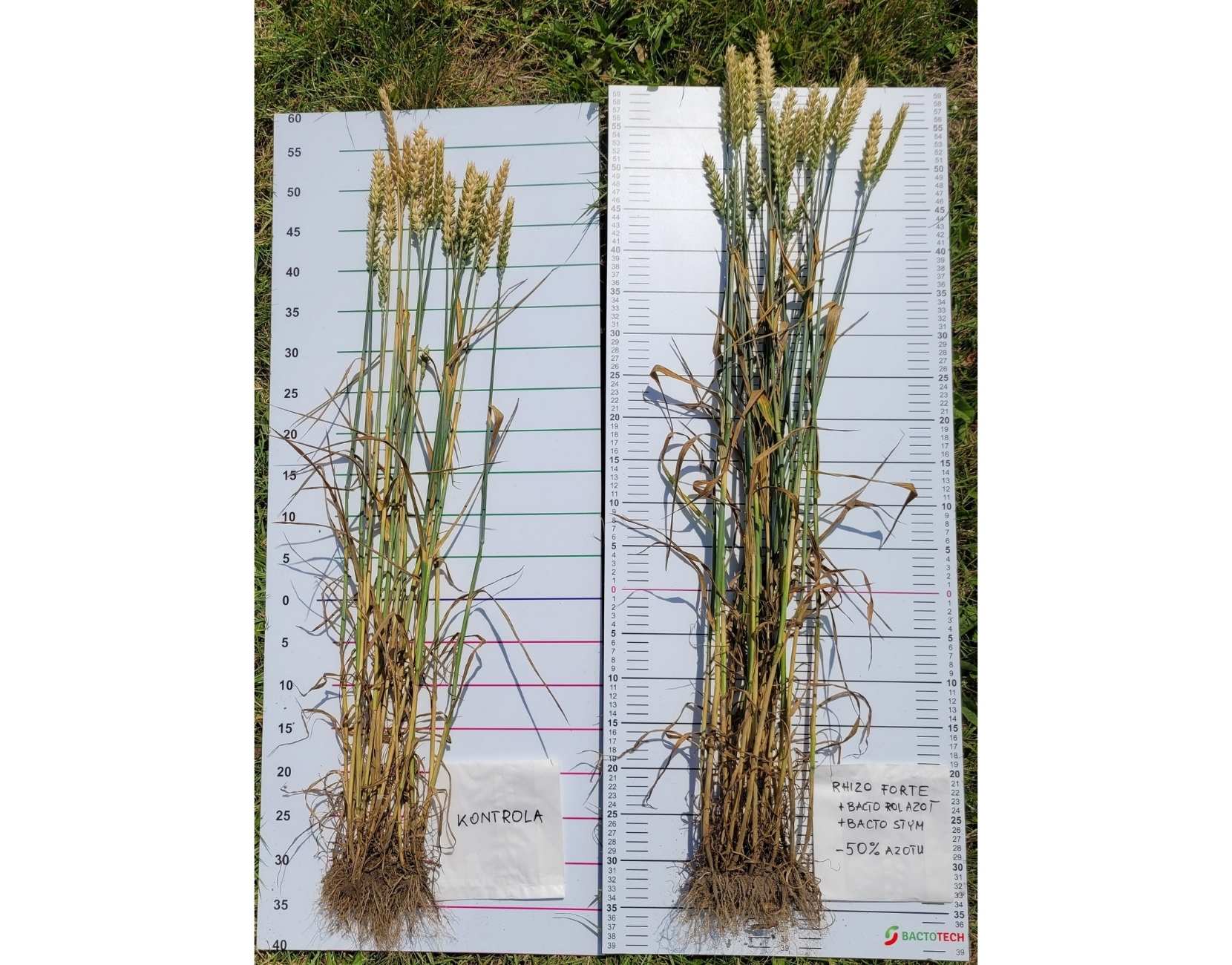
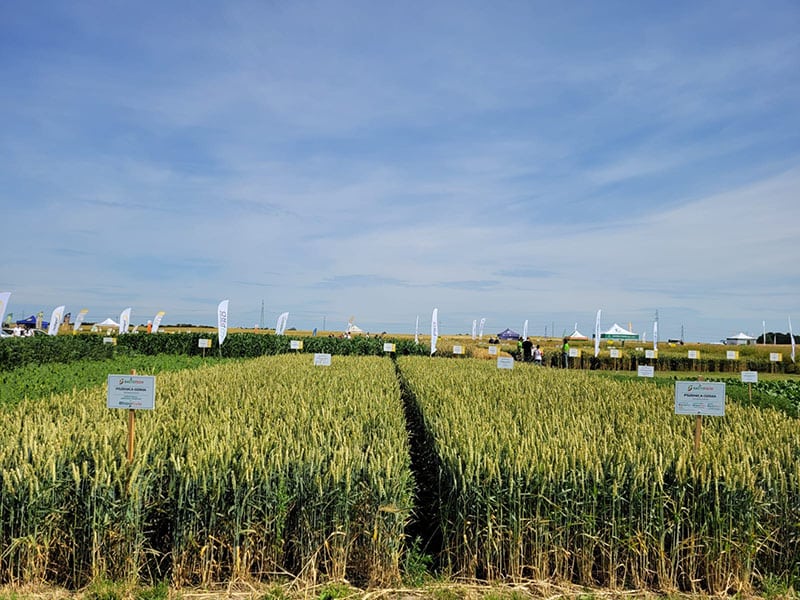
In trials last summer in Poland, BactoTech tested their natural products against a competitor’s artificial fertiliser. The trial monitored four soil strips and compared artificial fertiliser with bacterial nitrogen treatments. This is the type of approach Marta encourages farmers new to biologicals to adopt because it allows them to transition to a new system with minimal risk.
In the trials, plots receiving only artificial fertiliser saw nitrogen levels decrease after a few weeks, whereas with the BactoTech application, nitrogen levels continued to increase. “The trials reduced the use of artificial fertiliser by 50%, and when our products were used instead, yields remained the same.”
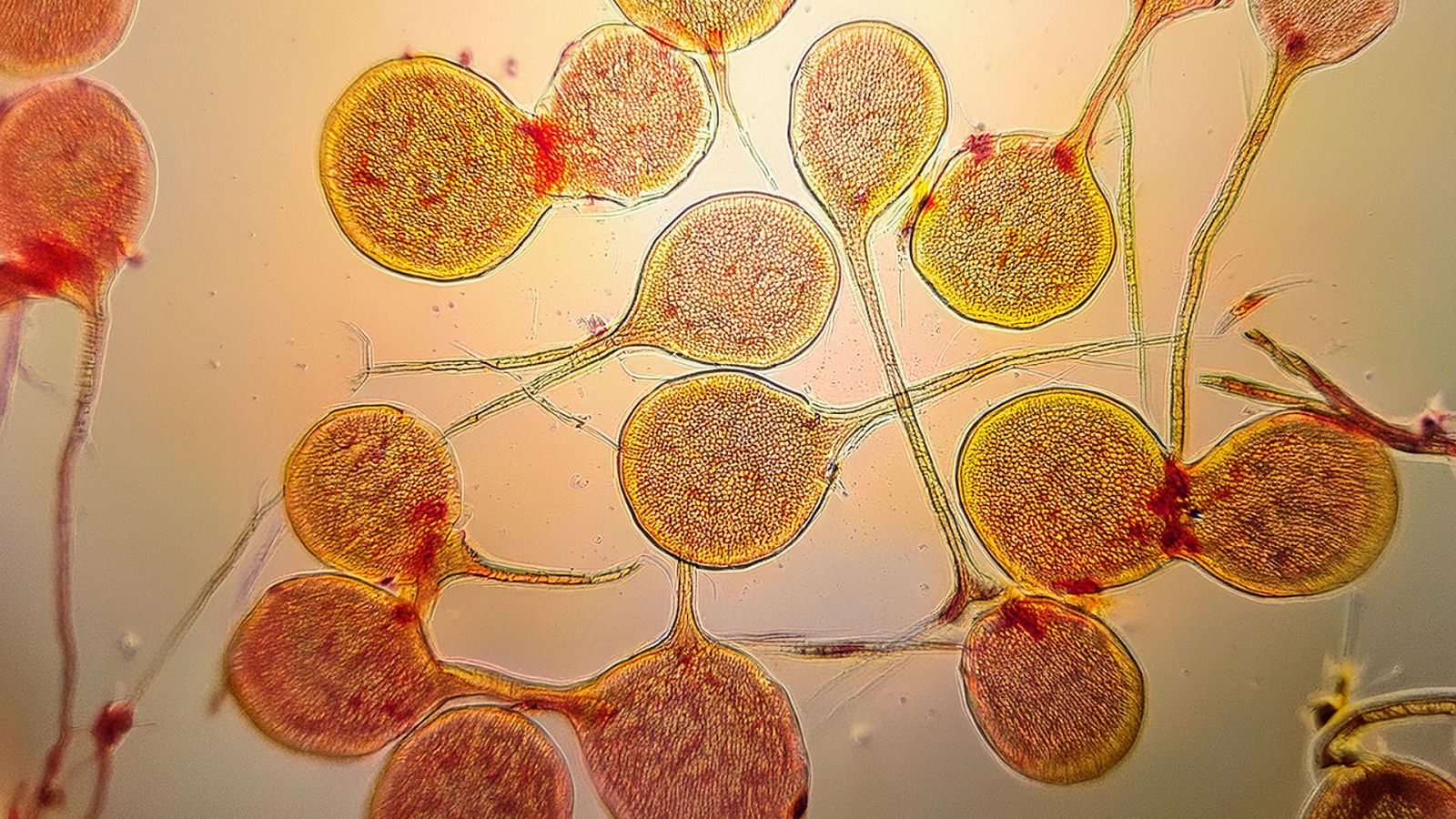
Not all of BactoTech’s products work in exactly the same way, explains Marta. Some are mainly focused on the soil and root zone, where they support microbial activity, nutrient cycling, root growth and nutrient availability. In addition to Bacillus strains, they exploit beneficial mycorrhizal fungi of the genus Glomus. These fungi work closely with plant roots and can help extend the effective root system, supporting nutrient and water uptake, particularly phosphorus.
Others work more closely with the plant itself. “For example, some bacteria can live inside plant tissues as endophytes, so they are not only sitting around the roots. This is especially relevant for products designed to support nitrogen availability and plant stress response. So, in simple terms, we have both root-zone and plant-associated biological activity, depending on the product,” notes Marta.
As for application timing, it differs by product to achieve optimal results. “BactoRol, for instance, can be applied at the end of August to help decompose crop residue and recycle nutrients, such as those found in straw.
“Another product, called BactoFos, is applied at different stages. There is a lot of phosphorus in the soil that is not readily available to plants. BactoFos makes this phosphorus more readily available, reducing the need for additional phosphorus fertiliser.”
In the past, many biological products have demonstrated good efficacy but haven’t seen widespread adoption due to usability issues, given that they are live organisms. However, newer iterations of biological products, like BactoTech’s, don’t have these drawbacks, as Marta explains.

“The products are designed to be practical for real farms. They can be stored more like conventional nutritional products, away from direct sunlight and avoiding extreme temperatures.
Thanks to our patented stabilisation technology, the products have a minimum shelf life of two years, which makes storage, transport and on-farm use much more practical.
“They are stable, easy to transport, and can be used with normal farm equipment.”
Tank mixing is possible in many cases, especially with fertilisers and nutritional products, but Marta always recommends checking compatibility first. “The main thing to avoid is mixing live microbial products with products that are designed to kill bacteria, such as strong bactericides or some copper-based products.
“With herbicides, including pre-emergence herbicides, it depends on the specific product and the timing. In many cases, the better approach may be to apply the microbial product separately or at a time that gives the biology the best chance to establish and work properly.
“We are very practical about usability: yes, they can fit into normal programmes, but we always advise sensible compatibility checks.”
BactoTech’s vision for crop nutrition is that biology will become a normal part of nutrition planning, not something separate or unusual. It is not as simple as “chemical versus biological” but more focused on smarter nutrition, which involves using synthetic fertilisers more efficiently, reducing waste, improving soil biology, and helping crops access more of what is already in the soil.

“In ten years, I’d love to see farmers using nutrition programmes that combine fertilisers, soil testing, microbial products, organic matter management, and plant health monitoring in a much more joined-up way. The aim should be healthier soils, stronger roots, improved nutrient efficiency, reduced environmental losses, and more resilient crops.
“For us, the big picture is simple: if we can improve soil health, we can improve plant health, food quality, and the long-term resilience of farming,” concludes Marta.
BactoTech is continuing to look for farmers willing to partner with them for upcoming trials and research. Through their Agri-TechE membership, they have made valuable connections but are welcoming more relationships with growers who are interested. Get in touch with Agri-TechE for an introduction.
Post Overview
Agri-TechE Related Posts

New decision support tool launched for making ‘sustainable yet profitable’ land use changes

Woodsmith Mine to benefit from investment agreement with Mitsubishi
Cut Synthetic Nitrogen by 50% on Wheat? What Our Field Trial Showed

When the going gets tough are farmers getting biological? Five Take-Aways from the McKinsey report

Global Weather, Grain Markets & Nitrogen