Rothamsted Research study warns of glyphosate ban trade-offs
 Agri-TechE
 Glyphosate, renowned for its broad-spectrum efficacy, is the most widely used herbicide in northwest European winter wheat arable systems, contributing to 17% of the herbicide-treated area in the UK.
As debates intensify over its environmental and health impacts, Rothamsted Research’s latest study gives a sobering warning about trade-offs involved in discontinuing glyphosate use, from increased weed burden to reduced crop yields and profitability.
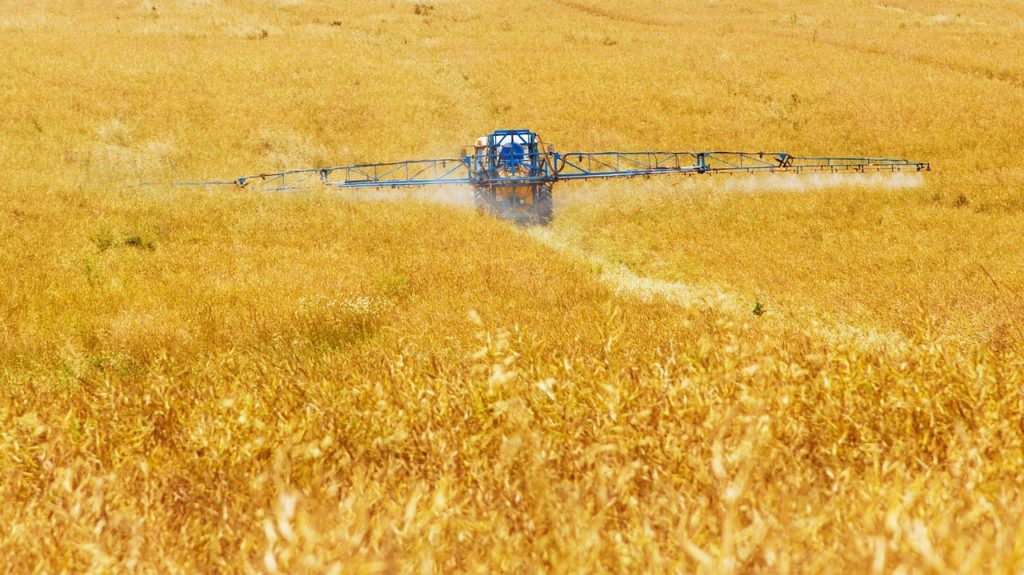
Glyphosate’s role in agriculture
This linchpin of arable agriculture controls broadleaved weeds and grasses during fallow periods between crops and before crop emergence. Glyphosate also plays a significant role in regenerative agriculture systems primarily because it facilitates no-till farming practices that minimise soil disturbance.
Despite its effectiveness, glyphosate is a controversial treatment; key concerns include the human health risks as a probable carcinogen, its environmental impact – particularly on aquatic organisms, and the evolution of herbicide resistance in weed species.
Rothamsted Research’s approach to assess impact of ban
The recent study by Rothamsted Research aimed to address the research gap by assessing the potential impacts of discontinuing glyphosate use. It modeled the effects of reducing or removing glyphosate and replacing it with cultural control methods.
The study used the Rothamsted Landscape Model, which generated simulation to compare scenarios with and without glyphosate, as well as scenarios implementing Integrated Weed Management (IWM) practices.

Rothamsted is the longest running agricultural research station in the world, providing cutting-edge science and innovation for nearly 170 years.

A warning about trade-offs
Results indicated that while removing glyphosate led to increased weed abundance and arable plant diversity, it also resulted in decreased food production and profits. However, it also resulted in reduced herbicide risk to the environment.
Alternative strategies such as crop diversification and delayed drilling showed mixed results in mitigating the impacts of glyphosate loss. While some IWM practices demonstrated potential benefits, their effectiveness varied depending on the specific conditions and farm management strategies.
“Findings emphasise the need for careful consideration of trade-offs if a ban were to be enacted,” said Rothamsted’s Dr Helen Metcalfe who led the study.
The study underscores the complexity of agricultural systems and the importance of informed decision-making. In the context of the growing preference for regenerative agriculture, glyphosate’s role is never more important.
As glyphosate remains controversial, this trial’s findings provide valuable perspectives on the need to weigh the trade-offs involved in its use or reduction, and to explore alternative methods to mitigate these challenges effectively.
Read the full article and trial results here.
Post Overview
Agri-TechE Related Posts

Achieving the Potential of Insect Rearing

Electrifying agriculture
Jan 2024 Food & Drink Update from Mills & Reeve

Zayndu argues that priming seeds with plasma-tech could provide resilience
Olmix: Boost animal health and productivity the natural way