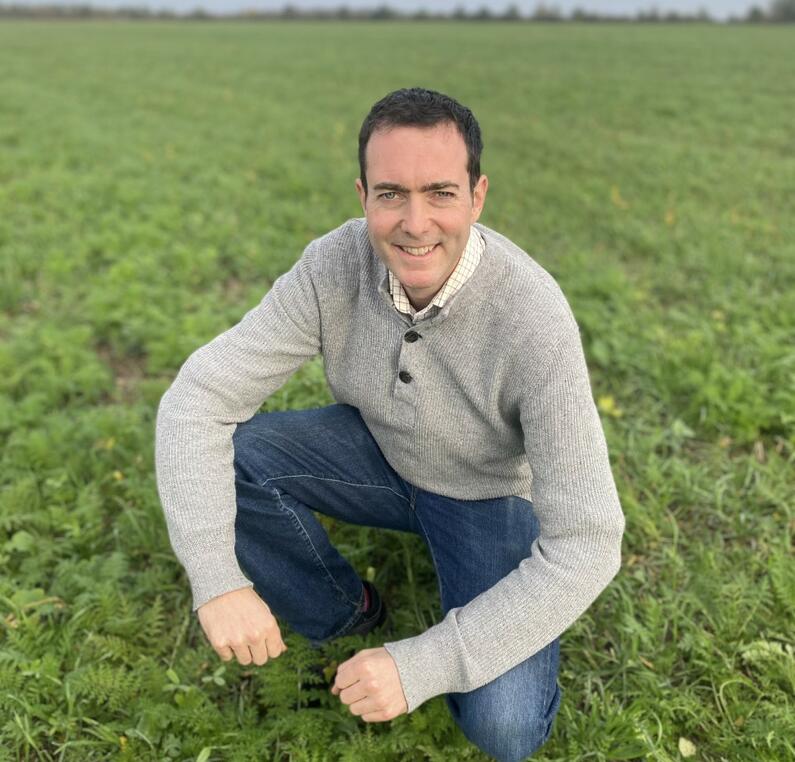
Regenerative agriculture gets a modern makeover at Dennington Hall
 Agri-TechE
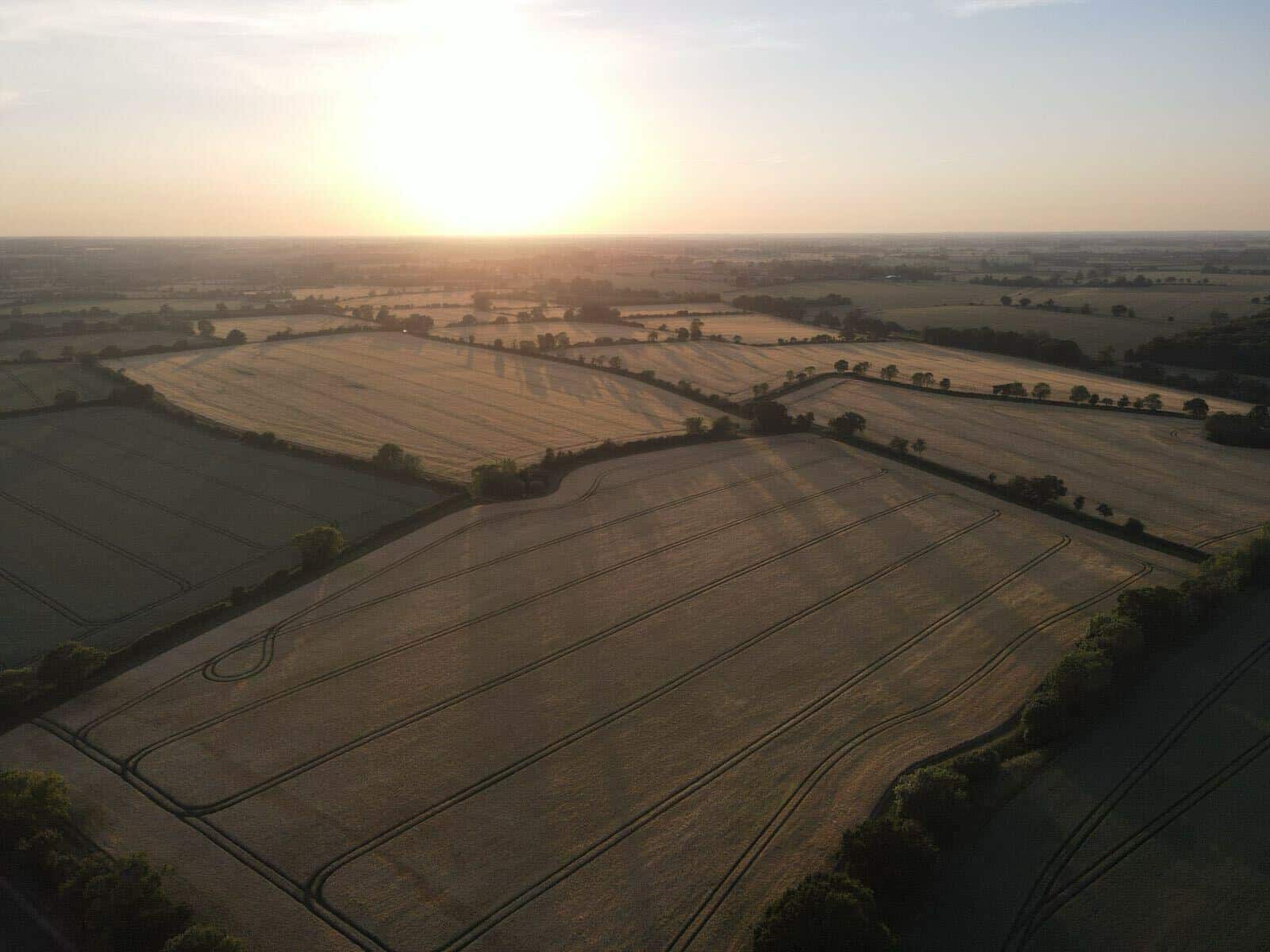
 Regenerative agriculture is certainly having its moment, but at Dennington Hall Farms, this “new AND old” way of farming is far from a fad.
This month’s Member Spotlight features Dennington Hall farmer, Laura Rous, who shares her experiences implementing regenerative methods and innovation into their farming operations that have yielded positive results.
Located in East Suffolk and with land ownership tracing back 750 years, Laura is a third-generation farmer. After working in the tech sector, she returned to the family farm to bring a new perspective to managing the business and adopt a regenerative approach.
Although the farm is predominantly arable (wheat), the family works on a 12-year rotation, involving sugar beet, peas, beans, oats, and barley, and continues to incorporate livestock within their setup.
Since returning to the farm, Laura has focused on applying innovation to the farm and adopting regenerative agriculture principles.
What does regenerative agriculture mean to Dennington Hall Farms?
As an interchangeable definition, it’s no secret that regenerative agriculture can stir – sometimes controversial – conversations across the industry. However, despite some challenges, Laura sees it as a positive change, offering an opportunity.
“For us, it’s all about restoring the health of the land. It’s about improving the soils, biodiversity, and natural processes so that they’re stronger, more resilient, and more productive over time.
“It’s not a checklist, it’s a sort of mindset shift. So, we’re thinking about the farm as a living system where the soils, the plants, the animals, the water, the air, and the people are all hugely interconnected.
“It’s about actually looking at what we need to do at any point in time to help the environment that we’re in, whilst also making sure that we’re trying to grow commercially viable crops and so that our businesses have that resilience as well,” says Laura.
Integrating livestock – what are the benefits?
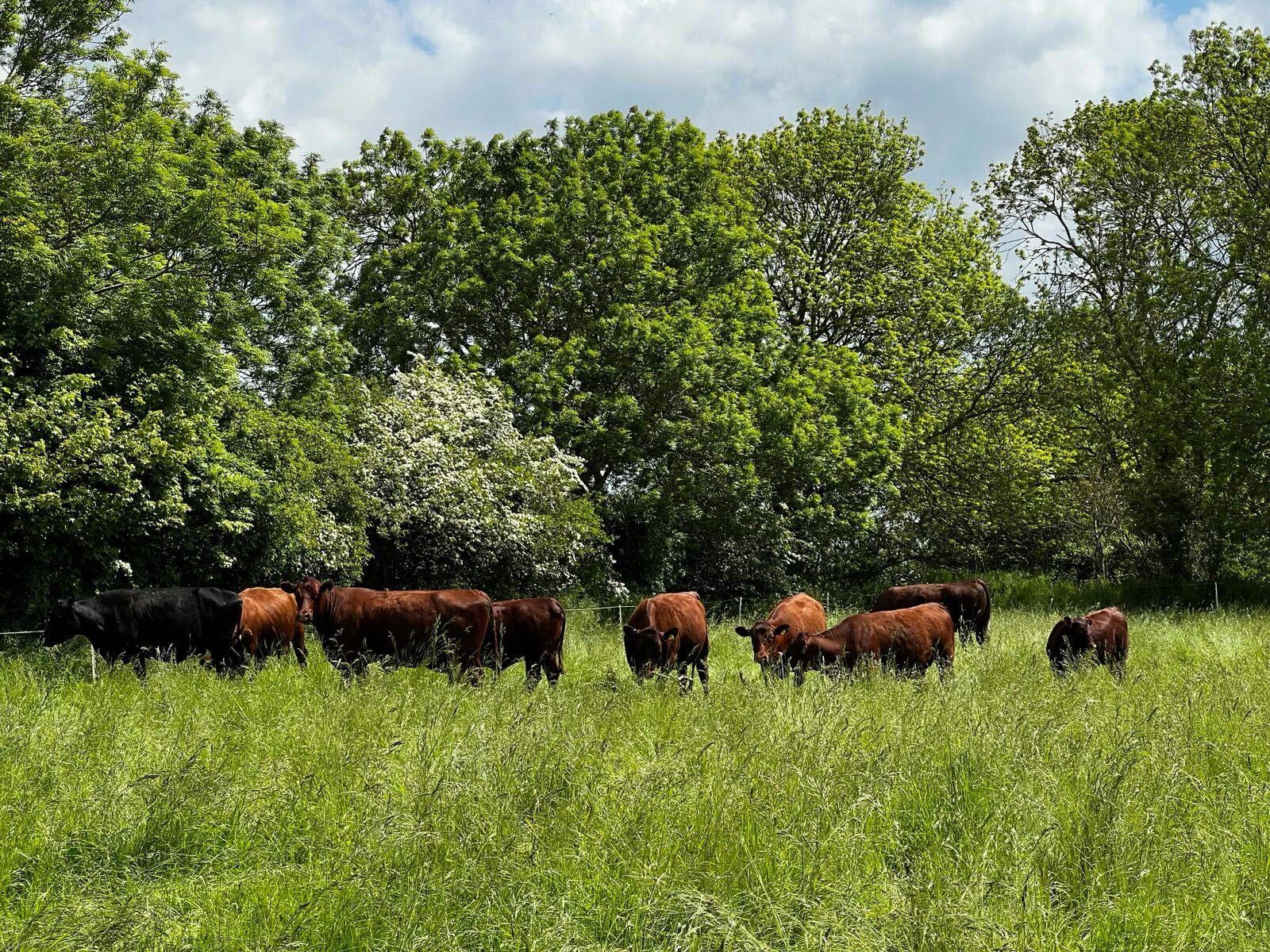
Integrating livestock is one of the five fundamental principles of agriculture, and Laura has implemented this across the farming business, particularly through her work with WildFarmed.
“The sheep was originally driven, which has been brilliant because we have learned more from our WildFarmed fields in the last few years than anything.
Although application is minimal across their WildFarmed fields, with no pesticides or insecticides and only some nutrition and seaweed allowed to understand micronutrients, Laura has found the process to be invaluable.
“If [the crop] is healthy, they are able to fight off these diseases themselves without having to go full hog on some really heavy-duty chemicals. It’s been absolutely fascinating to watch.
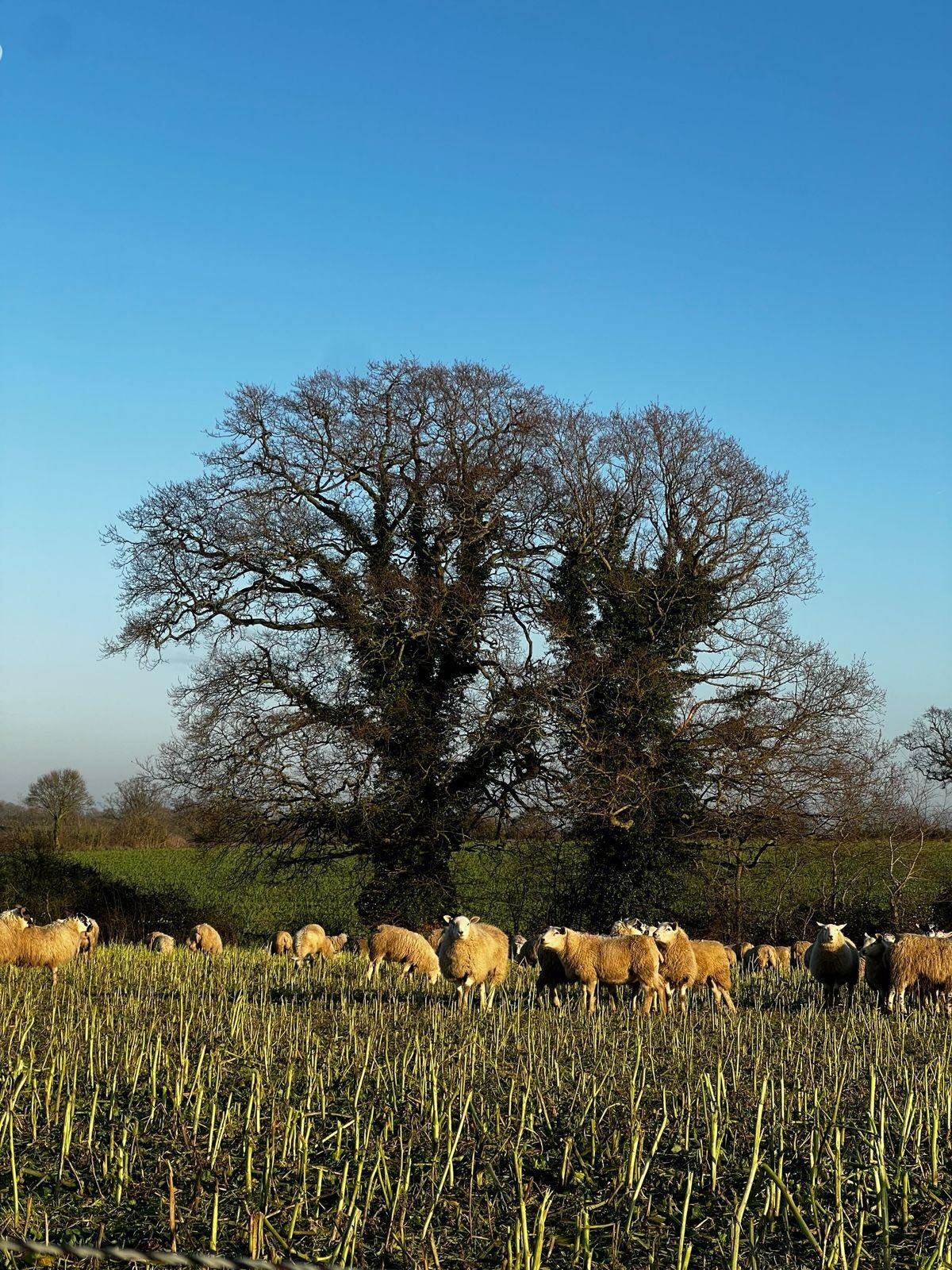
“A big part of the WildFarmed ethos is to also include livestock into your rotation and so we have been using overwinter cover crops, which we have been grazing off with sheep. And that has now been rolled out into our wider rotation across the farm,” she adds.
Adding sheep to their regenerative approach has also seen fantastic results for the soil.
“You know when something just feels right. We’re only just getting the data through as to the impact of the financial side of things, but it seems to be stacking up well. You see the bird life after they’ve left, and the other benefits that aren’t just raw data in terms of the financials, and the two of those combined just make it feel right to have the livestock back on the land. It feels like that natural process and we’re really happy with how it’s working.”
Going further with conservation
In addition to the sheep, Dennington Hall Farm is also home to other animals as part of a conservation project.
“We’ve got a wonderful population of turtle doves here. We’re incredibly lucky, which is down to my mum’s hard work and dedication to keep feeding them in the difficult years. So, we’ve decided to dedicate a patch of turtle dove habitat, and part of that has been incorporating the piggies. Watching how they interact with and create the landscape has been absolutely fascinating.
“The wildlife, the flowers that we’ve seen as a result of them rootling around and the ability they have to really change quite a bland landscape into something really interesting has been fascinating. So, I think it’s another way of illustrating how much a livestock can really help shape and build an environment”.
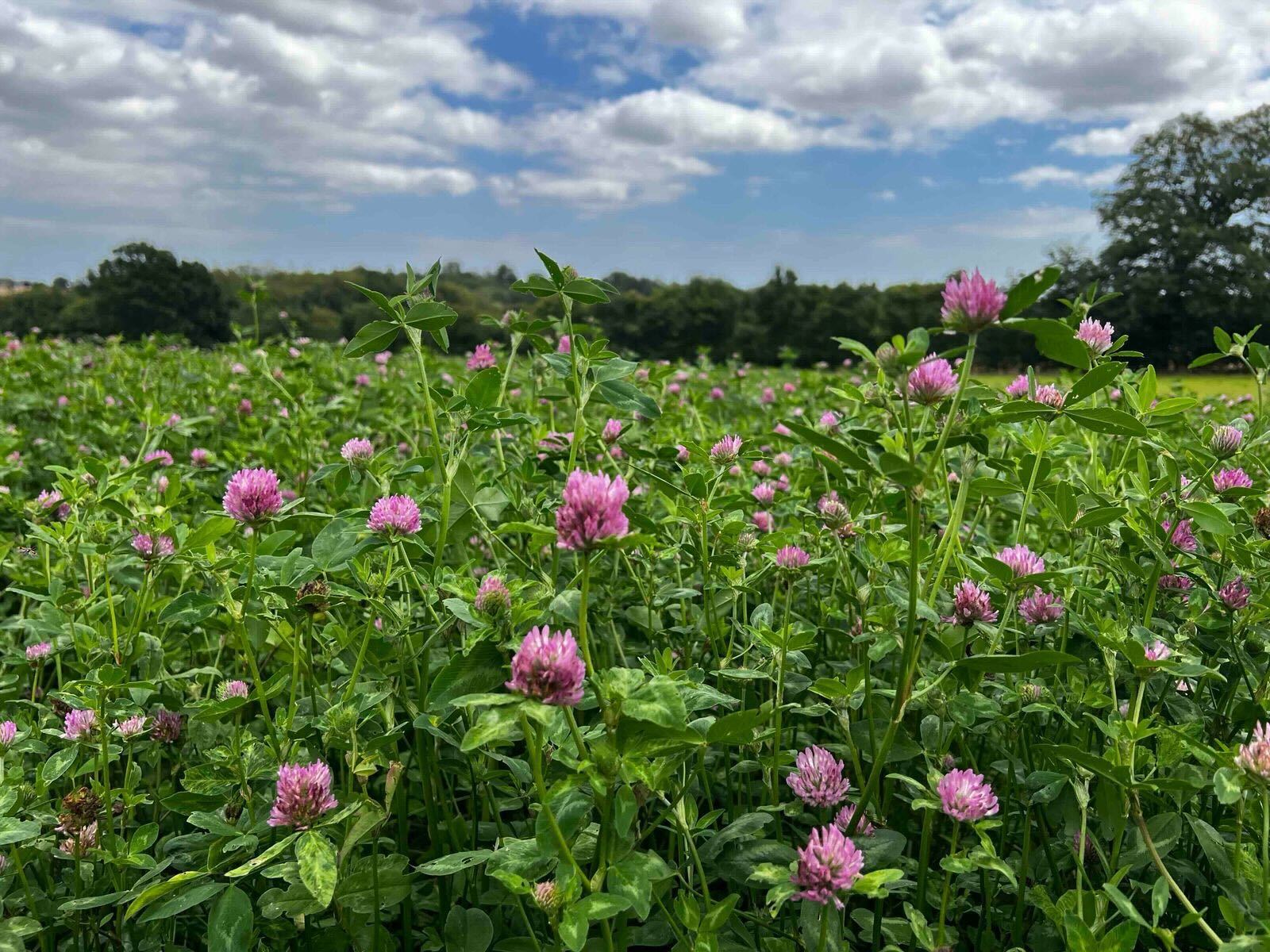
Is this just the ‘old way’ of farming?
In response to Laura’s changes, some have suggested that her new practices are simply reverting to traditional methods: “but actually, we’re also trying to embrace what’s best about modern science at the moment.
“All the technology that’s coming through and combining that with the traditional knowledge so that we can really create a system that’s building in that resilience that’s at the top of its game for the next generation,” Laura states.
Combining her tech background with her roots in farming, Laura finds innovation in all aspects of the business.

“Innovation isn’t just about a shiny bit of new kit. Some of the things that have had the biggest benefit for us on the farm are probably some of the least sexy bits of innovation for farmers in general,” she states.
“When I first moved back, we changed our accounts package, which meant I could have real-time information about accounting. We put our staff on a digital HR system.
“There are so many different elements of innovation that can really improve a business; from the data-led decisions that can affect the back office, as well as how you decide what to put on the ground from one time to the next, to some other really cool quirky things.”
What does innovation look like on the farm?
Laura is not one to shy away from trying something new but when experimenting, she ensures it’s a tested and reliable solution on a small scale first. To do this, she uses ‘Aggie’s Bedroom’.
“My favourite field, the field where we test everything first before we start rolling it out,” Laura states. “It’s the first field that we direct drilled and we have continued to direct drill, although we’ve learned various things from Aggie’s bedroom that went wrong in year one.
“Last year, we did summer catch crops before a wheat crop on Aggie’s Bedroom and it was amazing seeing these living roots growing in the field. We had the enormous rain in October and Aggie’s Bedroom was the only field that we could get onto to drill because the summer catch crops had done what we wanted them to do and kept the soil in a really nice condition.
“So we just drilled straight into the summer catch crops and now we’re rolling that out over a 200-hectare block. It’s about being curious, testing, not being afraid to try things out, and not being upset if they don’t work because you’re hedging your risk by just doing it on a small area to begin with,” she says.
Other exciting innovations happening on the farm are:
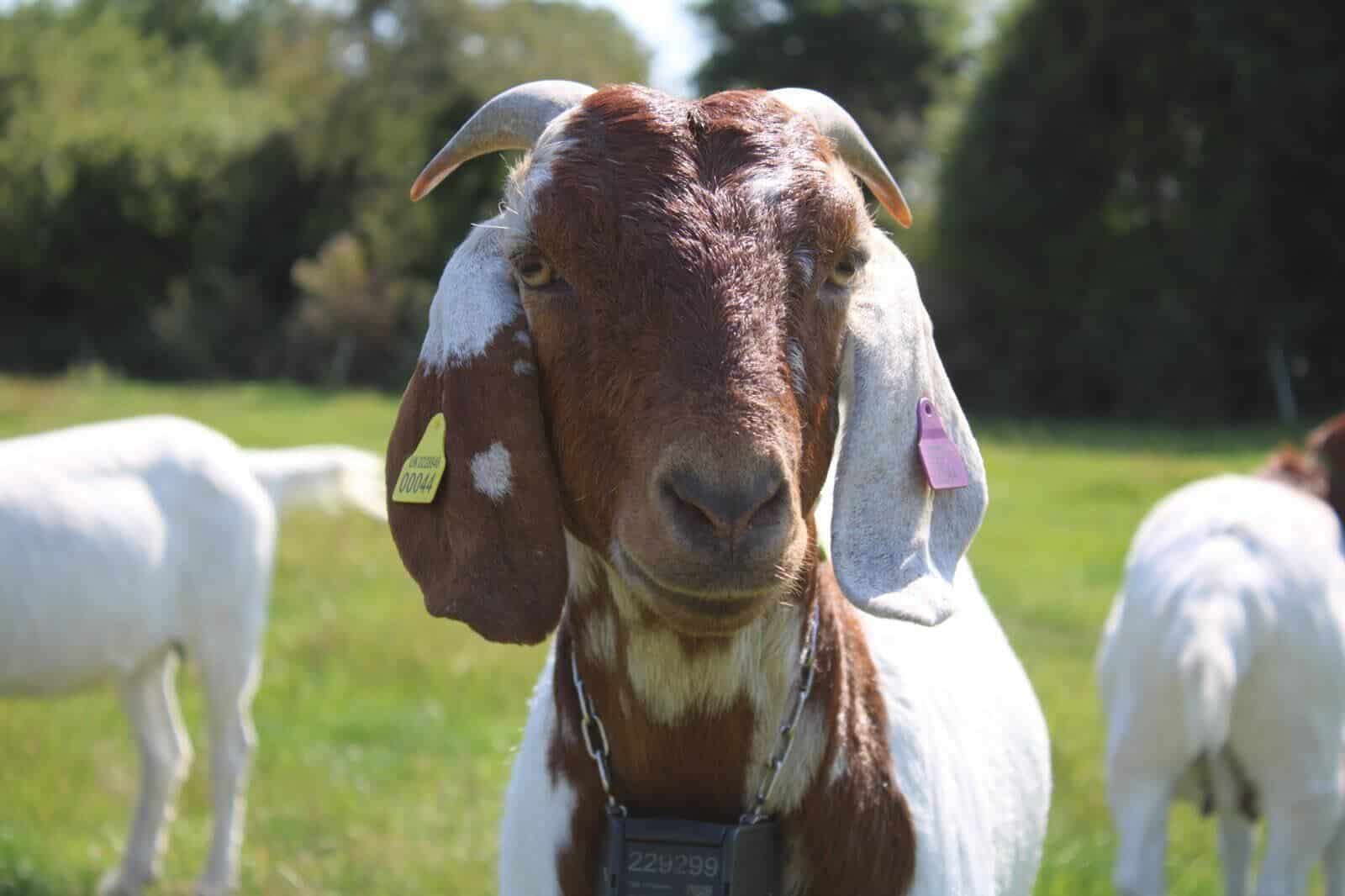
- No-fence collars on the red pole cattle and goats
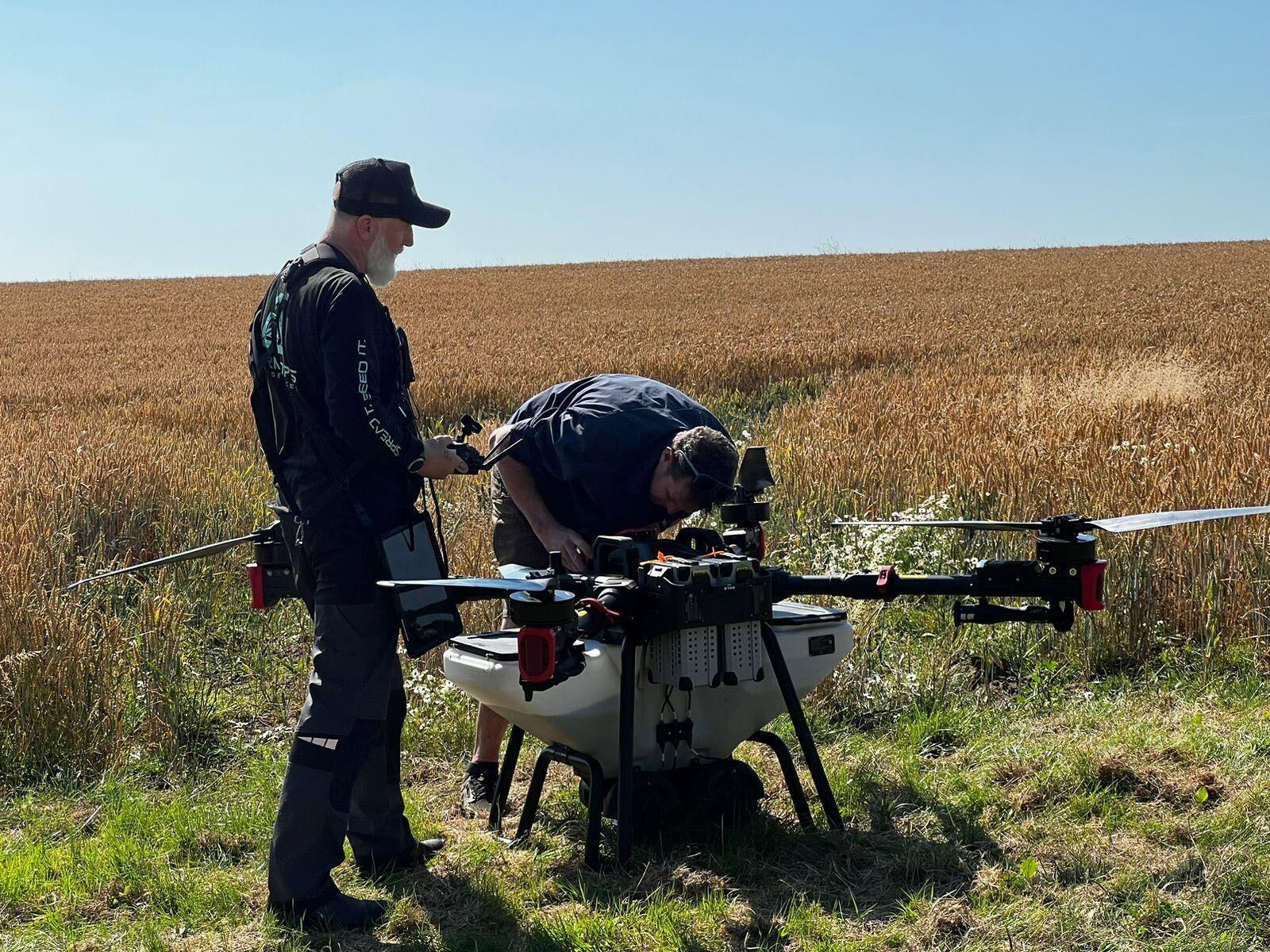
- Drones to establish a crop in standing wheat of wild bird mixes
- Yield and conductivity maps, satellite imagery of biomass and soil testing to learn more about how to approach the micro and macro nutrition that is applied
- Changing the business model to create meat boxes
- Renewable energy generation
“What we’ve really enjoyed in the last few years is building up partnerships, which is something that Agri-techE has been amazing at supporting us with,” Laura says.
“It’s been great working with innovators to test their ideas that could really transform farming efficiency and it’s been really nice to hear from the science side and then apply a practical side to that. There’s so much cool stuff going on in the world of ag at the moment. It’s really exciting.
“For us to be able to be a little part of that is a real pleasure. We are lucky to be part of the AHDB baselining pilot, working with OMEX, Wild Farmed, Limagrain Demo Farm, New Holland is testing some of their software in their with us before it gets rolled out. So, all sorts of fun things.”
What’s next?
“I feel like we’re going through one of the biggest periods of change that farming has seen in decades. Which makes it exciting and challenging.
“We’re seeing changes in technology, government policy, climate. You’re seeing changes in rural communities and the changing pressures on terms of land use are huge, whether it’s housing, energy, food, nature.
“So, this makes it a hugely challenging but exciting time full of opportunities.
“The future of Dennington Hall Farms is very much embracing and maintaining a curious mindset. We want to be looking at trying things out, seeing what can work, how we can make the business better, how we can make it more efficient. That may be anything from a deeper integration of livestock into arable rotations, expansion of biodiversity or agroforestry projects.
“The real opportunities come in terms of looking at direct-to-consumer sales and how we can manage that. Then, we get into the really interesting stuff, which on Ryan, our farm manager’s side, includes how driverless tractors could work, increasing use-cases for drones and so much more. We are both also excited about creating new enterprises and are at the early stages of looking at what opportunities there are around micro proteins, or what we can do with eco-tourism and connecting people to where their food comes from.
“I hope that we can be known as a place that’s commercially robust, environmentally ambitious and deeply connected to our local community. That’s what I’d like us to be.”
REAP Conference 2025
Laura will feature in the Farmer Insights Panel at this year’s REAP Conference, to discuss how they are participating in the co-design of new ways of working and balancing the co-existence of so many demands.
Farmers can apply for a heavily discounted ticket through the REAP bursary and can participate in the intimate ‘Farmer-Only Breakfast’ including a personal discussion with Minette Batters.
Farmer Insights Panel
Chair: Craig Patrick, Lead Knowledge Exchange Manager, AHDB
- Ali Capper, Partner at Stocks Farm, Worcestershire
- Jake Freestone, Farm Manager at Overbury Enterprises, Gloucestershire
- James Beamish, Director at Holkham Farming Company
- Laura Rous, Dennington Hall
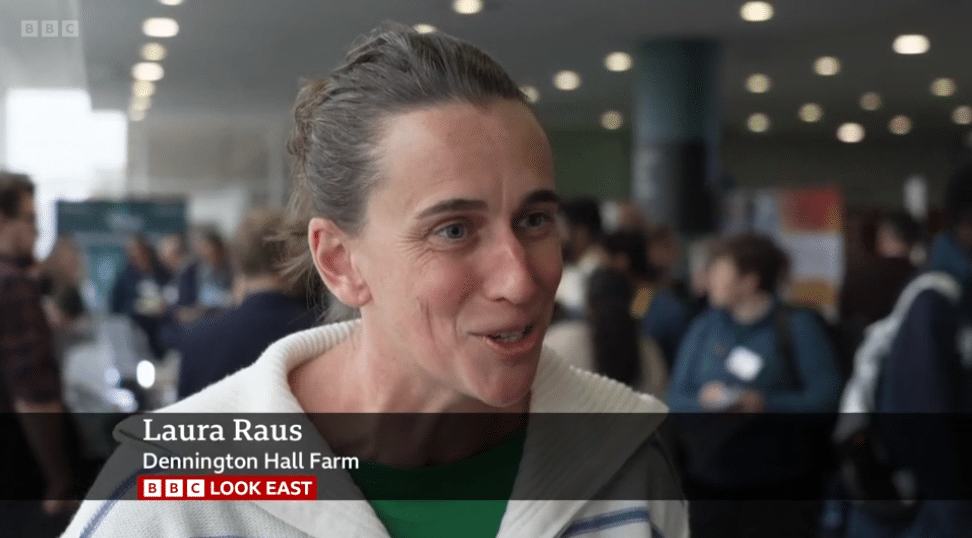
“I think REAP is really great. It is one of the few conferences that genuinely bridges the gap between science, technology and practical farming.
It brings people together who are actually doing the work, from farmers to researchers to innovators, and just simply creates this brilliant space for real, grounded conversations about the future of agriculture,” Laura says.
“I always come away feeling really inspired and definitely better connected. So, I think it’s the most brilliant place to visit”.
Post Overview
Agri-TechE Related Posts
Wilder Sensing interviewed on BBC Radio 4’s Farming Today: Bioacoustics in practise
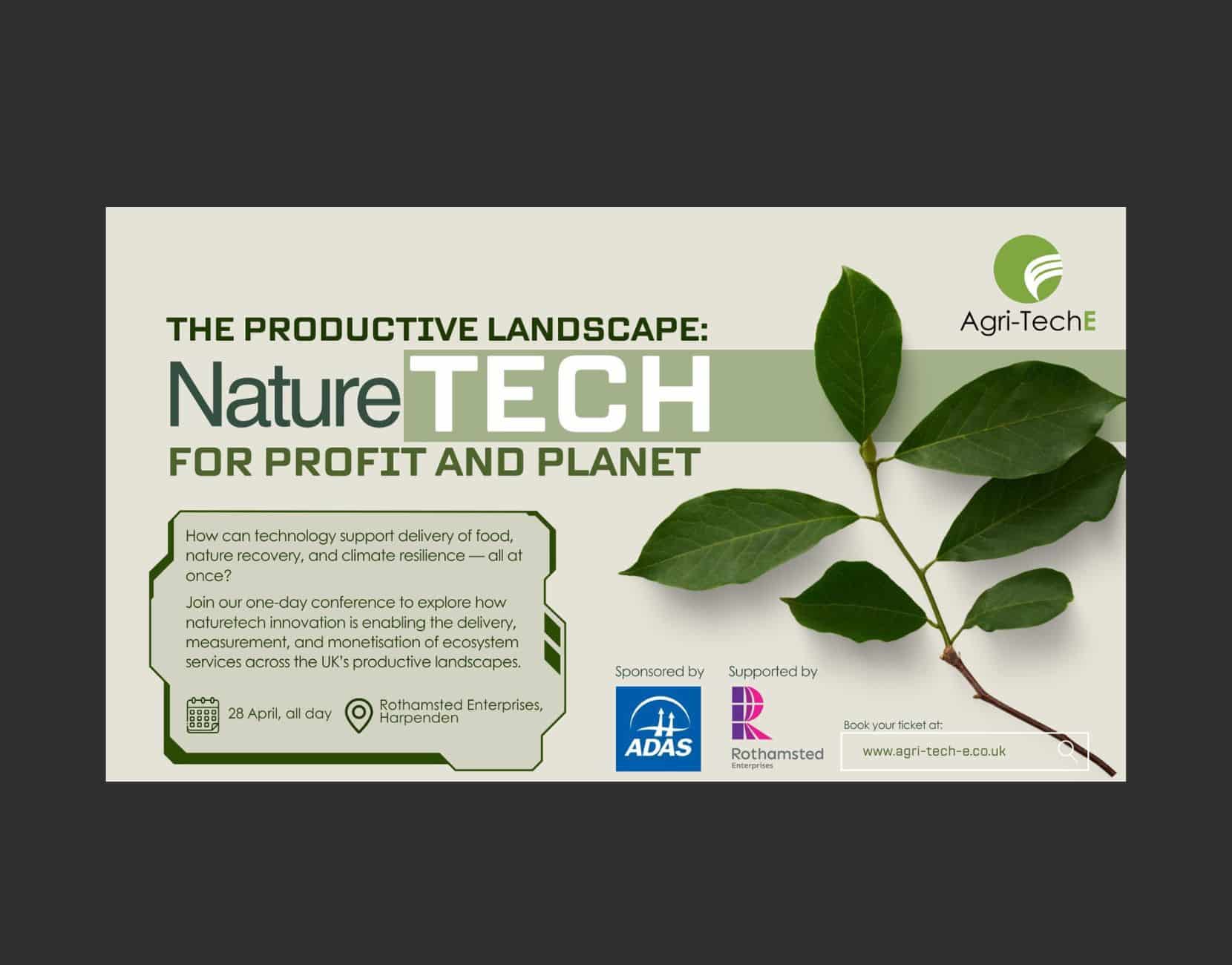
NatureTech: Supporting Businesses to serve both Profit and Planet
Wilder Sensing appears on BBC Springwatch 2025
Wilder Sensing Featured on Farmer’s Weekly Podcast

Mercedes-AMG PETRONAS F1 Team accelerates towards Net Zero with investments into carbon removal & innovation