Regen is the catalyst for novel collaboration, says Phil Taylor of Bayer
 Agri-TechE
“If you can plant an over-winter cover crop that protects the soil, sequesters carbon and builds soil health – and then sell it as a cash crop as low-carbon aviation fuel – it would immediately boost the productivity and profitably of a farm looking to use regenerative principles.”
The need to create these types of propositions, which involve the whole value chain and support the evolving needs of agriculture, has changed the business model for agribusinesses, according to Phil Taylor, Director of Ecosystem Development for Crop Science R&D at Bayer. Phil will be participating in the Supply Chain Panel at REAP 2024.
Regen-ag as a catalyst for change
Phil is part of Bayer’s External Innovation and Partnerships team, based in the St. Louis Agtech Cluster, a vibrant community of R&D organisations and research institutes in Missouri. Together with BioSTL, Bayer has recently created the Regen AgriFood Coalition in the Heartland (ReACH) to help global agrifood corporations meet their net-zero carbon and sustainability commitments through novel collaborations and partnerships.
Phil sees integrated value chains as the future and argues that the days of simply selling seeds, traits and synthetic chemistry are long gone, saying that regenerative agriculture is a catalyst for change.
“The world of agriculture has become more complex and there is greater need for cooperation, decision support and targeted interventions. If industry doesn’t have a value proposition for the farmer, then it is not going to happen. We can have all the tools and technologies, but if at the end of the day it doesn’t fit the farming business model it’s being plugged into, it’s not going anywhere.
“As an industry, we have spent the last five years recognising that we need to work together, and the next ten years will be about how to make the whole system sustainable and self-supporting. To achieve this, we need to find new ways of partnering.”
The impact of biologicals
Traditionally, Bayer has been seen by early-stage companies and academic entrepreneurs as a potential customer for a trade sale or acquisition of intellectual property (IP). The emergence of biologicals – active ingredients based on naturally occurring products – has changed that dynamic.
Phil explains: “Until recently, major innovations in traits or chemistry coming to the market needed a very heavy lift from a regulatory or product development perspective, and only the big guys had the firepower to deliver.
“Now the innovation landscape in agriculture is so much broader, with much more opportunity for smaller companies to contribute and stay part of the bigger story.
“With biologicals, we saw a mass of startups coming through with novel collections, screening capabilities and such, so the decision was made to lean into our strengths in development and integration.
“The result is we now take a licensing and partnership approach to the early research and let the experts drive it. We can come in with our leadership in product development and regulation and help get it out the door.
“Biologics are not going to totally replace synthetic chemistry; it’s really more working with others to increase the options and tools in the toolbox.”
First bioinsecticide for cabbage stem flea beetle
Phil gives the example of Bayer’s support for the UK early-stage company AlphaBio Control. The company has made a bioinsecticide that can target cabbage stem flea beetle in oil seed rape. Rapidly creating a potential solution to a crop devasted by the removal of inorganic pesticides a few years ago.
“With the regulatory challenges, a GMO trait would only have been viable for crops that were going to work on tens of millions of acres in somewhere like the US or Brazil.
“Biologicals are much more targeted, and the timescales are shorter than developing a resistance trait. This means that, even if the size of the potential market is smaller, a biologic can be profitable where a trait or a synthetic chemistry wouldn’t make sense.”

Bringing expertise in test and evaluation of agri-tech
The organisation is changing its business model to become an active player within global innovation ecosystems, such as Agri-TechE , which are seen as a ‘hot spot’ of innovation.
Phil continues: “Across the world there are these global innovation hotspots – the Agri-TechE ecosystem is clearly one of them – where we see opportunities for Bayer to contribute and become part of the ecosystem.
“As a company with an international footprint and knowledge of global regulations we have lots to bring to the table. My job as part of the External Innovation and Partnerships team is to find, identify and build partnerships. These can be anything from supporting studentships to building consortia, from licensing IPs to funding collaborations.
“The key challenge with early-stage companies is how they scale. It’s super cool to see what organizations like Innovate UK and UKRI are doing to support innovation – but it is not particularly sustainable, and we see this in the US too. Often, there is too much kindling and not enough firewood.
“This is one of the reasons we have set up ReACH. The ‘H’ is for ‘heartland’ as we are in the US Midwest and working with partners up and down the value chain. The aim of the consortium is to evaluate and test technologies in a consolidated way and, where appropriate, help get them to market,” explains Phil.
New models needed for scale-up
The commercialisation pathway for agri-tech – to ensure resource is targeted at meeting market needs – needs fresh thinking, according to Phil.
“From the outset there needs to be clear line of sight for both the innovative value proposition and the grower value proposition. Otherwise, we’re going to have some awesome innovations that will not get taken up.
“The analogy I draw here is from the pharmaceutical space, where there’s a very clear roadmap for drug discovery and you can clearly identify the stage of the innovation. Everyone understands what that means, including the expectations around spend, funding, needs, etc, and can provide the right support so that people can get it done.
“Almost everything is boutique in that sense – sometimes you need a Rolls Royce and other times a Volkswagen. The trick is having the options and clarity of objective.
“Scaling becomes a conversation of the role of government and private equity, and there is an ongoing debate about the best models, but we also see a role for large corporations.”


Agri-TechE led a mission to the St Louis AgCluster in 2021. Left to right Tim Nowak (Executive Director, World Trade Centre STL), Sam Page St Louis County Executive), Belinda Clarke (Director, Agri-TechE ), Alan Gogbashian (Consul General, Chicago), Mark Sutherland (former CMO, Missouri Partnership)
Novel collaborations creating innovative solutions
CoverCress is a St. Louis-based start-up that has genetically improved pennycress – a weed in many Midwest states – to provide an oilseed crop that has been grown as a cover crop. Phil cites this external innovation as delivering critical new value to farmers, offering all the benefits of carbon sequestration and soil management while being harvested and sold as a bio-oil in the spring, leaving the ground available for the main commodity crop.
“The development has taken about ten years and has been supported with patient investment from our growth ventures organization.
“CoverCress exited through an acquisition, which was a very novel partnership between Bayer, who has a majority stake, Bunge and Chevron to create a renewable fuel from a low carbon feedstock.
“It is the first time that I have seen different parts of the value chain coming together to do something like this. Bayer is excited about it from a seed and an input perspective, Bunge was excited about the technology as they’re a processing company, and Chevron of course wants it for sustainable aviation fuel.
“A novel crop, a novel technology, a novel farming practice – and a completely novel partnership. Very cool and right here in our backyard in Saint Louis.”
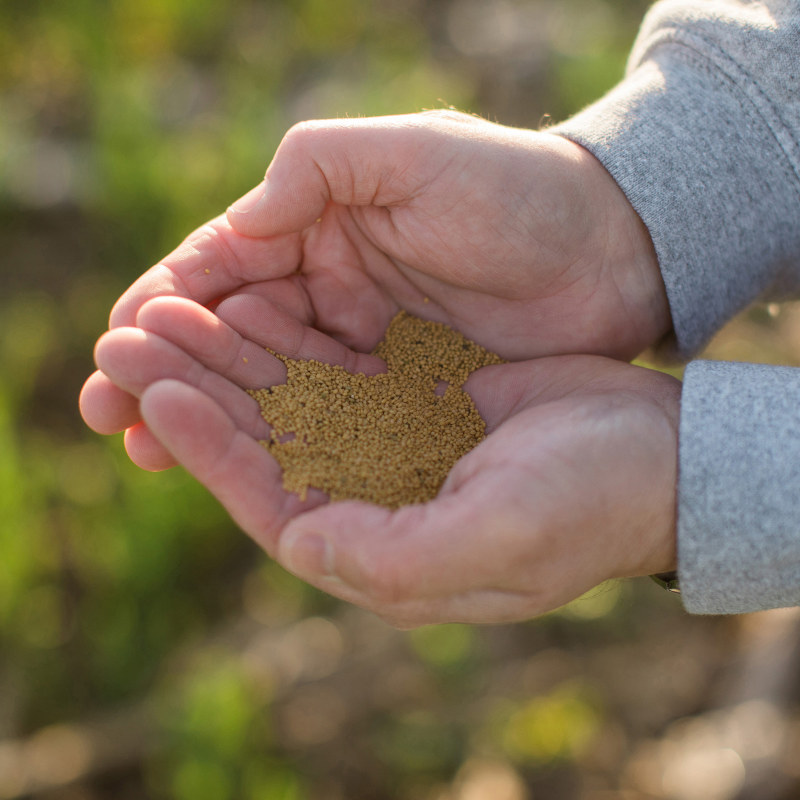
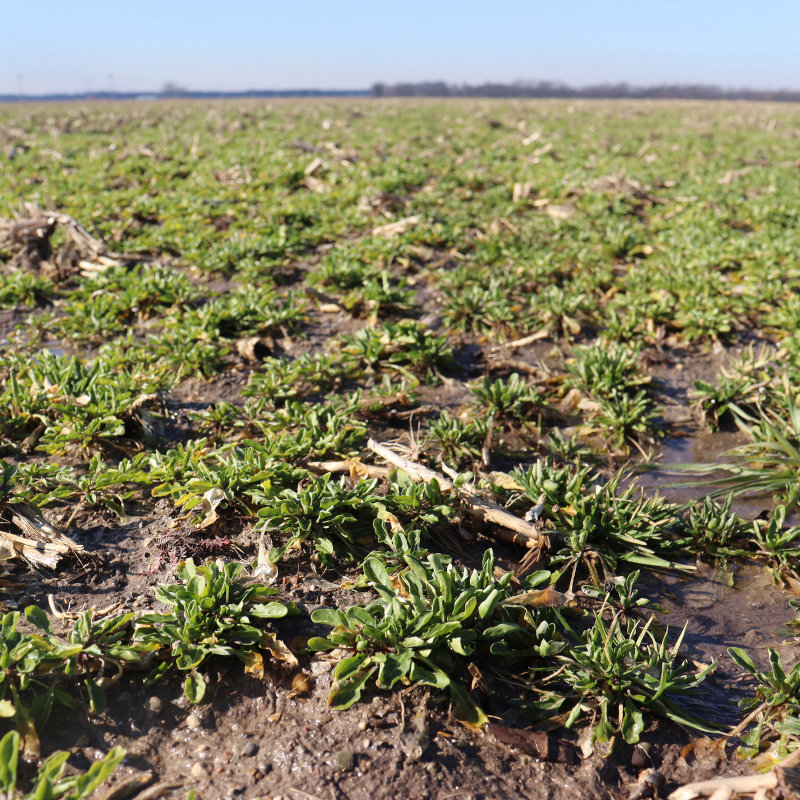
The new CoverCress™ cash crop has the potential to decrease nitrogen loss, help store carbon in the soil and improve soil health. Images credit: Bayer AG.
Phil Taylor will be featuring in our Supply Chain panel at REAP Conference 2024: The Agri-TechE Balancing Act – Optimising One or Managing Many?
Wednesday 6 November 2024, 9:30 am – 6:30 pm
Rowley Mile Conference Centre, Newmarket

Post Overview
Agri-TechE Related Posts
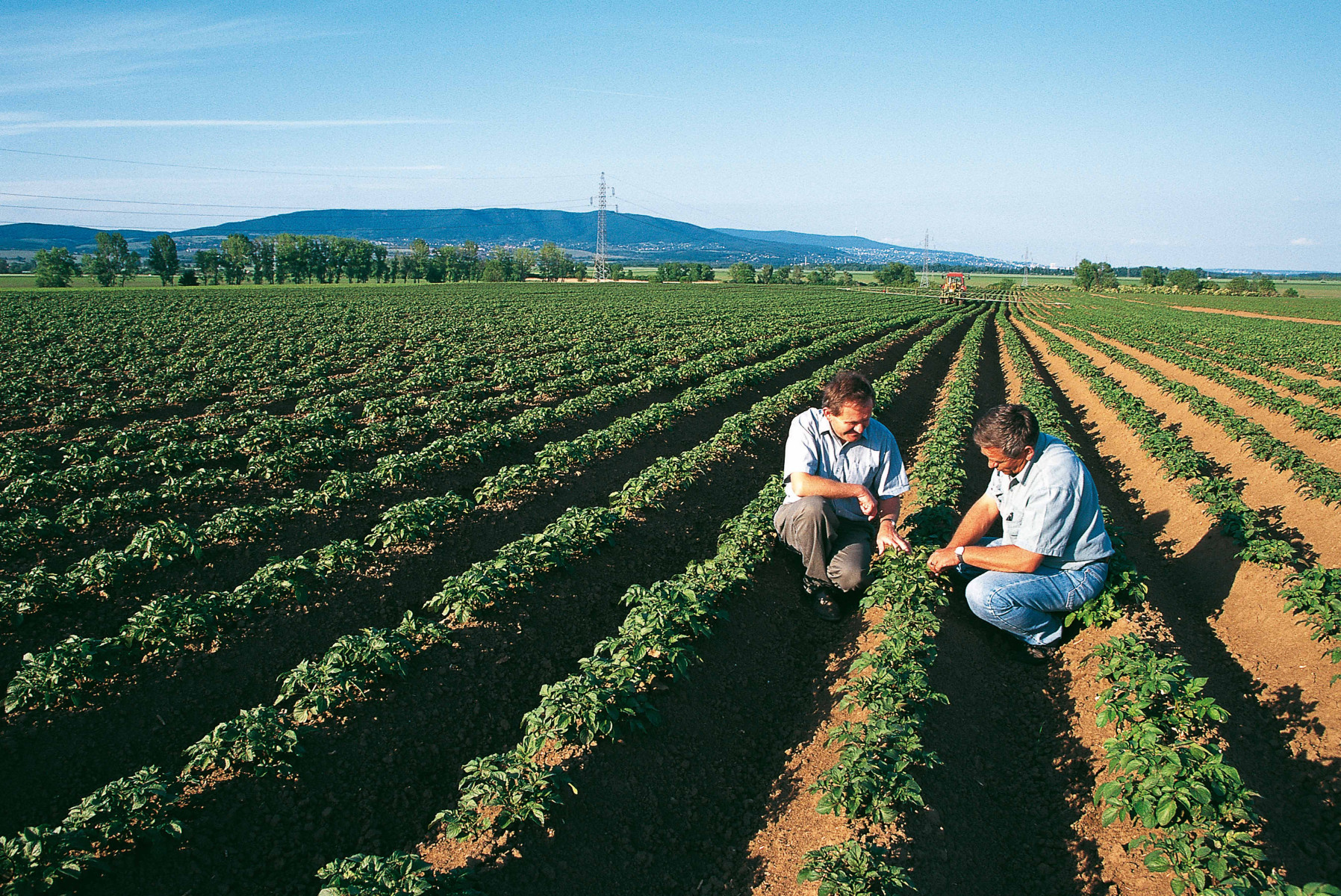
Bayer and Ecospray Reach Distribution Agreement for New Garlic-Sourced Biological Crop Protection Product

How secure is the UK’s food supply?
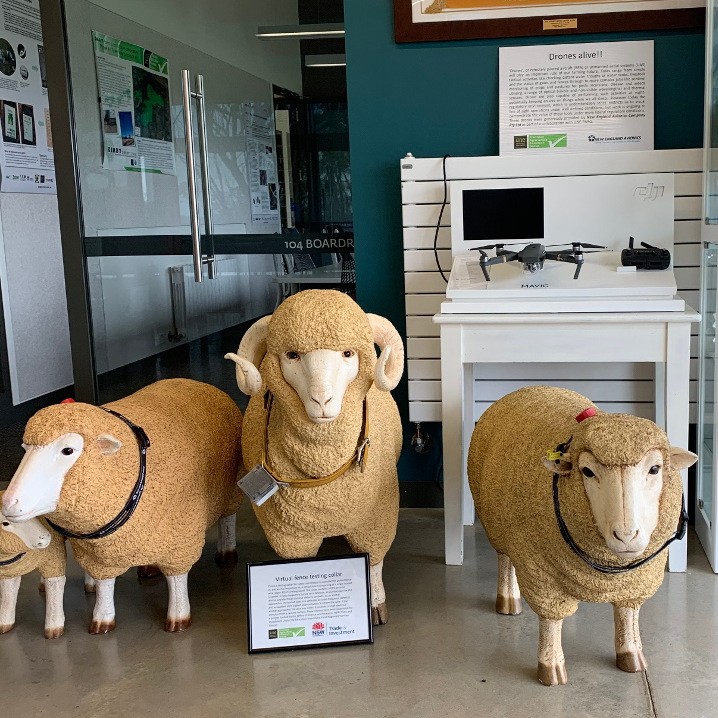
Trust, Traceability, and Terabytes in the Australian Agrifood System
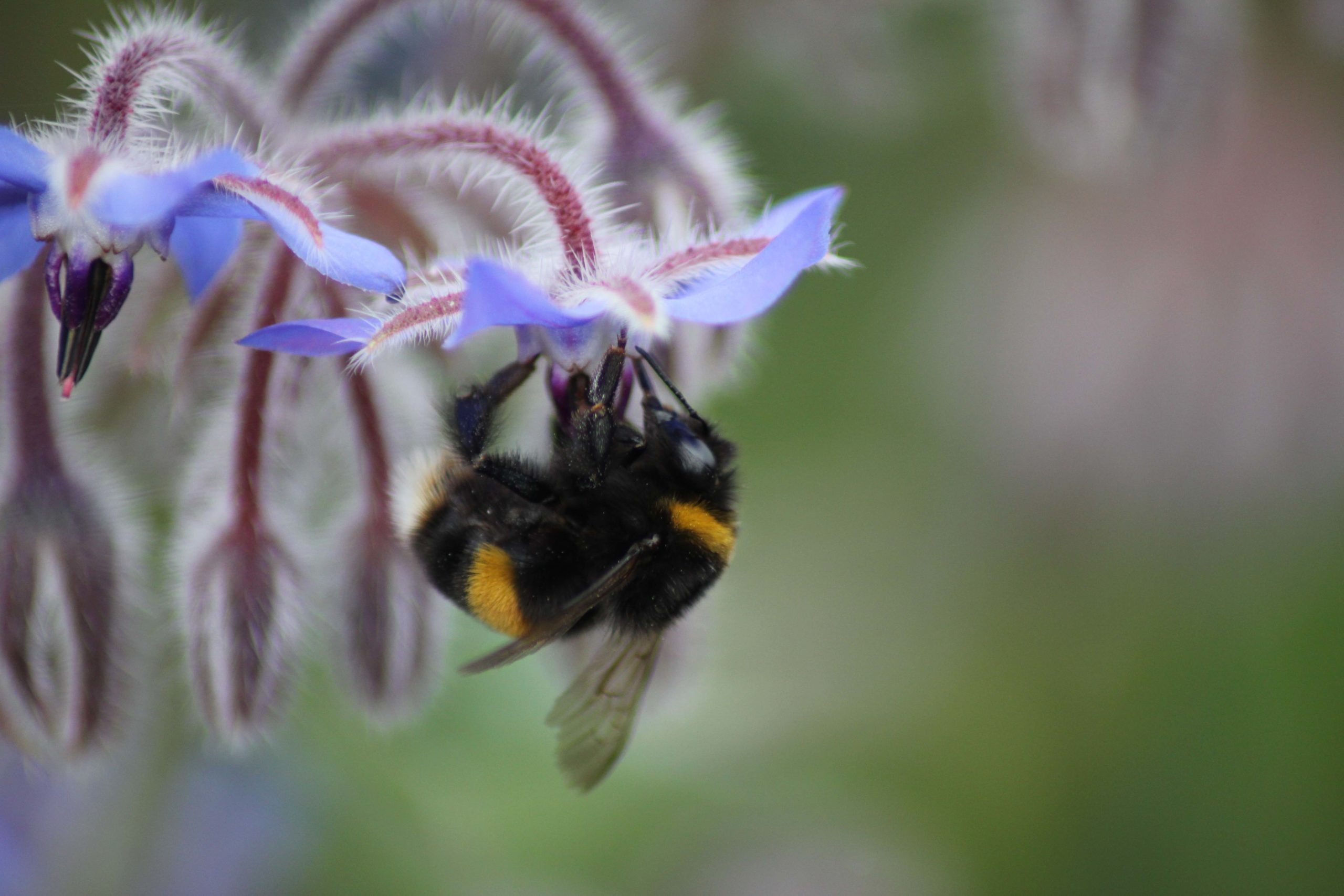
Itaka launches world’s first microbial seed treatment for borage
Aspuna is breaking down barriers for African cassava farmers