REAP 2020 Sofa Session – towards a technology roadmap
 Agri-TechE
 “REAP is a conference that dares to be different being one where farmers and growers, scientists, innovative companies and entrepreneurs come together to discuss how agri-tech can positively impact the 72 per cent of land in the UK that is cultivated,” comments Dr Julian Little, who is chairing the Sofa Session. “This year’s “lockdown” version is no different with its theme of From micro-scape to landscape – Innovating at the frontier, acknowledging that small changes in the micro-scape can have big impacts on the landscape and vice versa, for example it is interactions on a microbial scale in soils that drive the carbon cycle and impact climate change.
“So, anything that we so to improve soil health through agri-tech could expand carbon storage and at the same time, increase productivity and enhance biodiversity. Could capturing carbon provide new revenue streams for farmers?
“This sofa session will be, I hope, a fascinating opportunity to explore how systems at different scales operate and interact with each other, recognising that taking a broader ‘one agricultural’ type approaches that recognise natural systems are interconnected, will enable us to be more innovative with our solutions at a local microscopic level, or to solve some of the greatest challenges that mankind has yet faced.”
The Sofa Session will review the conference and the potential for a roadmap
David Montgomery
Professor of geomorphology at the University of Washington
“Humans have degraded about a third of the world’s viable cropland in the past 60 years, and we’re on track to degrade another third by the end of this century… however within that big picture there are many farmers that through minor changes are restoring soil quality and fertility and that’s why I’m so excited about [the ideas that we’re discussing at REAP2020].”
Jane Rickson
Professor of Soil Erosion and Conservation at the Cranfield Soil and Agrifood Institute
“Soil is so fundamental to our cultural being – it underpins our green and pleasant land in the UK – and that is determined by how we manage it … Topsoil quality determines our crop yields, but also the nutritional value of what we eat… good soil structure determines water retention and can therefore protect us against both flooding and droughts… all of these services are driven by soil microbiology, which is critical to the long-term health of the soil…”
Stuart Hill
Head of Technology and Innovation, Hutchinsons Ltd
“Understanding the grower and their business is the starting point. We are looking at interconnected systems at whatever scale we take. Whether this is soils or biodiversity across individual fields, individual farms to groups of growers or even regions – agri-tech can help us to see where interventions can be made to make a difference.”
Duncan Wingham
Executive Chair, National Environmental Research Council
“If you ask what’s driving biodiversity loss, the answer is land use change, agricultural intensification, and to a degree pollution arising from agriculture… so the question of our time has to be: ‘How do we feed the world without destroying it?’”
Mike Green
Agricultural Sustainability Manager in BASF UK & Ireland
“I am interested in how new systems and innovations can maintain on-farm yields whilst improving the cultural and ecosystem services that farmland provides for us all. That requires a big picture view on long term profitability and sustainability, but reinforced by fine-scale monitoring and measurements.”
Post Overview
Agri-TechE Related Posts

Agritech Thymes: Agritech 2030: Forecasting the Technologies Poised to Transform Farming
How one student found their future employer with the REAP Bursary

Call for good science to inform agri-policy

Permissions are key to sharing and benefiting from data
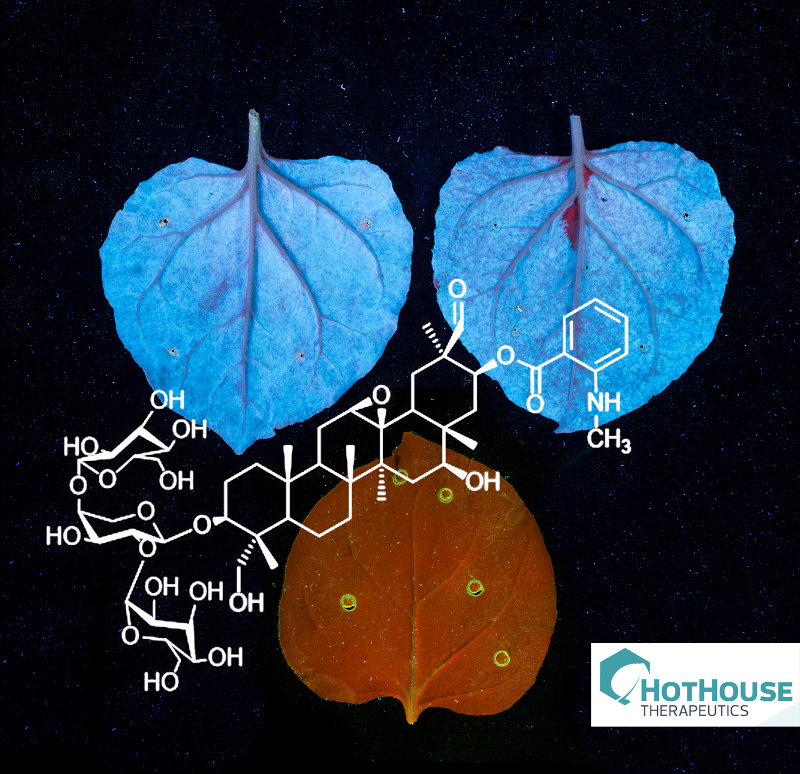
Plants as biofactories – a high value opportunity for vertical farming?