Pulses could deliver half of UK agriculture’s carbon reduction target
 Agri-TechE
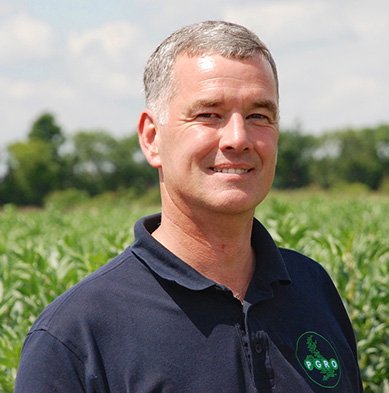
 We met Roger Vickers, head of PGRO, to discuss the vital role the PGRO plays in supporting domestic pulse production.
The launch of the Government’s Land Use Framework and Consultation last week highlighted how much we expect from our green and pleasant land. Food production, habitat creation, climate goals, and the UK’s ever-growing population compete for this finite resource.
The answer to intractable challenges is often complex and multi-faceted, requiring the collaboration and thought leadership that Agri-TechE hopes to help enable. There are some scenarios, however, when a simple solution exists that ticks almost all the boxes.
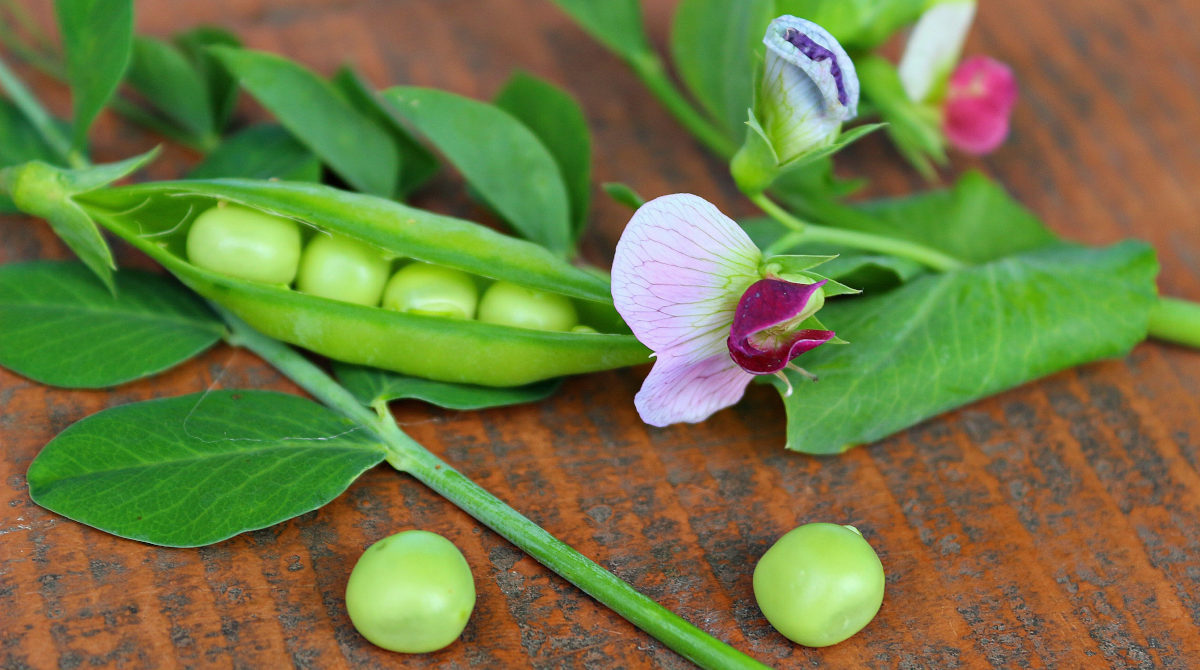
Growing more pulses would deliver the significant environmental benefits of having a flowering, no-nitrogen, biodiversity-stimulating cash crop whilst increasing domestic animal protein production and reducing UK agriculture’s carbon footprint.
So says Roger Vickers, head of PGRO.
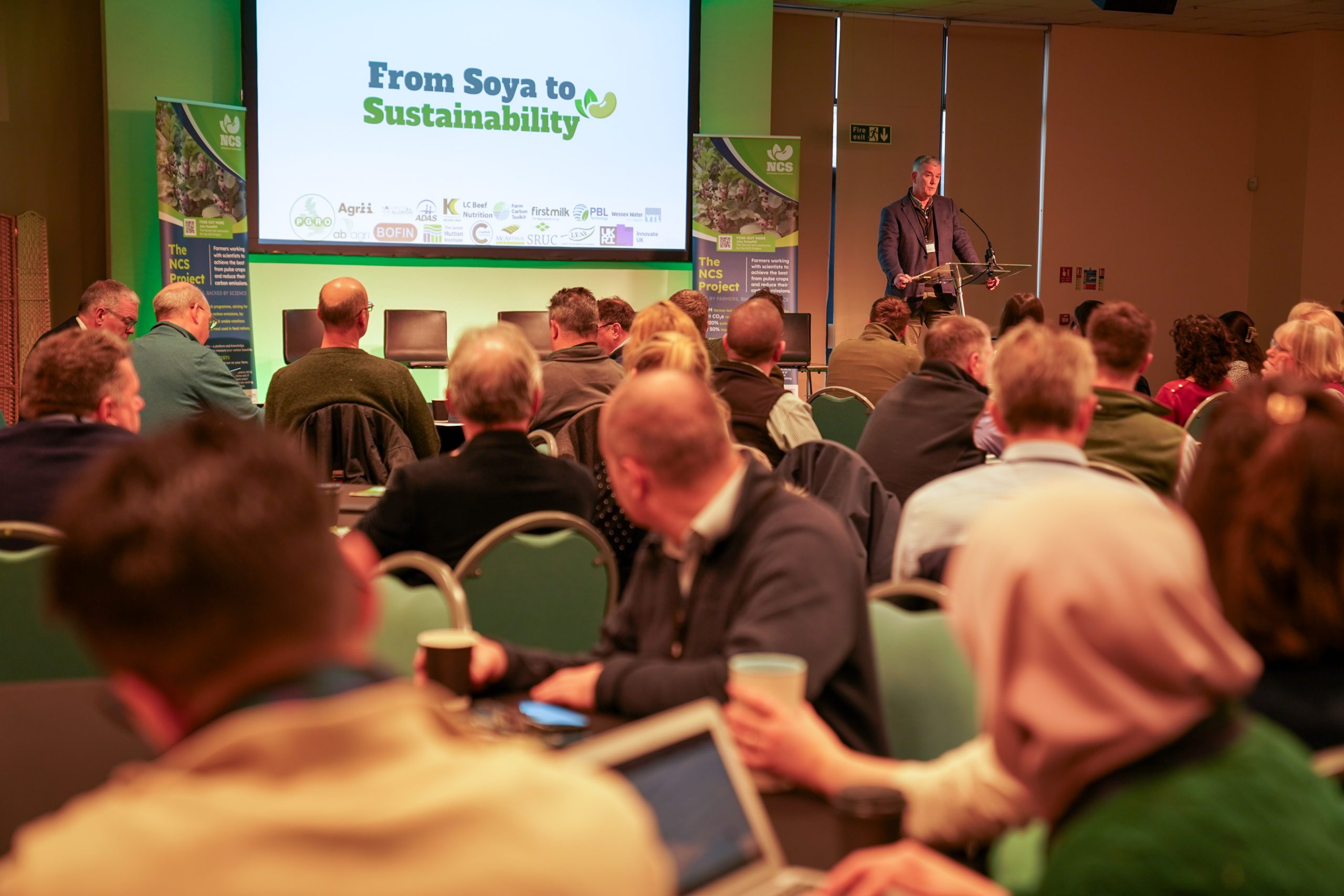
We spoke with Roger shortly after the ‘From Soya to Sustainability’ conference, which revealed the first learnings from the ‘Nitrogen Efficient Plants for Climate Smart Arable Cropping Systems’ (NCS) project.
NCS is a £5.9m DEFRA-funded project involving a consortium of 17 partners from research, commercial businesses and farmer networks. When it launched, it had the bold ambition to reduce the UK farming industry’s carbon emissions by 1.5Mt CO₂e per year, 54% of the maximum potential carbon reduction for UK agriculture as suggested by a 2021 government report.
In fact, two years into the project, research by the Farm Carbon Toolkit has calculated that growing the maximum potential area of pulses, which is 20% of the UK’s arable area, could reduce the industry’s total carbon emissions even more than initially thought, claims Roger.
The carbon savings from growing pulses arise chiefly from two key areas. If pulses were grown across 20% of the UK arable area, Farm Carbon Toolkit estimates that the industry would use around 100,000 tonnes less nitrogen fertiliser.
However, if we quadrupled the area of pulses from around 5% to 20%, what would that do to the domestic market for peas and beans? Roger says that is where the second significant carbon reduction can be found.
“The immediate and obvious answer is to displace soya bean. Peas and beans are a protein crop, and we import nearly three million tonnes of soya beans and soya bean meal each year. Most of that goes to feeding animals.”
If 50% of the imported protein used in livestock feed was replaced with UK peas and beans, the Farm Carbon Toolkit research indicates a carbon saving of 2.8m tonnes of CO2 emissions each year. Added to the reduction in nitrogen fertiliser, this would save a staggering 3.4m tonnes of CO2 emissions annually.
Building up the industry’s knowledge and skills in growing pulses is a key area that Roger acknowledges NCS needs to deliver to enable an expansion of pulse growing. Pulses presently account for only 6% of the arable area, meaning many farmers do not have immediate experience growing them.
“An agronomy work package is looking at field-scale farmer engagement. We aimed to get 200 farmers involved, but we have more than 350 farmers engaged.
“In addition, we are pushing for 40 Pulse Pioneers over the project’s lifecycle, and we currently have 20. These farmers are doing on-farm experimentation and measuring the carbon impact of the altered cropping patterns.”
As the Land Use Framework and Consultation highlights, so much on which we base our assumptions in the ag industry could be about to change. This will bring challenges and opportunities. There could be a generational shift in how we attribute value to the crops we grow in this country, which may realign our perception of domestic pea and bean production.
To find out more about the NCS project, visit https://ncsproject.co.uk. If you are a farmer and would like to get involved, go to https://farmpep.net/programme/pulsepep .
What is the PGRO?
The Processors and Growers Research Organisation (PRGO) is the UK’s centre of excellence for peas and beans. As a non-statutory levy-funded research organisation, it is supported by its grower members, the UK pulse trade and partners commissioning contract research.
With over 75% of its workforce in the research team, the organisation is heavily tilted towards maximising the returns for its levy payers. Some of its most well-known outputs are the annual descriptive list of varieties, agronomy guides and the Pulse Magazine.
Post Overview
Agri-TechE Related Posts
LED lighting boosts strawberry propagation

Better Origin insect farm raises $3M to provide alternative protein for animal feed
UK Blueberry Breeders Strive for Consistent Taste Appeal

Niab says gene editing shows promise

New breeder at Barenbrug has UK’s grass needs in sights