Ponda creating novel textiles from regen fibres and paludiculture
 Agri-TechE
 Ponda is a biomaterials company developing novel textiles from truly regenerative fibres using paludiculture. It aims to connect the regeneration of some of our most precious ecosystems to the production of responsible materials for the textile industry.
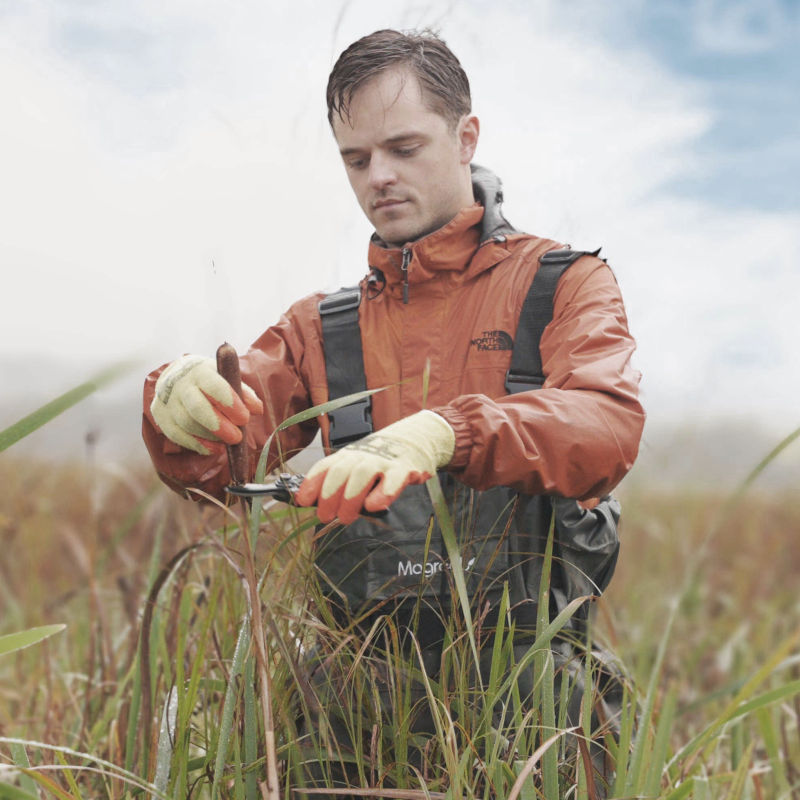
Ponda partners with farmers and conservation groups to regenerate wetlands by cultivating Typha Latifolia, a native, shallow-water, rhizomatous perennial plant. Thriving in freshwater or slightly brackish marshes, Typha proves to be an ideal, low-maintenance crop for wetland restoration. Farming under these conditions is defined as paludiculture.
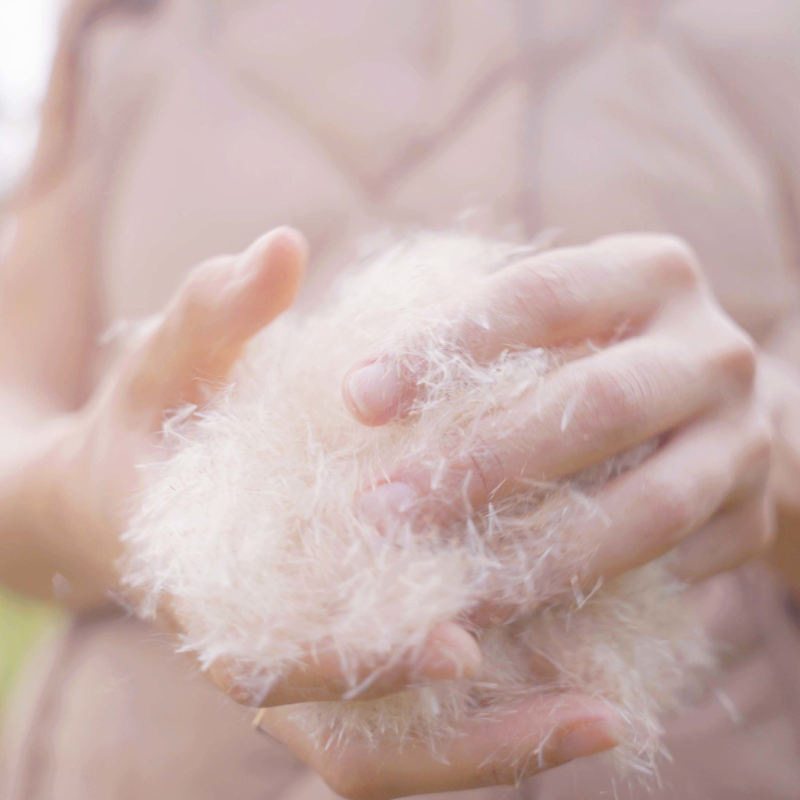
Ponda has patented a fibre extraction method to harness the seed head fibre, transforming it into a valuable insulation material for the textile industry.
Q Where did the idea for Ponda come from?
Ponda‘s origins lie in a thorough examination of materiality, addressing environmental challenges in the fashion industry. Much of the industry’s footprint originates from material choices at the beginning of the supply chain. We aimed to explore new fibres in this space. Moreover, brands and manufacturers are seeking novel, regenerative materials to replace existing, damaging textiles. Conversely, drained wetlands, often a consequence of conventional agriculture, now contribute to 5% of global CO2 emissions. These wetlands are amazing ecosystems that store twice the carbon of all trees combined and serve as habitats for 50% of all animal species. Our goal was to create a link between these worlds, where each side could benefit the other.
Our team comprises individuals united by a shared commitment to effecting positive change on a global scale. Originating from a Master’s course in Innovation Design Engineering, jointly offered by the Royal College of Art and Imperial College London, the founding team conceptualised an idea that was then turned into a company. We began as teammates and, over the years, developed a strong friendship.
Previously known as Saltyco, we underwent a rebranding process in the past year, emerging as Ponda. The name “Ponda” is derived from “Pond” and “Agriculture,” symbolising our focus on revitalising wetland ecosystems within farmed landscapes. Our regenerated wetland farms serve as expansive ponds brimming with biodiversity, fostering climate resilience across our environment.
Q. Why typha? Is a good substitute for something that is less environmentally friendly?
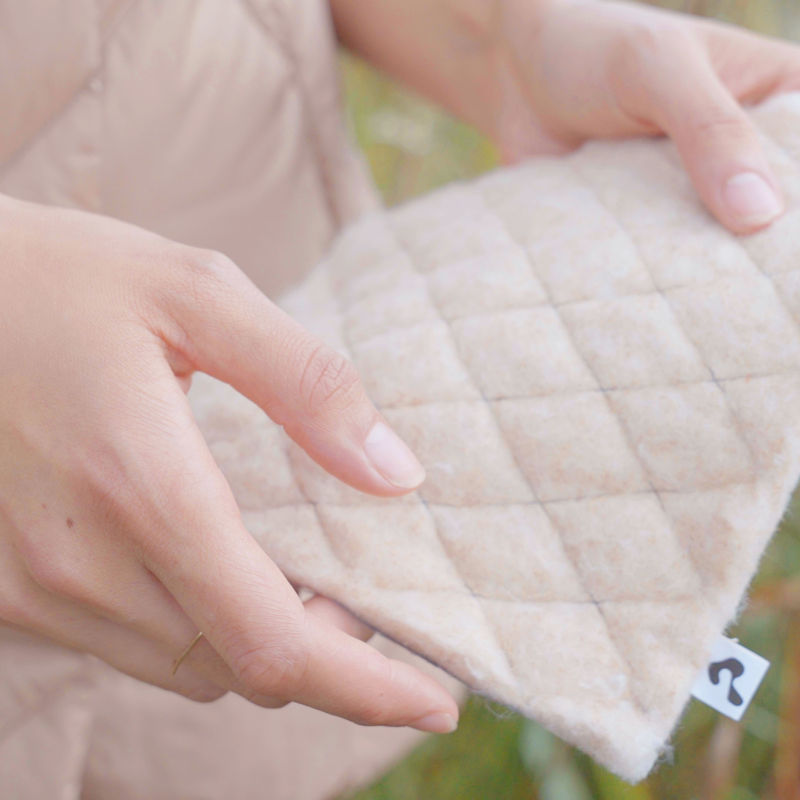
Typha was a natural choice for us due to its remarkable efficacy in wetland restoration. Our first product, BioPuff®, exemplifies this synergy between sustainable materials and environmental regeneration. Beyond providing warmth, BioPuff® actively contributes to enhancing biodiversity, capturing carbon, and fortifying the resilience of our industry. By significantly reducing reliance on conventional fillers, BioPuff® represents a leap forward in insulation technology. Its exceptional warmth, natural water repellency, and puffiness make it a great choice. Moreover, BioPuff® upholds ethical standards, being cruelty-free and fully traceable from plant to puffer. When compared to conventional materials, BioPuff® offers exceptional warmth, suitable for a wide range of temperatures, from chilly autumns to moderately cold winters.
Q. There is lots of clothing waste that could be recycled, and peatlands can be used for growing food – how would you justify the use of peatlands for clothing?
While textile recycling is a positive step in reducing waste, it’s insufficient to tackle our broader challenges. Issues like limited supply, quality concerns, and the environmental impact of recycling highlight the need for more comprehensive solutions. Regenerative practices such as paludiculture are crucial for advancing sustainability objectives.
When considering the use of peatlands for clothing production rather than food production, it’s essential to strike a balance that prioritises sustainability and resource efficiency. By repurposing peatlands for textiles, we can diversify land use, alleviating pressure on traditional agricultural areas and strengthening the resilience of food systems. Nevertheless, careful planning is essential to ensure that clothing production does not compromise food security or degrade vital ecosystems
Moreover, the cultivation of Typha Latifolia emerges as a key strategy for peatland restoration. Typha’s unique ability to absorb nutrients from water addresses growing concerns about water quality, making it an invaluable asset in ecosystem management. This sustainable solution not only sequesters carbon and supports biodiversity but also sustains farmers’ livelihoods through paludiculture practices.
Q. What are you wanting to achieve at the Royal Norfolk Show – if farmers are interested in growing typha what are the next steps?
The outcome of our exhibition aims to raise awareness about regenerative agriculture practices and their beneficial effects on modern farming. Through our exhibition, we strive to enlighten not just the public but also policymakers about the potential of regenerative methods in shaping the future of UK agriculture. Moreover, we aim to actively involve farmers, igniting their curiosity in Paludiculture techniques during the event. Our ultimate aim is to cultivate partnerships with interested farmers after the show, facilitating the exploration and adoption of Typha cultivation and other Paludiculture initiatives.
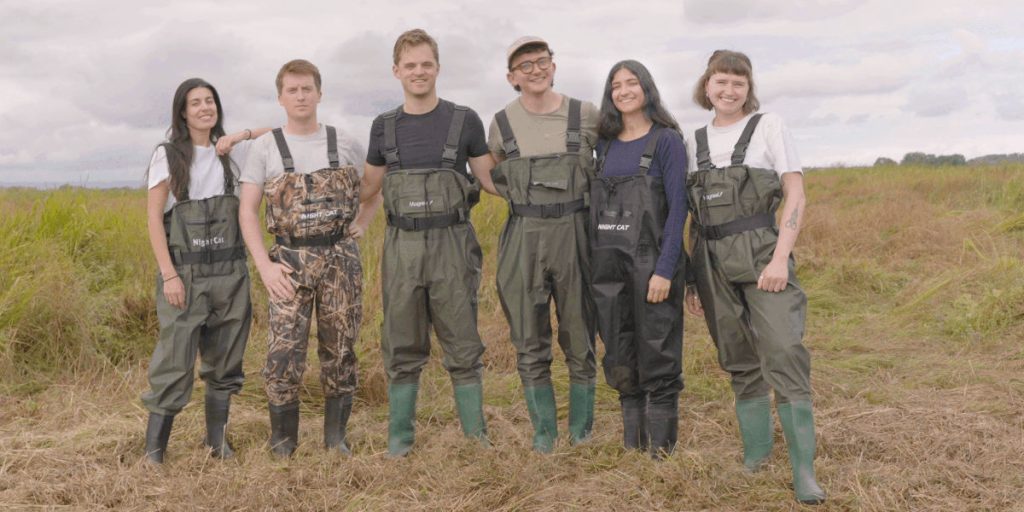
Ponda will be exhibiting in the Agri-TechE Innovation Hub at the Royal Norfolk Show 2024 on 26-27th June. The hub is sponsored by BBRO.
Post Overview
Agri-TechE Related Posts

We want to do business say the Dutch at REAP
Barenbrug has announced a ‘select release’ of its latest perennial ryegrass
Current challenges for a potato farmer
At the Oxford Farming Conference 2023: the role of rules

Cereals speakers stress urgency of sustainable intensification