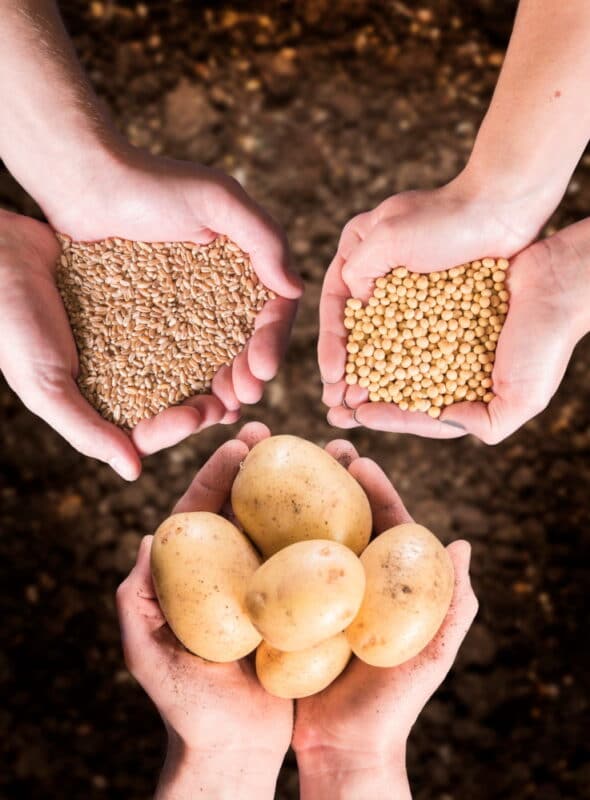
Plants protect themselves with self-destructing cells
 Agri-TechE
Some plants can protect themselves from attack by disease by setting molecular traps. Once the disease has been detected it is lured by a ‘bait’ and then the infected cell self-destructs to protect the rest of the plant.
The receptors are called Nucleotide-binding Leucine-Rich Repeat receptors (NLRs) and they are turning out to be highly informative about plant disease resistance.
Dr Ksenia Krasileva, Group Leader at The Genome Analysis Centre (TGAC) and Fellow at The Sainsbury Laboratory (TSL) in collaboration with her TSL colleagues, Professor Jonathan Jones and Dr Panagiotis Sarris, have surveyed immune genes across flowering plants to uncover the molecular ‘traps’ that plants use to detect pathogens.
The team scanned 40 available plant genome sequences including 19 crop species.
By examining NLR fusions that occur in multiple plant families, the scientists identified that some were prevalent across lineages. The fact that these fusions are common to the majority of surveyed flowering plants is an important discovery in combatting plant disease. The corresponding domains that have been integrated into NLR proteins during evolution likely reveal previously unsuspected targets of pathogen effectors.
Dr Ksenia Krasileva, Lead author of the study said: “Our method for detecting variations in immune receptors across flowering plants revealed exciting new genes that might be important for plant health. Our findings provide very rich information for scientists who are working to understand how plant immunity works. Similarly, plant breeders might be able to deploy our discoveries to improve sustainable production of each of the crops we analysed. We hope that the NLR-fusions we uncovered will provide clues to the host proteins targeted by pathogens and that this information can be deployed to discover new sources of disease resistance.”
Read more at TGAC
This research, entitled: “Comparative analysis of plant immune receptor architectures uncovers host proteins likely targeted by pathogens” is published in BMC Biology, Scientific paper’s DOI: 10.1186/s12915-016-0228-7
Post Overview
Agri-TechE Related Posts
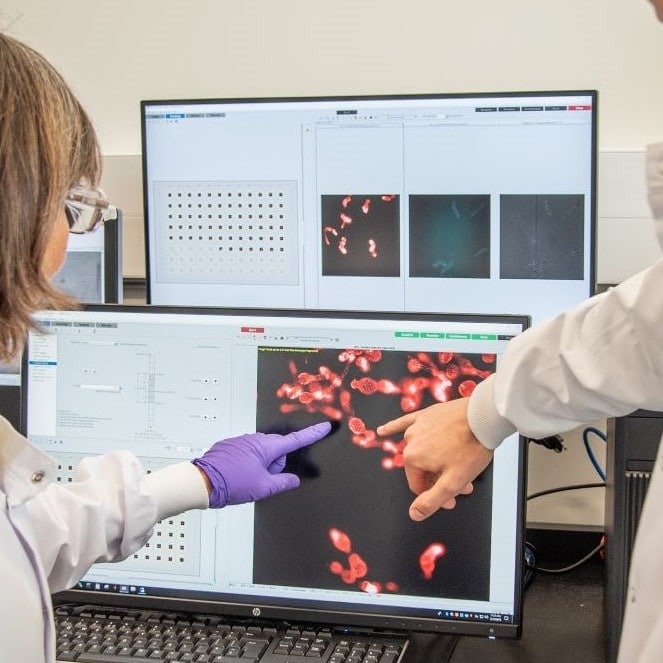
Is time up for blackgrass? MoA Techologies offers multifaceted attack on weeds

JIC announces it has found new target for herbicides
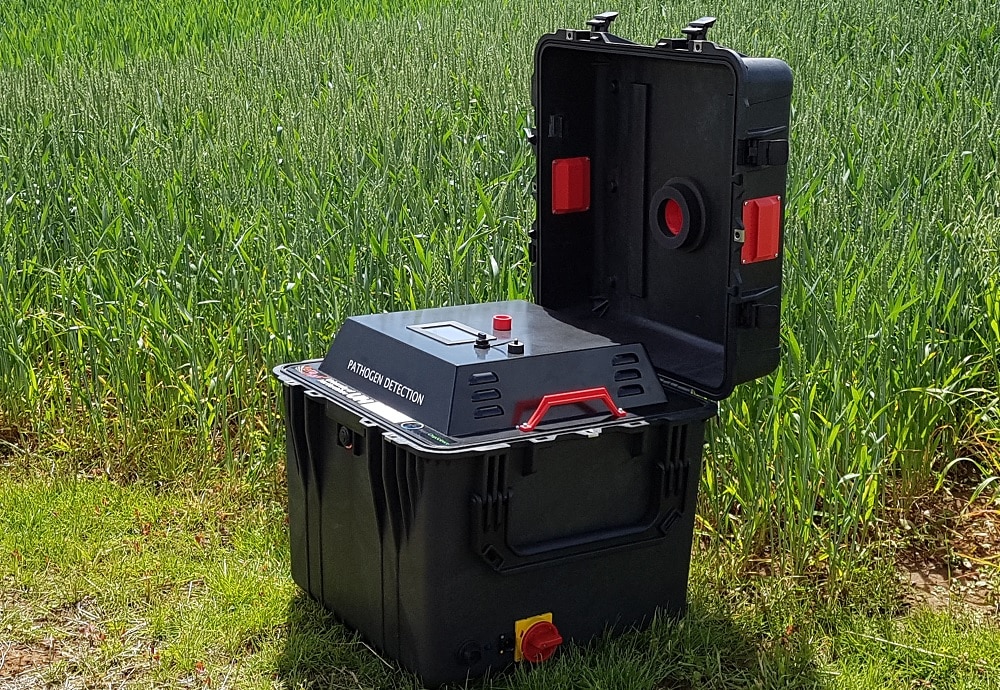
Revolutionary crop disease forecasting from fungal spore trap

Weed control focus for Agri-TechE Catalyst Round 3
Current Status & Control of Take-all Disease in Cereals