Move beyond the farm gate to demonstrate value for investors, says leading agri-health fund partner
 Agri-TechE
 By focusing on value generation through better, healthier food further along the value chain, beyond the farm gate, agri-tech developers can create a business model that is more attractive to investors and better able to deliver the returns they expect from other sectors.
This is the core principle behind Antony Yousefian’s thesis of agri-health as opposed to agri-tech, which pivots from ‘feeding the world’ to viewing food as preventative healthcare.
Antony is a General Partner at The First Thirty, an early-stage venture firm investing in agri-health technologies. He is speaking at an Agri-TechE event, Focus on Finance, on 17th September, dedicated to agri-tech and agri-food investment. Antony began his career in the capital markets, before senior roles at three different venture funded agri-tech start-ups, and completing the circle by joining The First Thirty.
“A question we have been trying to answer for the last six years at The First Thirty is ‘how do you do venture in this space, what does it look like?’,” says Antony. “The proven model for venture capital is The Power Law, but making 40 bets with the expectation that one comes off doesn’t work here.
“So we take a systems approach to portfolio construction. We back fewer companies, and we back them because they make each other more valuable. Each one has to win on its own. Together they should be worth more than the sum of them.
“We don’t really look for single feature point solutions; we look for companies that can perform the recursive learning flywheel to recommend an intervention and measure the outcomes on a farm.
“These kinds of businesses aren’t selling products off the shelf; they are verticalised, producing an outcome, the value of which can be shared.”
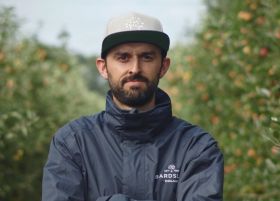

Antony believes there is a valuation dichotomy between the agri-food and pharma sectors, both of which provide preventive healthcare. By reorienting messaging and technology from food production to human health, there is an opportunity to capture a share of the market that has enabled Novo Nordisk and Eli Lilly to become two of the world’s most valuable pharmaceutical companies through the development of GLP-1 receptor agonists.
This approach is getting interest outside of the usual circles of investors in food and agriculture. “We have found that the health tech, biotech and longevity spaces are fertile ground for people to invest in agri-tech with our agri-health strategy,” he adds.
However, it means a more joined-up approach to new technology that moves away from siloed products and towards developing healthy food production systems, starting with soil health.
Developing technology on this scale has only recently become possible because of A.I.
“We have lots of converging technologies. Sensing costs have collapsed, as have genetics and computation costs. Things that cost start-ups millions and take years can be done in minutes using open source models.
“Now feels different to before. It’s a special time, which may now be the time for ag-tech.”
He sees investors as critical to developing a more joined up approach by investing in companies that can come together to create a system approach. This steers The First Thirty’s thinking as it builds its portfolio. It means they are more hands on with the companies they invest in, and it builds value across the portfolio.
“We are trying to be more thoughtful in our approach. Each business in our portfolio can win on its own, but it can create more value by working with others.
“Our responsibility as systems investors is to make that partnership happen. We are investing in founders that see the systems opportunity. They want to collaborate”
The focus on building value further up the chain means the emphasis shifts away from charging the farmer for the innovation.
“We have a red line that we won’t invest in a business that gains most of its income from the farmer.
“There is not enough value in primary production to generate a margin. You have to bring more value into the system or extract it from legacy businesses further away from the farm gate. In other words, it needs to come from the ends of the hourglass, where the value and industry concentration exists, either the input side or the offtake, processors through to retail”
In terms of realising a return for its investors. Antony says that The First Thirty still needs to meet the same 10-12 year timelines, but there are now more opportunities for its investors.
“It doesn’t have to be an IPO or M&A. I expect private equity to play a much bigger part going forward. The AI labs are already doing it, partnering with private equity to rebuild legacy businesses around an AI-first approach rather than selling them software.
“Our industry is full of legacy assets that need the same treatment, and that gives our companies a route out that didn’t exist five years ago.
“It also means our companies have an option most don’t. They can be bought individually, or three or four of them can go together as a system. That’s the founders’ decision, but it’s a route that only exists because we built the portfolio that way.”
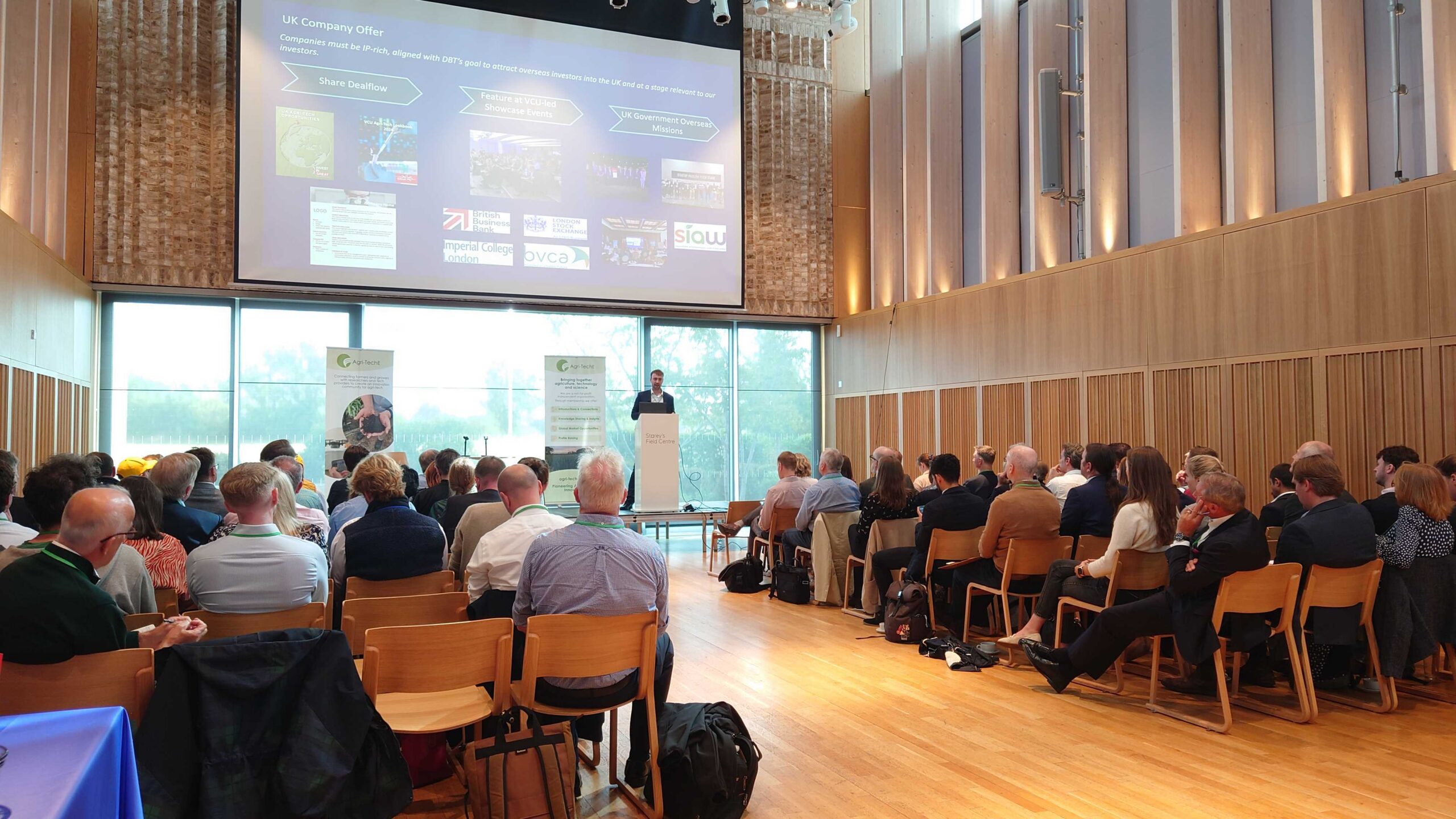
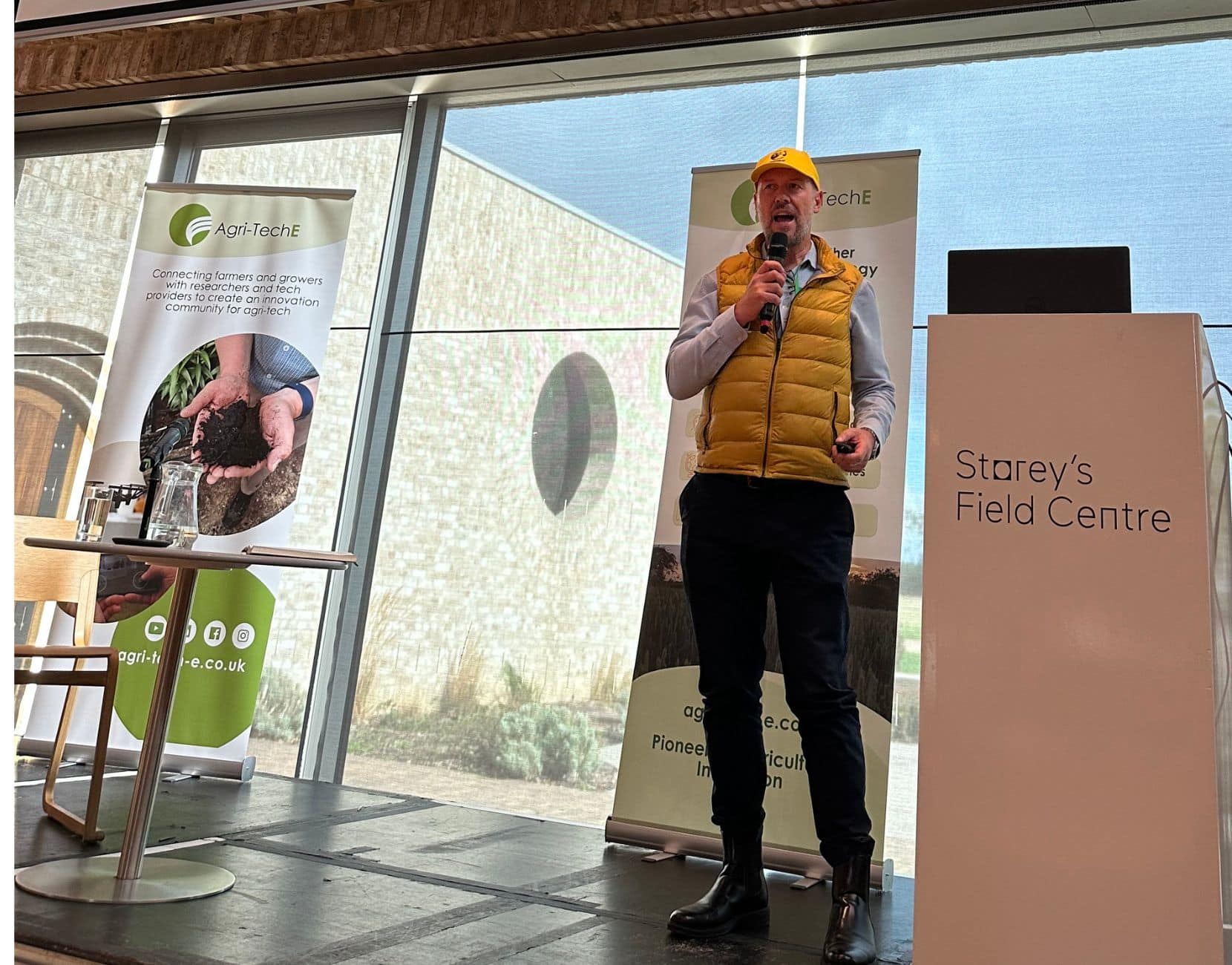
To listen to Antony Yousefian speak alongside other investment experts like Archie Mason, Founding Partner of Bramble Partners, and Chris Danks, Head of Agri-Food at Innovate UK, join for Focus on Finance on 17 September.
The day will also feature a live pitching session – 10 start-ups with different TRL readiness levels.
Post Overview
Agri-TechE Related Posts
Innovate UK Engineering Biology Contracts for Innovation online workshop

Building agricultural resilience through cross-sector innovation

Expression of Interest for pitching – Focus on Finance event 2026
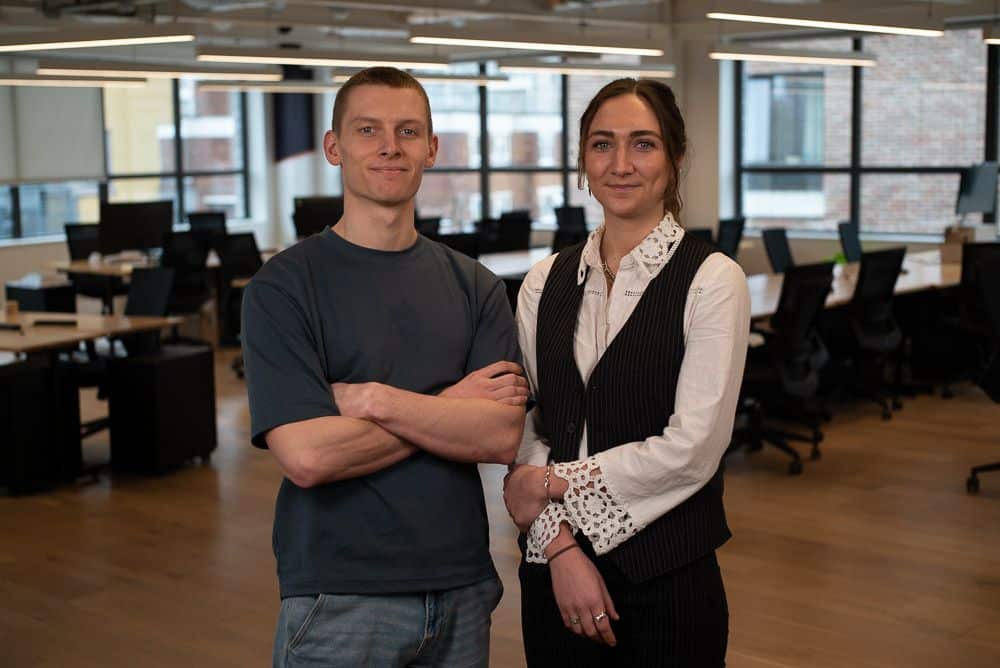
Biographica raises £7M for AI-driven crop design and expands partnerships across global seed industry
Norwich Research Park companies pass £100m investment milestone