New Phosphorus Stewardship Hub helps growers turn phosphorus limitations into action
 De Sangosse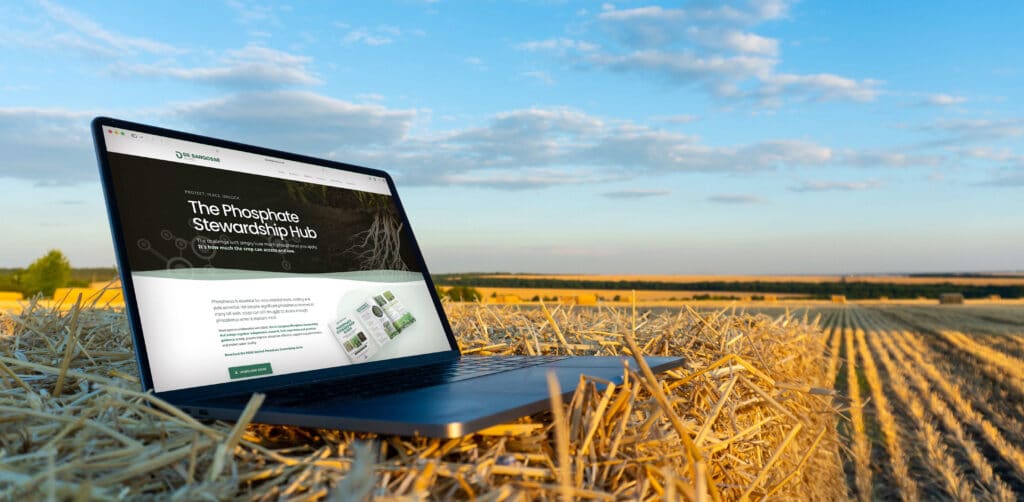
De Sangosse has launched a new Phosphate Stewardship Hub and Phosphate Clinic video series to help growers and agronomists better understand what may be limiting crop phosphorus uptake – and what they can do about it.
Developed following the launch of the De Sangosse Phosphate Stewardship Guide in collaboration with ADAS, the new online hub takes growers through a practical, step-by-step approach to phosphorus management.
At its heart is a simple principle:
It’s not how much phosphorus you apply. It’s how much the crop can access and use.
Many UK soils contain significant phosphorus reserves, yet crops can still struggle to access enough phosphorus when they need it.
The new hub explores why, bringing together information on crop uptake, grain analysis, soil phosphorus status, root access, phosphorus availability and existing soil reserves.
 #
#
From harvest to stewardship
The hub takes growers through five stages:
- Review the harvested crop
Understand what the previous crop captured using harvest performance, grain analysis and phosphorus offtake. - Understand the limitation
Explore how access, availability and existing soil reserves influence phosphorus uptake. - Diagnose the problem
Bring together soil analysis, grain analysis, root assessments, establishment and field observations to identify potential limitations. - Build a strategy
Use the Protect • Place • Unlock framework to match the stewardship approach to the limitation. - Complete the journey
Consider how improved phosphorus efficiency supports both crop performance and water quality.
Dr Christina Baxter, Senior Research Scientist at ADAS, says harvest provides a particularly useful opportunity to assess what has happened during the season
“The harvested crop is effectively the report card for the season.
“Grain analysis, combined with yield information, can be used to calculate actual phosphorus offtake and provide greater insight into how effectively the crop has captured phosphorus.”
ADAS Yield Enhancement Network data has demonstrated considerable variation in grain phosphorus concentrations and crop phosphorus offtake, including between crops grown at similar soil phosphorus indices.
This highlights why soil P status should not be considered in isolation.
Introducing the Phosphate Clinic
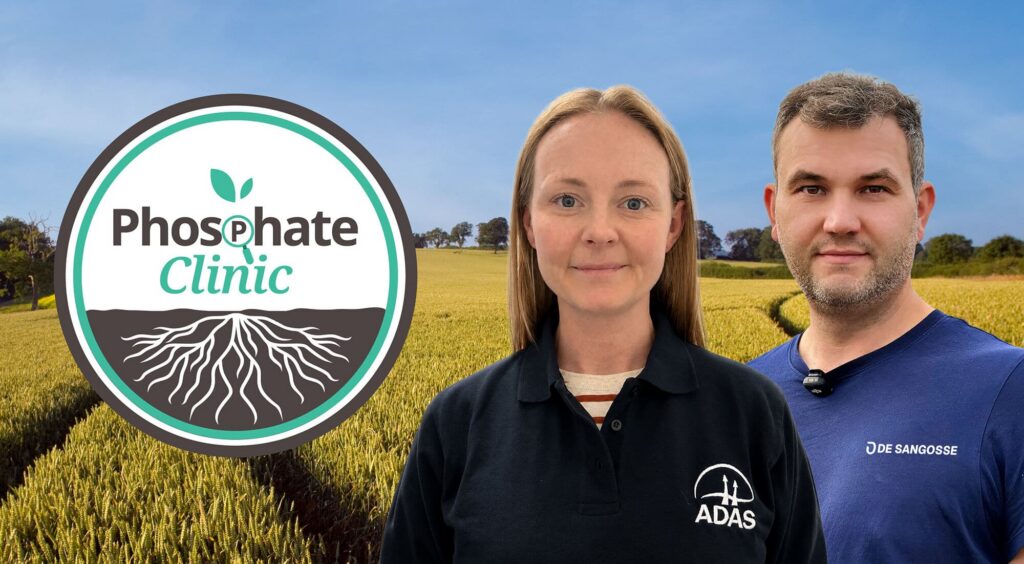
Supporting each stage of the hub is the new Phosphate Clinic, a series of short videos featuring Dr Baxter and De Sangosse Commercial Technical Manager Rob Suckling.
The pair explore practical questions including what harvest can reveal about phosphorus uptake, why crops may struggle to access phosphorus, how to diagnose potential limitations and how different stewardship approaches can be used.
Mr Suckling says the objective is to help growers turn phosphorus science into practical decisions.
“Rather than starting with what to apply, we want growers and agronomists to start by asking what is limiting phosphorus uptake.
“Once you understand whether the challenge relates to access, availability or utilisation of existing soil reserves, you can make a much more informed decision about what needs to change.”
The hub brings these decisions together through three stewardship principles:
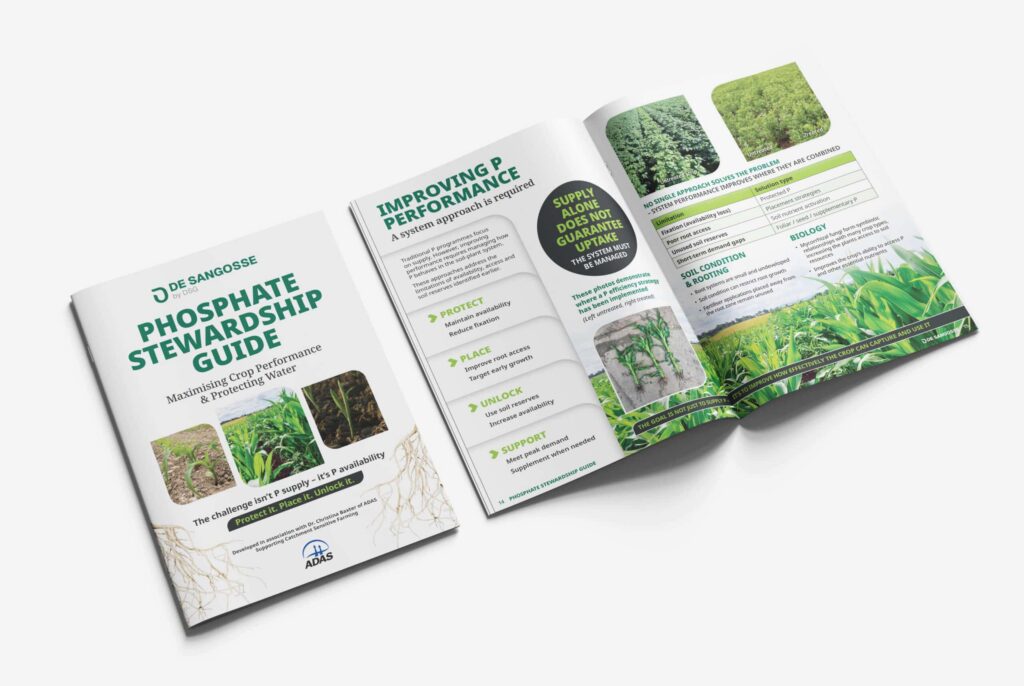
PROTECT – Maintain availability of phosphate inputs
PLACE – Improve root access to phosphate fertilisers
UNLOCK – Utilise existing soil reserves
The final stage considers the wider stewardship benefits of improving phosphorus capture, including better nutrient use efficiency, greater return from phosphorus investment and reduced risk of phosphorus loss to water.
The Phosphate Stewardship Hub, Phosphate Clinic and downloadable ADAS-backed Phosphate Stewardship Guideare available now from De Sangosse.
Visit the Phosphate Stewardship Hub:
https://www.desangosse.co.uk/solutions/phosphate-stewardship-hub/

- *I have permission from the copyright holder to publish this content and images.
Related Posts
Naturally occurring soil fungi could boost rice yields while reducing reliance on synthetic fertilisers
Every Kilogram Counts – Why Soil Testing Is Now a Financial Decision
CASE STUDY: Development of a Handheld Soil Health Measurement Device
Turning Data into Decisions – Refining Nitrogen Use in Salad Production
New hyperspectral satellite imagery crucial for lowering nitrogen use amid rising fertiliser costs