
First-Cut Silage Strategy: Why Patience Pays Off
 Barenbrug UK Ltd
Think back to the start of Spring in 2024. Water, water, everywhere – and in many cases nary a blade of grass even breaking the surface.
That was the legacy of the wettest 18-month period ever recorded in England. Didn’t we pay for it, with a year for cautious, opportunistic cuts that often fell far short of expectations, both on quality and quantity. Our message was ‘Go Softly’, striking a balance between the two necessities: conserving feed, and conserving swards.
That made 2024 something of a year best forgotten. If you didn’t yourself run short of feed, I’ll bet you know someone who did.
Yet with all that water now seeming a distant memory, coupled with the driest March for more than 60 years in 2025, it’s been very tempting to pursue not only an early turn-out to arrest the headache of low feed stocks, but to size-up an early first cut too.
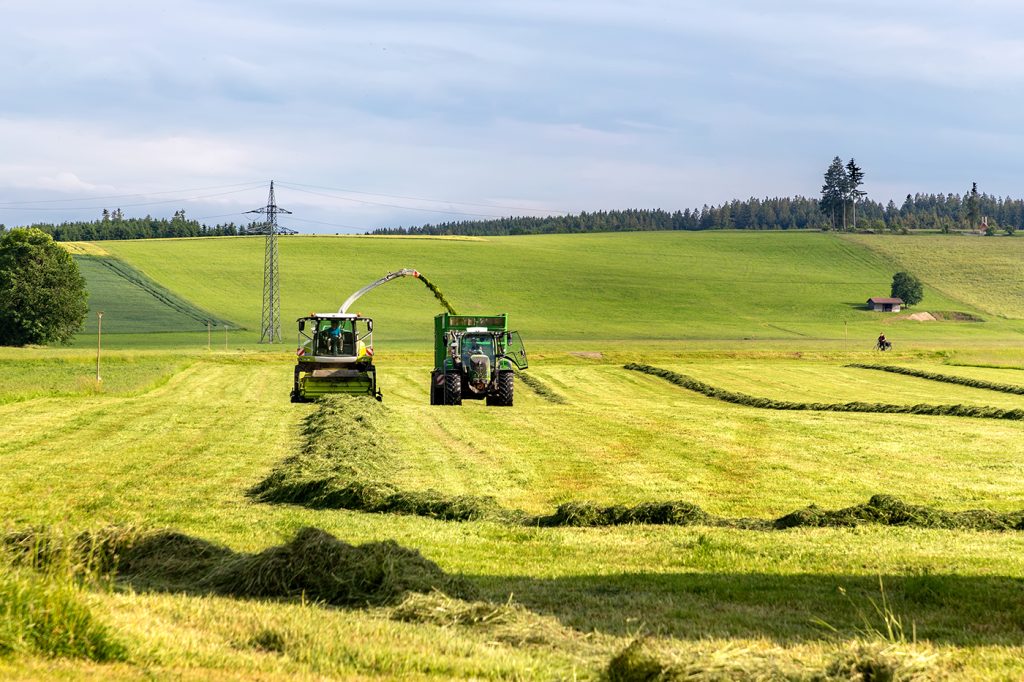
Avoid the ‘Kid in a Candy Store’ Mistake
Those who follow my writings (Janet Montgomery – Barenbrug UK’s Agriculture Product Manager), might sense there’s a ‘but’ coming. You’d be right. I wouldn’t dissuade anyone from taking advantage of the current situation – in farming, we have to work with what we’re given and now is a perfect opportunity to start replenishing those lost stocks
But – and here it is – don’t act like the proverbial kid in a sweetshop, wide-eyed with wonder at the rich pickings. By all means take that early first cut, just exercise extreme caution.
High stakes
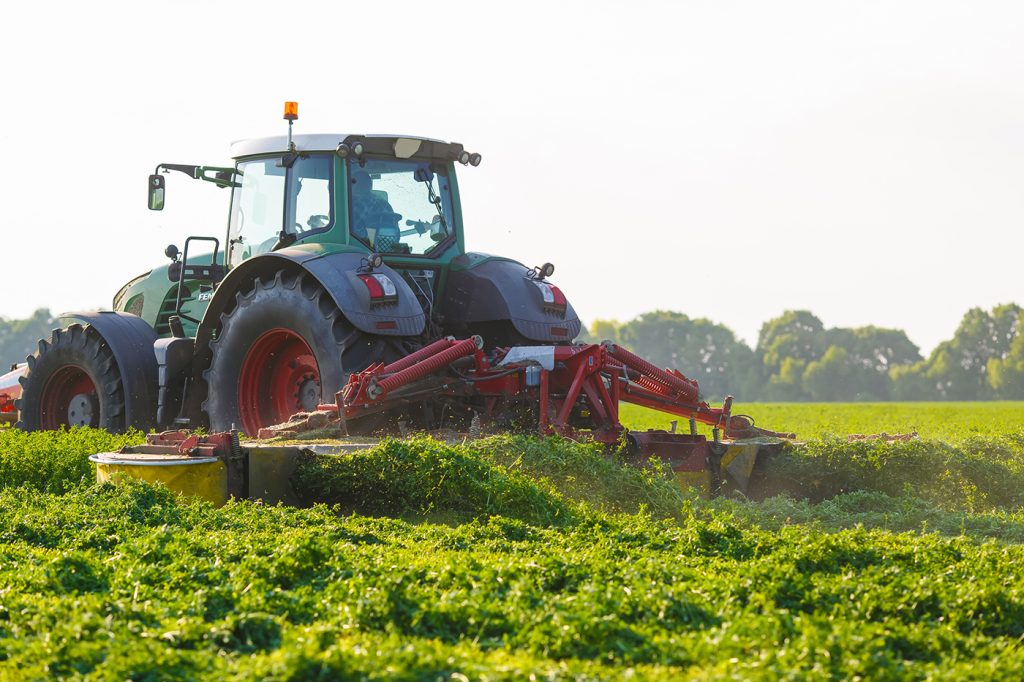
As the saying goes, the first cut is the deepest. Except in silage. Of all the cuts you’ll take this season, the stakes are the highest for the first. So don’t try to squeeze out extra yield ‘just in case’. Instead, hold back ‘just in case’.
Taking too much from the sward now could ruin the good growth for the rest of the season. By asking the sward for an extra 5% now, you could be paying a yield penalty far in excess of that by the time of the second cut, because there won’t have been sufficient time for it to recover biomass. You’re robbing the second cut of its potential.
Daughter tiller timing
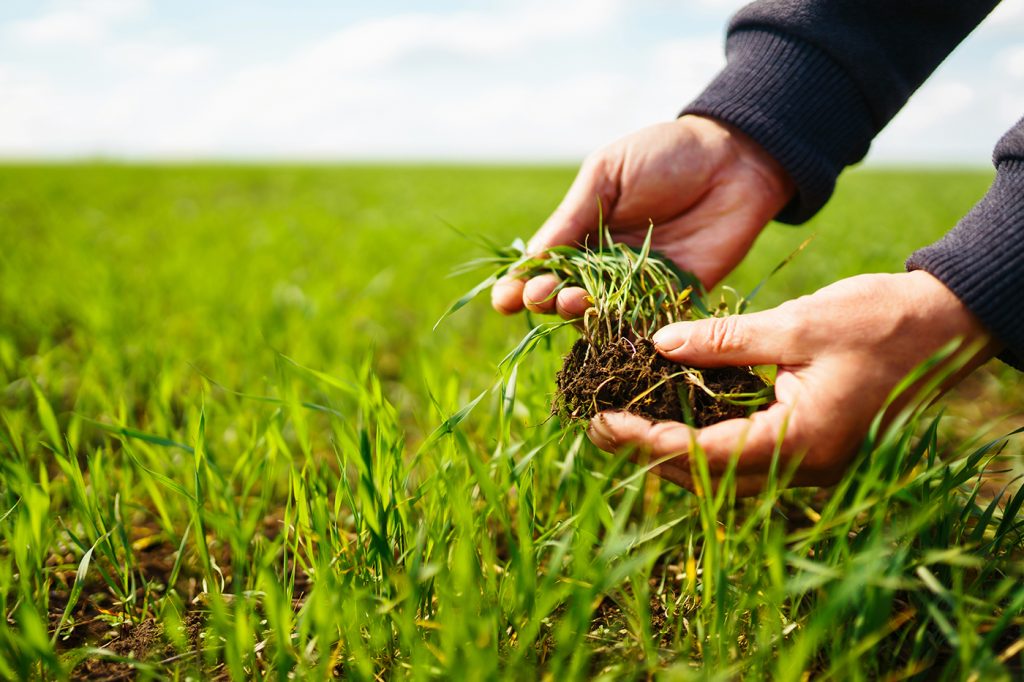
We’ve talked about daughter tillers before, in our 3 Leaf Theory article. Each ryegrass plant can produce up to 3 such tillers: it’s the mechanism by which ryegrass vegetatively reproduces, and how sward density increases.
Daughter tillers are essential for sward resilience, boosting sward health and persistence, and preventing weed invasion. However, make that first cut too low and you’re putting the production of those daughter tillers at risk.
Soil Contamination
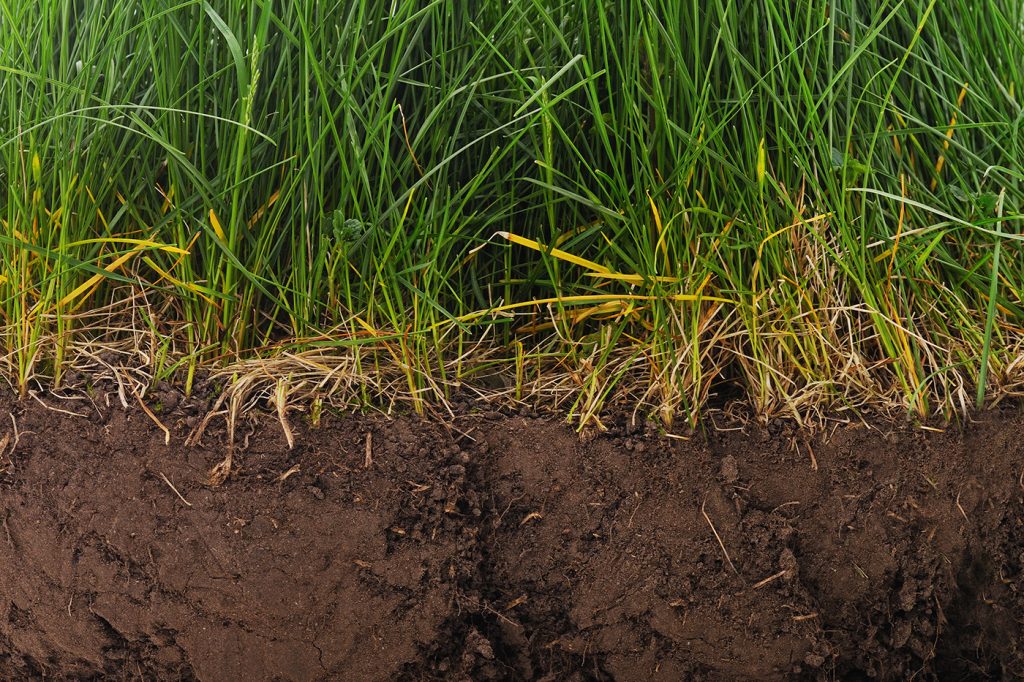
I hardly need add this, as everyone knows the risks inherent from soil contamination of silage. Nevertheless, some fields may still harbour damage – wheelings or uneven areas from poaching – from that wet weather of 2023-2024. Check out the fields and keep cutting and raking heights sufficient to avoid soil contact.
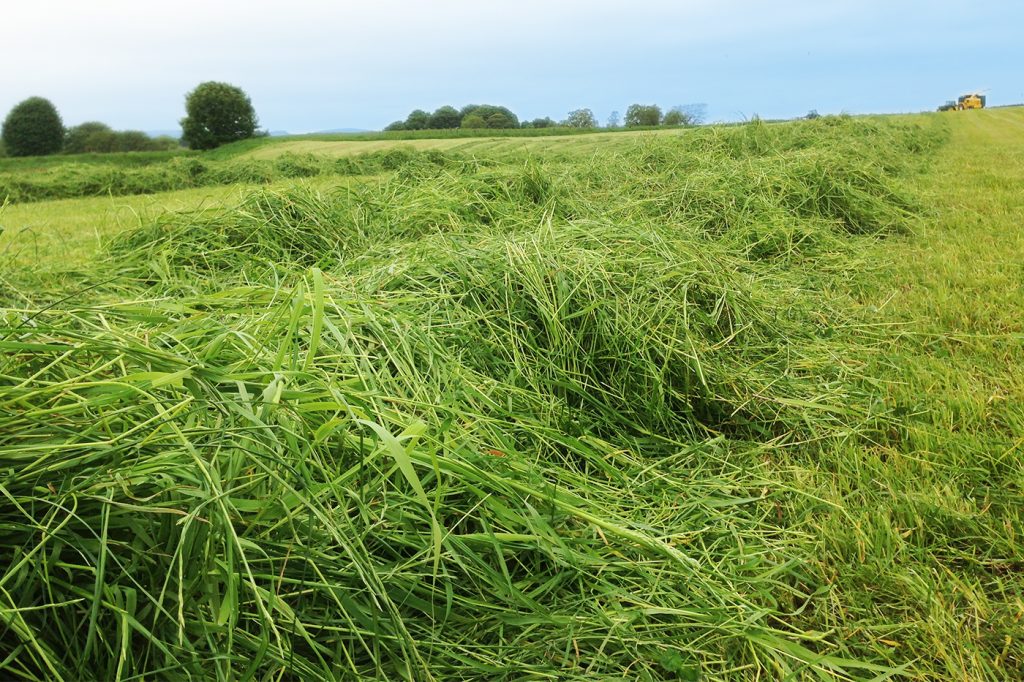
‘Just in case’
We never know what’s around the corner. That’s why this first cut is so strategically important. Because whether that ‘just in case’ is the wettest summer this century or a repeat of 2023’s dry spell, you’ll be thankful that by leaving a healthy residual, you’ve endowed your swards with the best gift of all: resilience.
- *I have permission from the copyright holder to publish this content and images.
Related Posts
Drones to go beyond visual line of sight

NatureMetrics quantifying the richness of biodiversity with eDNA
Is regenerative farming the way to Net Zero?
In Conversation With: Henry Grover, Videographer of Ponda’s latest short film

Four-way collaboration leads to nature recovery at Wendling Beck
