ATW 2025: Harnessing Nature – Exploring Carbon Removal Solutions
 Rothamsted Research
Agri-TechE Week 2025 celebrates its 12th year! Our largest yet, featuring 11 events curated by Agri-TechE and hosted by our incredible member community, followed by the REAP Conference on 4th November. This week exemplifies innovation, collaboration, and forward-thinking in agri-tech.
Each event reflects the strength of our ecosystem, showcasing what our community can achieve and bringing together our growers, researchers, and technology developers. A big thank you to our members for hosting – we wouldn’t have an agri-tech week without you and we are very proud to have your membership.
Held at Rothamsted Research and led by Georgia Mitrousia, Harnessing Nature: Exploring Carbon Removal Solutions brought together researchers, innovators, and industry stakeholders to explore cutting-edge nature-based approaches for carbon removal and agricultural climate resilience. The event showcased the latest developments in soil carbon science, enhanced weathering technologies, and data-driven land management.
- *I have permission from the copyright holder to publish this content and images.
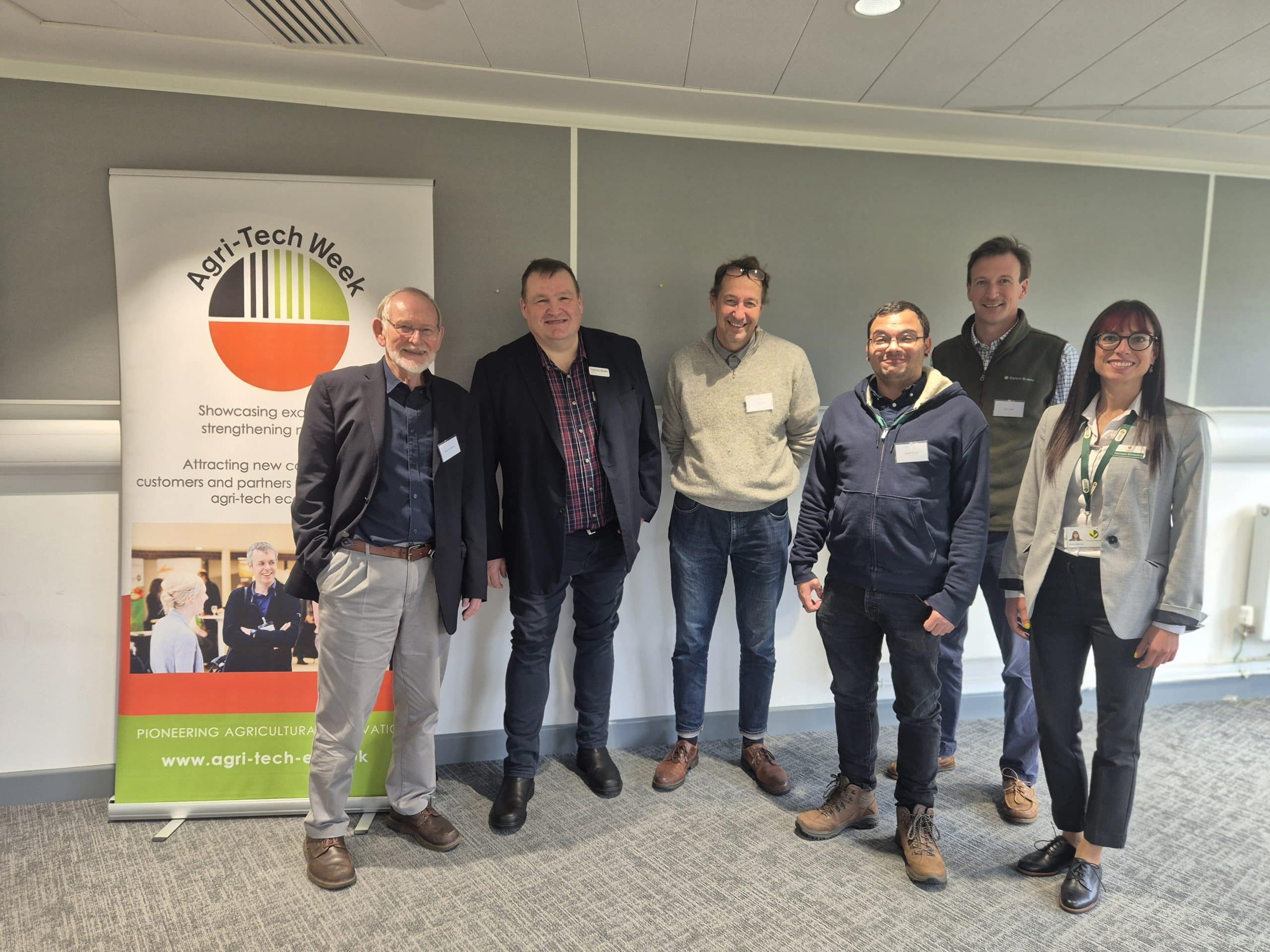
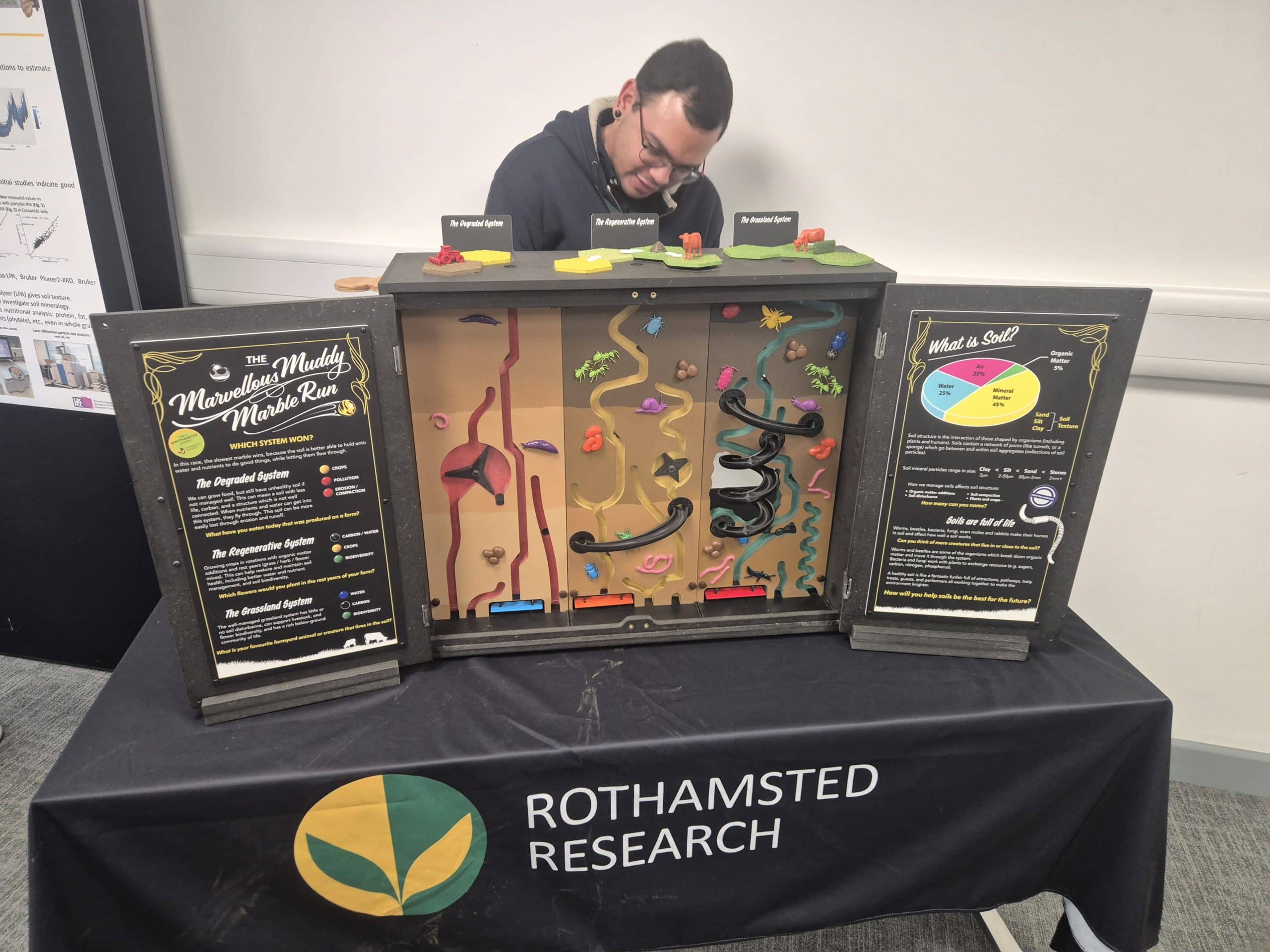
Tim Field of Carbon Quester opened the seminar session with insights from the Soil Carbon Measurement and Mapping Project, which aims to benchmark soil carbon across 21 soil types using combined wet chemistry and handheld spectral analysis for cost-effective field measurements. He also announced partnerships with Network Rail to explore carbon storage opportunities on railway land, alongside a multi-source financing model engaging utilities and infrastructure investors to support long-term sequestration initiatives.
Professor David Powlson followed with a keynote on Managing Soil Carbon for Sustainability and Climate, emphasizing that while soils hold substantial carbon, their sequestration potential remains limited—offsetting only around 1.5% of annual global emissions. He stressed that soil carbon should complement, not replace, priorities in sustainable food production, with improved nitrogen use efficiency offering faster climate benefits.
Dr Stephan Haefele presented promising findings from enhanced rock weathering trials applying silicate rock dust at 2 tonnes per hectare. Early results indicate potential for both CO₂ capture and improved soil chemistry, suggesting a scalable nature-based removal pathway.
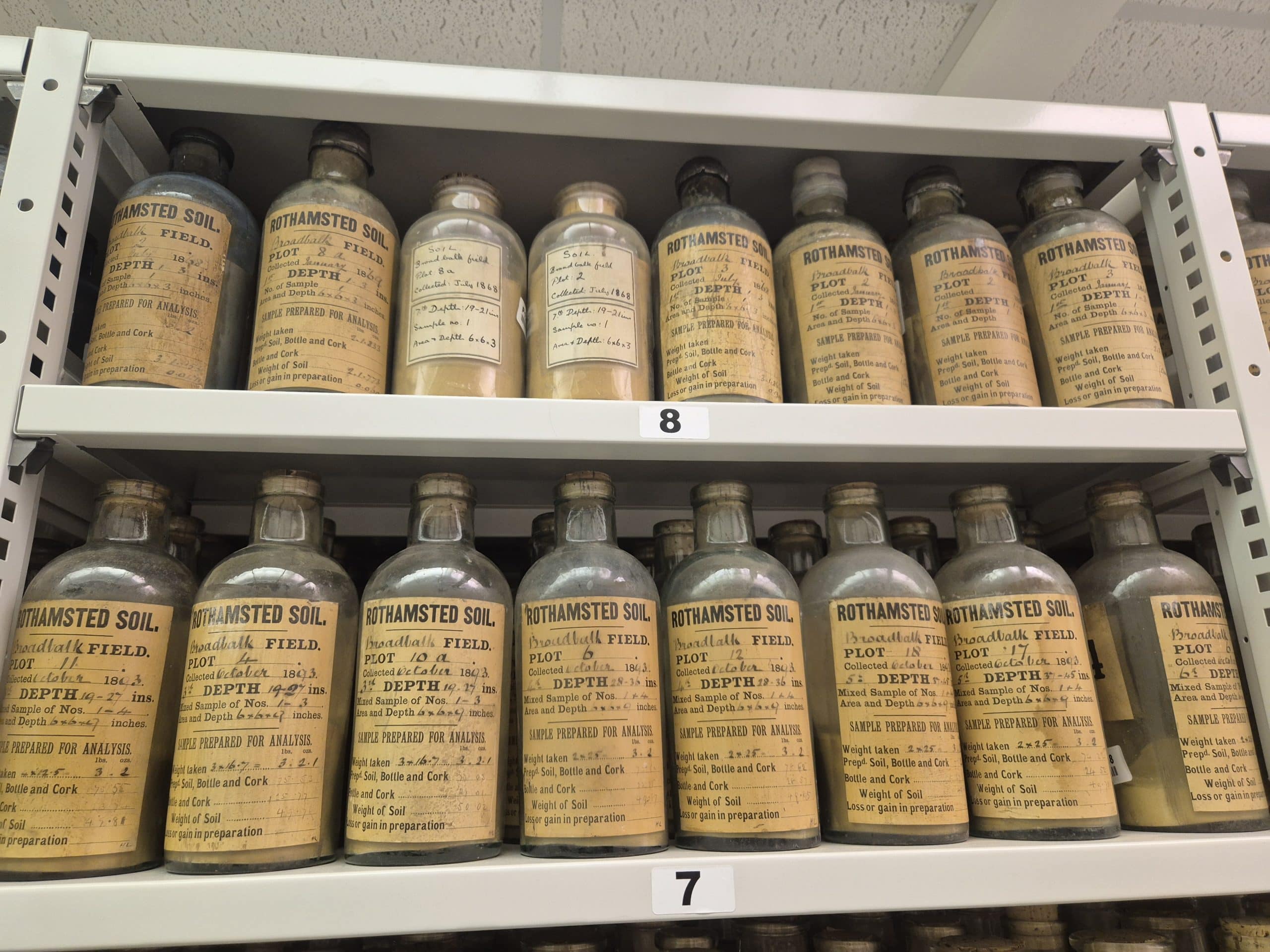
Finally, Dr Jonah Prout demonstrated the Rothamsted Carbon Model, built on 180 years of Broadbalk experiment data, which helps predict long-term soil carbon dynamics and guide realistic sequestration planning.
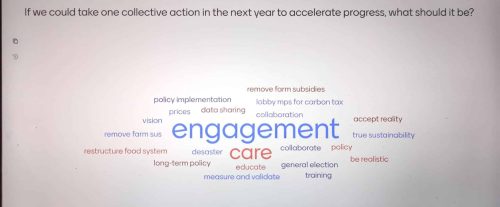
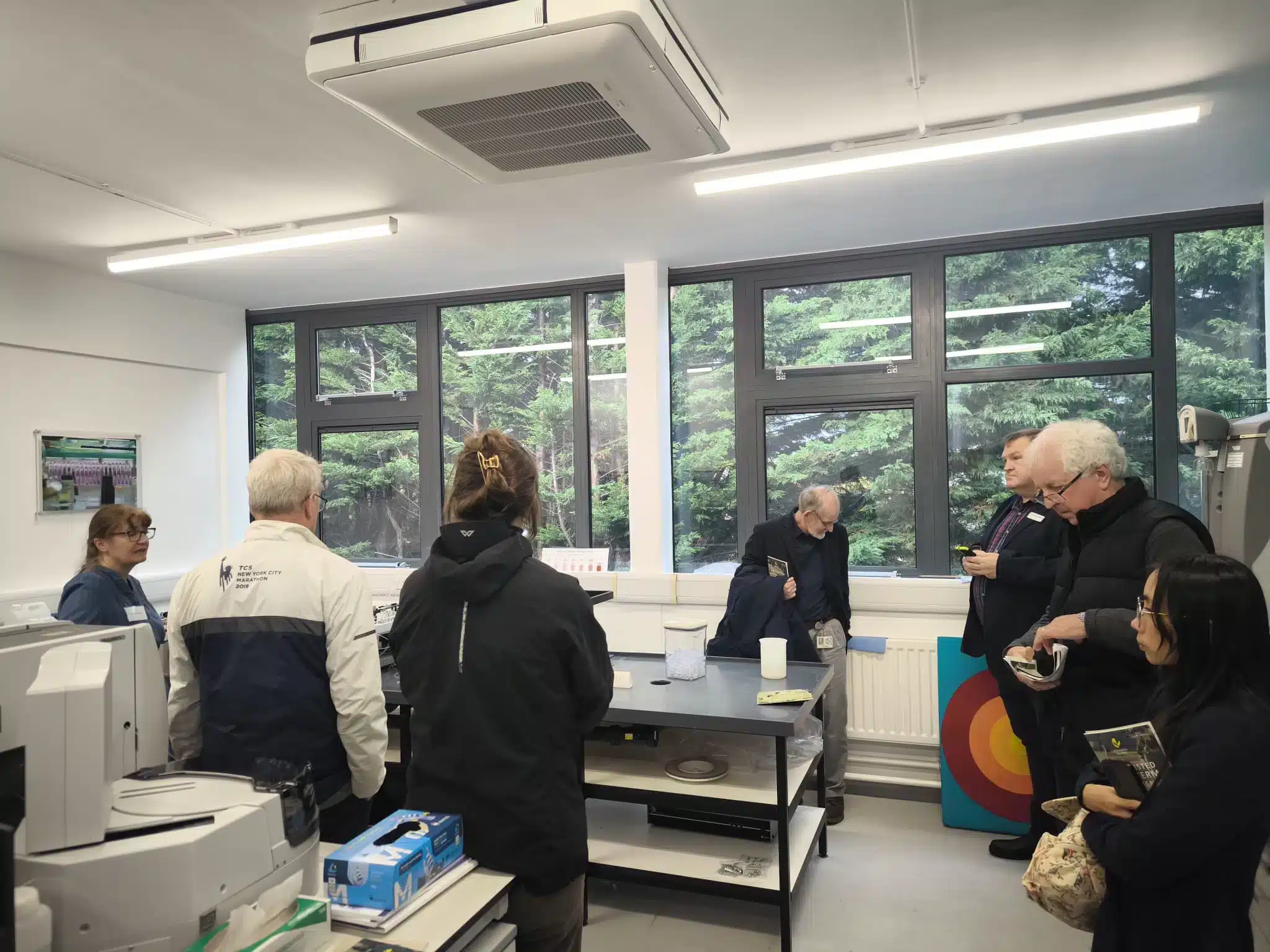
The event concluded with collaborative discussions and networking, underscoring the importance of integrating science, technology, and finance to advance scalable, nature-based carbon solutions. The event closed with side visits to the Sample Archive, the CT-Scanner and the Analytical Chemistry lab.
Related Posts
ATW 2025: When Biology Meets Technology – University of Essex
ATW 2025: A Tour of Agrii’s Flagship Throws Farm Technology Centre
ATW 2025: The National Food Strategy – the role of agri-tech in strengthening the UK’s food system
ATW 2025: Pioneer Gene-Editing in Agriculture
ATW 2025: How can Agriculture Decarbonise the Supply Chain?