Verdesian Europe and Africa: Circular Economy
 Verdesian Europe & Africa
What Is A Circular Economy?
How many natural resources do we have left on this planet? Do we want to take resources, consume them and then dispose of them? Given the challenges of climate change, pollution and waste, a circular economy aims to reduce the usage of finite resources and wastes.
A circular economy is based on three basic principles:
1. Design Out Waste & Pollution
2. Keep Products & Materials In Use
3. Regenerate Natural Systems
In contrast to a linear economy which takes natural resources and turns them into consumable products then disposes of the waste, a circular economy will recycle, reuse and remanufacture with the aim of reducing waste by limiting the use of natural resources.
Why Use A Circular Economy?
The obvious benefits are a reduction of wastes and conservation of natural resources but also this can directly benefit businesses, the environment and society in general.
In a circular economy, the value of products and materials is maintained for as long as possible, while waste and resource use are minimised.
A product produced from a circular economy will have minimal need for natural resources and are designed to be efficient and environmentally friendly.
Back in 2014, the circularity rate of materials in the EU was 3.6%.In 2019, this figure jumped up to 11.8%. As can be clearly seen from this trend, the propensity of the EU is to adopt a circular economy going forward to allow for a greener environment.
How does the circular economy work in farming?
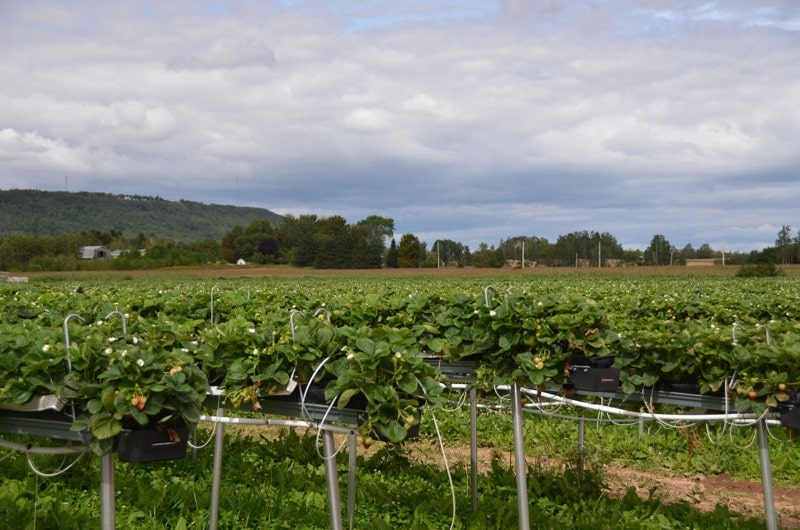
Many industries are already adopting a circular economy and one of these industries is the agricultural sector.
The aim of a circular economy within agriculture, just like in other industries, is to minimise external inputs for the production of food and reduce the impact on the environment.
This helps increase economic and ecological efficiency.
Advantages of a Circular Economy
Perhaps one of the most useful aspects of a circular economy in agriculture is upcycling or reusing by-products which in a linear economy would be discarded as waste.
In fact, a circular economy has already existed in some form since antiquity, as animal waste from livestocks is re-used or processed into fertiliser. Biomass digesters are also using low value organic matter from plants or animals and upcycling to produce a source of energy plus fertliser.
Regenerating Natural Systems
With the amount of pollution and food wastage going on around the world, adopting a circular economy within the agricultural industry is imperative, as we continue to minimise wastage and reduce the impact on the environment.
Verdesian is one of the world’s leading companies in producing products that help develop a sustainable economy. Verdesian is developing a new range of products to help support the circular economy, through the upcycling of marine resources and by-products normally discarded as waste.
More information and results on this new range of Circular Economy products will be shared from the Verdesian Research and development team in the coming months.
Subscribe to our newsletter to ensure you can keep up to date with our advances.
Resources
Related Posts
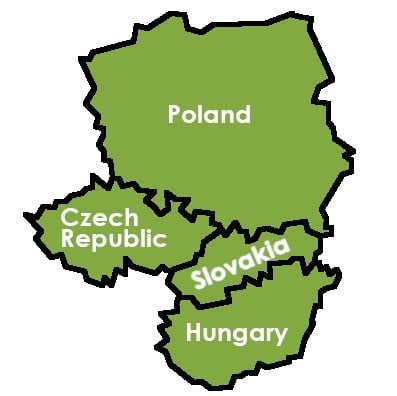
V-4 food producers look to UK to increase productivity through agri-tech
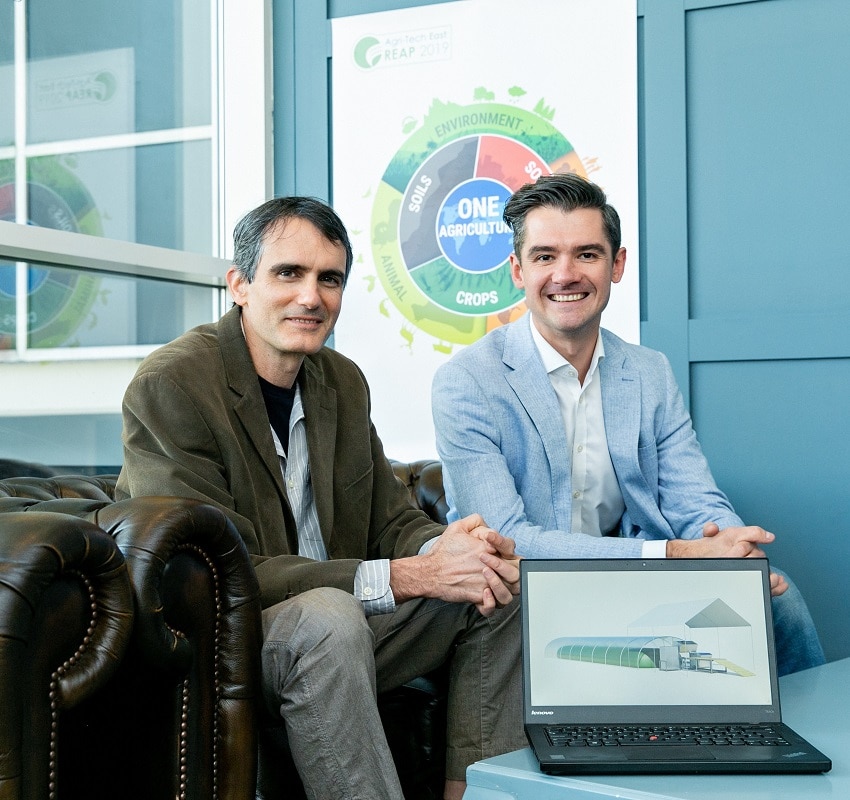
EcoNomad’s ‘waste to energy’ solution accessible for smallholders
NRI to lead new Food Systems Centre for Doctoral Training

Controlled Environments & support for Far East expansion at REAP 2021

Agri-TechE named UK ‘Ecosystem Partner’ for Global HARVEST AgTech Platform