CHAP: Shaping the Future of Sustainable, Healthy and Nutritious Food
 UK Agri-Tech Centre Ltd
Sustainable Farming Techniques
Sustainable agriculture focuses on practices designed to maintain the productivity and health of the land over time. Techniques such as crop rotation, cover cropping, and reduced tillage not only conserve soil health but also influence the nutritional content of food. These practices, by promoting biodiversity and soil fertility, can lead to crops that are potentially richer in nutrients. Crop Health and Protection (CHAP- one of the three Agri-TechE Centres) is committed to sustainable practices that enhance food nutritional quality while minimising environmental impact, and advocates for advances in integrated pest management as well as precision agriculture with projects like SprayBot and SLIMERS.
The Role of Plant-based Proteins
Plant-based diets are not only associated with lower environmental impact but also with improved health outcomes and lower environmental footprints. Foods like legumes, nuts, and whole grains are staples of a plant-based diet and are rich sources of fibre, vitamins, and minerals. By supporting the production of sustainable plant-based proteins, projects including Sustainable Lupins and Sustainable Legumes are contributing to a food system that supports both the planet’s health and our own. Achieving sustainable plant-based proteins within the UK’s production systems is a key part of CHAP’s portfolio of work, highlighting the important role of innovation and collaborative R&D in advancing the alternative protein sector for improved sustainability and productivity.
Nutrient Circularity in Agriculture
Another area of interest which the Agri-TechE Centres have been exploring as part of their New Innovations programme is nutrient circularity. Taking a controlled environment agriculture (CEA) and total controlled environment agriculture (TCEA) approach, there is potential for agricultural practices to produce crops with enhanced nutritional profiles in an environmentally conscious way and can lead to enhanced nutrient profiles in the food produced. Aeroponics increase a plants access to oxygen and nutrients, and CHAP’s collaboration with LettUs Grow on the Advanced Aeroponics project demonstrates how we can integrate tech into improving farming practices both in theory and on a commercial level
The Soil Microbiome’s Impact on Nutrition
The health of the soil microbiome is crucial for sustainable agriculture and can have an impact on the nutritional quality of crops. A diverse and healthy soil microbiome can improve plant growth, increase nutrient uptake, and enhance the nutritional content of crops. Research into the soil microbiome and its role in sustainable agriculture underscores the importance of maintaining soil health for the production of nutritious food.
Join the Conversation
Innovation Sector Lead and alternative protein specialist Dr Réka Haraszi will be discussing the need for a varied sources of protein in the food supply chain, under-utilised crops and inviting delegates from across the sector to join the conversation at the Plant Protein Connect event in Sheffield on 12 March 2024. The event will focus on eliminating the barriers of collaboration within the plant-based protein sector in the UK.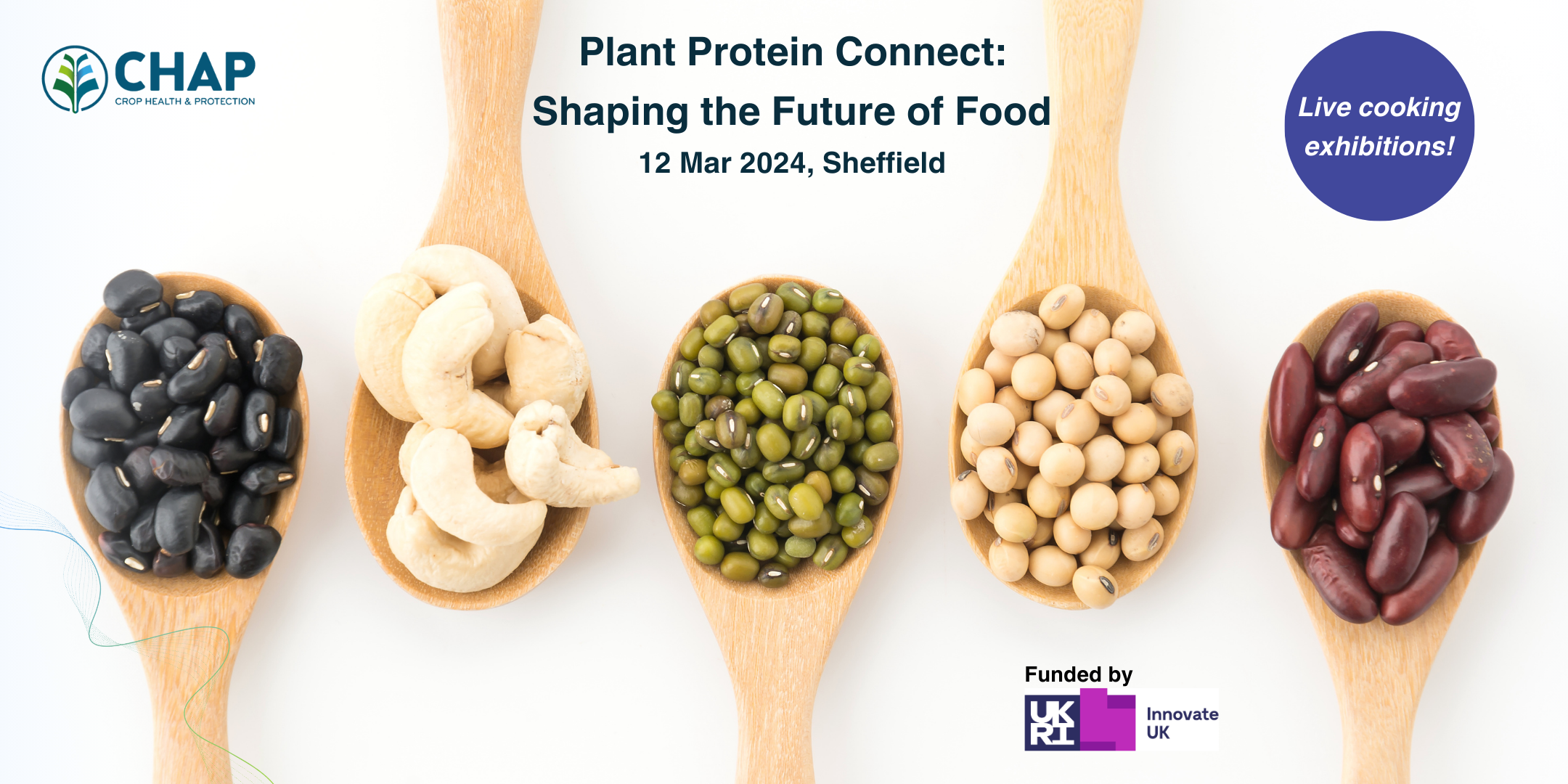
Related Posts
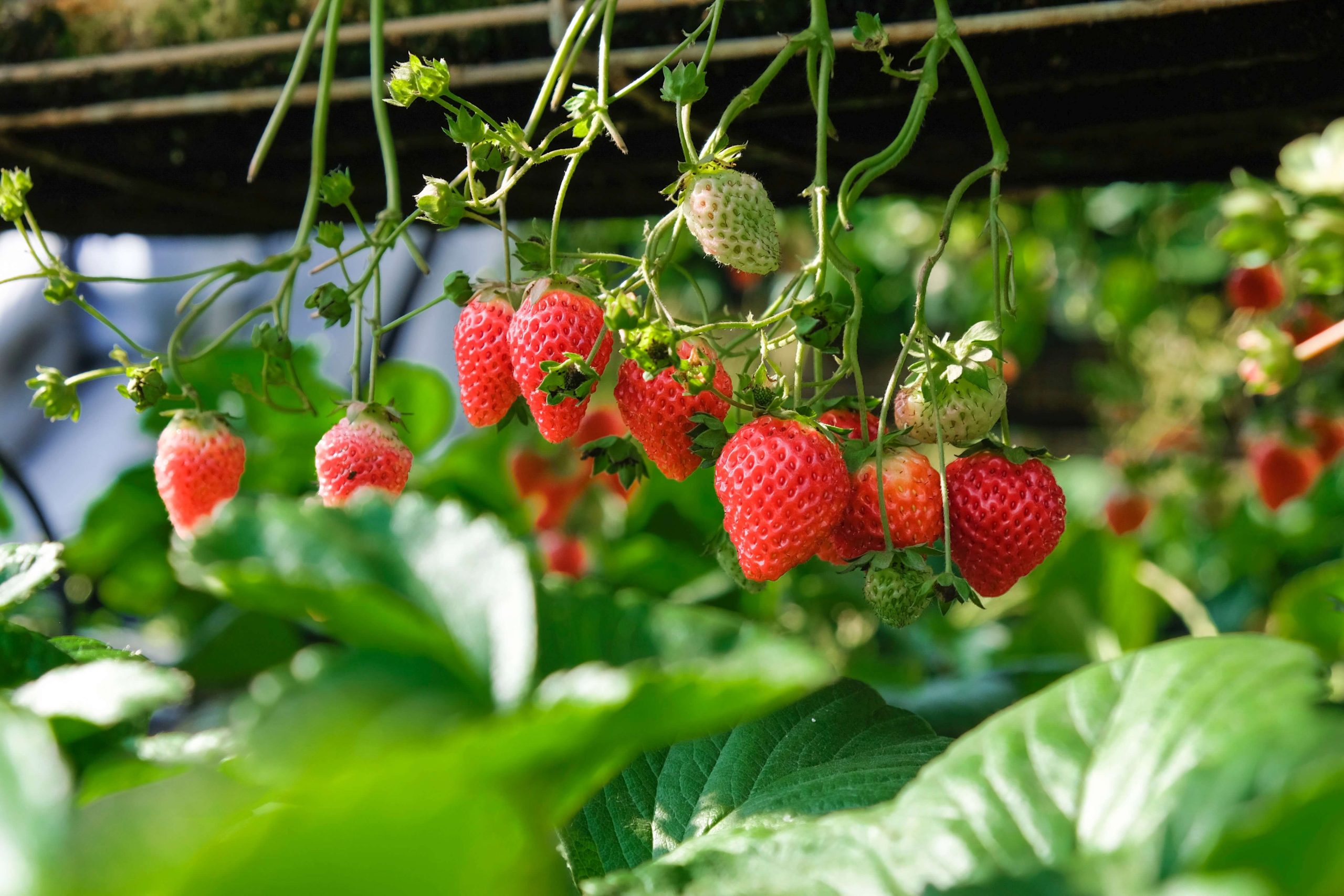
LED lighting boosts strawberry propagation

Earlham Institute is supporting aquaculture with new genomic resources

60 Harvests Left: Debunking the Myth – Daniel Evans
Building resilience to risk in the stretch zone

Burying carbon in soil won’t halt climate change