ATW 2024: Growing Expertise – Bridging the Skills Gap Through Research & Innovation
 Innovation Agritech Group
Agri-TechE Week 2024 celebrates its 11th year – our largest yet, featuring nine events curated by Agri-TechE and hosted by our incredible member community. This week exemplifies innovation, collaboration, and forward-thinking in agri-tech.
Each event reflects the strength of our ecosystem, fostering vital connections between growers, researchers, and technology developers. Thank you to our members for hosting and making Agri-TechE Week possible and showcasing what our community can achieve.
Innovation Agritech Group (IAG) and the University of Essex proudly hosted this Agri-TechE Week event in collaboration with Agri-TechE . The event brought together leading minds from academia and the agri-tech industry to address one of the most pressing issues in modern agriculture—the skills gap—and showcased how university research and technology can advance sustainable food production.
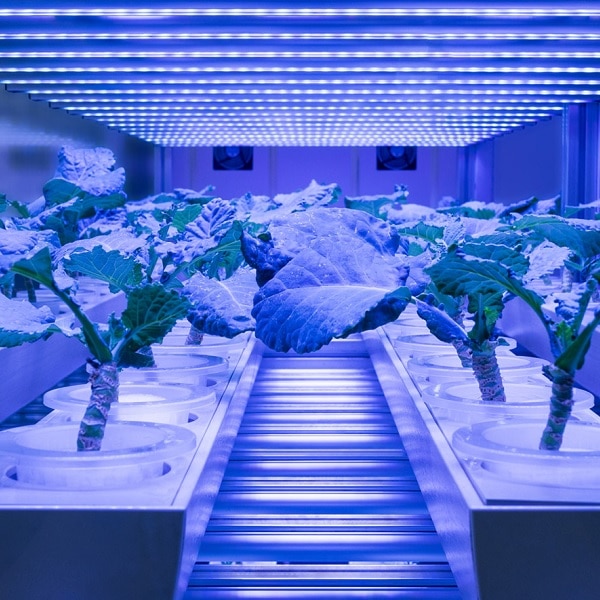
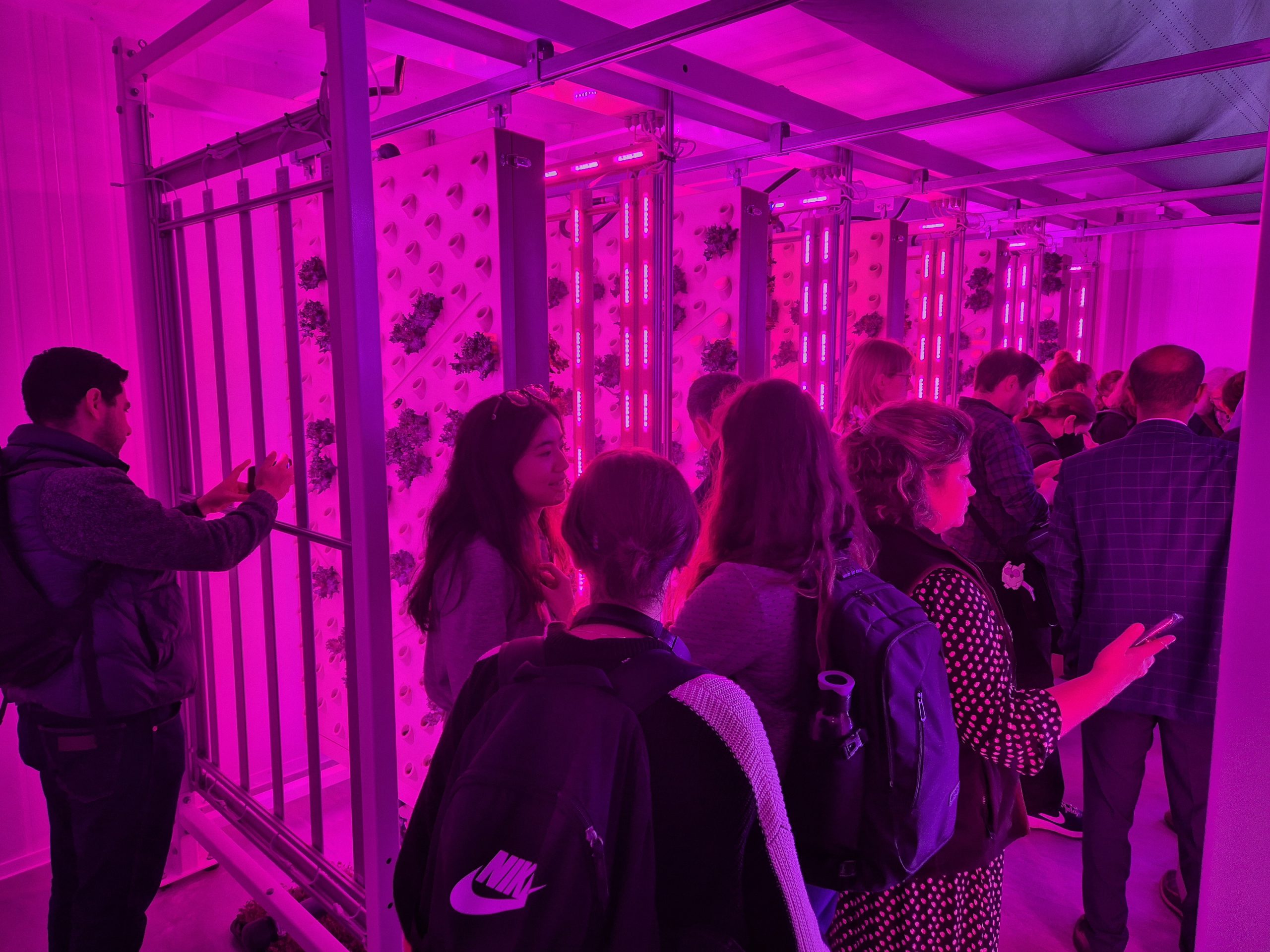
After a morning session hosted by Tracy Lawson, Professor of Plant Science at the University of Essex, guests were invited to tour the Smart Technology Experimental Plant Suite (STEPS) facility in the School of Life Sciences featuring IAG’s GrowFrame360™ vertical farming system. The vertical farm is key in the STEPS laboratory’s mission to develop climate change-resilient crops for a harsher future growing environment. This hands-on experience offered attendees valuable insights into how cutting-edge technology is practically being used in a research setting to address future food production challenges.
Following the tour of the novel facilities at STEPS, IAG’s Business Development Director Kate Brunswick welcomed a number of expert speakers to discuss the role that agritech systems, such as those demonstrated earlier, can play in agricultural education and the importance of bridging the skills gap.
Dr Laura Placzynski, postdoctoral research associate at Harper Adams University, delivered an insightful keynote on behalf of Professor David Rose, Elizabeth Creak Chair in Sustainable Agricultural Change at Harper Adams, on the trends in British sustainable food systems and the skills needed to keep up with technological change.
Oxfordshire mixed farmer Will Brown, 2023 Nuffield Scholar, shared valuable insights about his scholarship on vertical farming and how vertical farming can fit into agricultural production, research and training.
Kirsty Barden, Head of Business Development at Management Development Services (MDS), discussed the skills gap in agriculture and how her organisation is helping to bridge it.
Lastly, Professor Tracy Lawson delivered a presentation overviewing the STEPS lab’s role in agricultural education and the benefits of installing a vertical farm within an educational institution.
The event wrapped up with an open panel discussion and Q&A session chaired by Kate Brunswick, where the keynote speakers were joined by IAG’s Lead Plant Scientist, Dr. Deepa Haridas. This interactive session allowed attendees to ask questions, sparking discussions on the essential combination of innovation and education in agri-tech. Key themes included the importance of equipping future agri-leaders with both practical skills and theoretical knowledge to navigate an evolving industry and a changing world.
Throughout the day, attendees enjoyed multiple networking opportunities, connecting with peers and industry experts who are shaping the future of agriculture. The event underscored the value of collaborative efforts between academic institutions and industry partners like Innovation Agritech Group in bridging the skills gap and fostering sustainable food production solutions.
The event highlighted the urgent need to attract new talent to agriculture, especially as 35% of the current farming workforce is over 65. Agri-tech’s modern, tech-driven environment could be instrumental in engaging younger generations, with vertical farms and advanced technology making agriculture more appealing and accessible. Re-educating the public on the diverse, high-tech career paths now available in agri-tech such as engineering, project management, and design can help dispel outdated stereotypes about the industry.
Supporting agri-tech in education, including integrating vertical farming and Controlled Environment Agriculture (CEA) into academic programs, offers hands-on experience and exposure to cutting-edge methods. These setups allow researchers to conduct experiments more efficiently, and with government support, could become a foundational part of agricultural education. Vertical farming, while not a replacement for traditional agriculture, can complement it by supporting niche crops and advancing agricultural research.
This Agri-TechE Week event not only highlighted the critical role of agri-tech in advancing academic research but also demonstrated how initiatives like IAG Educate and the GrowFrame360™ system are contributing to a skilled, knowledgeable, and capable future workforce. While changing perceptions around careers in agriculture requires ongoing effort, events like this highlight tangible steps to attract the next generation. By incorporating more agri-tech solutions into educational institutions, we can inspire young minds and move toward a sustainable future in agriculture.
Related Posts

Controlled growing environments have future for high value crops – CEA 2019
Stimulating debate in controlled environment agriculture
ATW 2024: Innovations for 21st Century Challenges
Light Science Technologies announces successful first phase completion of Zenith Nurseries contract

Light Science Technologies’ rapid growth continues with key sales appointment